

Choosing the right shampoo is a fundamental step in any effective hair care routine. While we often focus on ingredients that nourish and strengthen, it's equally important to consider what we might want to avoid. In recent years, salt-free shampoos have gained popularity as a gentler alternative for cleansing hair. But what exactly does 'salt-free' mean, and who can benefit most from making the switch? Let's explore the world of these milder formulas to understand how they can contribute to healthier-looking hair.
What Does 'Salt-Free' Mean in a Shampoo?
When a shampoo is labelled 'salt-free', it typically means it does not contain Sodium Chloride (NaCl), which is common table salt. In cosmetic formulations, sodium chloride is often used as a thickening agent to give the shampoo a rich, dense consistency that many users associate with quality. While it helps create a pleasant texture, it can have certain drawbacks for specific hair types and conditions. It's important to distinguish this from other 'salts' in chemistry, like sulfates (e.g., Sodium Lauryl Sulfate), which are cleansing agents. A salt-free shampoo specifically avoids the addition of NaCl.
The Key Benefits of Choosing a Salt-Free Shampoo
Opting for a shampoo without added sodium chloride can offer several advantages, particularly for those with delicate or chemically treated hair. These formulas are designed to cleanse effectively without being overly harsh.
1. Gentler on the Hair and Scalp
Sodium chloride can be drying for both hair and scalp. By drawing out moisture, it can leave hair feeling brittle and a sensitive scalp feeling tight or irritated. A salt-free formula provides a milder cleansing experience, helping to maintain the natural moisture balance of your hair and scalp, which is crucial for overall hair health.
2. Ideal After Certain Hair Treatments
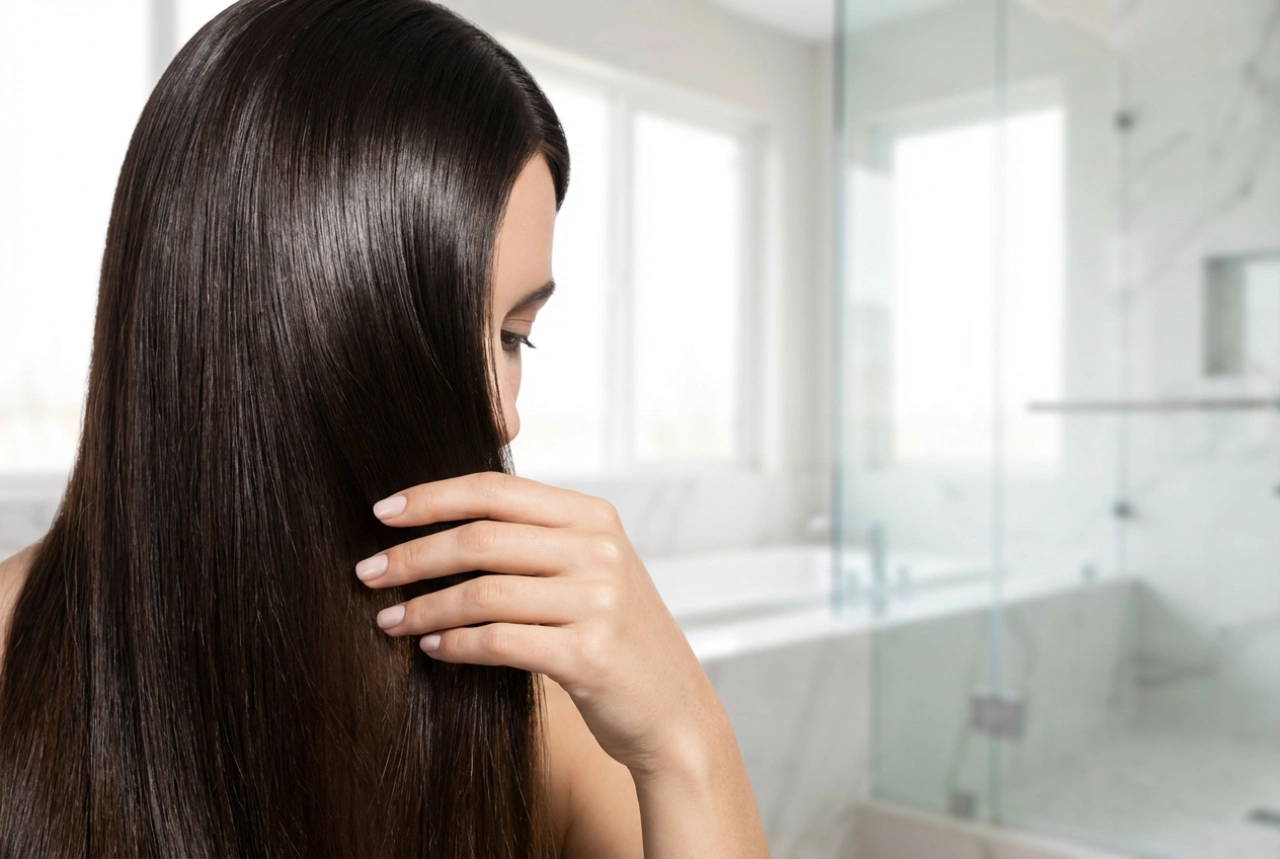
If you have invested in a keratin smoothing treatment or a professional hair colouring service, a salt-free shampoo is highly recommended. Salt is known to be an abrasive ingredient that can strip away the keratin coating or hair dye molecules more quickly. Using a salt-free shampoo helps to prolong the effects of these treatments, keeping your hair smoother and your colour more vibrant for longer.
3. Helps to Reduce Frizz and Dryness
Hair types that are naturally prone to dryness and frizz, such as curly or wavy hair, can greatly benefit from avoiding salt. Because salt has a tendency to absorb moisture, it can exacerbate the very issues these hair types face. A salt-free shampoo cleanses without stripping essential natural oils, helping to keep the hair cuticle smoother and better hydrated, resulting in less frizz and a softer texture.
Who Should Consider Using a Salt-Free Shampoo?
While anyone can use a salt-free shampoo, certain individuals will notice the most significant benefits. Consider making the switch if you have:
- Chemically treated hair: This includes hair that has been coloured, bleached, or permed.
- Keratin-straightened hair: To extend the life of the smoothing treatment.
- Naturally dry or coarse hair: To prevent further moisture loss.
- Curly or wavy hair: To enhance curl definition and reduce frizz.
- A sensitive or dry scalp: For a gentler cleansing that is less likely to cause irritation.
How to Use a Salt-Free Shampoo Effectively
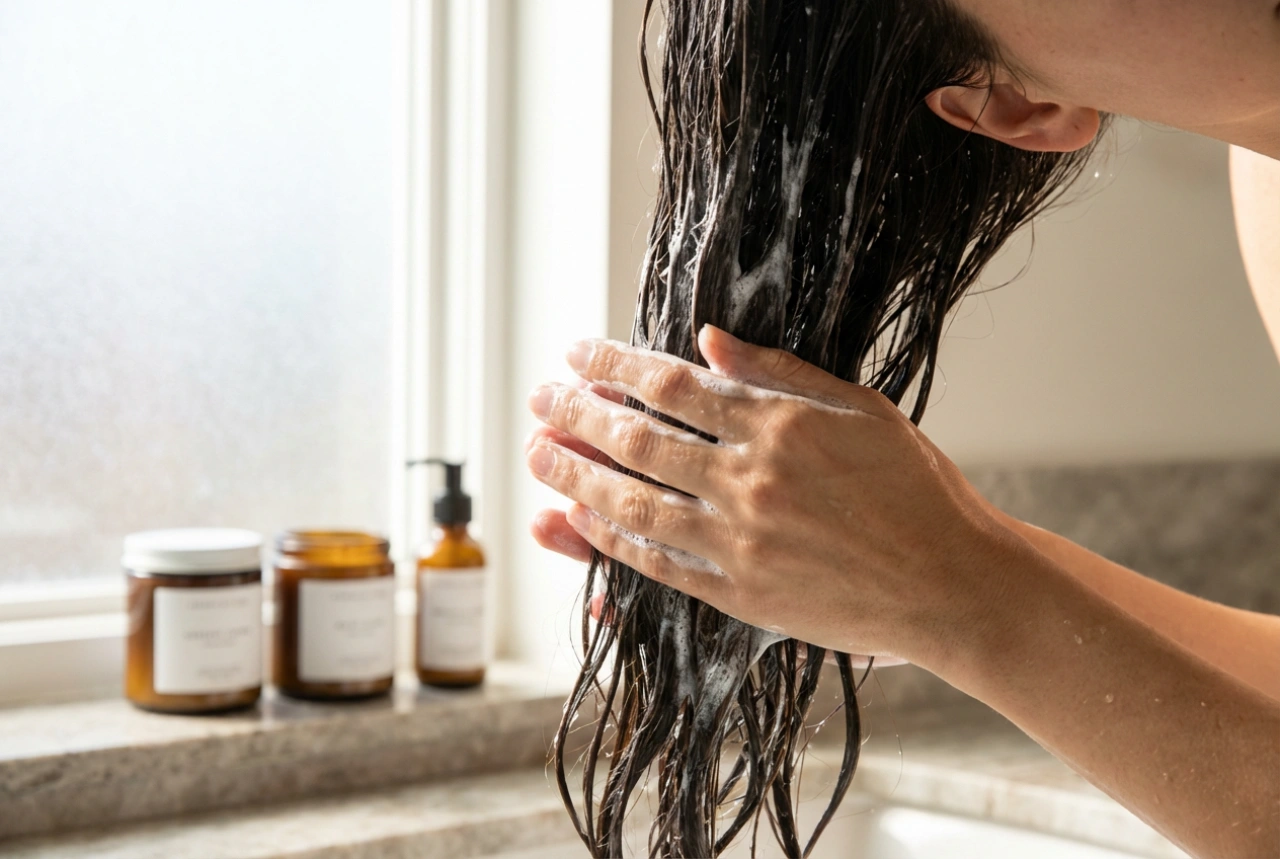
Using a salt-free shampoo is straightforward, but there are a few things to keep in mind for the best results. Firstly, you might notice that these shampoos produce less lather than their salt-containing counterparts. This is normal and does not mean they are less effective at cleaning. The rich foam in many traditional shampoos is often enhanced by thickening agents like salt. Focus on massaging the product directly onto your scalp with your fingertips to break down oils and product build-up. Let the lather run down the lengths of your hair as you rinse. For very oily hair or hair with a lot of styling product, a second wash may be beneficial. Always follow up with a suitable conditioner to seal in moisture and keep your hair smooth and manageable.