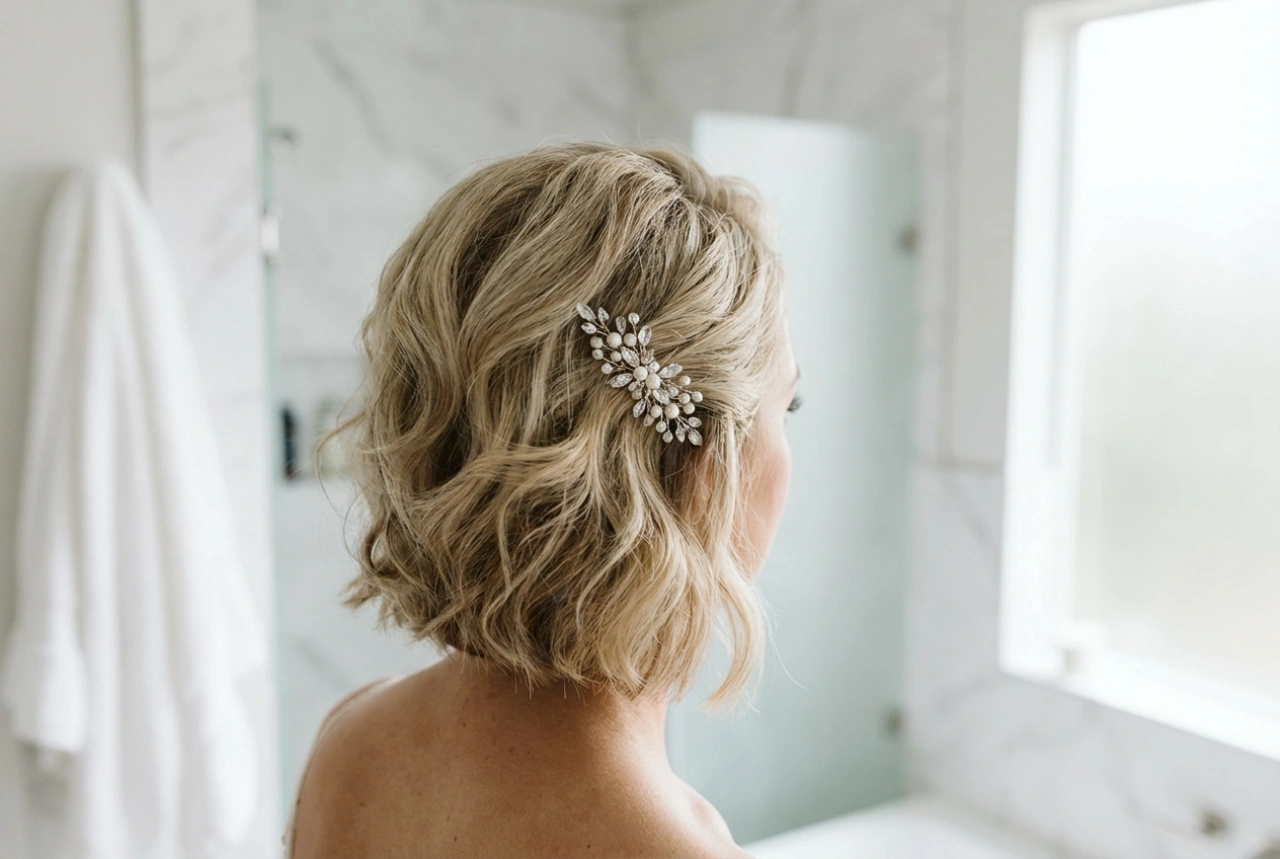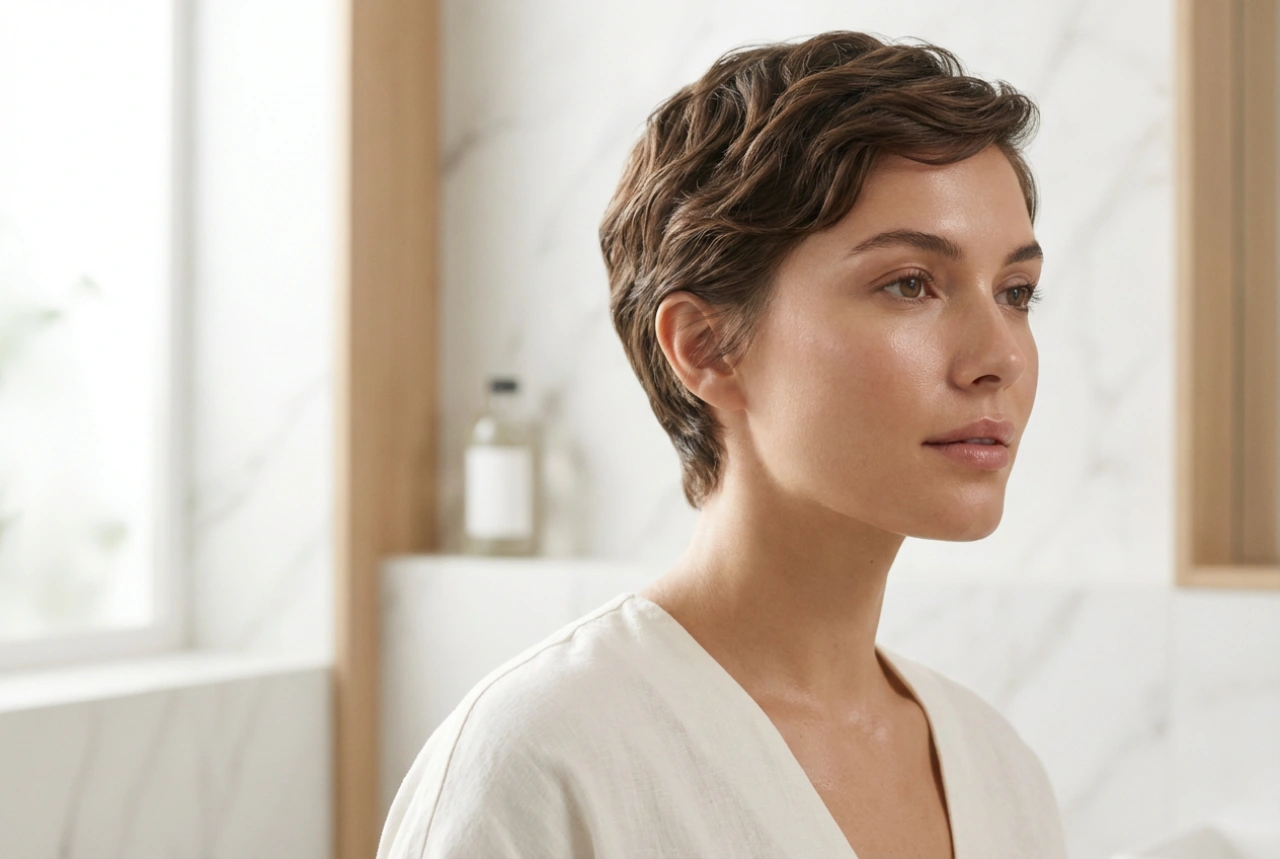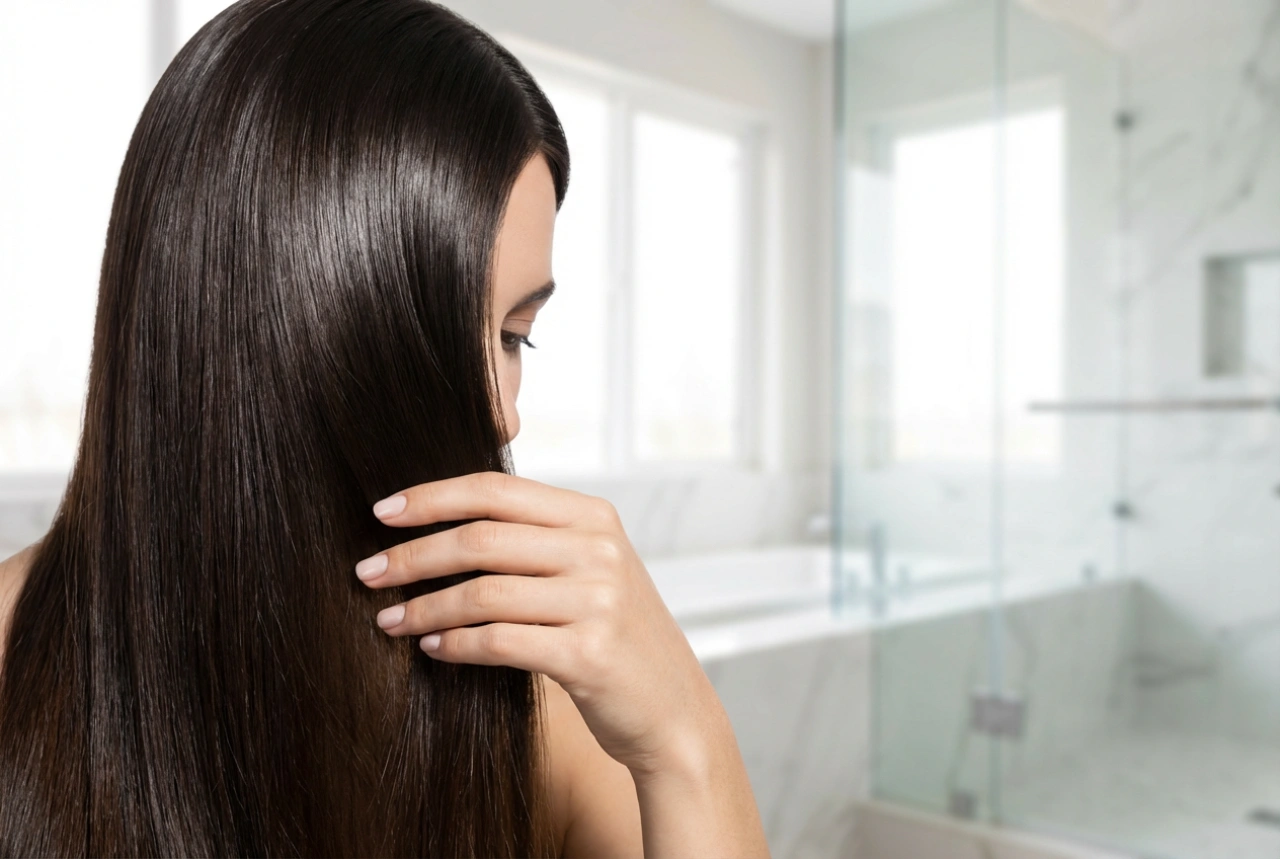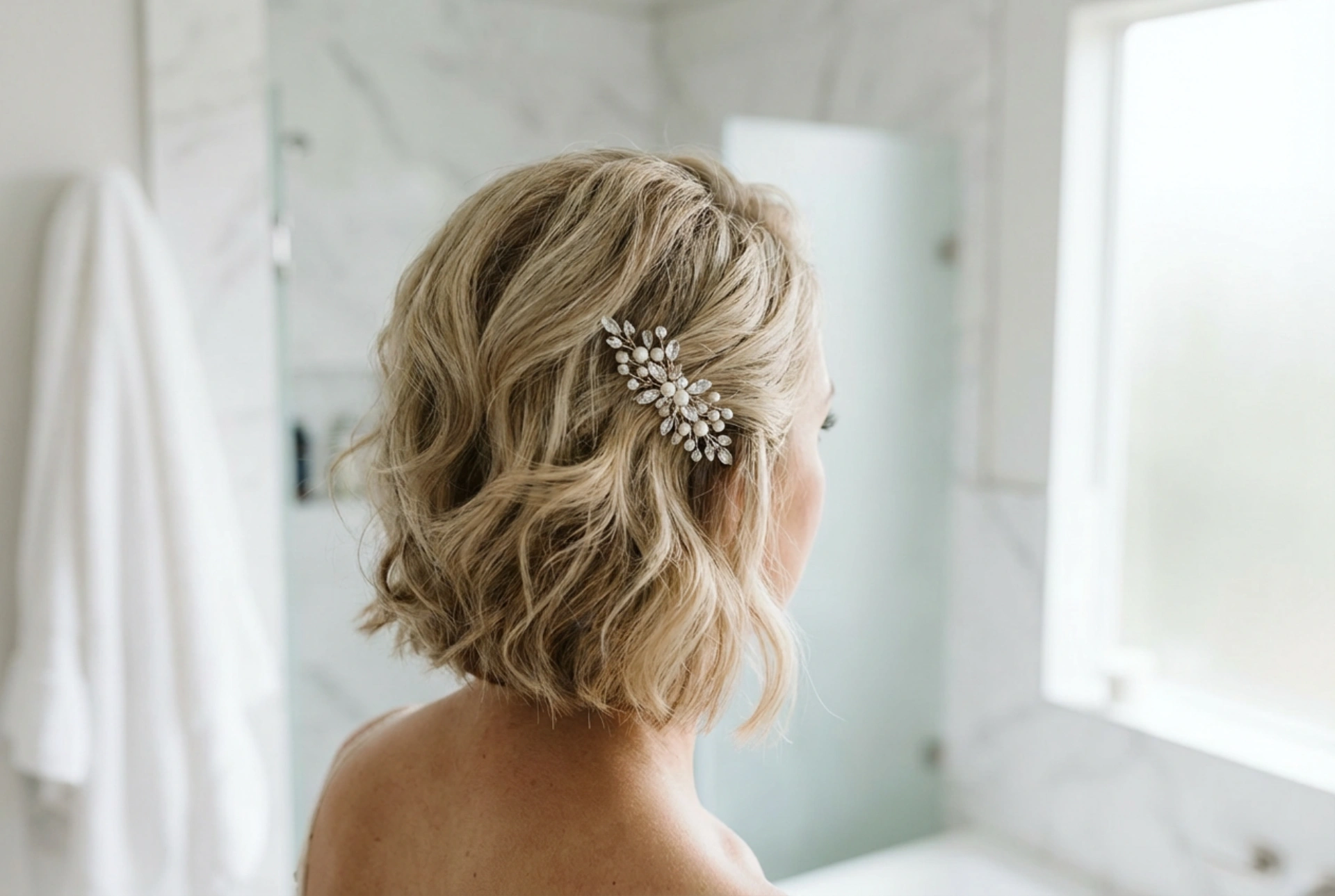


Finding a hairstyle that complements your natural features can be a truly transformative experience. For women who wish to soften the appearance of prominent ears, the key lies in creating movement, volume, and strategic lines that naturally frame the face. Rather than trying to hide under a heavy, flat curtain of hair, the most elegant solution is to embrace dynamic cuts that direct the eye to the overall shape of the style. Sophisticated, voluminous haircuts featuring soft, natural waves can beautifully balance facial proportions while highlighting healthy hair texture and refined lines.
The Power of Strategic Layering and Texture
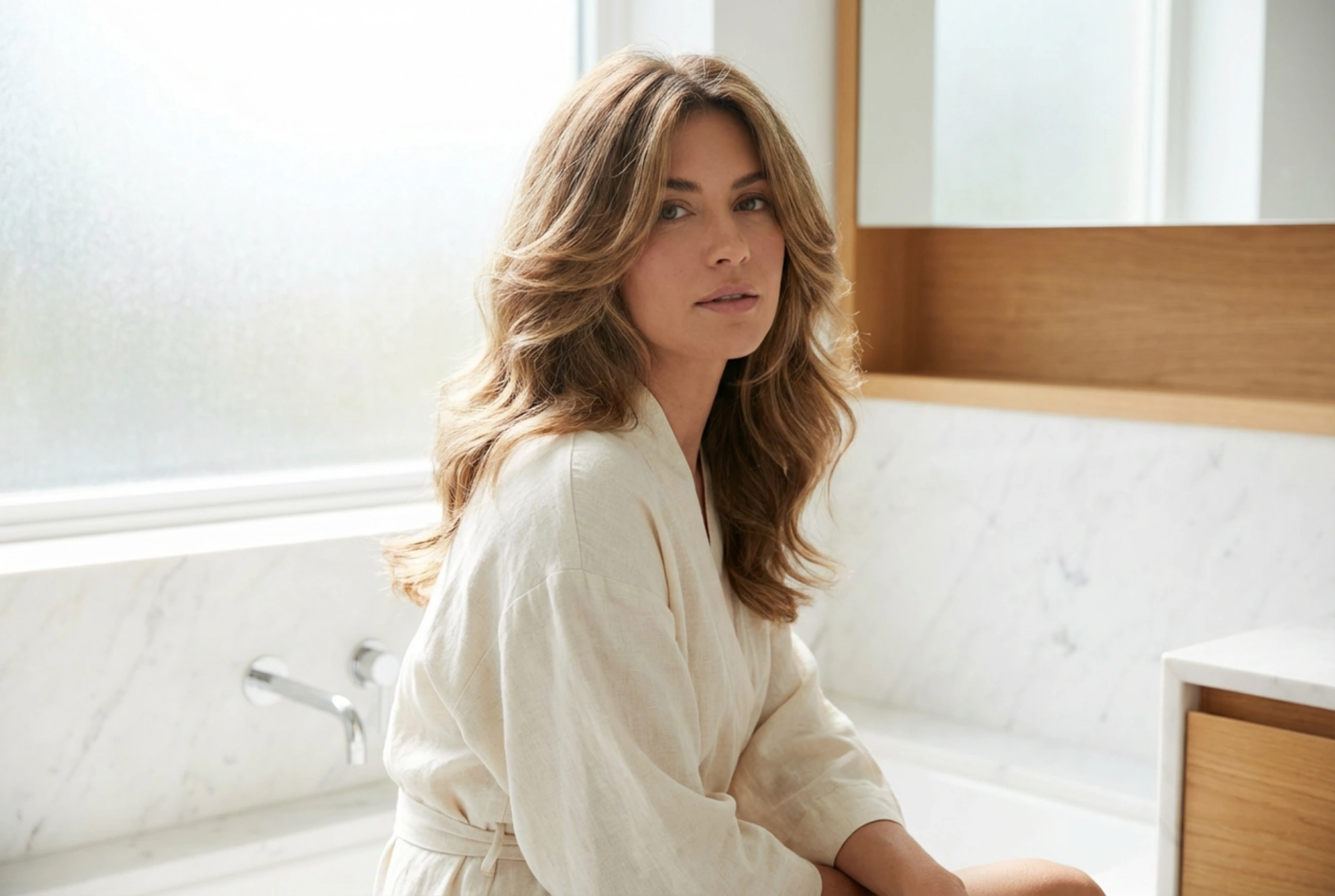
One of the most effective ways to draw attention away from specific areas is through the clever use of layers. A one-length, straight haircut can sometimes act as a dark backdrop, making the ears stand out more prominently. In contrast, layered haircuts break up the solid weight of the hair, introducing soft movement and texture that gracefully hugs the sides of the face.
When layers are cut at different heights—starting from the cheekbones down to the collarbone—they create a series of gentle curves. These curves soften the transition between the head and the shoulders, naturally obscuring the ears without looking obvious. Furthermore, texturising the ends prevents the hair from falling flat, ensuring that the hairstyle maintains its lively, airy structure throughout the day.
Optimal Hair Lengths for a Balanced Silhouette
While long hair offers plenty of versatility, medium-length haircuts are often considered the most flattering for creating a balanced frame. Popular styles such as the modern shag, the textured lob (long bob), or classic shoulder-length waves work wonders. These lengths provide enough substance to cover the ears comfortably while remaining light enough to hold volume at the roots.
- The Textured Lob: A chic, slightly angled bob that rests near the collarbone allows for natural volume. By styling it with soft waves, you create a wide, flattering silhouette that gently obscures the ears.
- The Modern Shag: Characterised by choppy layers and a lived-in texture, this style naturally builds width around the mid-lengths of the face, seamlessly blending any features you might want to de-emphasise.
- Long Layers with Curtain Bangs: If you prefer keeping your hair long, incorporating face-framing layers starting around the jawline ensures that there is always soft movement around the ears, even when the rest of your hair is swept back.
Styling Techniques for Long-Lasting Volume
Achieving the perfect shape is not just about the cut; the way you style your hair plays an equally crucial role. Volume at the roots and mid-lengths is essential for creating a wider silhouette that naturally balances prominent ears. Using a round brush during blow-drying can lift the hair from the scalp, creating a beautiful arch that keeps the strands from clinging too tightly to the sides of the head.
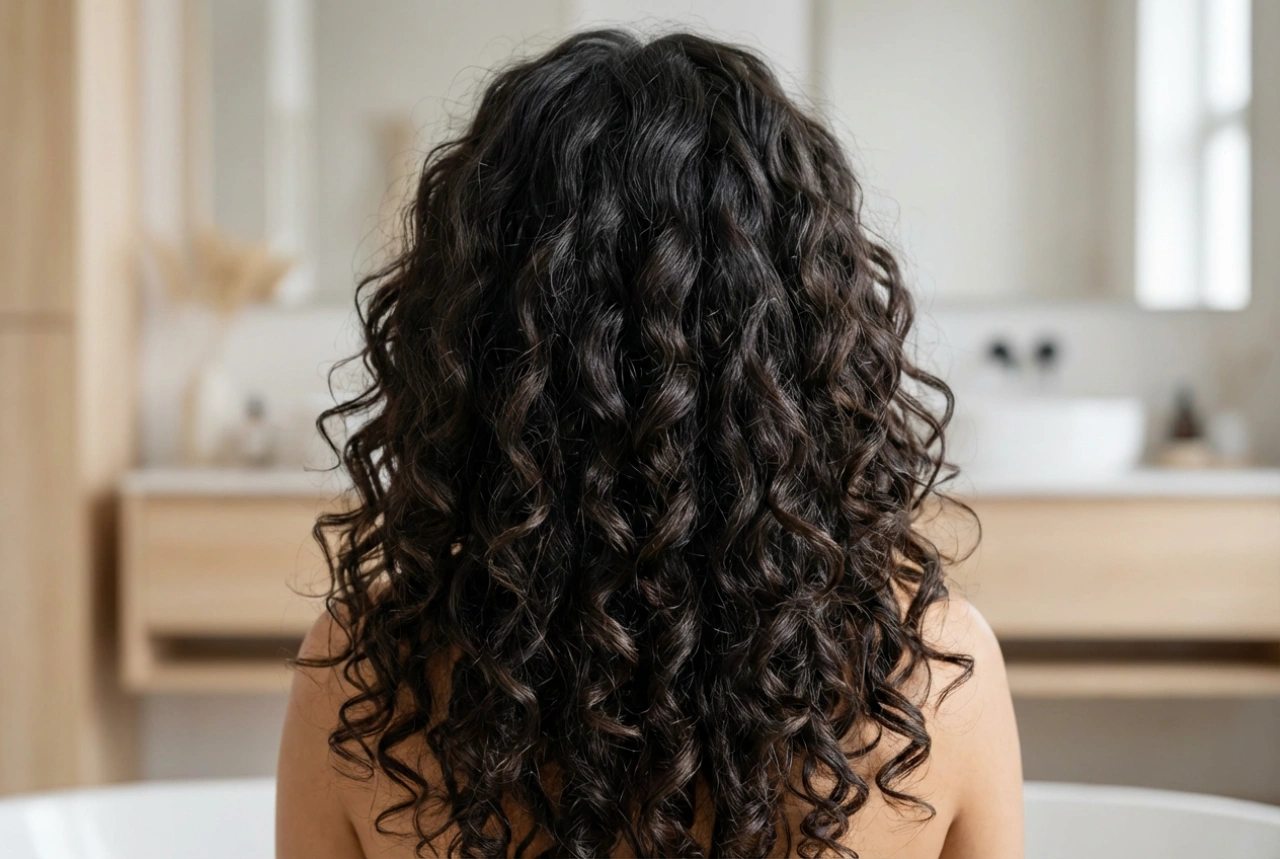
To enhance this effect, focus on creating soft, natural waves. You can achieve this using heat-free rollers overnight or a wide-barrel styling tool on a low temperature. Wrap the sections away from your face, allowing the curls to cool before gently brushing them out. This technique creates a romantic, breezy texture that moves naturally as you walk, offering subtle and effortless coverage.
The Influence of the Hair Parting
The way you part your hair can also influence how the eye perceives facial symmetry. A strict, dead-centre parting can sometimes draw a vertical line down the face, emphasising lateral features. Instead, experimenting with a deep side parting or a slightly off-centre, irregular part can work beautifully. A side part shifts the bulk of the hair's volume to one side, breaking up symmetry and creating a dynamic angle that diverts attention. Combined with soft, sweeping bangs, this simple adjustment can dramatically change how the hair drapes over the sides of the face, offering natural coverage where it is most desired.
The Magic of Face-Framing Strands and Fringes
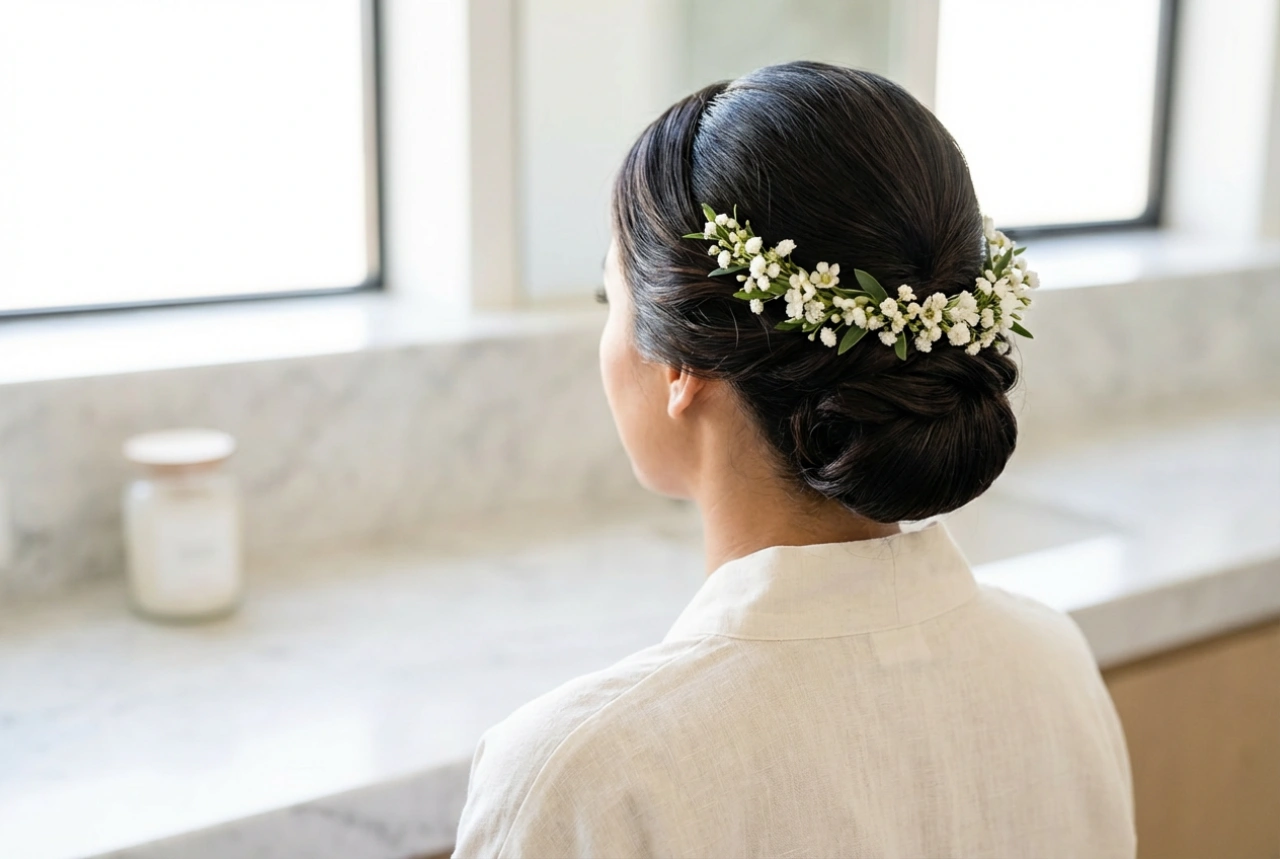
Sometimes, you may want to wear your hair up for a formal occasion or simply for convenience. Sweeping all your hair tightly back can feel exposing, but you do not have to avoid updos entirely. The secret is to leave a few strategic, soft strands free around the hairline to frame your face.
Curtain bangs are exceptionally useful in this regard. Sweeping gently to either side, they touch the cheekbones and fall naturally over the temples, softening the transition to any updos. Similarly, pulling out small, wispy tendrils near the temples and ears before securing a bun or ponytail adds a touch of effortless elegance. These soft details break up the sharp lines of an updo, ensuring you feel confident and comfortable from every angle. Furthermore, when securing your hair, avoid pulling it too tight. Opt for low, loose buns or textured chignons that naturally drape over the upper part of the ears for a softer, more casual look.