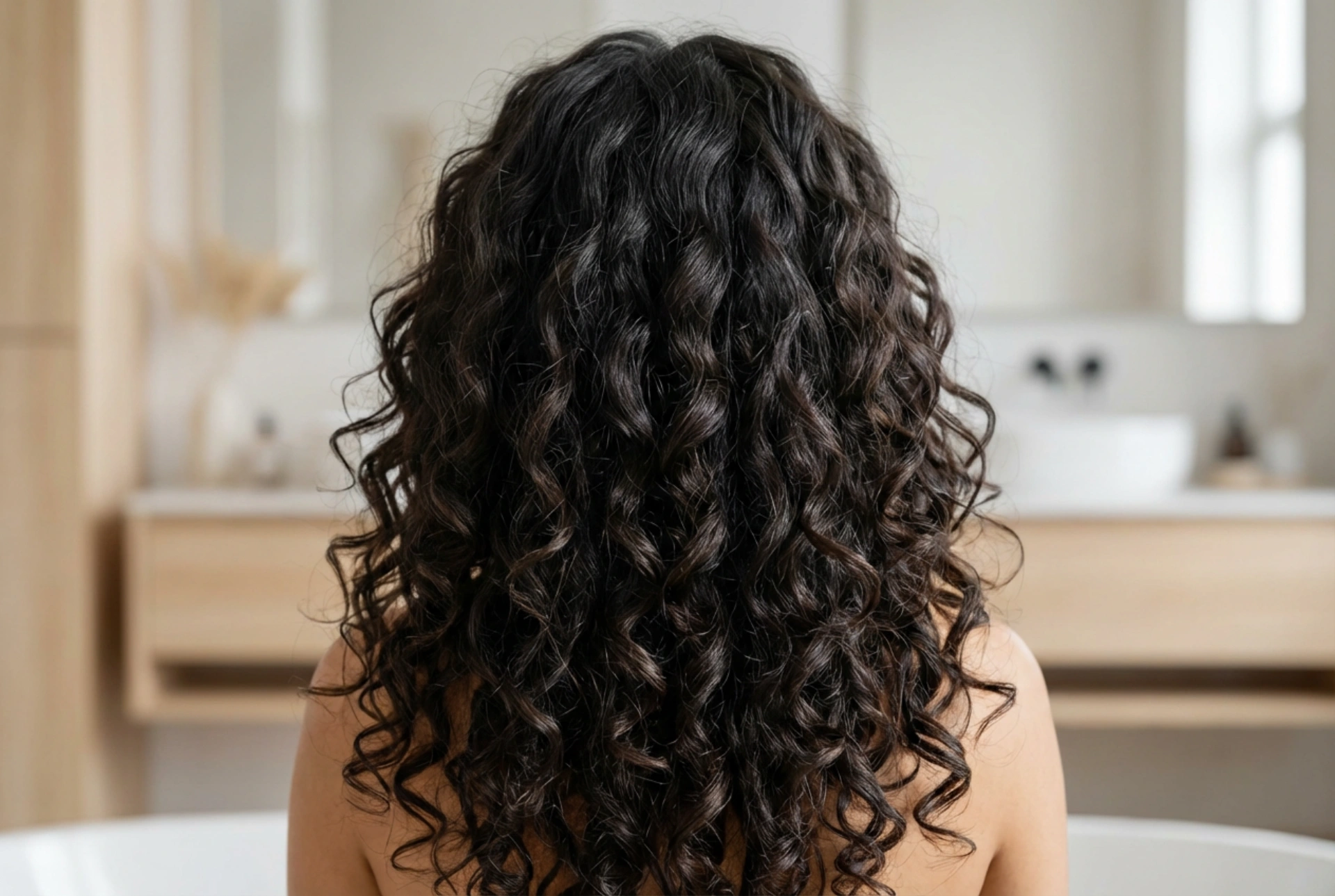


There is a unique beauty in voluminous, perfectly defined curly hair that cascades gracefully, catching the natural light with every movement. However, anyone blessed with natural curls knows that achieving this effortless look requires a thoughtful approach to both cutting and styling. Unlike straight hair, curly tresses have a three-dimensional pattern that behaves differently depending on length, weight, and environmental factors. Choosing a layered cut is often the key to unlocking the true potential of your curls, preventing the heavy, triangular shape that often occurs with one-length cuts.
The Importance of Layering for Curly Hair
When curly hair is cut to a single length, the weight of the canopy pulls down the roots, resulting in flat tops and bulky, wide ends. This is often referred to in the curly hair community as the "triangle effect." Layering solves this issue by strategically removing weight from specific sections of the hair, allowing individual curls to spring up and form beautiful, rounded shapes.
By introducing layers, you create space for the curls to nestle into each other rather than stacking directly on top of one another. This not only enhances natural volume at the crown but also improves the overall movement of the hair. Layered cuts make the hair feel lighter, reduce drying time, and make daily styling significantly more manageable.
Key Cutting Methods for Curly Tresses
Cutting curly hair is an art form that requires an understanding of curl patterns, elasticity, and shrinkage. Here are some of the most effective methods used to shape layered curls:
- Dry Cutting: Because curls shrink as they dry, cutting them wet can often lead to unexpected results. Dry cutting allows for a visual evaluation of how each curl naturally falls. The hair is shaped curl by curl, ensuring that the overall silhouette remains balanced and harmonious.
- Carving and Slicing: This technique involves gliding the scissors along the interior of the hair shaft to remove bulk without sacrificing length. It helps to create "channels" for the curls to sit in, reducing frizz and allowing the natural curl pattern to clump together beautifully.
- Slide Cutting: Perfect for seamless transitions, slide cutting involves sliding open shears down the hair strand. This creates soft, tapered layers that blend effortlessly, avoiding harsh lines and promoting natural bounce.
How to Define Your Curls After a Layered Cut
A great haircut provides the perfect canvas, but the way you style and define your curls at home will determine the final look. Curly hair is naturally drier than straight hair because scalp oils have a harder time traveling down the spiral shaft. Therefore, moisture is the absolute foundation of curl definition.
The Wet Styling Method
To achieve maximum definition and minimise frizz, it is best to apply styling products to soaking wet hair. This helps to lock in the moisture from your wash routine. Apply a leave-in conditioner or curl cream using the "praying hands" method to distribute the product evenly without disrupting the curl pattern. Follow this with a medium to strong-hold gel to seal the clumps and provide long-lasting hold.
Scrunching and Plopping
Once products are applied, gently scrunch your hair upwards towards the scalp to encourage curl formation. To remove excess water without causing friction, use a soft microfibre towel or a clean cotton t-shirt. You can also try "plopping"—wrapping your wet hair in a cotton t-shirt on top of your head for 15-20 minutes. This technique helps to lift the roots and preserve the curl structure while drying.
Maintaining Volume and Health
To keep your layered curls looking their best between washes, a gentle maintenance routine is essential. Protect your curls at night by sleeping on a silk or satin pillowcase, or by gathering your hair into a loose "pineapple" ponytail on top of your head. This prevents friction, reducing frizz and preserving the shape of your layers.
On non-wash days, you can refresh your layers by lightly misting your hair with water mixed with a small amount of leave-in conditioner. Gently scrunch any loose areas to reactivate the styling products and bring the bounce back to your curls.