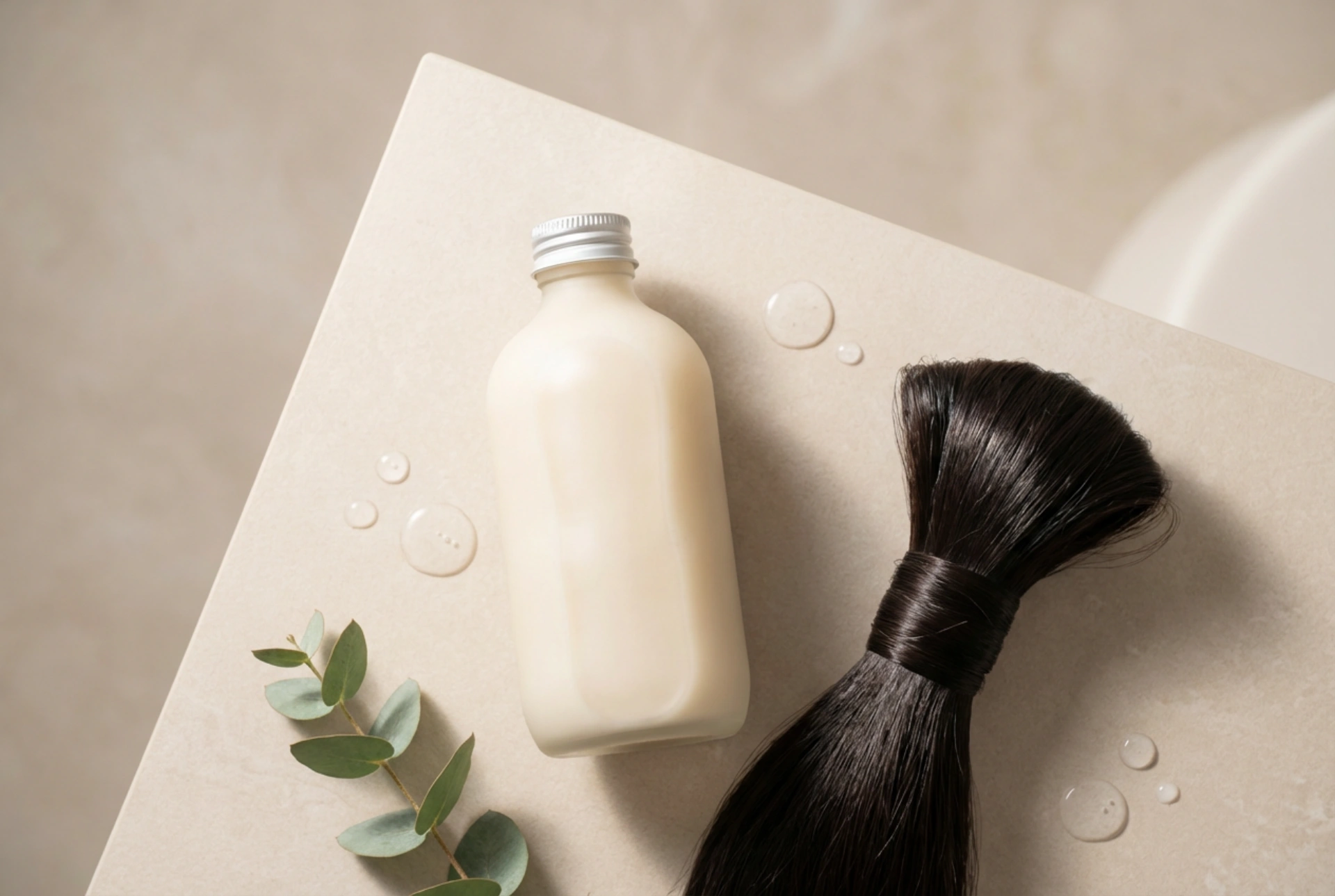


Achieving healthy, lustrous hair often begins with a mindful approach to your daily cleansing routine. Just like a serene, minimalist flat lay featuring a simple bottle and beautiful strands, a successful hair care regimen relies on the perfect balance of hydration and gentle cleansing. Medium porosity hair, often considered the most common hair type, sits in a unique position between low and high porosity. To maintain its natural vitality, shine, and manageability, choosing the right shampoo is crucial. The goal is to cleanse the scalp thoroughly without stripping away the essential moisture that keeps this hair type looking its best.
What is Medium Porosity Hair?
Hair porosity refers to the hair's ability to absorb and retain moisture. This is determined by the condition of the cuticle, which is the outermost layer of the hair shaft. In medium porosity hair, the cuticles are loose enough to allow moisture to enter easily, yet tight enough to prevent it from escaping too quickly. This makes it relatively easy to style and maintain, but it also means it is highly sensitive to changes in products and environment.
Without the proper balance of nutrients, medium porosity hair can easily shift. Overuse of heavy styling products can weigh it down, turning it into low porosity-like hair with heavy buildup. On the other hand, excessive heat styling or harsh chemical treatments can raise the cuticles permanently, shifting it towards high porosity, which is prone to dryness and frizz. This is why selecting a balanced shampoo is the foundation of keeping medium porosity hair in its optimal, healthy state.
The Dilemma: Balancing Cleansing and Care
When selecting a shampoo for medium porosity hair, the primary objective is to maintain a delicate equilibrium. The product must be effective enough to remove sebum, pollution, and styling residues, yet gentle enough not to disrupt the delicate lipid barrier of the hair shaft. Unlike high porosity hair, which requires intense moisture, or low porosity hair, which needs lightweight, clarifying formulas, medium porosity hair thrives on a combination of both.
A common mistake is using shampoos that are either too stripping or too heavy. A harsh clarifying shampoo used too frequently can deplete the natural moisture, leading to dry ends and a sensitive scalp. Conversely, a highly moisturising, cream-based shampoo designed for damaged hair might leave a film on medium porosity strands, making them look greasy and lifeless. The key is to look for formulas that offer gentle hydration alongside effective cleansing action.
Key Ingredients to Seek in a Shampoo
To keep your hair looking lustrous and balanced, look for ingredients that support hydration without adding unnecessary weight. The ideal shampoo formula should contain a mixture of mild cleansing agents, humectants, and light conditioning elements. Here are some of the most beneficial components to look for on the product label:
- Mild Surfactants: Gentle cleansing agents such as cocamidopropyl betaine or decyl glucoside clean the scalp effectively without stripping the natural oils.
- Humectants: Ingredients like glycerin, panthenol (Provitamin B5), and aloe vera extract draw moisture into the hair shaft, keeping it soft and elastic.
- Hydrolysed Proteins: Weakened or normal cuticles benefit from light proteins such as hydrolysed silk, keratin, or wheat protein. They temporarily fill micro-gaps in the cuticle layer, improving strength and shine.
- Lightweight Oils: Plant oils such as jojoba oil, sweet almond oil, or argan oil provide a thin protective layer that seals in moisture without weighing down the hair.
Ingredients to Limit or Avoid
While medium porosity hair is versatile, certain ingredients can easily disrupt its balance. Being aware of what to avoid can prevent common issues like dullness, dryness, or scalp irritation. Try to limit the use of the following ingredients in your daily shampoo:
- Strong Sulfates: Sodium Lauryl Sulfate (SLS) and Sodium Laureth Sulfate (SLES) can be too harsh for regular use, stripping away the natural oils and raising the hair cuticles.
- Heavy Silicones: Non-soluble silicones can build up quickly on medium porosity hair, creating a barrier that prevents moisture from penetrating the hair shaft. Opt for water-soluble silicones or silicone-free formulas instead.
- Drying Alcohols: Alcohols like isopropyl alcohol or alcohol denat can dry out the hair shaft, leading to frizz and split ends.
How to Design Your Washing Routine
Creating a consistent washing routine is just as important as choosing the right shampoo. Since medium porosity hair is highly adaptable, you can easily adjust your routine based on how your hair feels from week to week. A balanced approach ensures that your hair remains healthy, shiny, and full of natural movement.
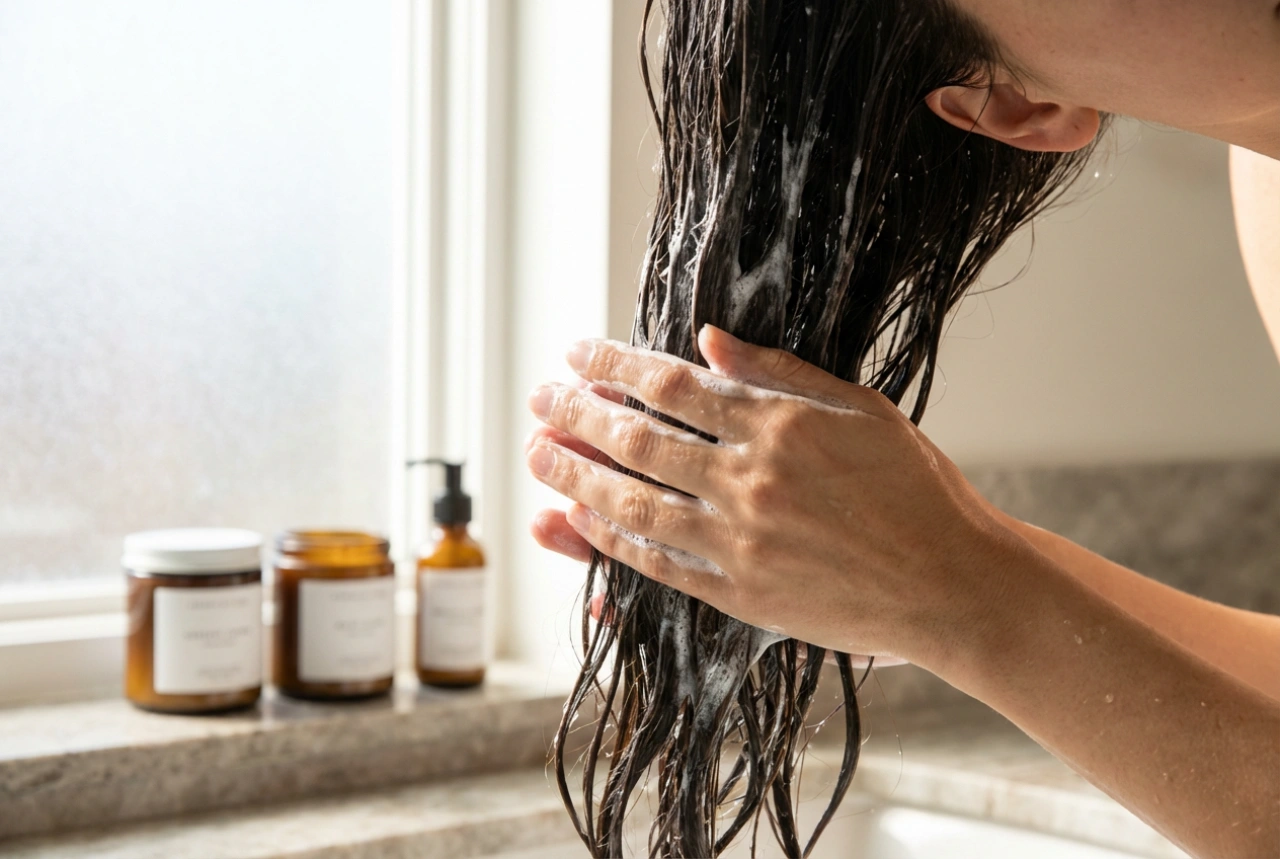
Consider washing your hair two to three times a week, focusing the shampoo primarily on the scalp where oil and dirt accumulate. Allow the lather to gently run down the lengths of your hair rather than scrubbing the ends, which are more fragile. Once or twice a month, you can incorporate a gentle clarifying shampoo to remove any accumulated product buildup, followed by a deeply hydrating conditioner or a light hair mask to restore the moisture balance.