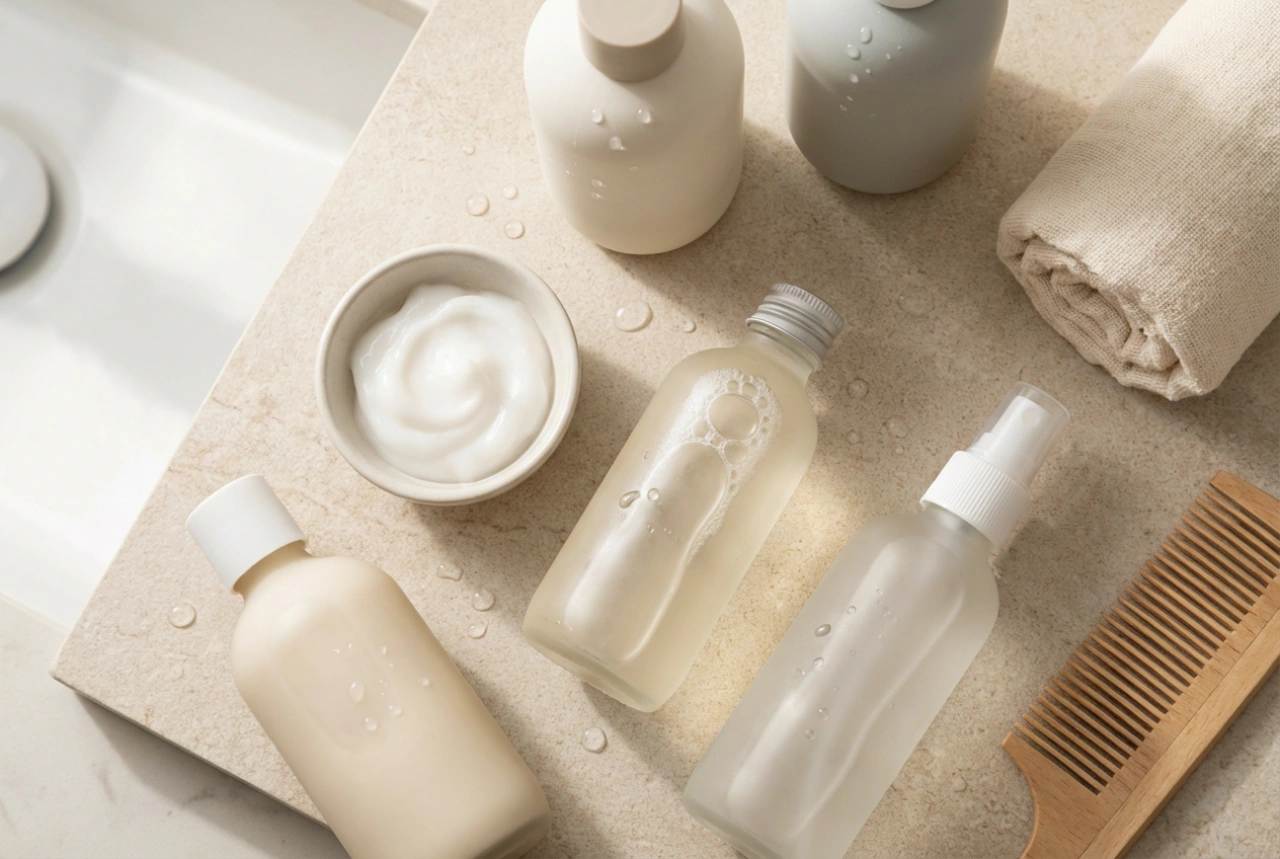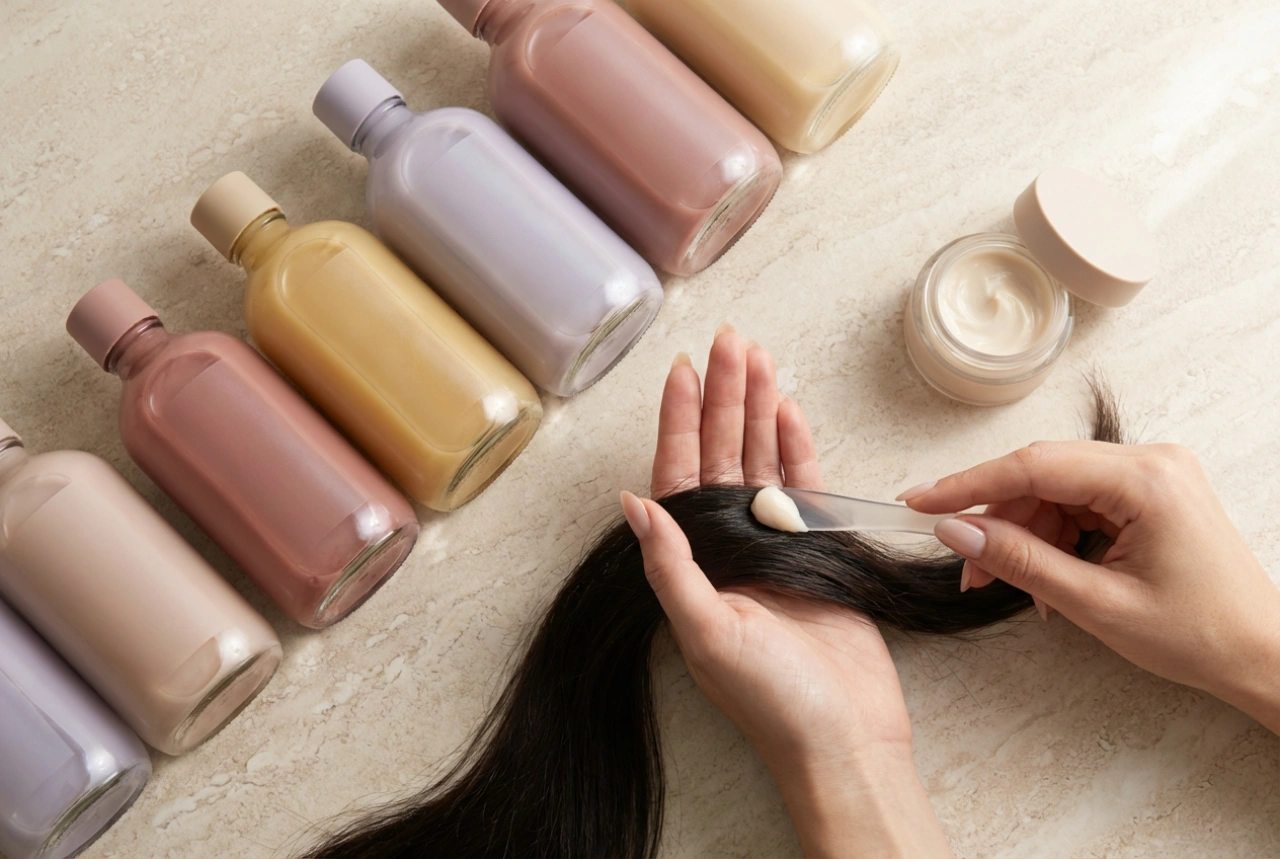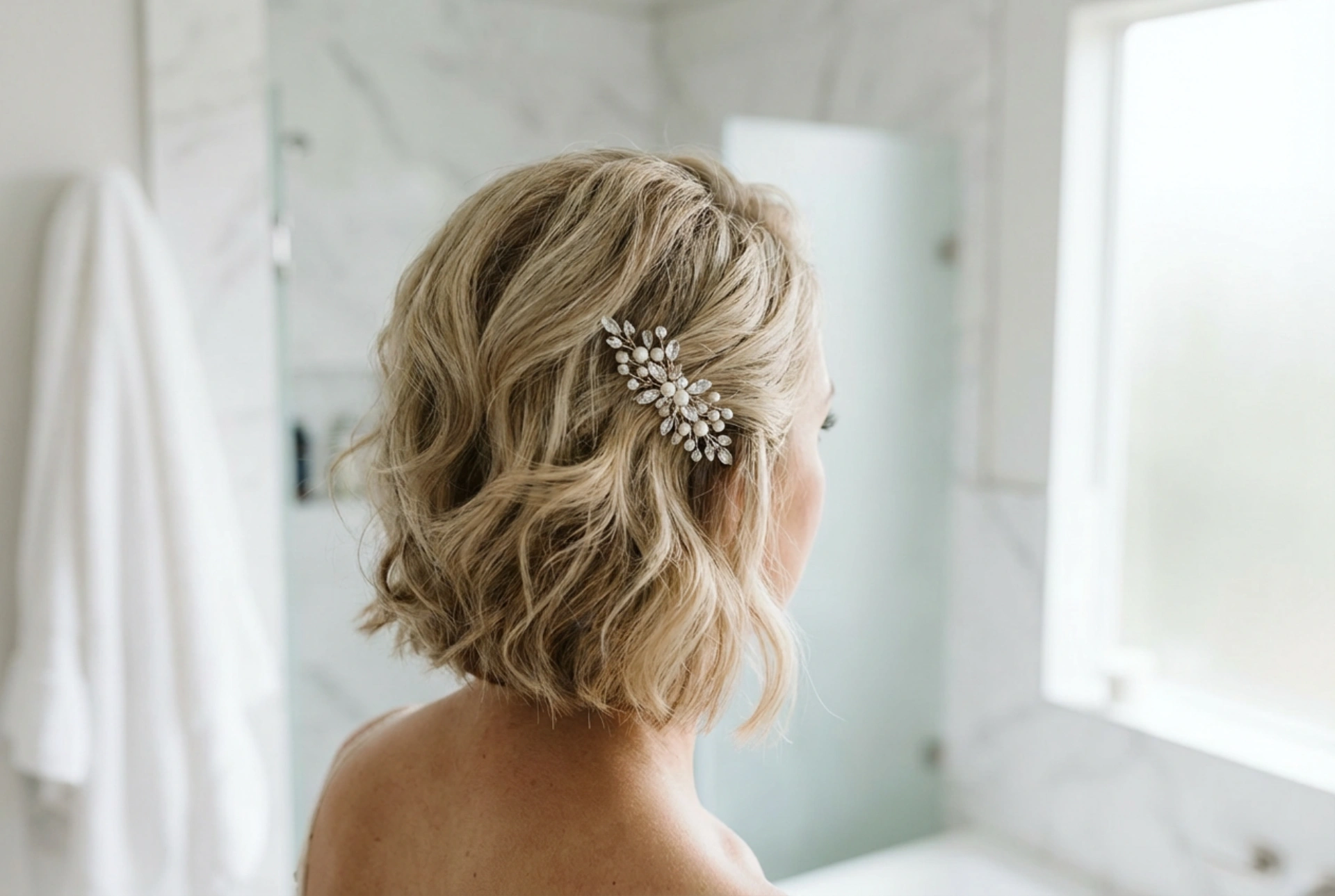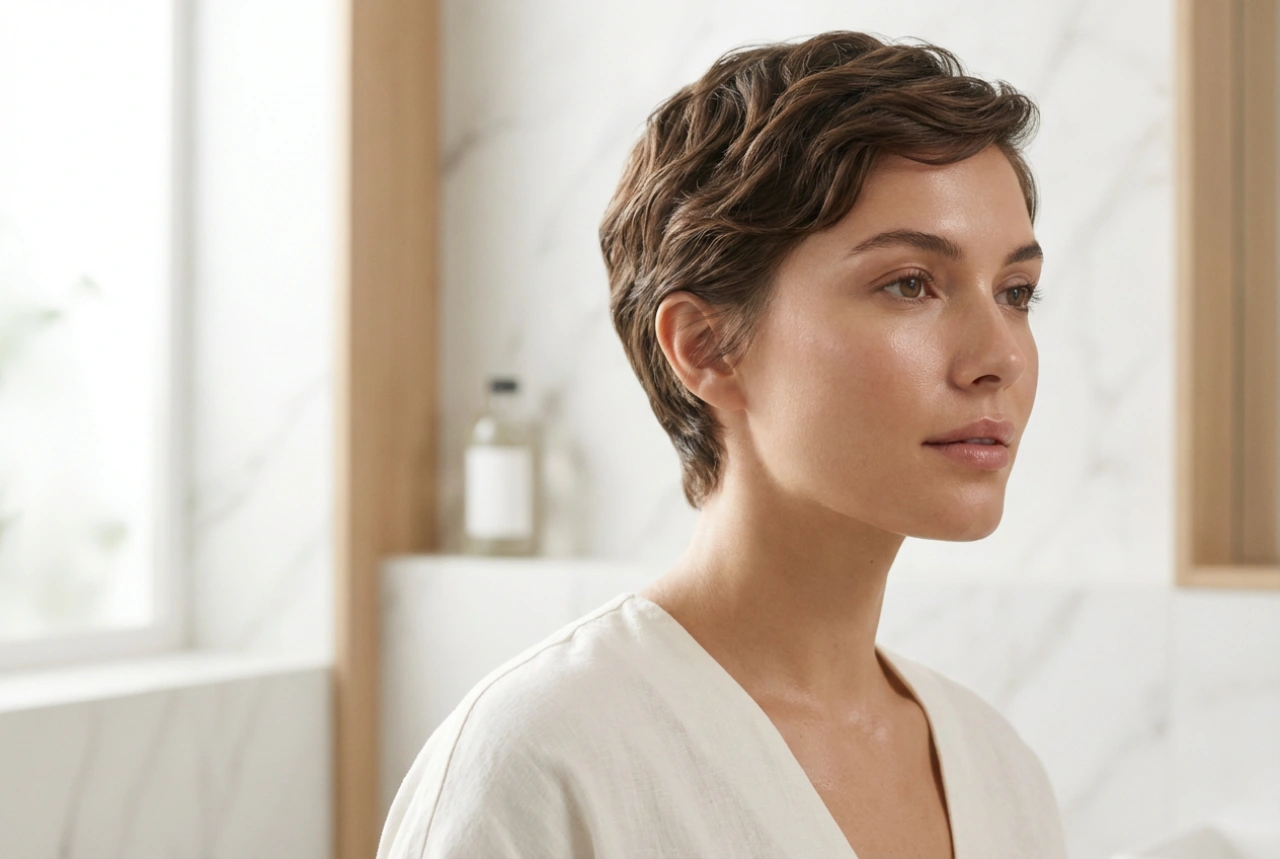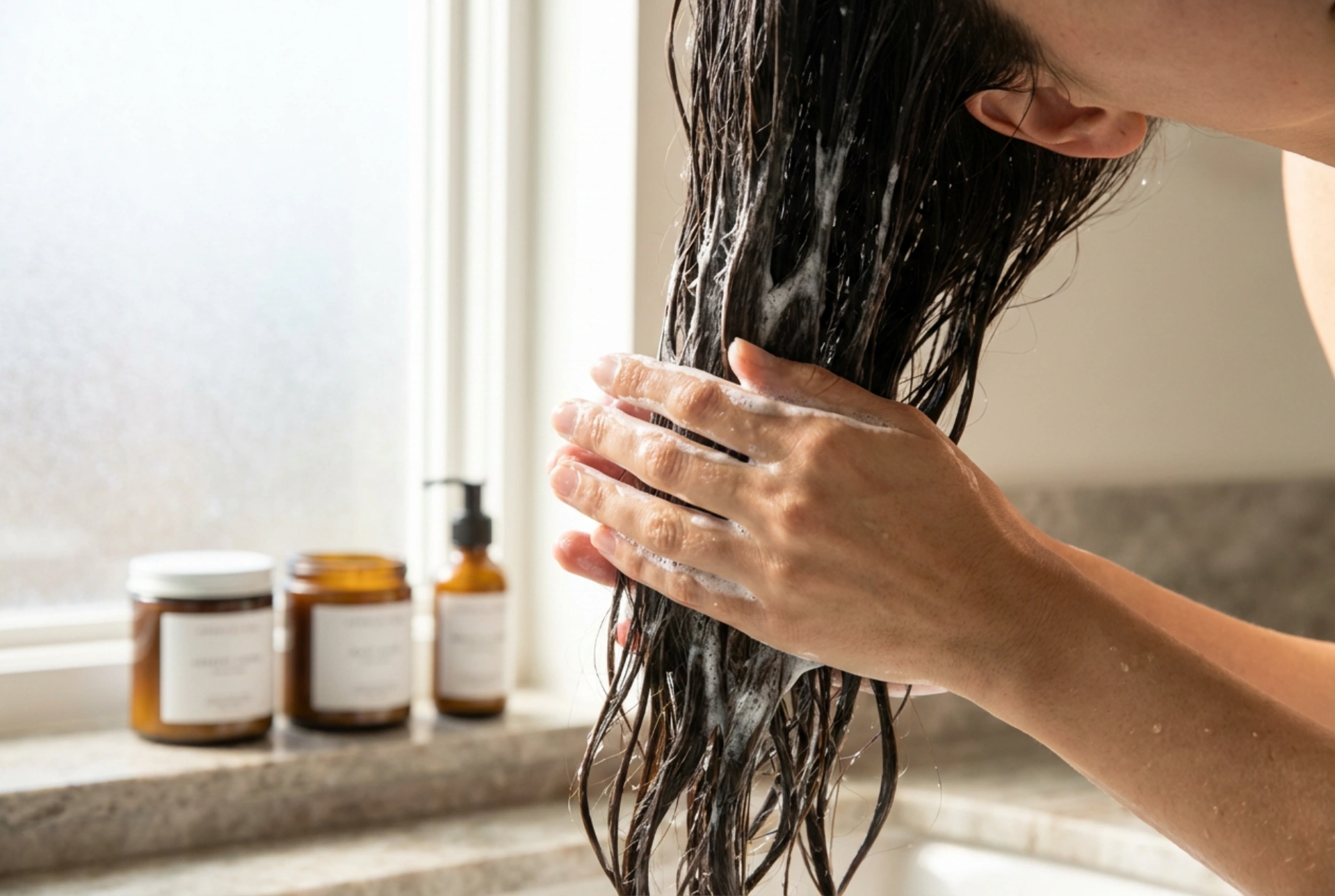


For many, the simple act of washing hair is more than just a cleansing routine; it is a moment of self-care and relaxation. Imagine a serene, light-filled bathroom where elegant hands gently massage a soft, creamy lather into wet hair, evoking a feeling of pure comfort and nourishment. However, when dealing with a sensitive scalp, this essential ritual can sometimes feel challenging. Choosing the right soothing shampoo and adopting gentle washing techniques are key to ensuring that every wash feels like a luxurious, irritation-free experience. By focusing on protective and calming care, you can maintain a fresh, healthy-looking scalp without any post-wash discomfort.
Understanding Sensitive Scalp Needs
A sensitive scalp requires a delicate touch and careful consideration of the products used during hair washing. Unlike normal skin, a sensitive scalp is more reactive to environmental factors, temperature changes, and product formulations. It often responds to standard cleansing routines with feelings of tightness, dryness, or general discomfort. Understanding these unique needs is the first step towards transforming your haircare routine into a comforting experience that respects your skin's natural balance.
The scalp's natural lipid barrier plays a crucial role in maintaining hydration and protecting the hair follicles from external stressors. When this barrier is compromised, moisture escapes more easily, making the skin vulnerable to external irritants. By focusing on gentle protection rather than harsh stripping, you can support this natural defence mechanism, ensuring your hair and scalp remain healthy and balanced.
The Role of a Soothing Shampoo
A high-quality soothing shampoo is specifically formulated to cleanse the hair effectively while maintaining the delicate equilibrium of the scalp. Unlike standard formulas that may contain strong cleansing agents, a gentle formula prioritises mildness and hydration. Here are some of the key features to look for in a comforting shampoo:
- Mild Cleansing Agents: Look for gentle surfactants that lift impurities and excess sebum without stripping away the essential natural oils.
- Moisturising Ingredients: Formulations enriched with hydrating agents help to replenish moisture levels, leaving both the skin and hair feeling soft and supple.
- Calming Botanical Extracts: Natural botanical ingredients provide a refreshing, nurturing sensation that eases tightness during and after washing.
- pH-Balanced Formulations: Shampoos that match the natural pH of the scalp help to keep the protective barrier intact, reducing the likelihood of post-wash discomfort.
Gentle Washing Techniques for Maximum Comfort
Even the most advanced soothing shampoo requires the right application technique to truly shine. The way you handle your hair and scalp during a wash can make a significant difference in how your skin feels afterwards. To achieve a professional, soothing experience at home, consider the following steps:
First, always use lukewarm water. Hot water can strip the scalp of its protective oils and trigger sensitivity, while excessively cold water might not cleanse as effectively. Once your hair is thoroughly wet, dispense a small amount of the soothing shampoo into your palms and work it into a delicate, creamy lather before applying it to your hair.
Next, use the soft pads of your fingertips rather than your fingernails to massage the product into your scalp. Use gentle, circular motions, starting from the hairline and working your way back. This not only cleanses efficiently but also stimulates microcirculation, promoting a sense of relaxation. Avoid aggressive rubbing, which can cause mechanical irritation to both the skin and the delicate hair shafts.
Post-Wash Care and Protection
The care does not end once the water is turned off. How you treat your hair after washing is equally important for maintaining a calm scalp. Start by gently squeezing out excess water with a soft, absorbent towel. Avoid rough drying or vigorous rubbing, as this can irritate the freshly washed skin and lead to hair breakage.
When it comes to styling, try to limit the direct application of high heat to your scalp. If using a hair dryer, select a cool or medium setting and keep the appliance at a safe distance. Allowing your hair to air-dry naturally whenever possible is a wonderful way to minimise stress on your scalp, letting it retain its natural moisture and balance.