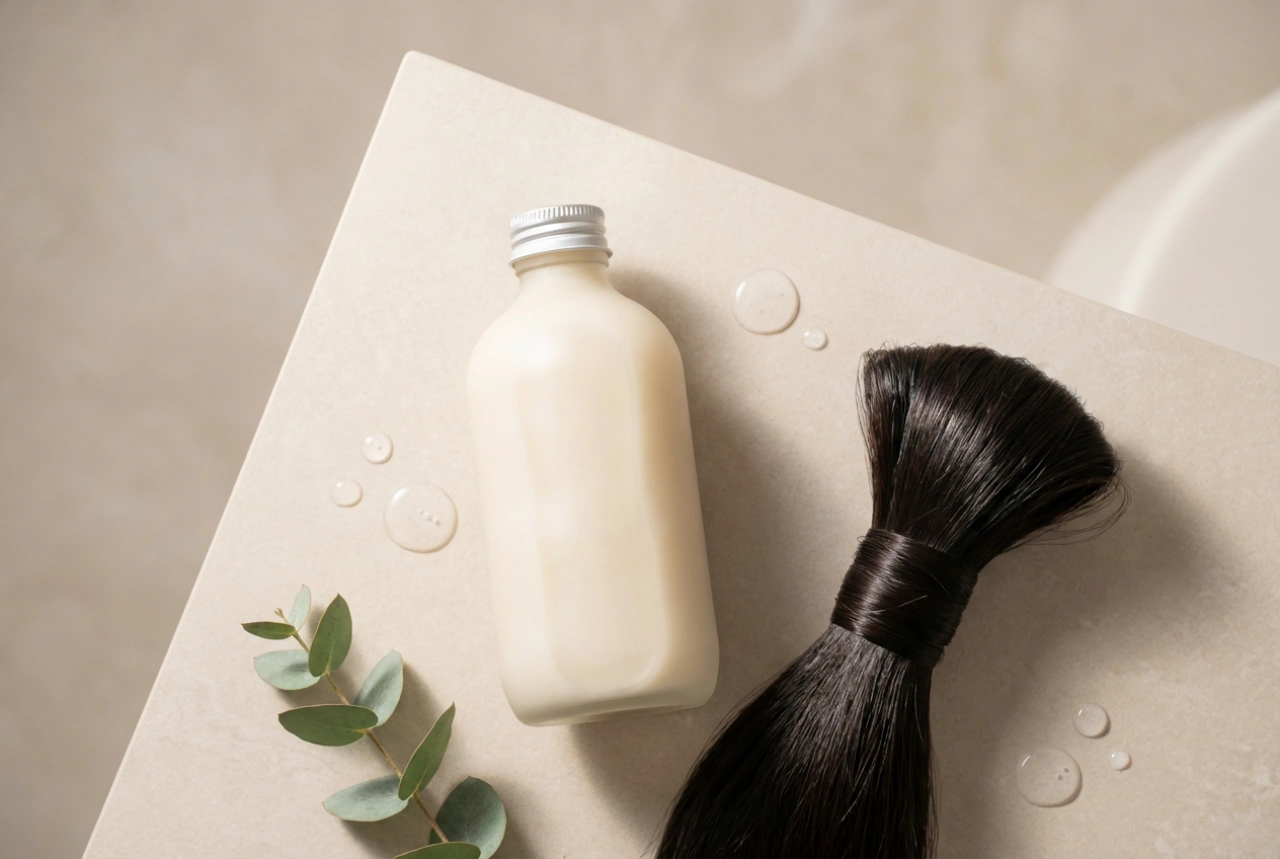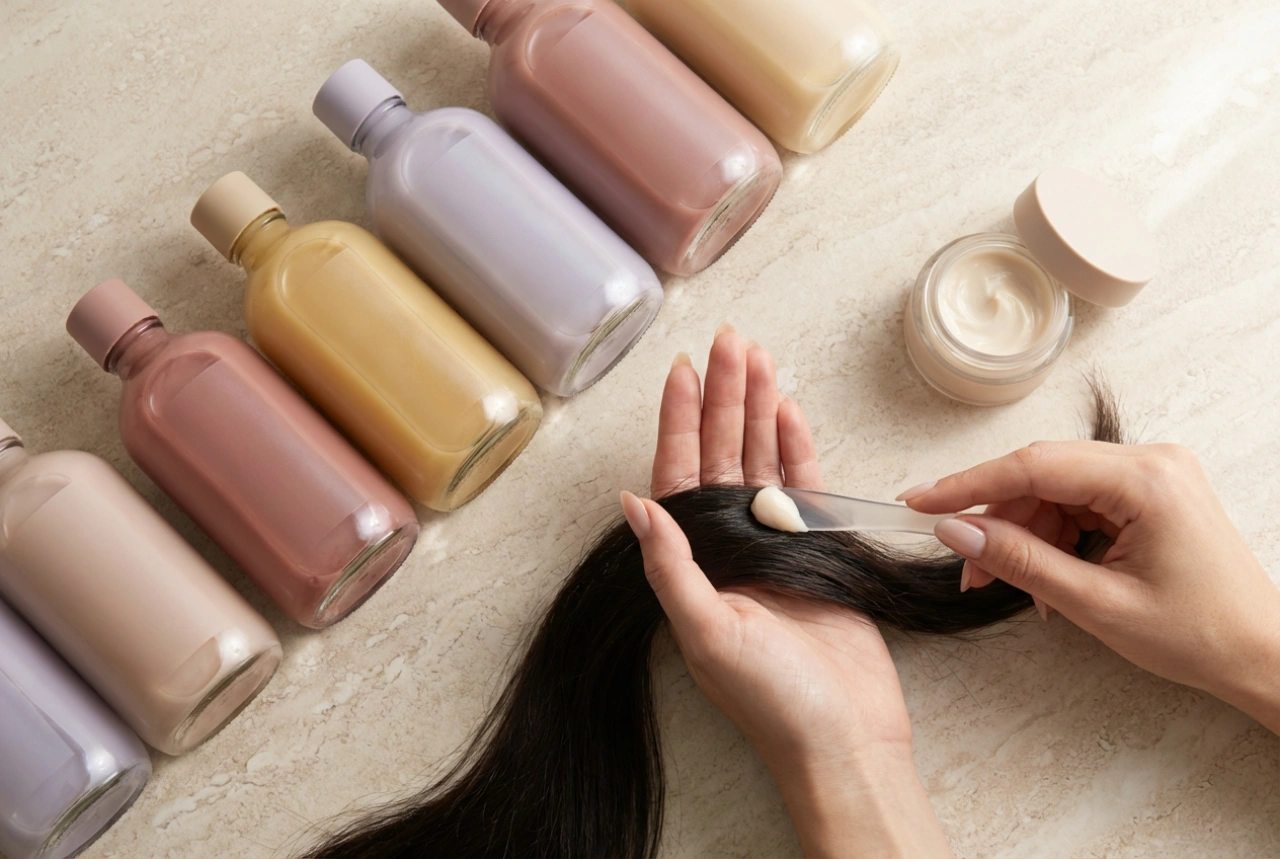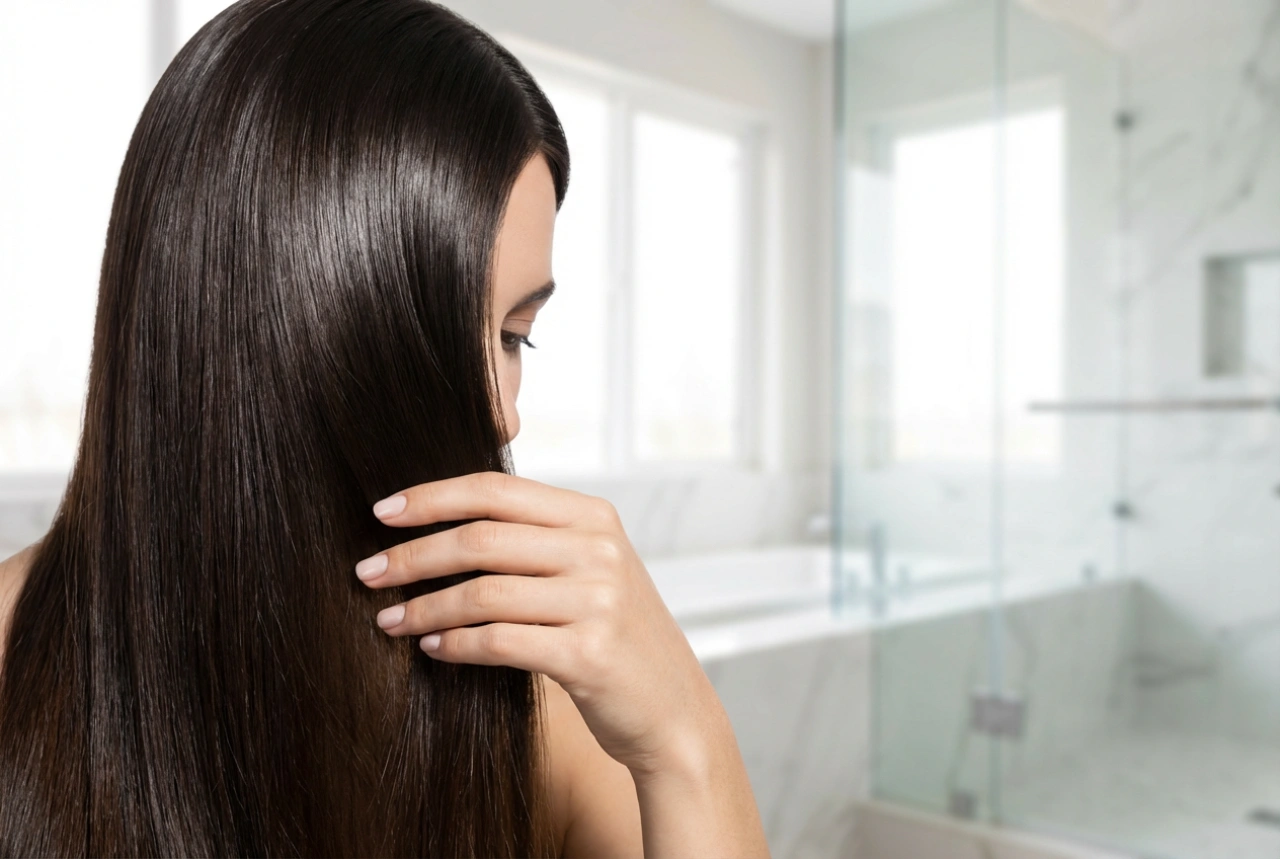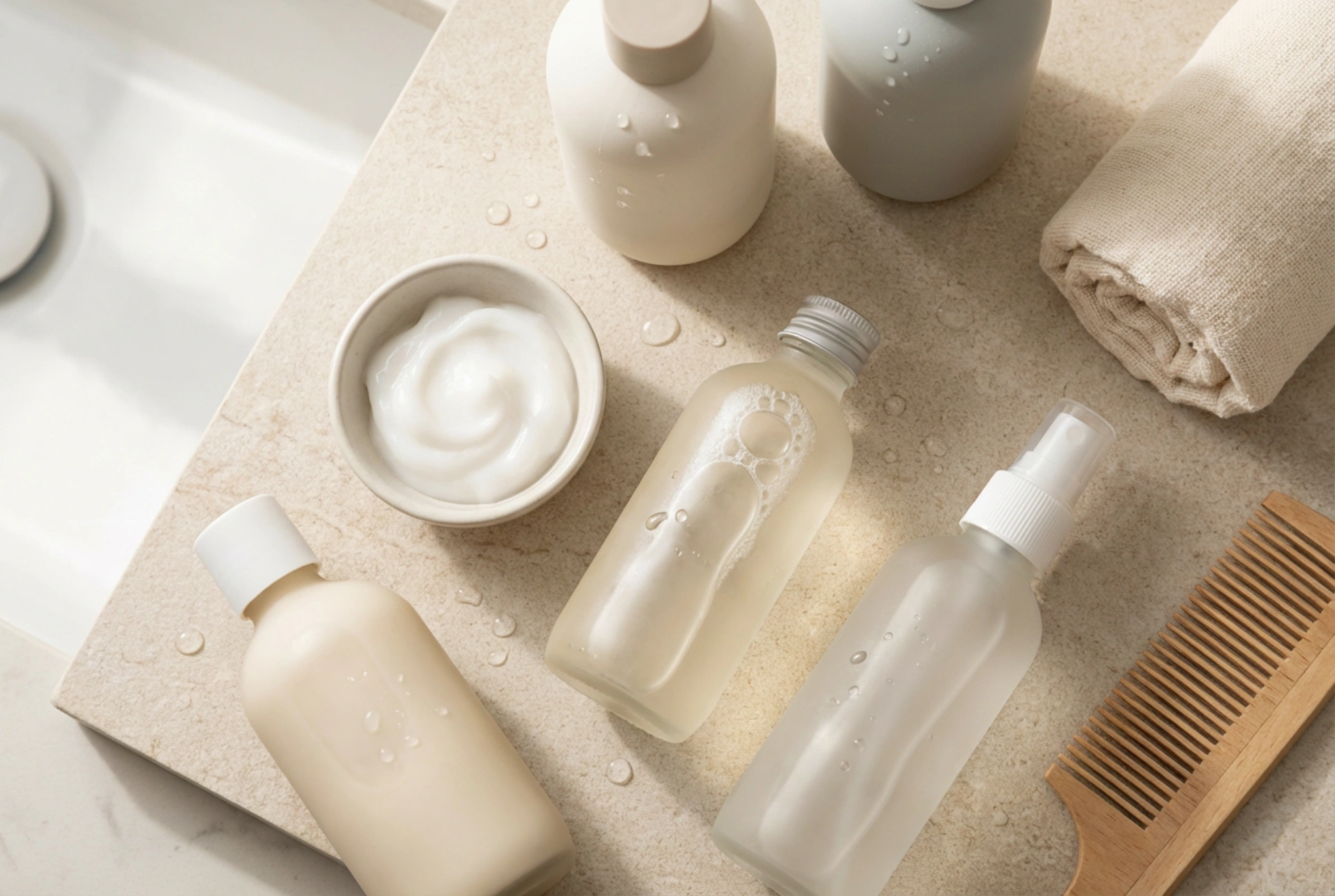


A thoughtful hair care routine often starts with understanding the unique needs of your hair strands. When observing a minimalist collection of gentle shampoos and creamy, nourishing conditioners arranged under soft, natural light, it becomes clear that simplicity and order can lead to exceptional results. One of the most effective and structured approaches to modern hair care is the OMO method. This technique has revolutionised how we approach washing, particularly for those with dry, frizzy, or damaged locks. By restructuring the washing process, it offers a protective shield that preserves moisture and enhances natural shine without weighing down the hair.
Understanding the OMO Hair Method
The acronym OMO stands for Condition-Wash-Condition (Odűywianie-Mycie-Odűywianie in its original terminology). This method is designed to minimise the stripping effects that standard shampoos can have on delicate hair lengths. Typically, conventional washing involves applying shampoo directly to the entire head, which can leave the older, more fragile ends of the hair dry, brittle, and prone to splitting. The OMO method introduces an extra step of conditioning before the shampoo even touches the hair, creating a protective barrier that seals in moisture while still allowing the scalp to be thoroughly cleansed.
The Core Benefits of the OMO Routine
Incorporating this method into your weekly beauty routine offers several distinct advantages. Firstly, it provides intense hydration. By applying conditioner twice, the hair fibre receives a double dose of nourishing ingredients, which is particularly beneficial for high-porosity, curly, or chemically treated hair. Secondly, it protects the hair during the washing process. Shampoos contain cleansing agents that are excellent for the scalp but can be too harsh for the ends; the first layer of conditioner acts as a shield, preventing these cleansing agents from drying out the lengths. Lastly, it helps control frizz and static, leaving the hair looking smoother, shinier, and much easier to detangle after washing.
Step-by-Step Guide to the OMO Method
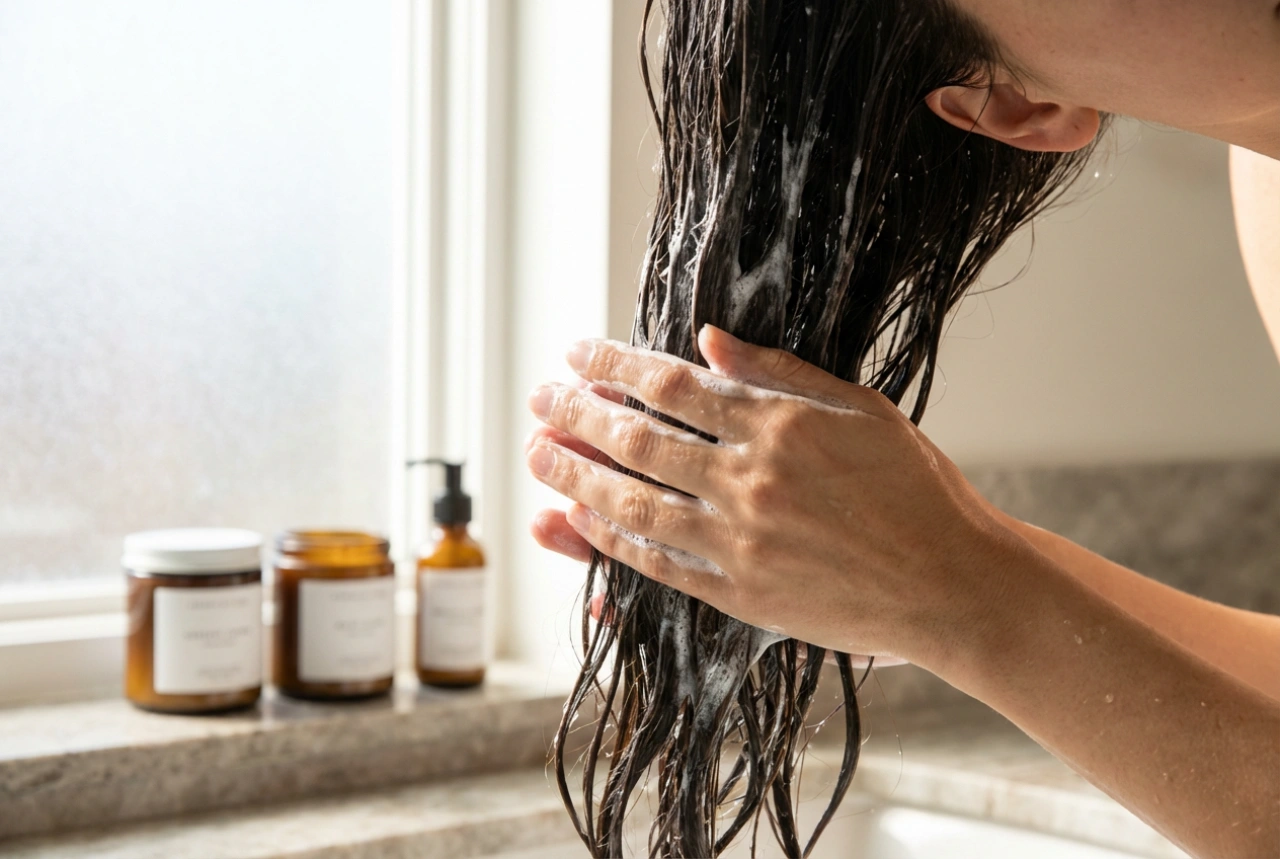
To get the most out of this routine, it is essential to follow the steps in the correct order. Start by thoroughly wetting your hair with lukewarm water. Next, apply the first conditioner from the ears down to the very ends of your hair. This conditioner should be applied to wet, unwashed hair and left on. Without rinsing this first layer off, apply a small amount of gentle shampoo directly to your scalp. Massage the scalp gently to create a lather, allowing the foam to run down the conditioned lengths of your hair as you rinse. The combination of the shampoo foam and the first conditioner will cleanse the lengths without stripping them. Rinse everything out thoroughly with water. Finally, apply the second conditioner to the damp lengths, leave it on for a few minutes to deeply nourish the strands, and then rinse thoroughly with cool water to close the hair cuticles.
How to Select the Perfect Products
The success of the OMO method relies heavily on choosing the right products based on the PEH (Proteins, Emollients, and Humectants) balance. For the first step, a lighter conditioner is ideal. Look for products rich in humectants (like aloe vera, glycerin, or honey) or light proteins (like silk or wheat proteins) that can penetrate the hair shaft easily. The shampoo should be gentle and free from harsh sulphates, focusing primarily on cleansing the scalp. For the final step, a richer, emollient-based conditioner or mask is recommended. Ingredients such as natural oils, shea butter, or fatty alcohols help to seal the moisture delivered in the previous steps, smoothing the hair cuticle and providing a sleek, shiny finish.
Adjusting the Routine to Your Hair Type
While the OMO method is highly versatile, it can be customised to suit different hair types. Those with very fine hair may find that using heavy conditioners twice weighs their hair down; in this case, opting for ultra-light formulas for both conditioning steps is key. Conversely, individuals with thick, curly, or extremely dry hair can benefit from richer formulas and may even incorporate a deep conditioning mask as the final step. It is also important to observe how your hair responds over time, adjusting the frequency of the method to maintain a healthy balance of strength and moisture.
Tips for Best Results and Common Mistakes
When starting with the OMO method, consistency is key, but it is equally important to avoid common pitfalls. One frequent mistake is using too much product, which can lead to buildup and leave the hair looking limp. Always start with a small amount of conditioner and build up if necessary. Another mistake is failing to rinse the hair thoroughly; ensure that both the shampoo and the final conditioner are completely washed out, unless you are using a dedicated leave-in product at the very end of your routine. Additionally, remember that while OMO is highly beneficial, you may still need to use a stronger, clarifying shampoo once every few weeks to deeply cleanse the scalp and remove any stubborn product accumulation.