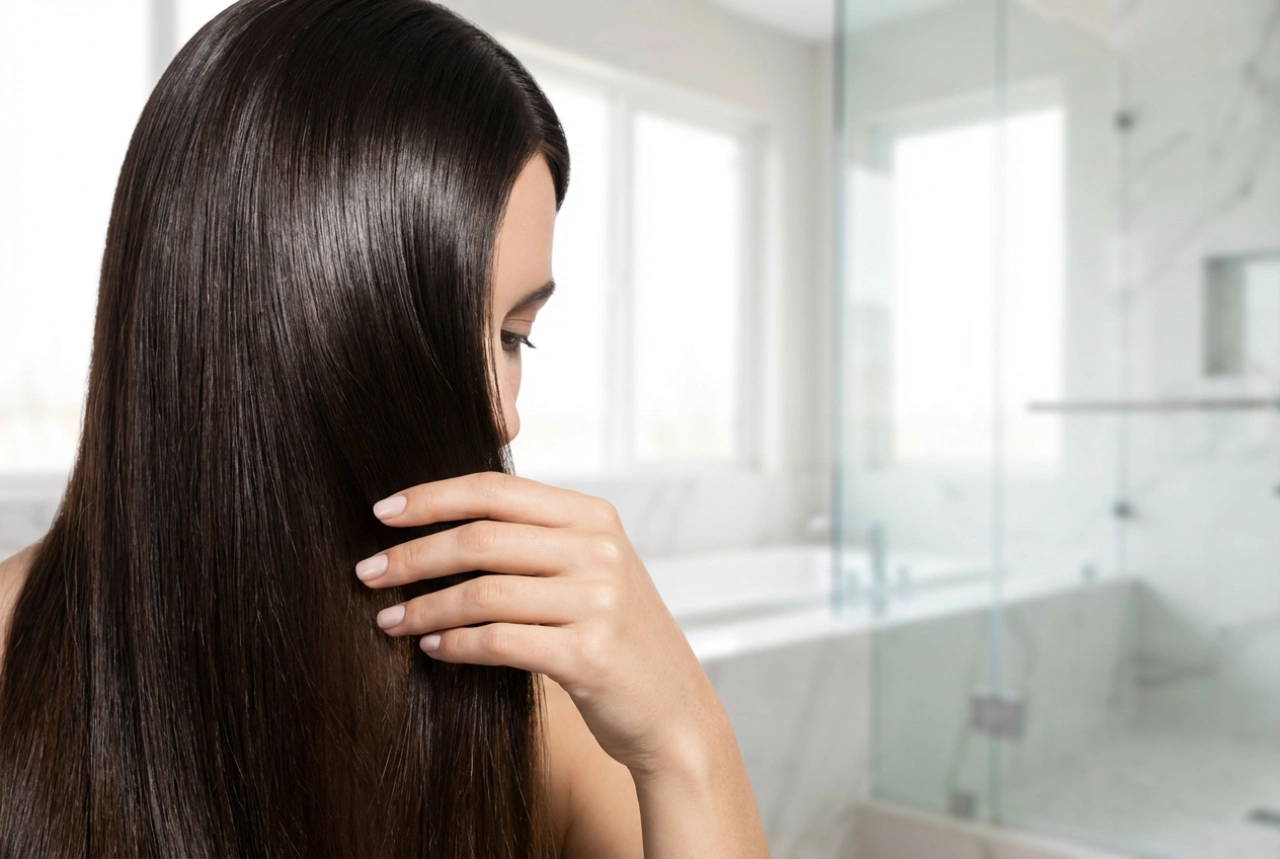


Achieving a sense of clean balance for your hair begins at the root. Many people struggle with a scalp that quickly becomes oily, leading to hair that feels limp and heavy, sometimes just hours after washing. Understanding the nature of an oily scalp and adopting the right care routine can make a significant difference, helping you maintain that fresh, clean feeling for longer. It’s not about fighting your scalp, but about working with it to restore a comfortable equilibrium.
Understanding the Causes of an Oily Scalp
An oily scalp is the result of overactive sebaceous glands, which are tiny glands in the skin that produce an oily, waxy substance called sebum. Sebum is essential for keeping the skin and hair moisturised and protected. However, when it's produced in excess, it can lead to a greasy appearance and feel. Several factors can contribute to this overproduction, and it’s often a combination of them. Your genetic makeup plays a significant role, as does your hormonal state, which can fluctuate throughout life. External factors also have an impact; for instance, using overly harsh hair care products can strip the scalp of its natural oils, triggering a "rebound effect" where the glands produce even more sebum to compensate.
Choosing the Right Shampoo for an Oily Scalp
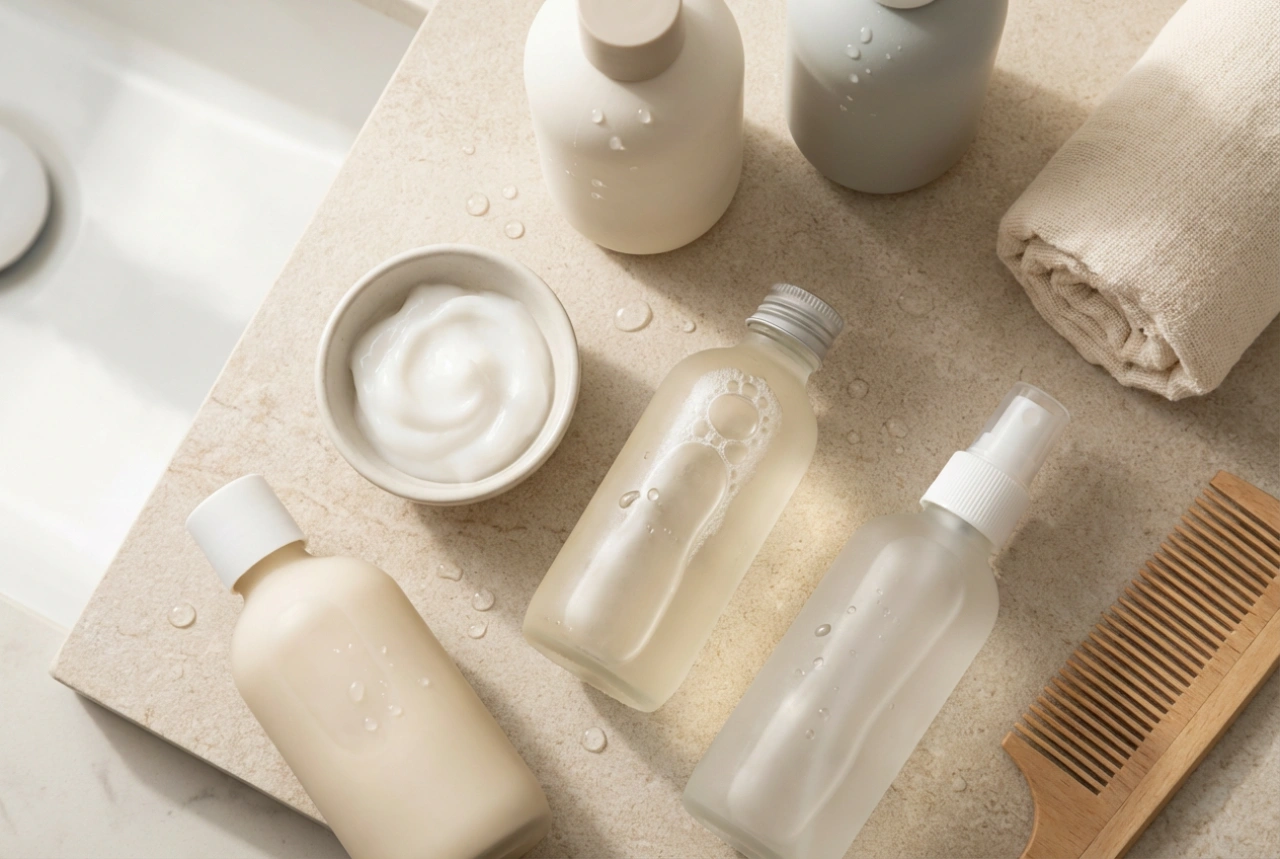
Selecting an appropriate shampoo is a crucial step in managing an oily scalp. The goal is to cleanse away excess sebum and product build-up without stripping the scalp and causing irritation. Look for products specifically formulated for oily hair or for rebalancing the scalp.
Helpful Ingredients to Look For
When reading ingredient lists, certain components can be particularly beneficial for regulating oiliness. Opt for shampoos with mild, gentle cleansing agents. Ingredients that help absorb excess oil can also be very effective. These include:
- Cosmetic clays, such as kaolin or bentonite, which are known for their absorbent properties.
- Botanical extracts like nettle, sage, rosemary, or witch hazel, which have been traditionally used in cosmetics for their refreshing and purifying qualities.
- Mild acids that can help gently exfoliate the scalp and keep follicles clear of build-up.
Ingredients to Use with Caution
Just as important as what to look for is what to avoid. Heavy, intensely moisturising shampoos are generally not suitable for oily scalps. Be mindful of products containing heavy silicones or rich oils, as these can weigh the hair down and contribute to a greasy feeling. While very strong detergents can provide an initial super-clean feeling, they can also be overly drying, potentially leading to increased oil production over time. It's about finding a gentle yet effective balance.
The Correct Washing and Conditioning Technique
How you wash your hair is just as important as the product you use. A proper technique ensures you get the maximum benefit from your shampoo without overstimulating your scalp.
Frequency and Temperature
The myth that washing hair daily makes it greasier is not entirely true. For those with very oily scalps, daily washing with a gentle, balancing shampoo can be necessary to keep the hair and scalp feeling fresh and clean. The key is to listen to your hair and scalp's needs. Always use lukewarm water. Hot water can stimulate the sebaceous glands to produce more oil and can also be irritating to the scalp.
Application Method
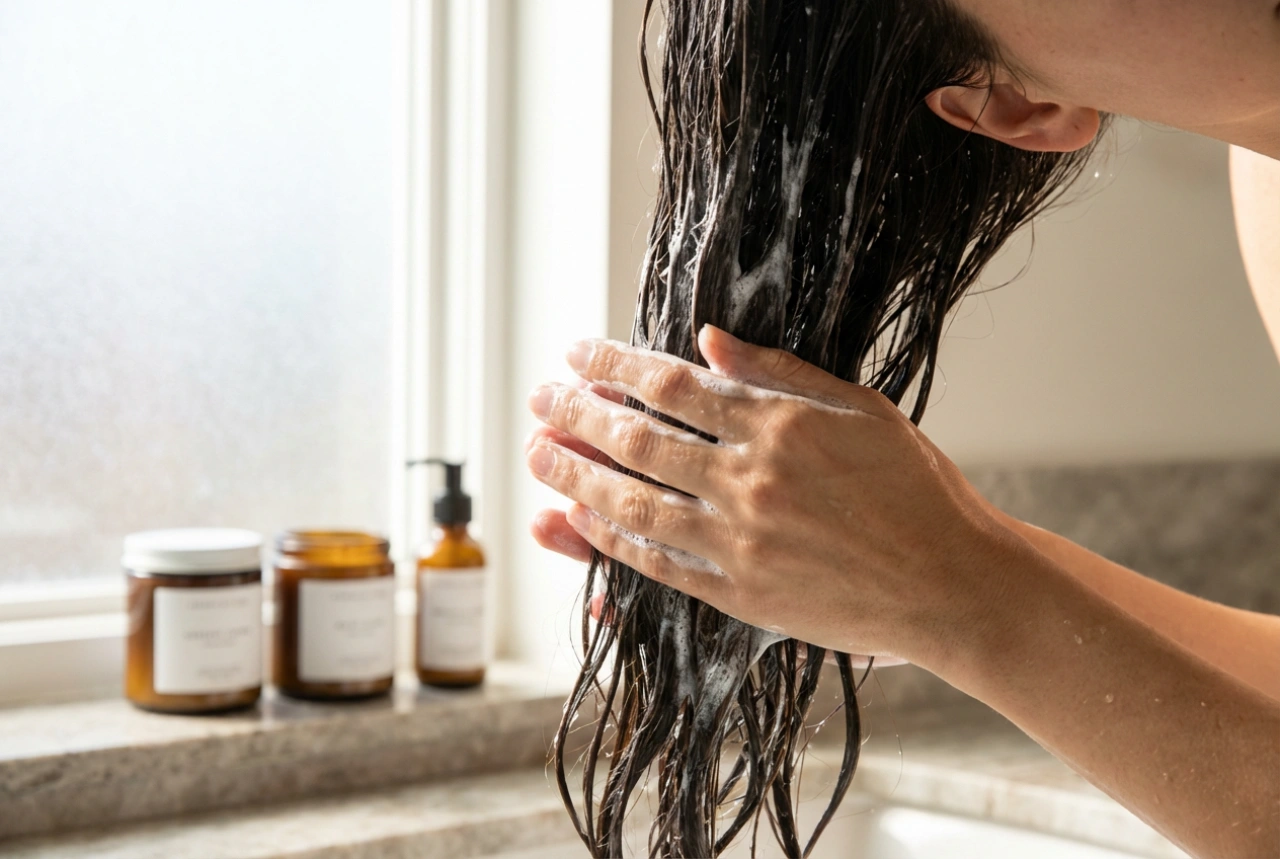
When you wash your hair, concentrate the shampoo on the scalp. You don't need to apply large amounts of shampoo to the lengths of your hair; the lather that rinses down is usually sufficient to clean them. Use your fingertips—not your nails—to gently massage the shampoo into your scalp in circular motions. This helps to lift away oil and debris without being too abrasive. Rinse thoroughly to ensure no residue is left behind, as this can weigh hair down and attract dirt.
Conditioning an Oily Scalp
People with oily hair often skip conditioner, fearing it will make the problem worse. However, the ends of the hair, especially if it's long, still need moisture. The solution is to apply conditioner strategically. Work a small amount of a lightweight conditioner through the mid-lengths and ends only, avoiding the scalp and root area completely. Let it sit for a minute or two before rinsing it out completely.
Extra Tips for Maintaining a Balanced Scalp
Beyond your washing routine, a few simple habits can help manage an oily scalp. Try to avoid touching your hair and scalp frequently, as your fingers can transfer oils and dirt. Keep your hairbrushes and combs clean by washing them regularly with a little shampoo and water to remove trapped oil, hair, and product residue. Be mindful of styling products, applying them away from the roots where possible. Occasionally using a clarifying shampoo or a gentle cosmetic scalp scrub can also help to deeply cleanse and remove any persistent build-up, giving your scalp a fresh start.