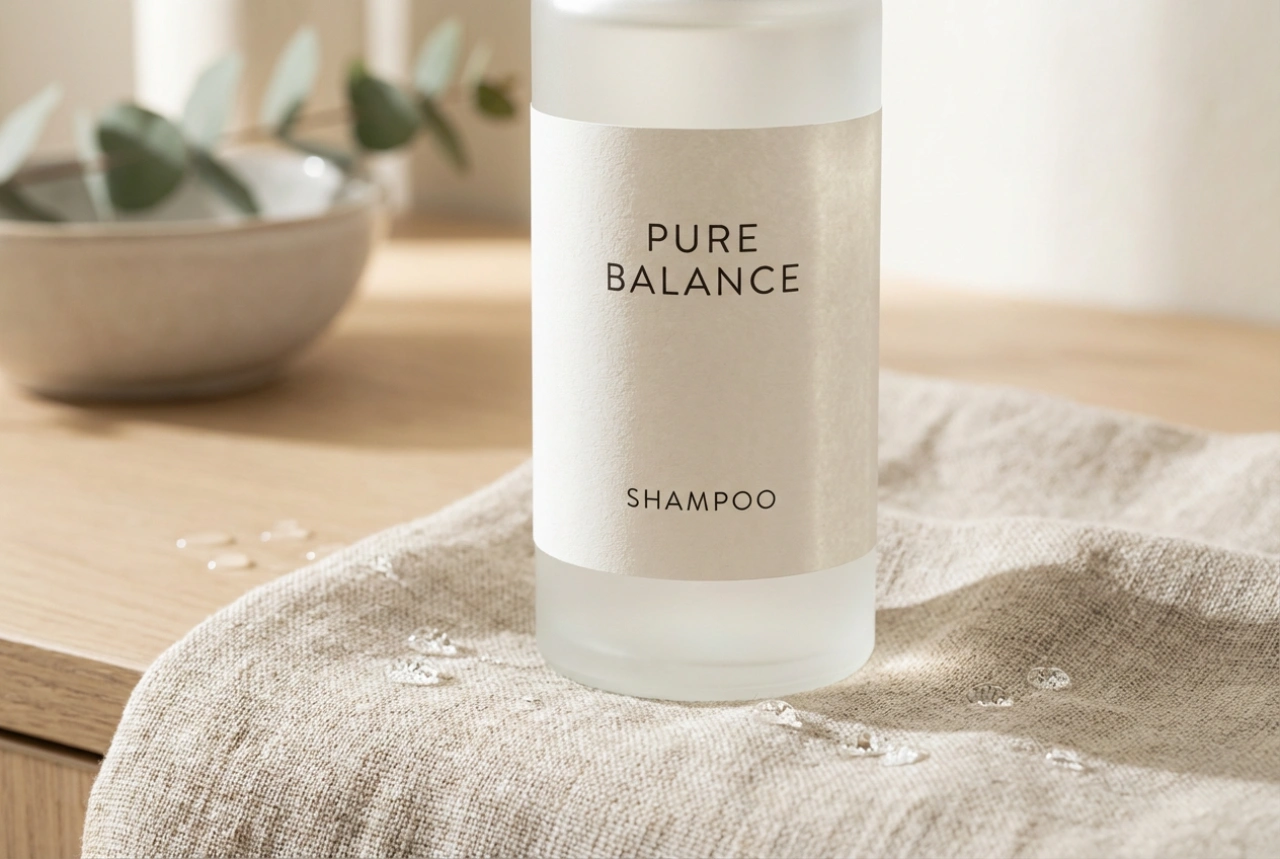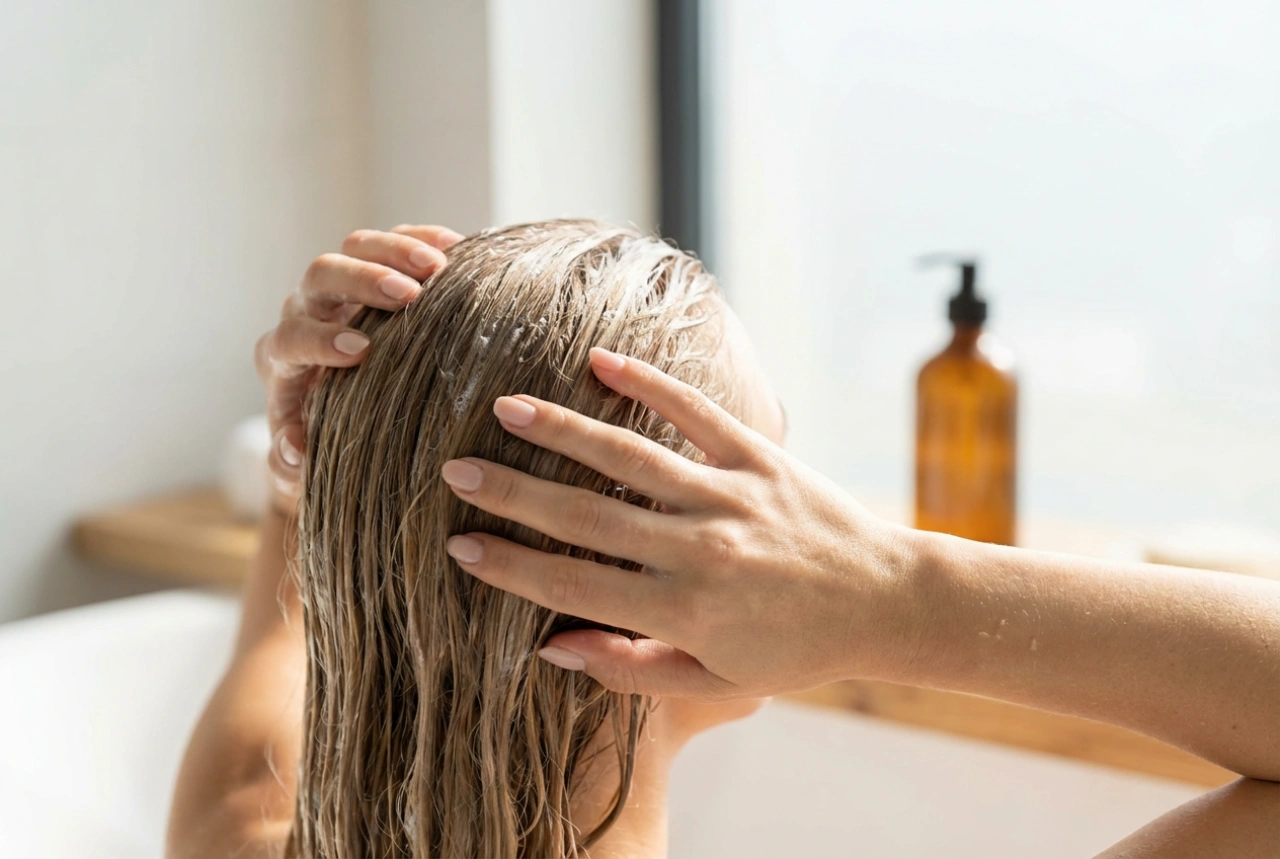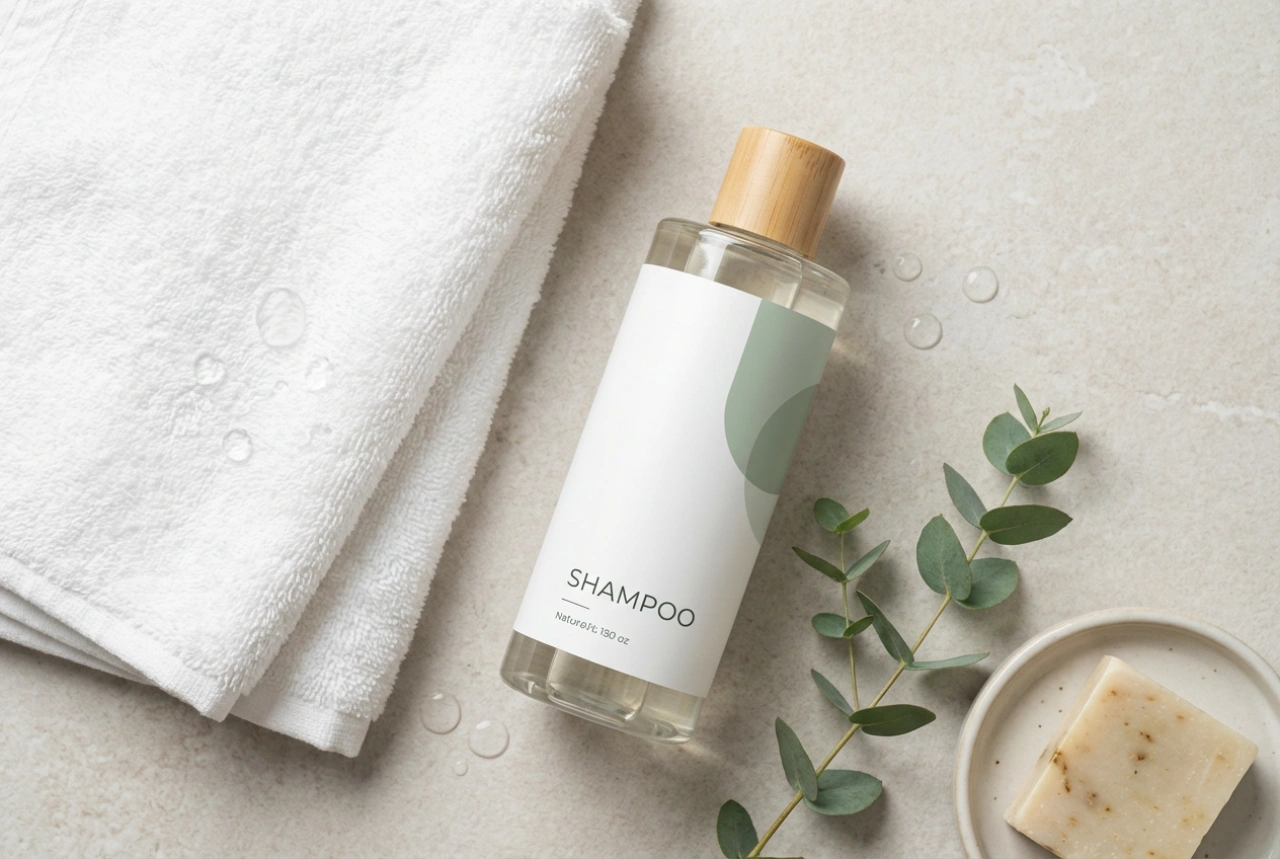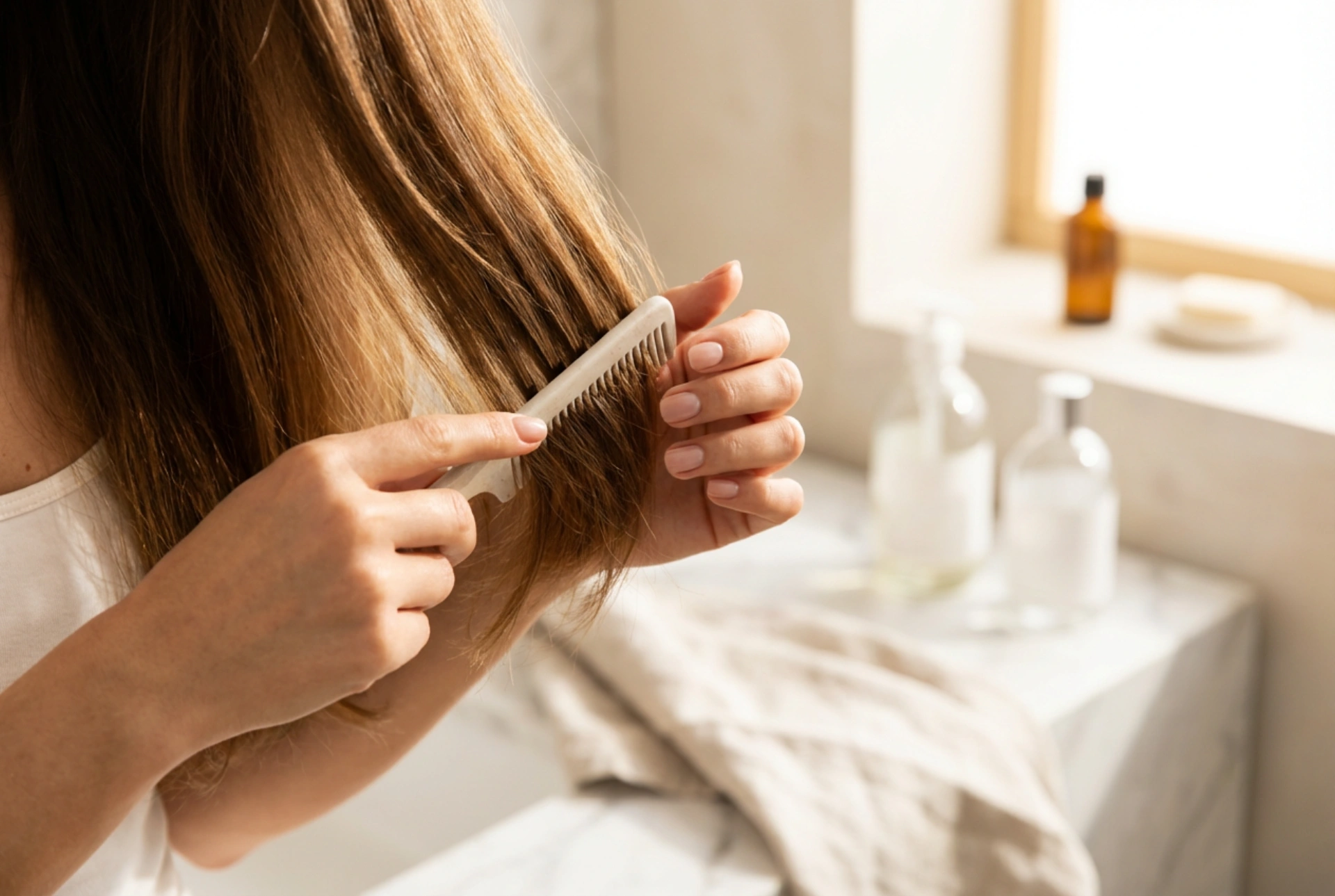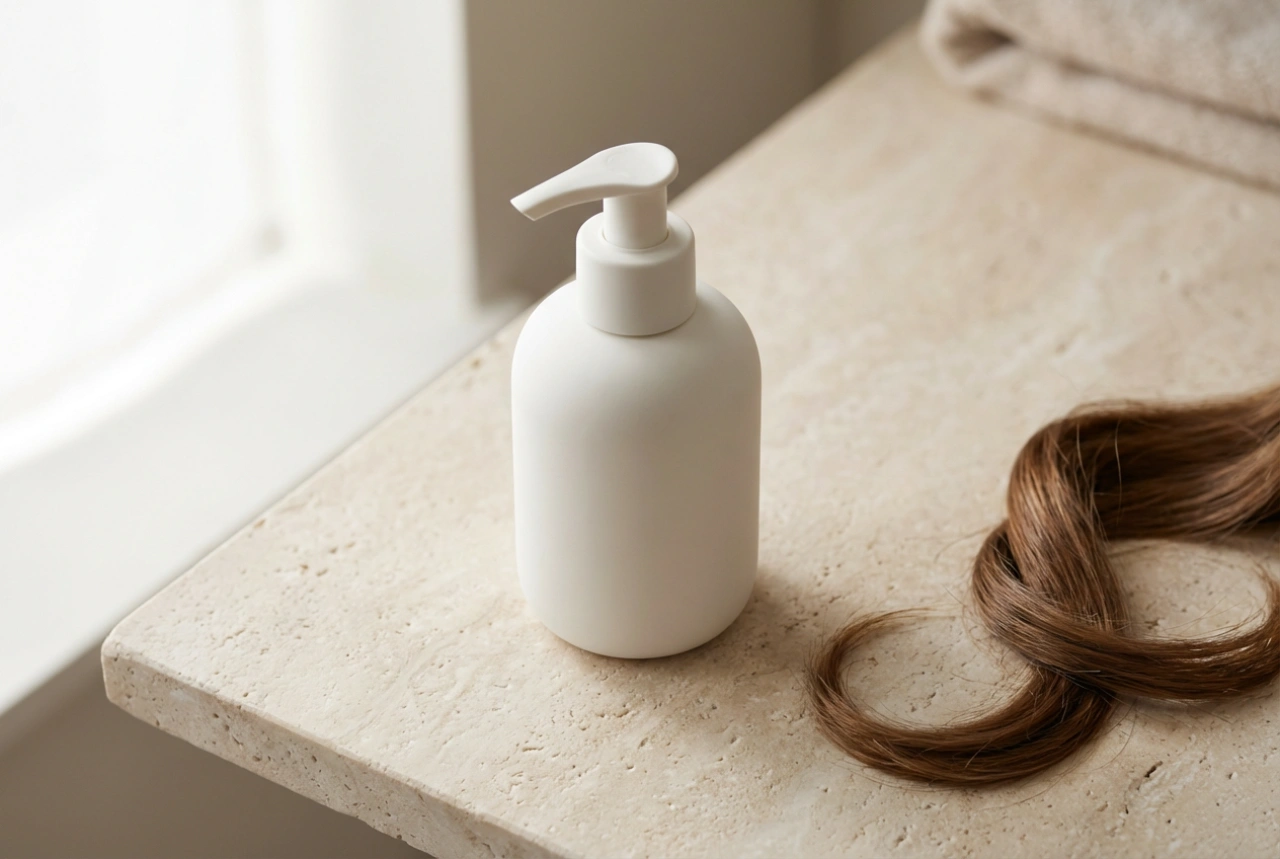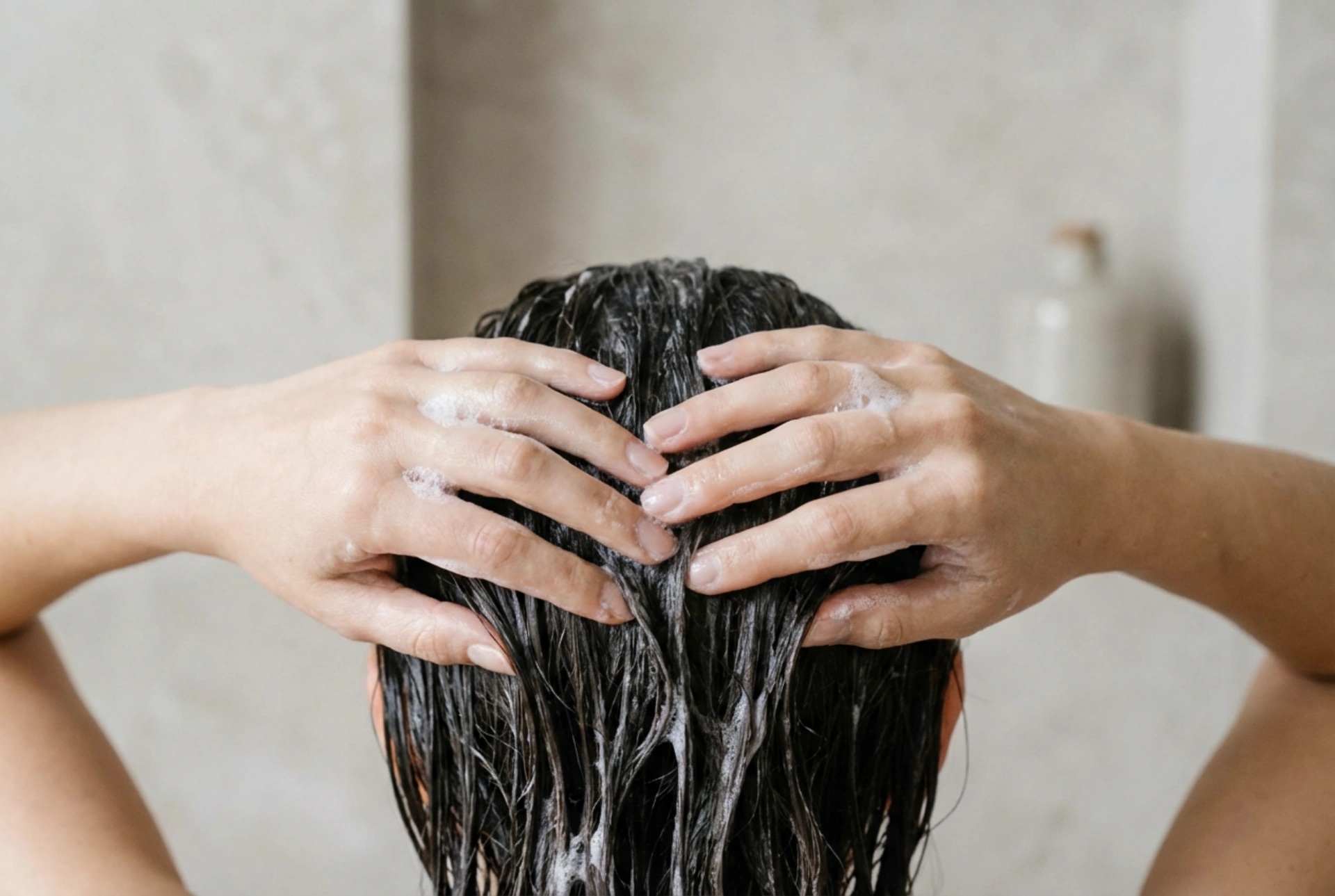


The foundation of any effective hair care routine begins with a simple, yet crucial, step: cleansing. The image of hands gently working a soft lather into the hair evokes a sense of care and ritual. Choosing the right shampoo is paramount, and for many, a gentle formula is the key to maintaining hair health and scalp balance. Understanding what makes a shampoo 'gentle' and how to use it correctly can transform your daily wash into a truly restorative experience, ensuring your hair remains clean, soft, and resilient without being stripped of its natural protection.
What Characterises a Gentle Shampoo?
A gentle shampoo is defined by its ability to cleanse effectively without causing irritation or stripping the hair and scalp of their natural oils. Unlike stronger formulas designed to remove heavy product build-up, mild shampoos use gentler cleansing agents. These ingredients create a softer lather and are less likely to disrupt the scalp's delicate moisture barrier. The goal is to lift away dirt, excess sebum, and styling residues while respecting the hair's integrity. Many gentle formulas are also pH-balanced to match the natural acidity of the scalp and hair, which helps to keep the hair cuticle smooth and protected. They often incorporate soothing and hydrating ingredients like plant extracts or moisturising agents to further support a calm scalp and soft strands.
How to Spot a Mild Formula
Identifying a gentle shampoo doesn't require a degree in chemistry. You can often find clues right on the packaging and by observing the product itself. Here are some practical tips:
- Look for descriptive keywords: Brands often label these products clearly. Look for terms such as 'gentle', 'mild', 'for daily use', 'for sensitive scalps', or 'soothing'. These descriptions indicate the product is formulated for less intensive cleansing.
- Consider the lather: While not a definitive rule, many very gentle shampoos produce a less abundant, creamier foam compared to their heavy-duty counterparts. A mountain of bubbles often comes from strong detergents that might be too harsh for frequent use.
- Observe the appearance: Many mild shampoos have a clear, pearlescent, or milky appearance. Again, this is not a universal indicator, but very strong clarifying shampoos are often completely transparent.
- Focus on the purpose: If a shampoo is marketed for 'deep cleansing' or 'removing build-up', it's likely a stronger formula intended for occasional use. For everyday washing, stick to products designed for that frequency.
The Art of Gentle Hair Washing
Even the mildest shampoo can be rendered less effective or even harsh if used improperly. The technique you use is just as important as the product you choose. Adopting a gentle washing method will maximise the benefits of your shampoo and protect your hair from mechanical damage.
Step 1: Thorough Preparation
Before applying any shampoo, make sure your hair is completely saturated with lukewarm water. Hot water can strip oils and stimulate excess sebum production, while cold water may not be as effective at dissolving dirt. Wetting the hair thoroughly allows the shampoo to distribute evenly and lather more easily, meaning you can use less product.
Step 2: Application and Massage
Instead of applying shampoo directly to your hair, dispense a small amount into your palms and rub them together to create a light lather. This helps with even distribution. Focus the application on the scalp, as this is where most oil and dirt accumulate. Use your fingertips (not your nails) to gently massage your scalp in circular motions for a minute or two. This stimulates circulation without causing scratches or irritation. The lather that rinses down the lengths of your hair is usually sufficient to cleanse them without needing to scrub the ends directly, which can lead to dryness and breakage.
Step 3: Rinsing and Conditioning
Rinse your hair meticulously until the water runs completely clear. Any leftover shampoo residue can weigh hair down and potentially irritate the scalp. If you use a lot of styling products or have gone several days between washes, a second, smaller application of shampoo may be beneficial. Always follow up with a suitable conditioner, focusing its application on the mid-lengths and ends to restore moisture and seal the hair cuticle.
Is a Gentle Shampoo Right for You?
While almost anyone can benefit from using a gentle shampoo, certain hair types and habits make it an especially wise choice. Consider switching to a milder formula if you identify with any of the following:
- You wash your hair daily or every other day.
- You have fine hair that is easily weighed down.
- Your hair is colour-treated, as harsh shampoos can strip colour faster.
- Your hair or scalp tends to feel dry and tight after washing.
- You have a sensitive scalp that is prone to feeling uncomfortable.
- Your hair is naturally dry, curly, or textured.