

Achieving sleek, healthy-looking hair often comes down to finding the right products for your specific hair type. For those with low porosity hair, this can be a particular challenge. Conditioners might seem to sit on the surface rather than soaking in, leaving hair feeling greasy or weighed down instead of soft and moisturised. Understanding the unique nature of low porosity hair is the first step towards selecting an effective conditioner and applying it in a way that truly benefits your strands.
What Characterises Low Porosity Hair?
Low porosity hair has a tightly bound cuticle layer with overlapping scales that lay flat. This structure makes it difficult for water and conditioning ingredients to penetrate the hair shaft. While this means the hair is good at retaining moisture once it's there, getting it moisturised in the first place is the main hurdle. Key signs of low porosity hair include:
- Products tend to sit on top of the hair, creating build-up.
- Water droplets bead up on the hair shaft instead of being absorbed.
- Hair takes a long time to get fully wet in the shower.
- It is generally resistant to chemical processes and styling.
Because of this resistance to absorption, choosing a conditioner with the right formulation is crucial to avoid build-up and ensure your hair gets the hydration it needs.
The Ideal Conditioner: What Ingredients to Look For
The goal for low porosity hair is to find a conditioner that is moisturising yet lightweight enough to penetrate the cuticle without creating a heavy film. Look for formulations that prioritise smaller molecules and avoid heavy, film-forming ingredients.
Light Moisturisers and Humectants
Humectants are ingredients that attract water from the atmosphere into the hair shaft. For low porosity hair, lighter humectants are ideal as they provide moisture without the weight. Good examples to look for on an ingredient list include glycerin, aloe vera, panthenol (pro-vitamin B5), and sorbitol. These will help hydrate the hair from within once they manage to penetrate the cuticle.
Lightweight Oils
While heavy oils and butters will likely sit on the surface, certain lightweight oils have a smaller molecular structure that allows for better penetration. These oils can seal in the moisture provided by humectants without weighing the hair down. Seek out conditioners containing oils such as:
- Grapeseed oil
- Argan oil
- Jojoba oil
- Sweet almond oil
Small-Molecule Proteins
Low porosity hair can be protein-sensitive, meaning too much protein can cause it to become stiff and brittle. However, small amounts of the right kind of protein can help strengthen the hair. Look for hydrolysed proteins, such as hydrolysed silk protein or hydrolysed keratin. The hydrolysation process breaks the protein molecules down into smaller pieces that can more easily access the hair shaft.
Application Techniques for Maximum Absorption
How you apply your conditioner is just as important as the product you choose. Using the right techniques can significantly improve how well the product is absorbed by your resistant strands.
Apply to Damp, Not Soaking Wet Hair
After shampooing, gently squeeze the excess water from your hair with your hands or a microfibre towel. If your hair is already saturated with water, there's less room for the conditioner to penetrate. Applying it to damp hair gives it a better chance to be absorbed.
Use Warmth to Your Advantage
Warmth gently encourages the hair cuticles to lift, allowing the conditioner to enter the hair shaft more effectively. Apply your conditioner in a warm, steamy shower. For a deeper treatment, cover your hair with a shower cap or a warm towel after applying the conditioner and let it sit for 5-10 minutes before rinsing. The trapped heat will boost its performance.
Consider Dilution and Emulsification
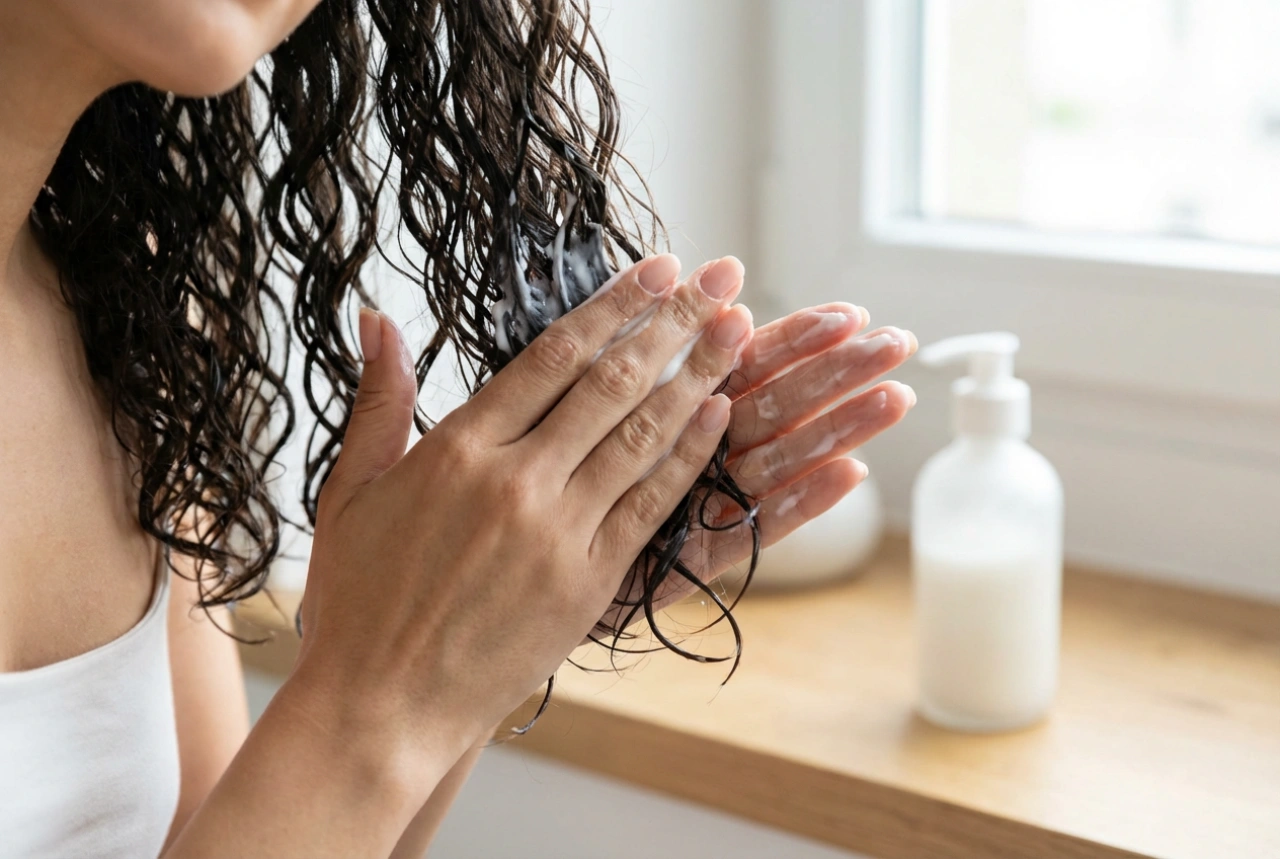
If you find that even lightweight conditioners are too heavy, try diluting them. Mix your conditioner with a small amount of warm water in your palm before applying it. This makes the product less viscous and easier to spread. Emulsifying the product by rubbing it vigorously between your palms also helps to create a lighter consistency that distributes more evenly.
Common Mistakes to Avoid
To keep your low porosity hair at its best, be mindful of common pitfalls. Avoid using excessive amounts of product; a 'less is more' approach often works best. Steer clear of heavy butters like shea butter and thick oils like castor oil in your regular rinse-out conditioners, as they are notorious for causing build-up. Finally, ensure you rinse your hair thoroughly with lukewarm water to remove any excess product, which will help keep your hair feeling light, clean, and properly moisturised.