

A hair mask is a fantastic way to provide your hair with a dose of intense nourishment and hydration. It's a cornerstone of any effective hair care routine, offering benefits that go beyond your daily conditioner. However, to truly unlock its potential, it’s essential to apply it correctly. Proper application ensures that every strand receives the nourishment it needs, transforming your hair from dull to dazzling. Let's explore the best practices for using a hair mask to achieve salon-worthy results at home.
Preparing Your Hair for the Treatment
The first step to a successful mask treatment is preparation. Think of it as creating a clean canvas for the nourishing ingredients to work their magic. You should always apply a hair mask to clean, damp hair for the best absorption and results.
- Wash Your Hair First: Start by washing your hair with a gentle shampoo suitable for your hair type. This removes any product build-up, dirt, and excess oils, allowing the mask's ingredients to penetrate the hair shaft more effectively.
- Towel-Dry Gently: After washing, gently squeeze out the excess water. Your hair should be damp, not dripping wet. If it's too wet, the mask can become diluted and less effective. If it's too dry, it can be difficult to distribute the product evenly. Pat it with a soft towel until it's about 60-70% dry.
- Detangle with Care: Before applying the mask, gently detangle your hair using a wide-tooth comb or your fingers. This prevents breakage during application and ensures the mask can be spread smoothly through every strand.
The Art of Application
Even application is key to ensuring every part of your hair benefits from the treatment. Taking your time with this step will significantly improve the outcome.
Sectioning and Quantity
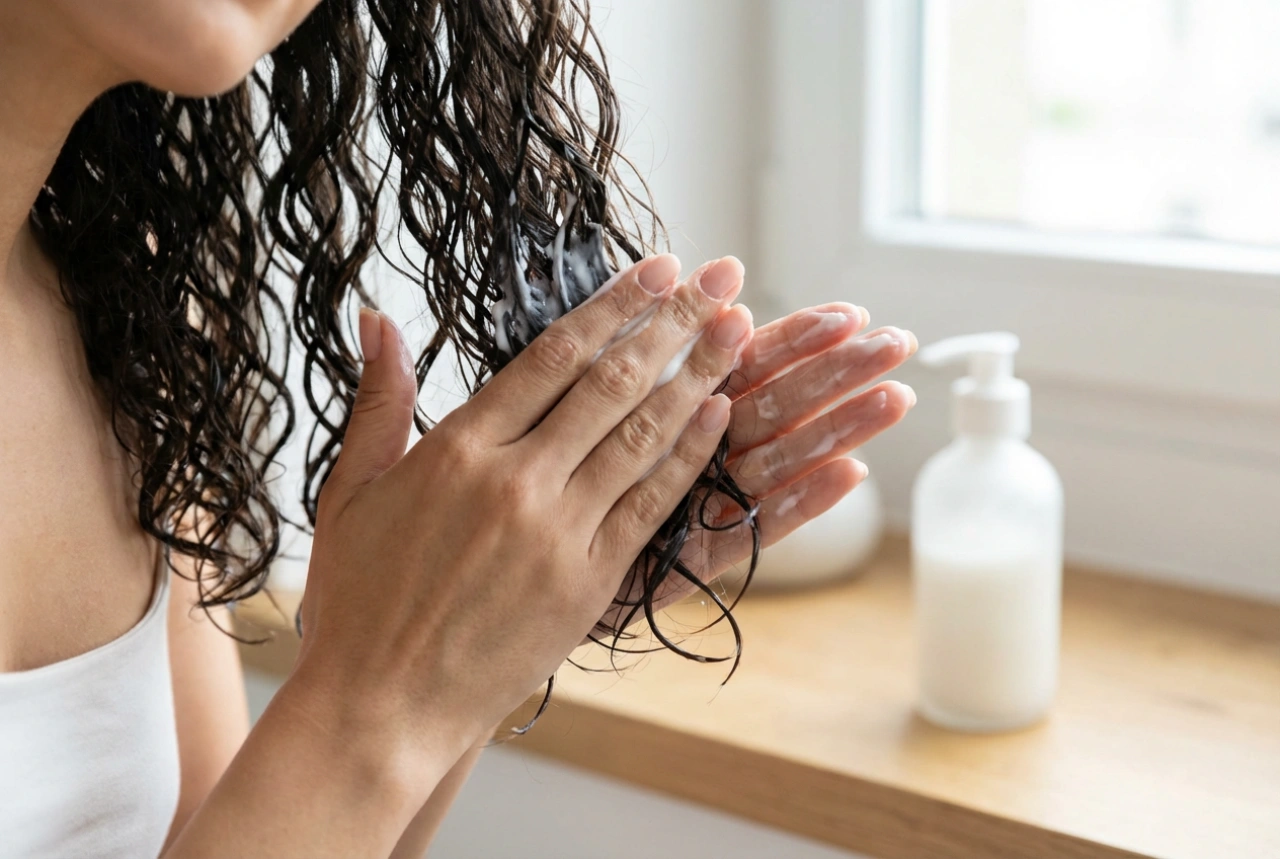
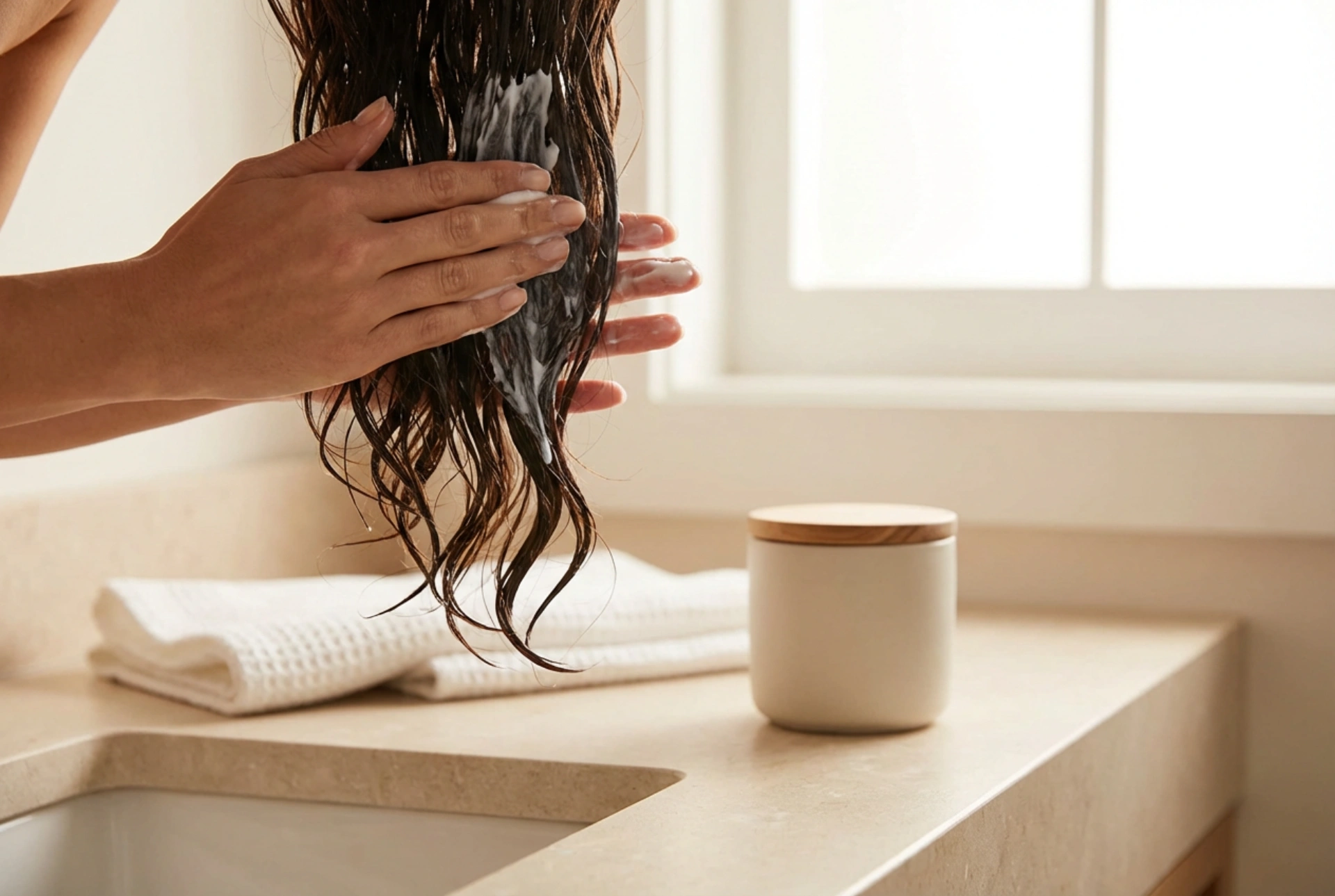
Start by sectioning your hair into manageable parts, perhaps four or more, depending on its thickness. This systematic approach prevents you from missing spots. Scoop a suitable amount of the mask – a coin-sized amount is often enough for medium-length hair, but you should adjust this based on your hair's length and density. It's always better to start with less and add more if needed to avoid wastage and weighing the hair down.
Application Technique
Focus the application on the mid-lengths and ends of your hair. These areas are typically the oldest and most prone to dryness and damage. Avoid applying a heavy amount directly to the scalp and roots, unless the mask is specifically formulated for scalp treatment. This helps prevent your hair from becoming greasy after rinsing. Once the product is on, use a wide-tooth comb to gently work it through each section, ensuring complete and even coverage.
Perfect Timing: How Long to Wait
Patience is crucial when it comes to hair masks. The time you leave the mask on determines how well its ingredients are absorbed. While it's always best to follow the specific instructions on the product's packaging, most masks require between 5 and 20 minutes to work effectively.
Enhancing the Effect
To boost the mask's performance, you can create a warm, humid environment. After applying the mask, wrap your hair in a warm towel or cover it with a shower cap. The gentle heat helps to open up the hair's cuticles, allowing for deeper penetration of the nourishing ingredients. This simple trick can significantly enhance your results. Leaving a mask on for longer than recommended, however, doesn't always lead to better results. For some hair types, especially fine hair, it can over-condition the hair, leaving it feeling heavy or limp.
The Final Step: Rinsing and Aftercare
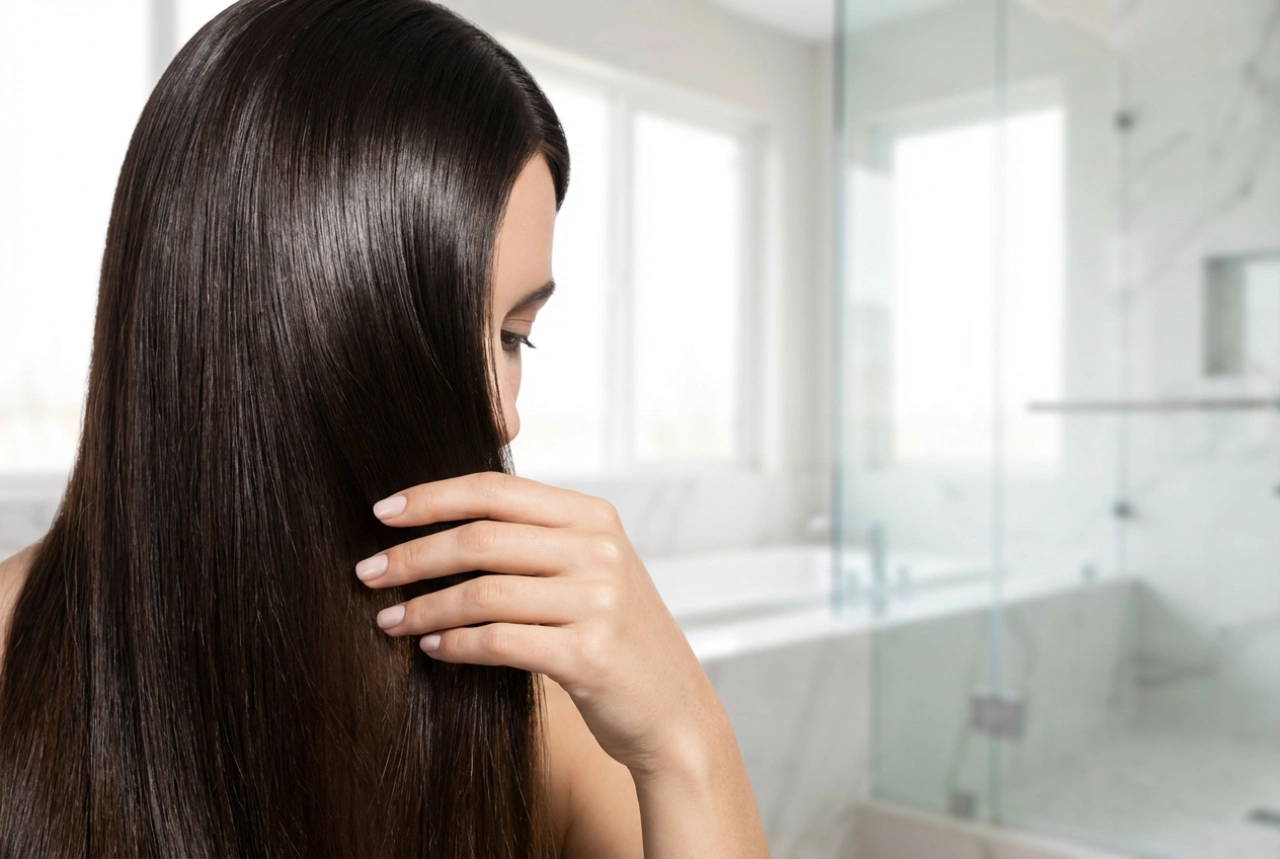
Once the waiting time is over, it’s time to rinse. This step is just as important as the application for achieving a polished finish. Use lukewarm water to rinse the mask out thoroughly. Hot water can strip away the beneficial oils and moisture you've just added. Continue rinsing until your hair feels clean and there is no slippery residue left. For an extra boost of shine, finish with a quick rinse of cool water. This helps to seal the hair cuticle, locking in moisture and creating a smooth surface that reflects light beautifully. After rinsing, you can proceed with your usual hair care routine. There's generally no need to use a regular conditioner after a deep-conditioning mask, as it has already provided intensive care. Gently towel-dry your hair and style as desired, enjoying its renewed softness and lustre.