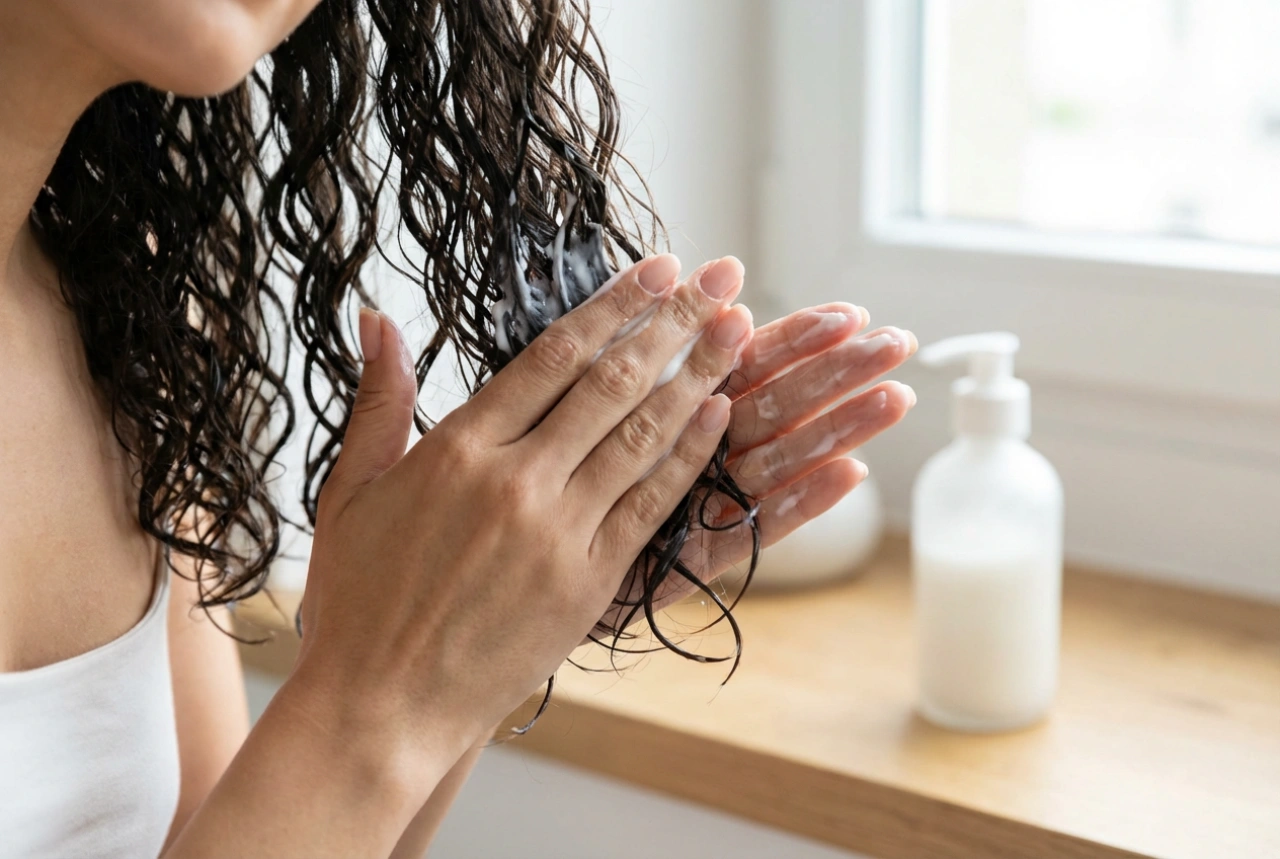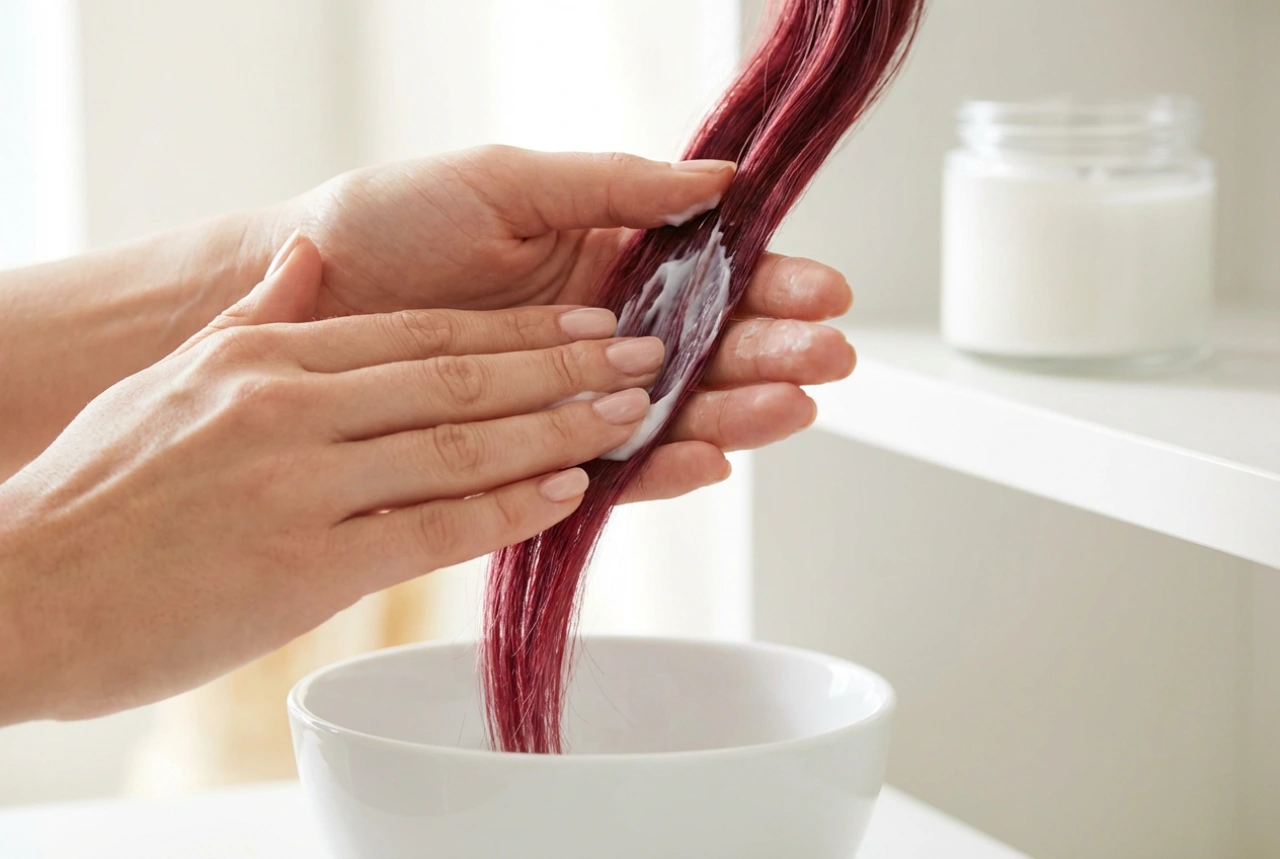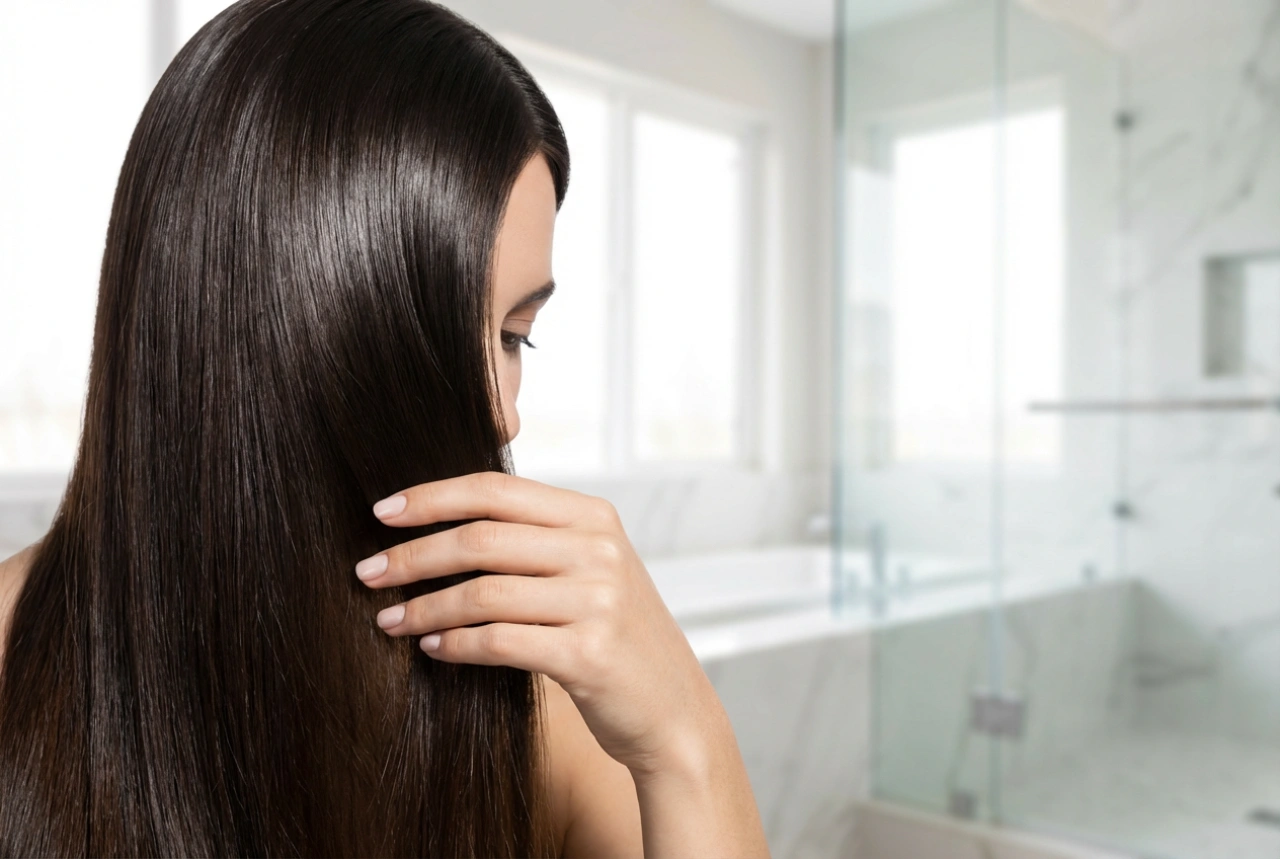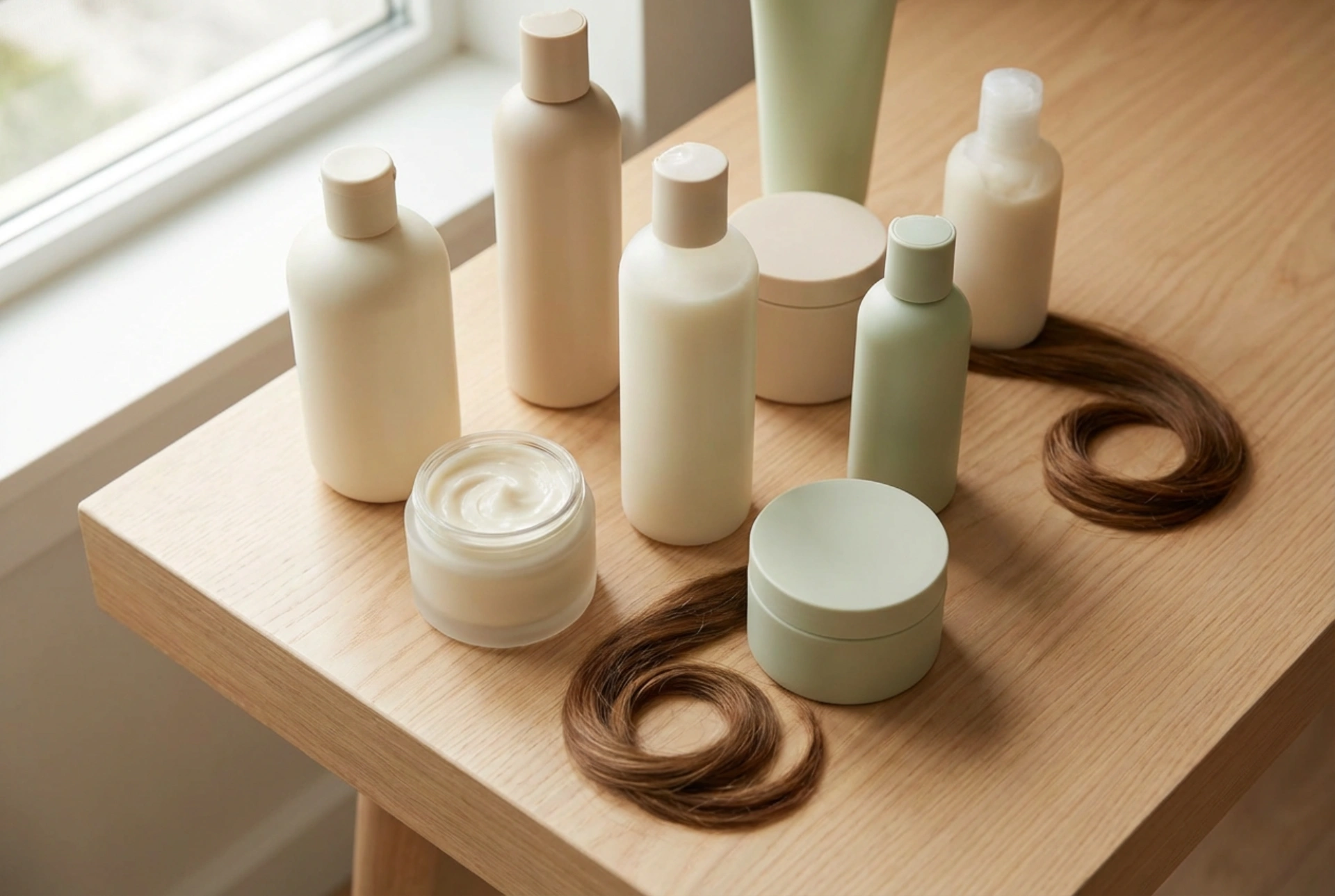


A beautiful array of elegant bottles and jars filled with rich, creamy textures on a vanity table reminds us of the gentle, deliberate care our hair deserves to look its best. Achieving smooth, lustrous, and manageable strands relies heavily on how we use these daily formulations. While shampooing is a crucial step for cleansing the scalp, it is the conditioner that truly transforms the look and feel of the hair. It seals in moisture, protects the delicate hair shaft from daily wear and tear, and imparts a healthy-looking shine. However, navigating the vast world of conditioning products and understanding how to apply them correctly can sometimes feel overwhelming. By mastering the basics of hair conditioning, you can easily unlock the secret to vibrant, resilient locks.
Understanding Hair Conditioners: Why Are They Essential?
To understand the importance of conditioning, it is helpful to look at the structure of a hair strand. The outermost layer of the hair, known as the cuticle, resembles tiny protective shingles on a roof. When hair is washed with shampoo, these cuticles lift slightly to allow dirt, excess oils, and product buildup to be cleared away. While this cleansing process is necessary, it leaves the hair fibre temporarily exposed and vulnerable to friction, environmental elements, and moisture loss.
This is where a high-quality conditioner steps in. The primary purpose of a conditioner is to smooth down the raised cuticles, locking in essential moisture and creating a sleek protective shield around each individual strand. By sealing the cuticle, the conditioner reduces static electricity, minimises friction between hair strands when brushing, and significantly improves detangling. The result is hair that feels soft to the touch, reflects light more beautifully, and is far less prone to mechanical damage during styling.
Key Types of Hair Conditioners
Not all hair is the same, and different textures require different levels of care and moisture. Finding the right type of product depends on your daily lifestyle, hair thickness, and overall styling goals. Here are the main categories of hair conditioners available for home care:
Rinse-Out Conditioners
This is the most common and classic formulation used in daily routines. Designed to be applied immediately after shampooing, rinse-out conditioners work quickly to replenish moisture lost during cleansing. They are usually lightweight to medium-weight creams that only need to remain on the hair for two to three minutes before being thoroughly rinsed away. They provide instant manageability and are ideal for regular upkeep.
Leave-In Conditioners and Sprays
For those who need continuous moisture throughout the day or extra help with detangling, leave-in formulations are an excellent addition. Usually available as lightweight sprays, milks, or very light creams, these products are applied to damp, towel-dried hair after washing and are not rinsed out. They act as a continuous shield, protecting the hair from styling friction and environmental dryness while keeping the strands hydrated and soft until the next wash.
Deep Conditioners and Intensive Masks
When hair is feeling particularly dry, coarse, or depleted, standard daily conditioners may not provide enough nourishment. Deep conditioners, often referred to as hair masks, feature much richer, highly concentrated formulas. They are designed to penetrate deeper into the hair structure and require a longer processing time, typically between ten to twenty minutes. Using a deep treatment once a week can dramatically restore softness and suppleness to tired strands.
The Correct Order and Method of Application
Using the best product will yield limited results if the application technique is incorrect. To get the most benefit out of your conditioning routine, follow this simple, highly effective step-by-step method:
- Step 1: Thoroughly rinse out all shampoo. Ensure there is no soapy residue left on the scalp or length of the hair, as this can prevent the conditioner from adhering properly to the hair fibre.
- Step 2: Squeeze out excess water gently. This is a crucial, often overlooked step. When hair is soaking wet, the water fills up all the space around the strands, causing the conditioner to simply slide off without being absorbed. Gently press the hair with your hands or a soft towel to remove excess moisture before applying the product.
- Step 3: Focus on the mid-lengths and ends. Start applying the conditioner from the tips of your hair, where the strands are oldest and driest, and work your way up to the mid-lengths. Avoid placing the product directly onto the scalp or roots, as the natural oils produced by your skin are already sufficient to keep this area hydrated.
- Step 4: Distribute evenly. Use your fingers or a wide-tooth comb to gently distribute the cream through your locks. This ensures every strand receives a light, even coat of product and helps with gentle detangling.
- Step 5: Respect the waiting time. Allow the conditioner to work its magic for the duration recommended on the packaging, usually two to three minutes for standard rinses.
- Step 6: Rinse with cool water. Thoroughly rinse the product out. Using cool or lukewarm water for the final rinse can help further seal the hair cuticle, enhancing natural shine and smoothness.
Common Hair Conditioning Mistakes to Avoid
Even with the best intentions, small habits can get in the way of achieving perfect results. To keep your hair looking healthy and bouncy, watch out for these frequent conditioning errors:
- Applying conditioner directly to the scalp: Doing this can weigh down the hair, clog pores, and make your hair look greasy and flat very quickly after washing. Keep the product focused where it is needed most: from the ears down.
- Using too much product: More is not always better. Using excessive amounts of conditioner does not provide extra benefits; instead, it can lead to heavy buildup, making the hair look dull, limp, and difficult to style. Start with a coin-sized amount and adjust only if necessary.
- Rinsing too quickly: Giving the product only a few seconds to work means the conditioning agents do not have enough time to bond with the hair fibre. Always leave rinse-out formulas on for at least a couple of minutes.
- Skipping conditioner altogether: Some believe that skipping conditioner prevents fine hair from becoming flat. However, omitting this step leaves the hair cuticle open, making it highly vulnerable to damage. If your hair is very fine, choose a ultra-lightweight, volumising conditioner or a light spray-on leave-in formula instead of skipping the step entirely.
Choosing the Right Formula for Your Hair Type
Understanding your hair texture is key to choosing the correct formula. Fine, thin hair benefits most from lightweight, volume-boosting rinse-out conditioners or delicate leave-in sprays that won't weigh the hair down. Thick, coarse, or naturally curly hair types naturally crave deeper hydration, making rich creams, butter-infused masks, and nourishing leave-in creams ideal choices. For those with normal hair, balanced, everyday moisturizing formulas will perfectly maintain natural softness and shine. By listening to your hair's unique needs, you can easily select a conditioning routine that leaves your locks feeling beautifully soft, manageable, and radiant every day.