

The feeling of running your fingers through soft, supple, and deeply hydrated hair is a simple yet profound pleasure. A key player in achieving this state of hair bliss is a quality moisturising conditioner. While shampoo cleanses, it is the conditioner that replenishes moisture, smooths the hair cuticle, and makes strands manageable and shiny. Understanding how to choose the right formula for your hair type and apply it correctly can transform your hair care routine and the health of your hair itself.
Understanding Your Hair's Needs
Before you can find your perfect match, you need to understand your hair's unique characteristics. Not all hair is created equal, and what works wonders for one person might weigh down another's locks. Consider your hair's texture, porosity, and any specific conditions like colour treatment.
Hair Texture and Type
- Fine Hair: This hair type is easily weighed down by heavy products. Look for lightweight moisturising formulas that hydrate without sacrificing volume.
- Thick or Coarse Hair: This texture can handle and often requires richer, creamier conditioners packed with deeply nourishing ingredients to maintain softness and manageability.
- Curly or Coily Hair: Curls and coils are naturally prone to dryness because the scalp's natural oils have a harder time travelling down the hair shaft. These hair types benefit immensely from intensely moisturising conditioners.
- Colour-Treated or Damaged Hair: Chemical processes can strip hair of its natural moisture, leaving it brittle. A conditioner focused on both hydration and repair is essential to restore health and vibrancy.
What to Look For in a Moisturising Conditioner
The ingredients list is your best guide to a conditioner's capabilities. For hydration, certain categories of ingredients are particularly effective. Learning to spot them can help you make an informed choice.
Key Moisturising Ingredients
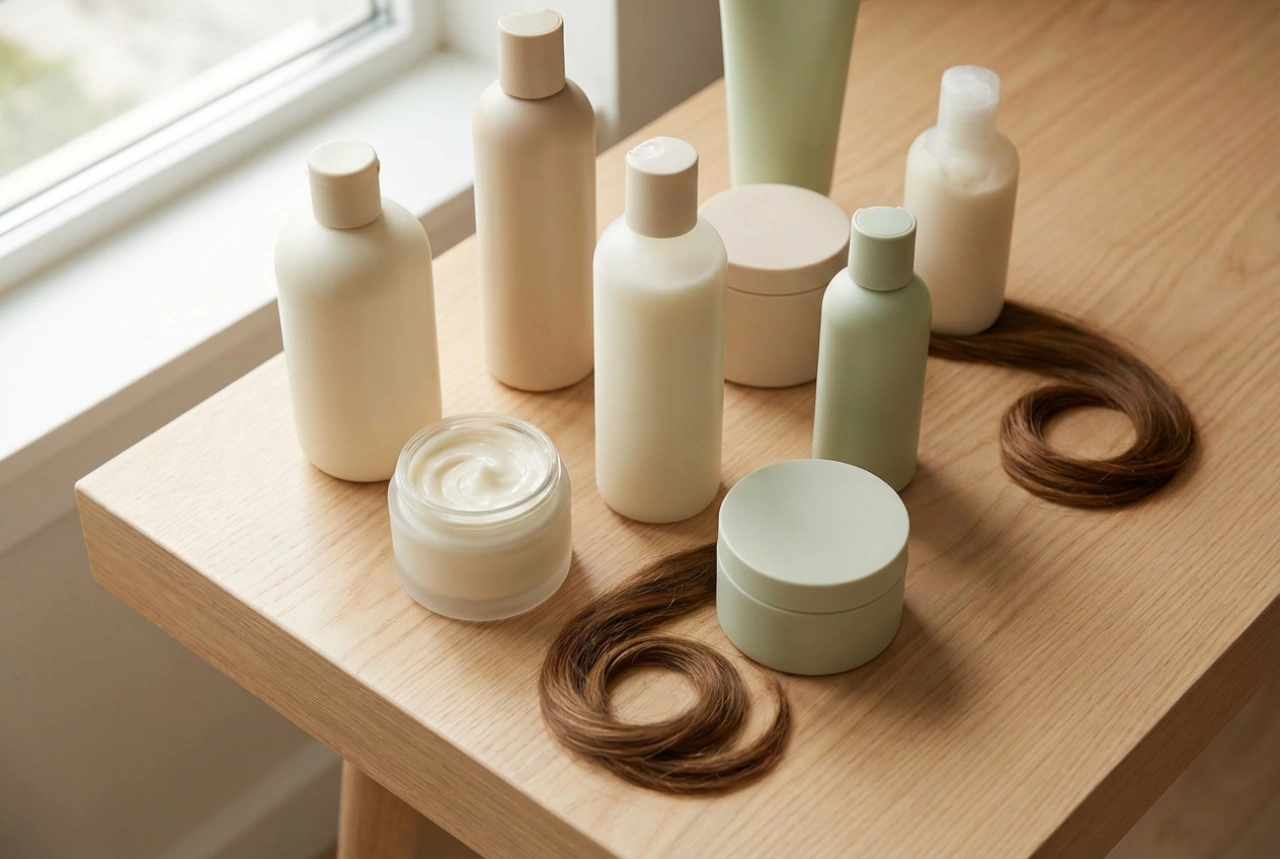
- Humectants: These ingredients attract moisture from the air and draw it into the hair shaft. Common examples include glycerin and aloe vera. They are great for providing a lightweight hydration boost.
- Emollients: These ingredients, often oils and butters, work by filling in gaps in the hair cuticle, creating a smoother, softer surface. Think of natural ingredients like shea butter, cocoa butter, and various plant oils (such as coconut, argan, or jojoba oil).
- Occlusives: These create a physical barrier on the hair strand to seal in moisture and prevent it from escaping. They are particularly beneficial for very dry or high-porosity hair.
When selecting a product, consider your hair type. If you have fine hair, a conditioner heavy on rich butters might be too much. Conversely, if your hair is very dry and coarse, a formula rich in emollients and occlusives will provide the intense hydration it craves.
The Art of Application: How to Use Conditioner Effectively
Even the best conditioner won't perform well if applied incorrectly. Following a few simple steps can make a significant difference in your results.
- Start with Clean, Wet Hair: After shampooing, gently squeeze out excess water from your hair. Applying conditioner to sopping wet hair dilutes the product and reduces its effectiveness.
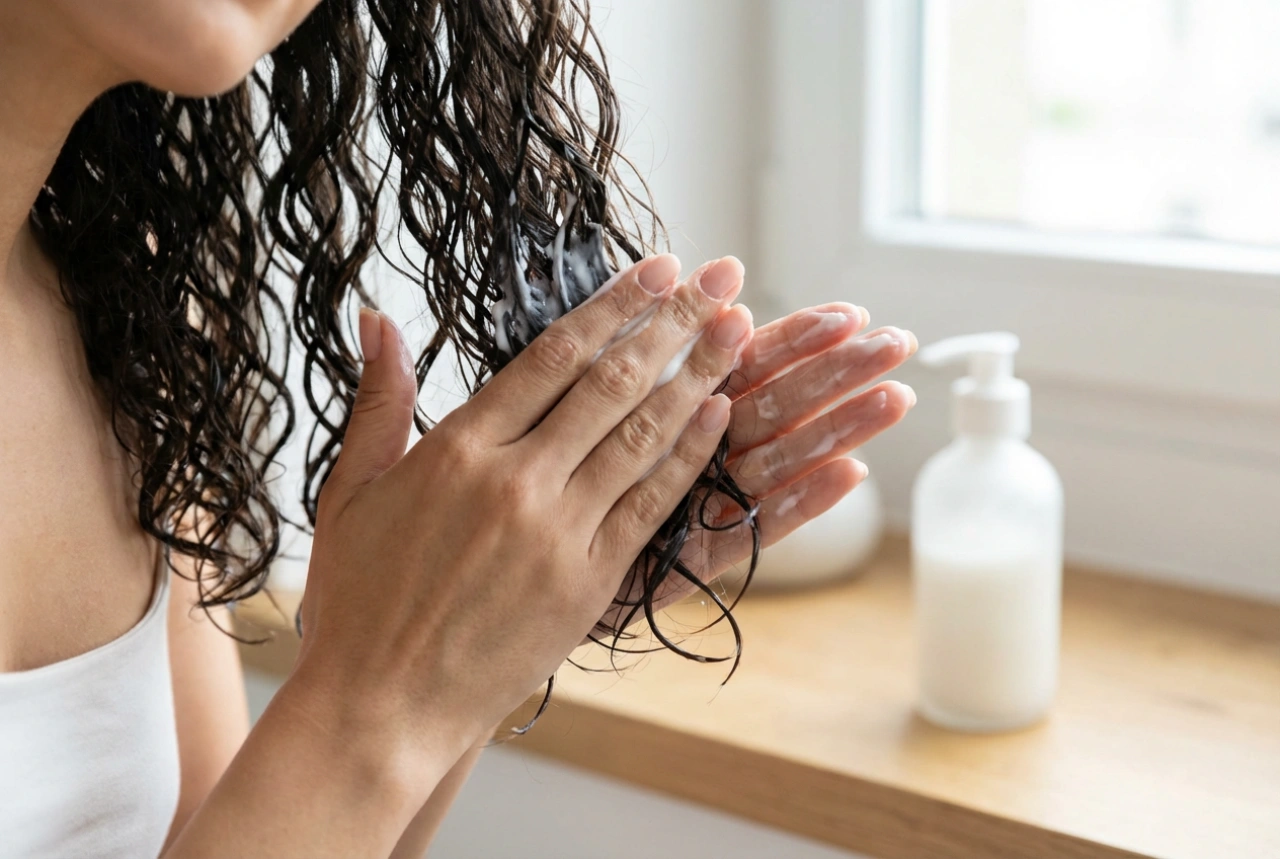
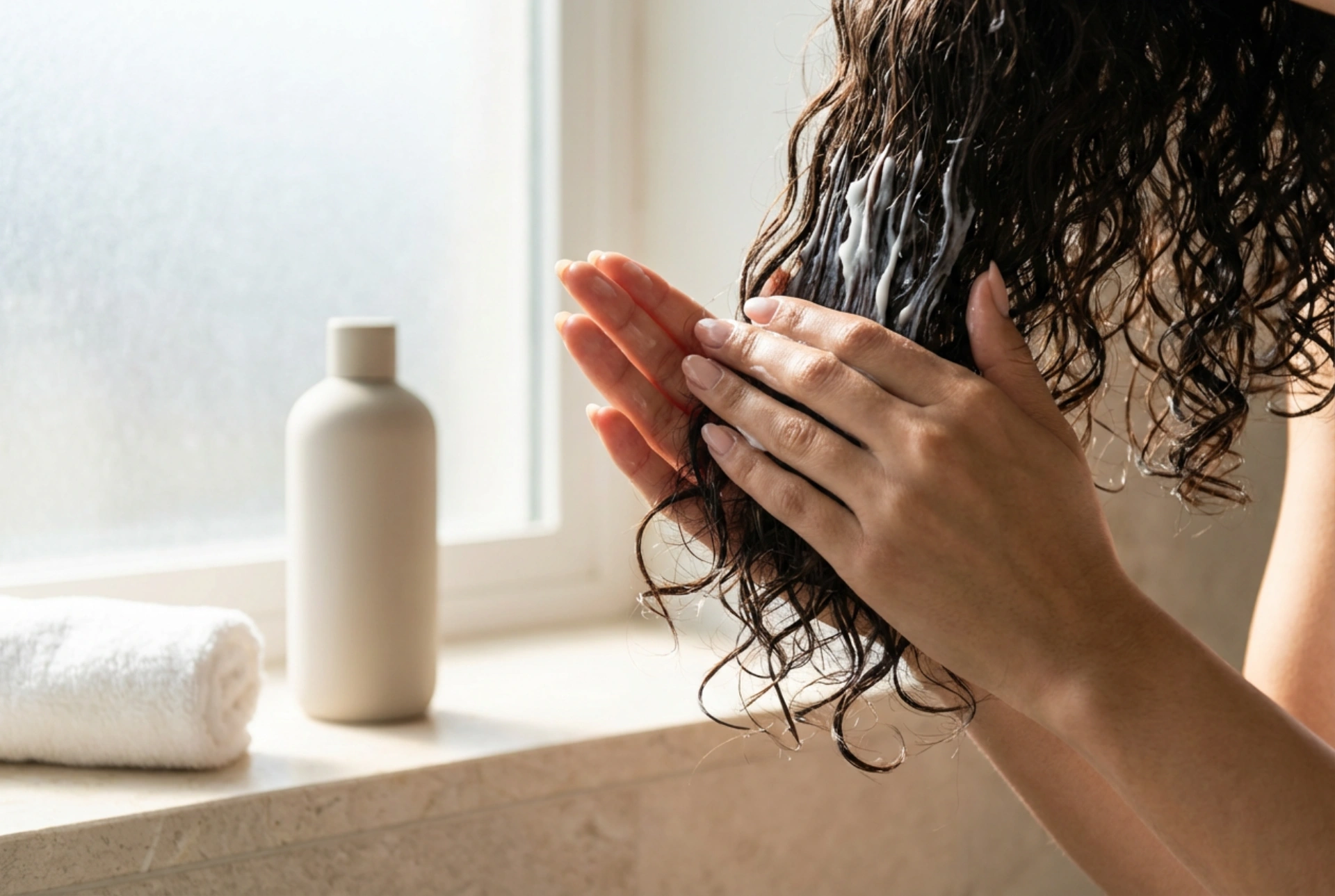
- Focus on the Ends: Dispense a suitable amount of conditioner into your palm. The ends of your hair are the oldest and most damaged part, so they need the most attention. Begin applying the conditioner from the mid-lengths down to the tips.
- Avoid the Roots: Applying conditioner directly to your scalp can weigh down your hair and may lead to a greasy feeling, especially if you have fine or oily hair. Your scalp produces its own natural oils.
- Distribute Evenly: Use your fingers or a wide-tooth comb to gently work the conditioner through your strands, ensuring every section is coated. This also helps with detangling.
- Let It Sit: Allow the conditioner to work its magic for at least 2-3 minutes. This gives the ingredients time to penetrate the hair shaft. For a deep conditioning treatment, you might leave it on for longer, as specified by the product type.
- Rinse Thoroughly: Rinse your hair with lukewarm or cool water. Cool water helps to seal the hair cuticle, which locks in moisture and adds shine. Make sure all the product is rinsed out to prevent build-up.
Common Conditioning Mistakes to Avoid
To get the most out of your routine, be mindful of these common pitfalls:
- Using Too Much Product: More isn't always better. Using an excessive amount of conditioner can leave a residue that weighs hair down. Start with a small amount and add more only if needed.
- Rinsing Too Quickly: Not giving the conditioner enough time to penetrate the hair means you're washing away its benefits before they can take effect.
- Skipping Conditioner Altogether: Some people with fine or oily hair skip conditioner, fearing it will make their hair greasy. Instead, the solution is to find a lightweight formula and apply it only to the ends.
- Using the Wrong Formula: Using a heavy conditioner on fine hair or a light one on coarse, dry hair will lead to disappointing results. Matching the product to your hair type is crucial.
By understanding your hair's specific needs and mastering the art of application, a moisturising conditioner becomes a powerful tool in your quest for healthy, beautiful hair. It's a fundamental step that replenishes what daily life takes away, leaving you with locks that are soft, manageable, and full of life.