

Achieving luscious, healthy-looking hair often begins with a well-curated care routine. At the heart of this regimen is a quality hair conditioner, a product designed to replenish moisture, smooth the hair's surface, and improve manageability. Understanding how to select the right conditioner for your specific needs and how to use it effectively can transform your hair's health and appearance. This guide will walk you through the essentials of choosing and using hair conditioners like a professional.
Understanding Different Types of Hair Conditioners
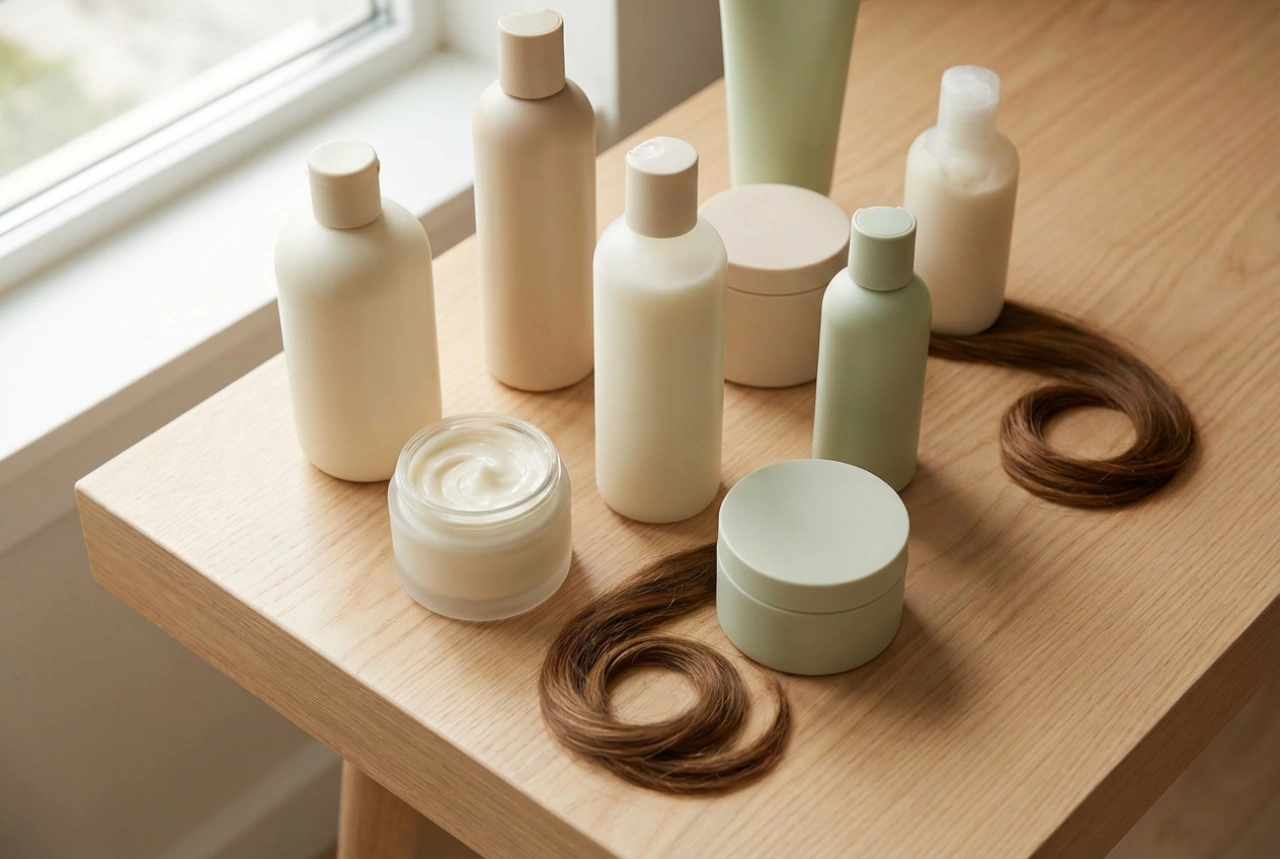
Before selecting a product, it’s helpful to know the main categories of conditioners available. Each serves a distinct purpose in a hair care routine.
Rinse-Out Conditioners
This is the most common type, applied after shampooing and rinsed out after a few minutes. Its primary function is to restore moisture lost during washing, detangle strands, and smooth the hair cuticle. They are typically light enough for regular, even daily, use depending on your hair type.
Deep Conditioners and Hair Masks
These are intensive treatments with a richer concentration of hydrating and reparative ingredients. Designed to be left on the hair for a longer period (from 15 to 30 minutes), they provide a deep dose of moisture and nutrients. They are ideal for use once a week or as needed to address concerns like dryness, damage, or brittleness.
Leave-In Conditioners
Applied to towel-dried hair after washing, these conditioners are not rinsed out. They are typically lightweight sprays or lotions that provide a continuous layer of moisture and protection throughout the day. They help to detangle, reduce frizz, and protect hair from environmental stressors and heat styling.
Choosing the Right Conditioner for Your Hair Type
The effectiveness of a conditioner is entirely dependent on whether it suits your hair’s unique characteristics. Matching the formula to your hair type is the most critical step.
For Fine or Oily Hair
If your hair gets weighed down easily or tends to be oily, look for volumising or lightweight formulas. These conditioners provide necessary hydration without heavy ingredients that can flatten hair. Focus application on the mid-lengths and ends, avoiding the scalp to prevent excess oiliness.
For Dry or Damaged Hair
Hair that feels rough, brittle, or has been exposed to chemical processes needs intensive moisture and repair. Seek out conditioners labelled as 'hydrating,' 'moisturising,' or 'repairing.' Ingredients that help attract and seal in moisture are particularly beneficial. A weekly deep conditioning mask should also be a staple in your routine.
For Colour-Treated Hair
Dyed hair requires special care to maintain its vibrancy and health. Use conditioners specifically formulated for colour-treated hair. These products are gentler and often contain ingredients that help to seal the hair cuticle, which locks in colour molecules and prevents premature fading. They also provide essential moisture to counteract the drying effects of the colouring process.
For Curly or Coily Hair
Curly and coily hair textures are naturally drier and more prone to frizz. They benefit from very rich, moisturising conditioners that provide excellent 'slip' for detangling. Look for creamy formulas that help define curl patterns and control frizz. Some people with curly hair also practice 'co-washing,' which involves washing the hair with conditioner only, either exclusively or alternating with shampoo.
How to Use Conditioner for Best Results
Proper application technique ensures you get the maximum benefit from your chosen product.
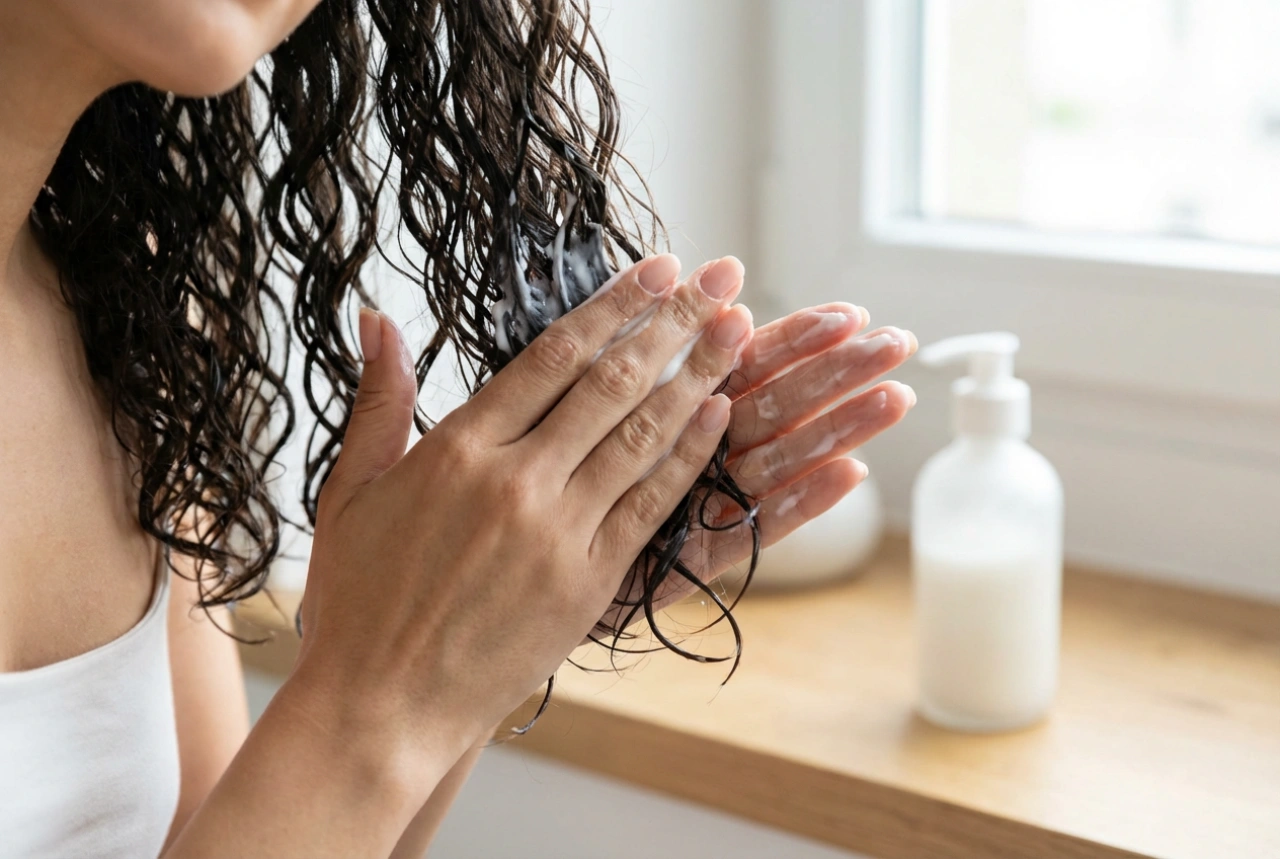
First, after shampooing, gently squeeze excess water from your hair. Applying conditioner to soaking wet hair dilutes the product and reduces its effectiveness. Next, dispense the appropriate amount of product—usually a coin-sized amount for medium-length hair. Start applying the conditioner to the mid-lengths and work your way down to the ends, as this is the oldest and typically most damaged part of the hair. Avoid applying large amounts to the roots, especially if you have fine or oily hair. Use your fingers or a wide-tooth comb to gently distribute the product evenly. Let it sit for the time recommended on the packaging, usually 1-3 minutes for a daily conditioner. Finally, rinse thoroughly with cool or lukewarm water. A cool rinse helps to seal the hair cuticle, boosting shine.
Common Mistakes to Avoid
To get the most out of your conditioning routine, steer clear of these common errors:
- Using too much product: Applying an excessive amount can weigh hair down and lead to build-up.
- Applying it to the scalp: The scalp produces its own natural oils (sebum), and adding conditioner can lead to greasy roots.
- Not leaving it on long enough: The active ingredients need time to penetrate the hair shaft.
- Rinsing it out too quickly or not enough: Rushing the rinsing process means you don't get the full benefits, while leaving residue behind can make hair feel heavy or dull.
- Using the wrong type: A heavy mask on fine hair or a light conditioner on very dry hair will not yield the desired results.
By understanding your hair's needs and selecting the right type of conditioner, you can create a simple yet powerful routine. Consistent and correct use will leave your hair feeling softer, looking shinier, and being much easier to manage, forming the foundation for any style you wish to create.