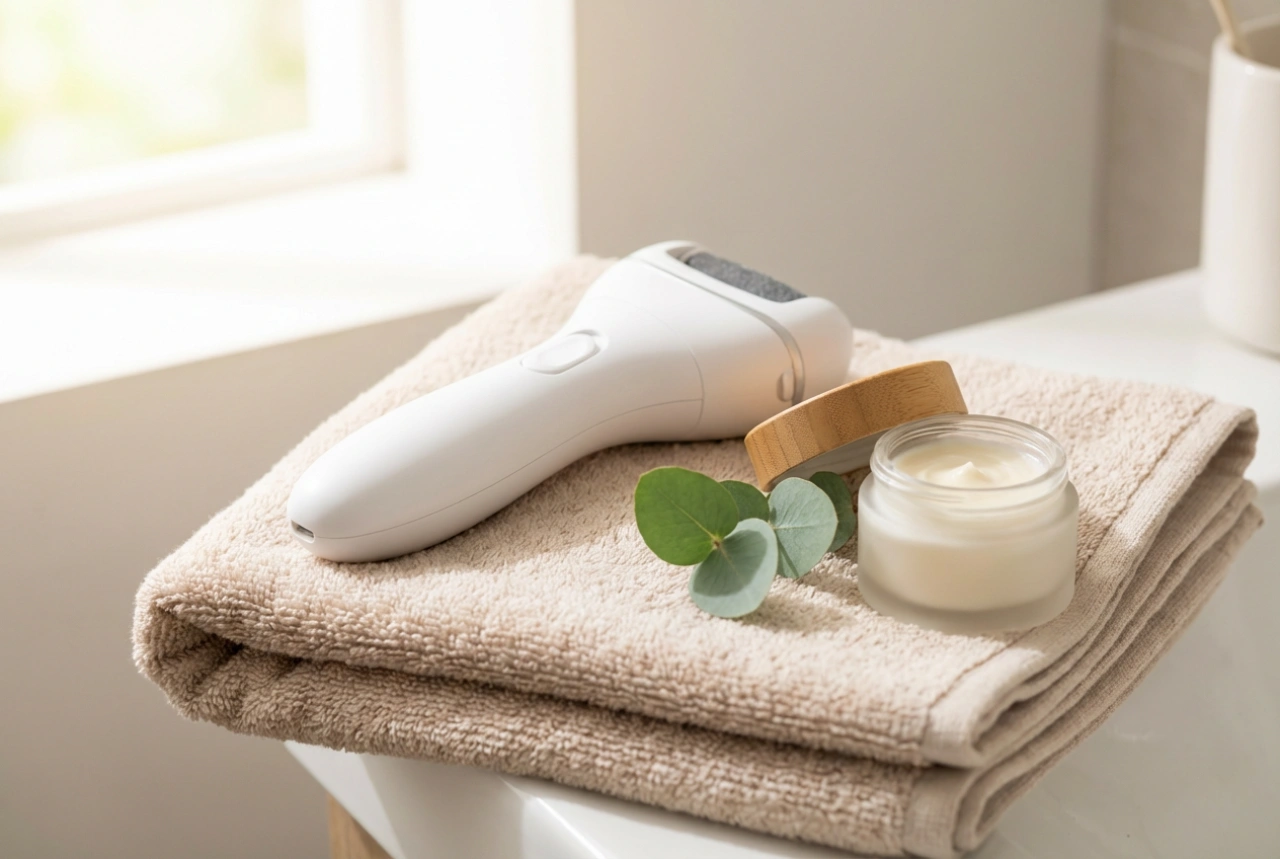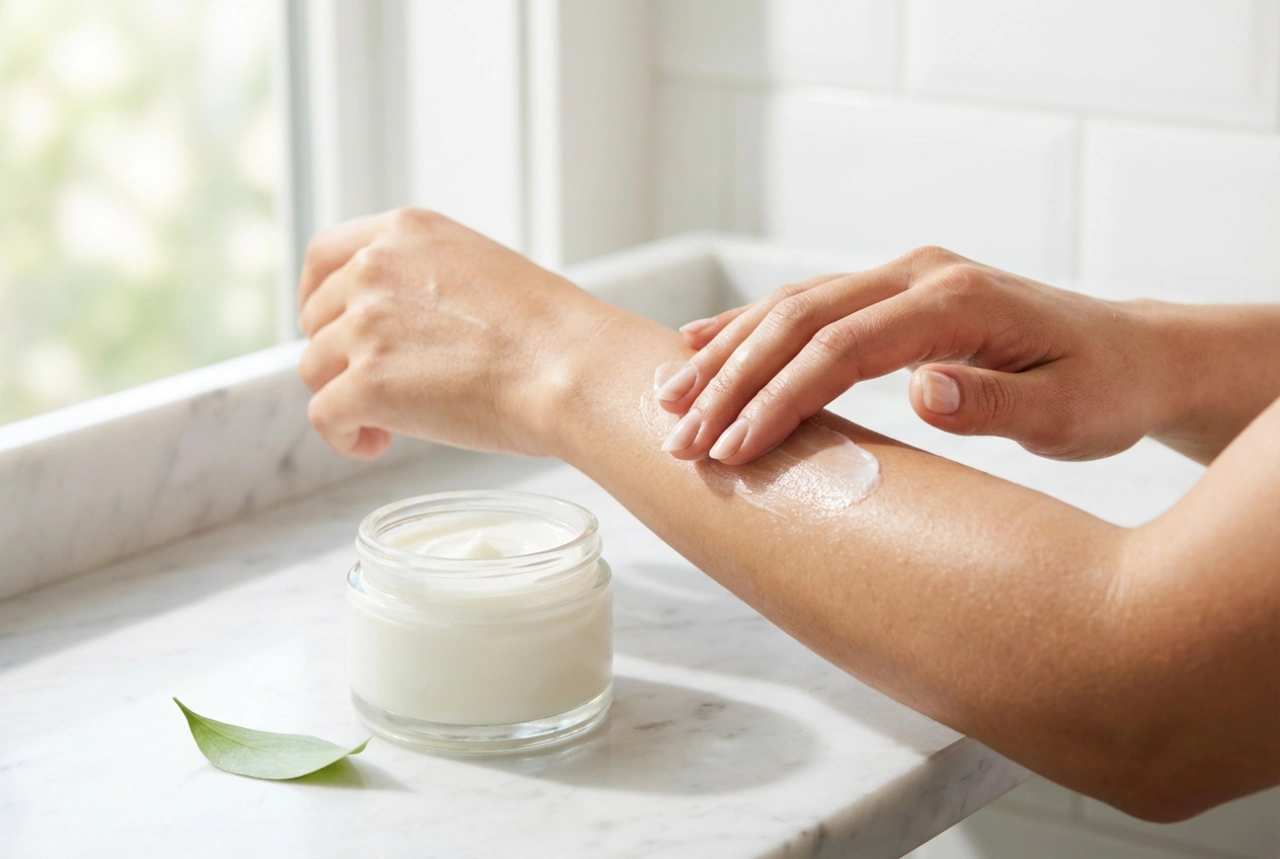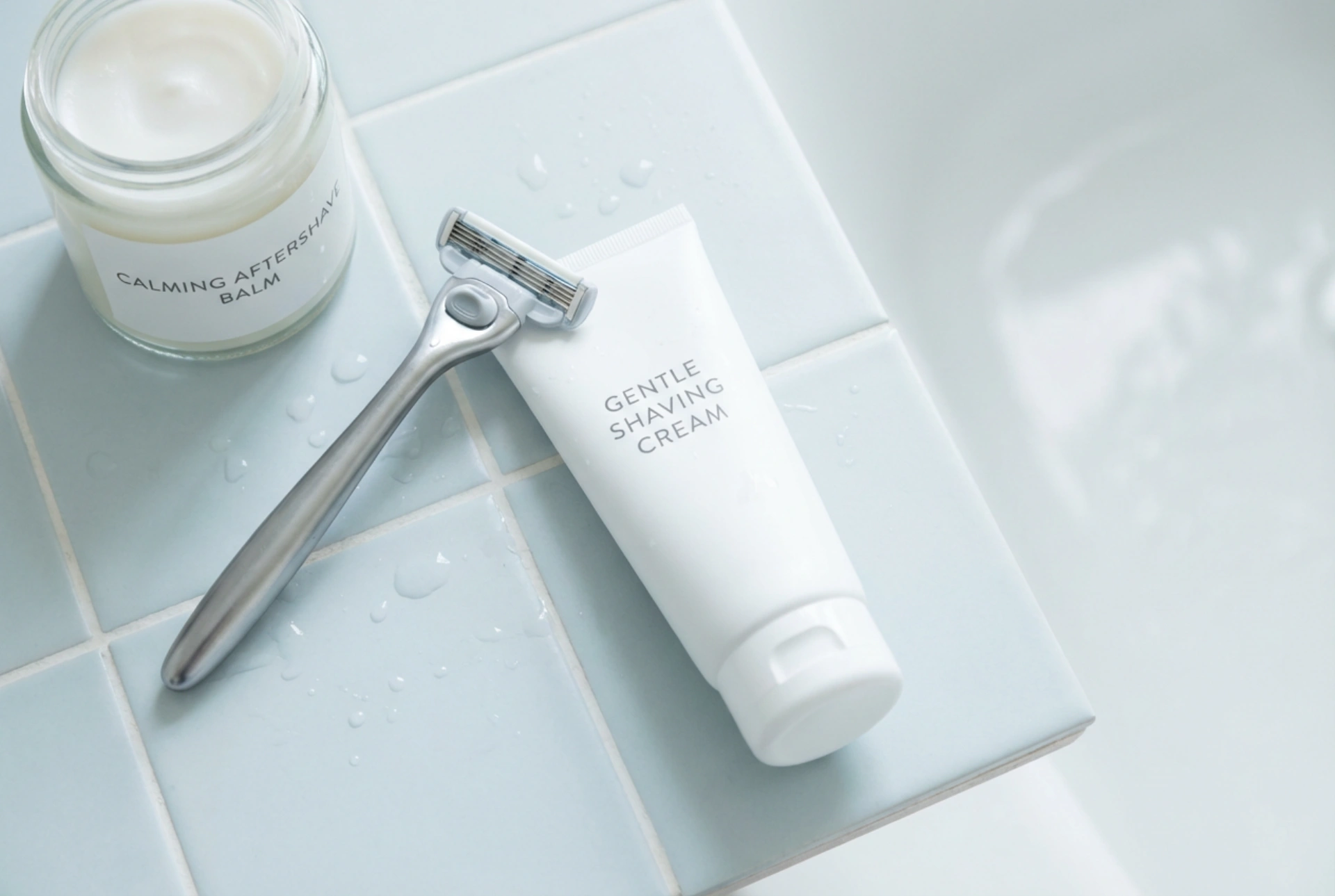


Achieving perfectly smooth, irritation-free skin is a common beauty goal, yet the simple act of shaving can often lead to discomfort, redness, and bumps. The key to a flawless result lies not just in the motion, but in a thoughtful approach that includes choosing the right tool, preparing the skin correctly, and providing gentle aftercare. With a proper routine, using a razor can be a pleasant and effective method of hair removal, leaving your skin feeling fresh and cared for, as suggested by the serene image of shaving essentials.
Choosing the Right Razor
The market offers a wide variety of razors, and the best one for you depends on your skin type, hair texture, and personal preference. It's not always about having the most blades; it's about finding a balance that works for your skin's sensitivity.
Types of Razors
- Disposable Razors: These are intended for a few uses before being discarded entirely. They are convenient for travel but may not always offer the smoothest shave or be the most economical choice in the long run.
- System Razors: These feature a reusable handle and replaceable blade cartridges. They often come with features like pivoting heads that adapt to the body's contours and lubricating strips designed to help the razor glide more smoothly.
- Safety Razors: A more traditional option, these consist of a durable handle and a single, double-edged blade. While they require more practice to master, many people find they provide a very close shave with less irritation, as the single blade is less likely to tug at the hair and scrape the skin.
When selecting a razor, consider the number of blades. While multi-blade systems can provide a close shave in one pass, they can also increase the risk of irritation for sensitive skin. A razor with three to five sharp, well-spaced blades and a flexible head is often a good starting point. Look for lubricating strips that contain skin-soothing ingredients like aloe vera or vitamin E.
Preparing Your Skin for Shaving
Proper preparation is arguably the most critical step in preventing post-shave irritation. Shaving dry or unprepared skin is a direct route to razor burn and nicks. Dedicate a few minutes to prepping the area for the best possible outcome.
Essential Prep Steps
- Hydrate with Warm Water: Spend at least three to five minutes in a warm bath or shower before you start shaving. The warmth and moisture soften the hair, making it easier to cut, and open up the pores.
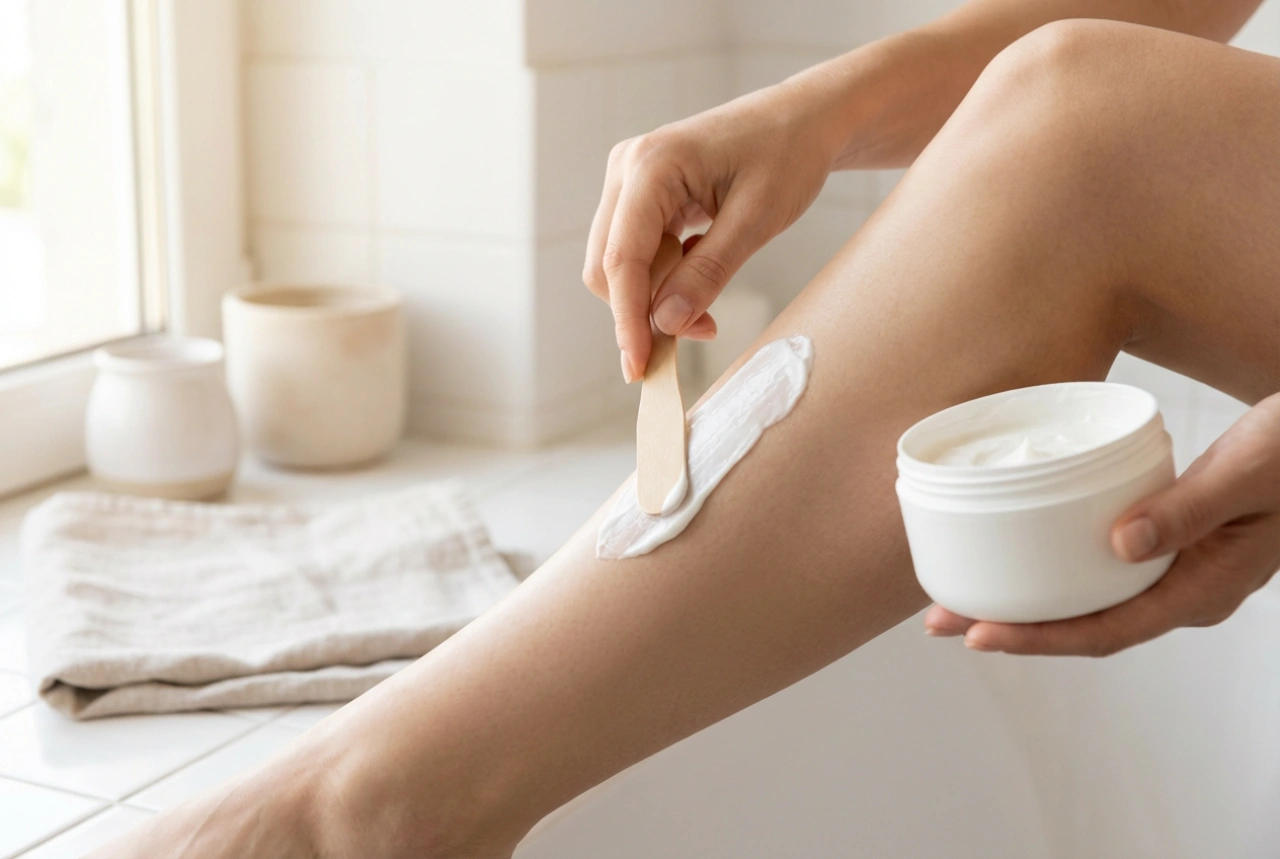
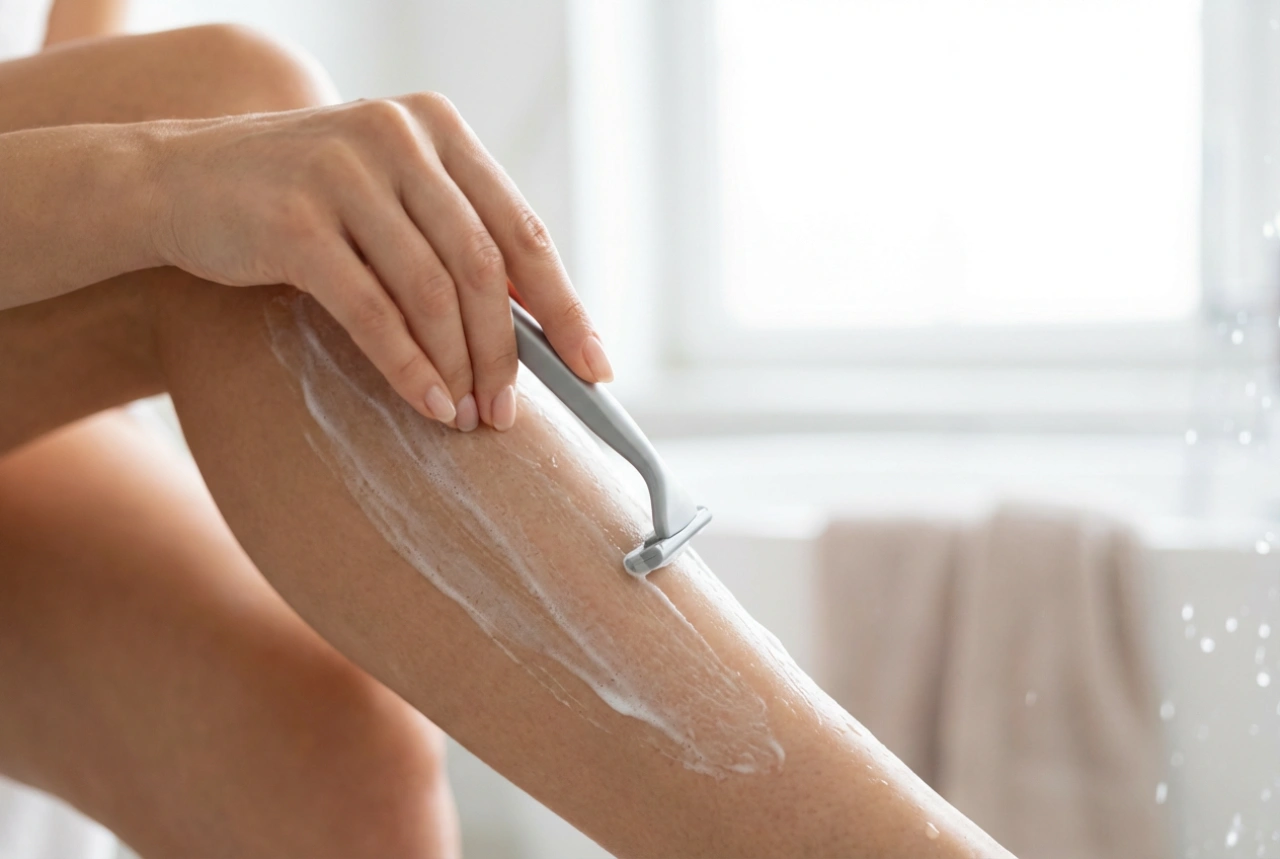
- Apply a Shaving Lubricant: Never shave on bare skin. Use a quality shaving cream, gel, or oil specifically designed for this purpose. These products create a protective barrier between the blade and your skin, allowing the razor to glide smoothly rather than drag. Lather the product on and let it sit for a minute to further soften the hair. Avoid using regular bar soap, as it can be drying and doesn't provide enough slip.
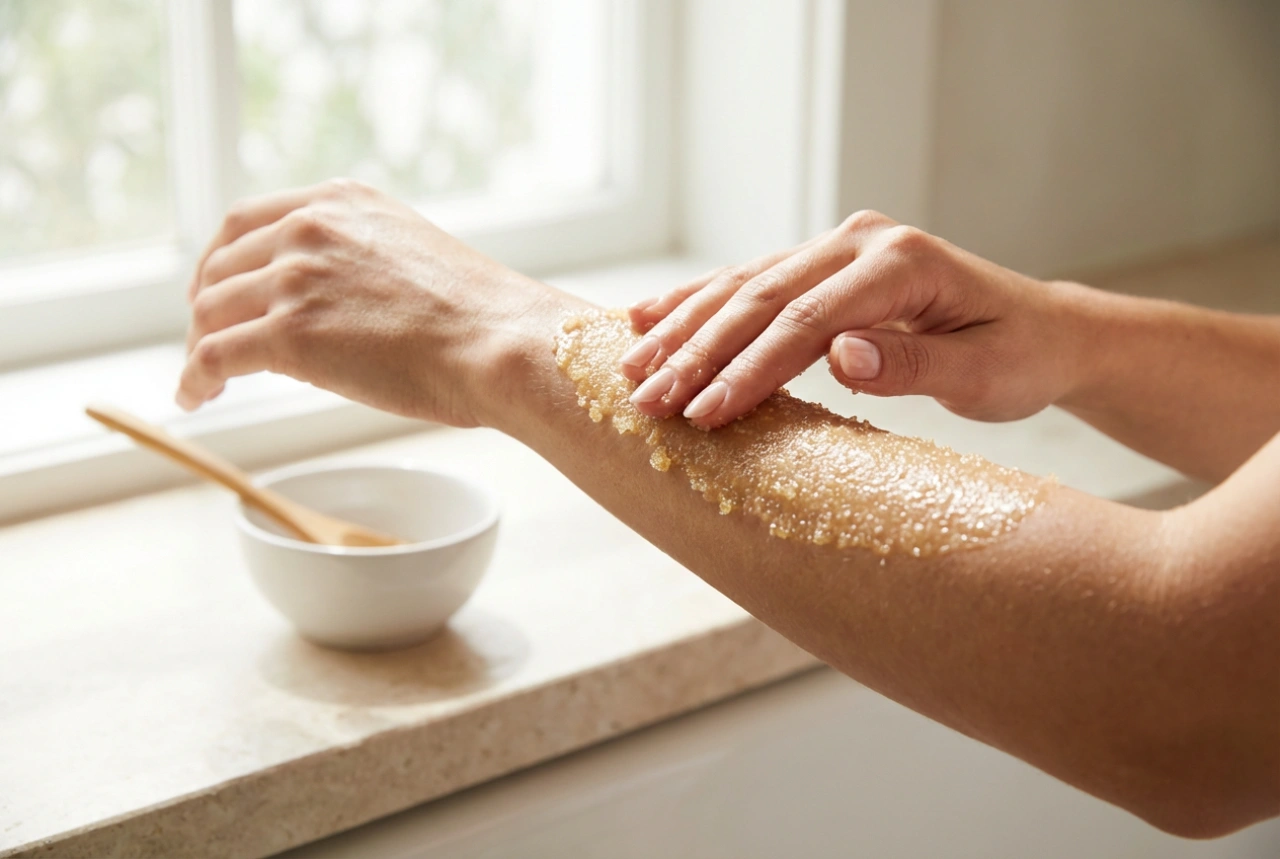
- Gentle Exfoliation (Optional): Gently exfoliating the skin a day or two before shaving can help remove dead skin cells that might clog the razor, but avoid doing it immediately before you shave, as this can make the skin too sensitive.
The Correct Shaving Technique
Once your skin is prepped, the right technique will ensure a close shave while minimising stress on the skin. The key is to be gentle and methodical.
- Shave with the Grain: For your first pass, always shave in the direction that your hair grows. This significantly reduces the chances of razor burn and ingrown hairs. While shaving against the grain provides a closer feel, it should only be attempted on less sensitive areas and after an initial pass with the grain.
- Use Light Pressure: Let the razor do the work. Pressing too hard is a common mistake that leads to nicks, cuts, and irritation. Use light, short, and steady strokes. A sharp blade shouldn't require significant force.
- Rinse the Blade Often: Rinse the razor blade under running water after every one or two strokes. This removes hair, skin cells, and shaving cream, ensuring the blade remains clean and effective for a smooth glide. A clogged razor is an inefficient one.
Aftercare: Soothing and Protecting Your Skin
What you do after you put the razor down is just as important as what you did before. Post-shave care helps to calm, hydrate, and protect your newly smooth skin.
- Rinse with Cool Water: After you've finished shaving, rinse the area with cool water. This helps to remove any remaining shaving cream and soothes the skin by helping to close the pores.
- Pat, Don't Rub: Gently pat your skin dry with a clean, soft towel. Rubbing can cause unnecessary friction and irritation on freshly shaven skin.
- Moisturise Immediately: Apply a gentle, alcohol-free moisturiser, lotion, or aftershave balm to the area. This step is crucial for rehydrating the skin and restoring its protective barrier. Look for products with calming ingredients like aloe vera, chamomile, or shea butter, and avoid those with strong fragrances or alcohol, which can sting and cause dryness.