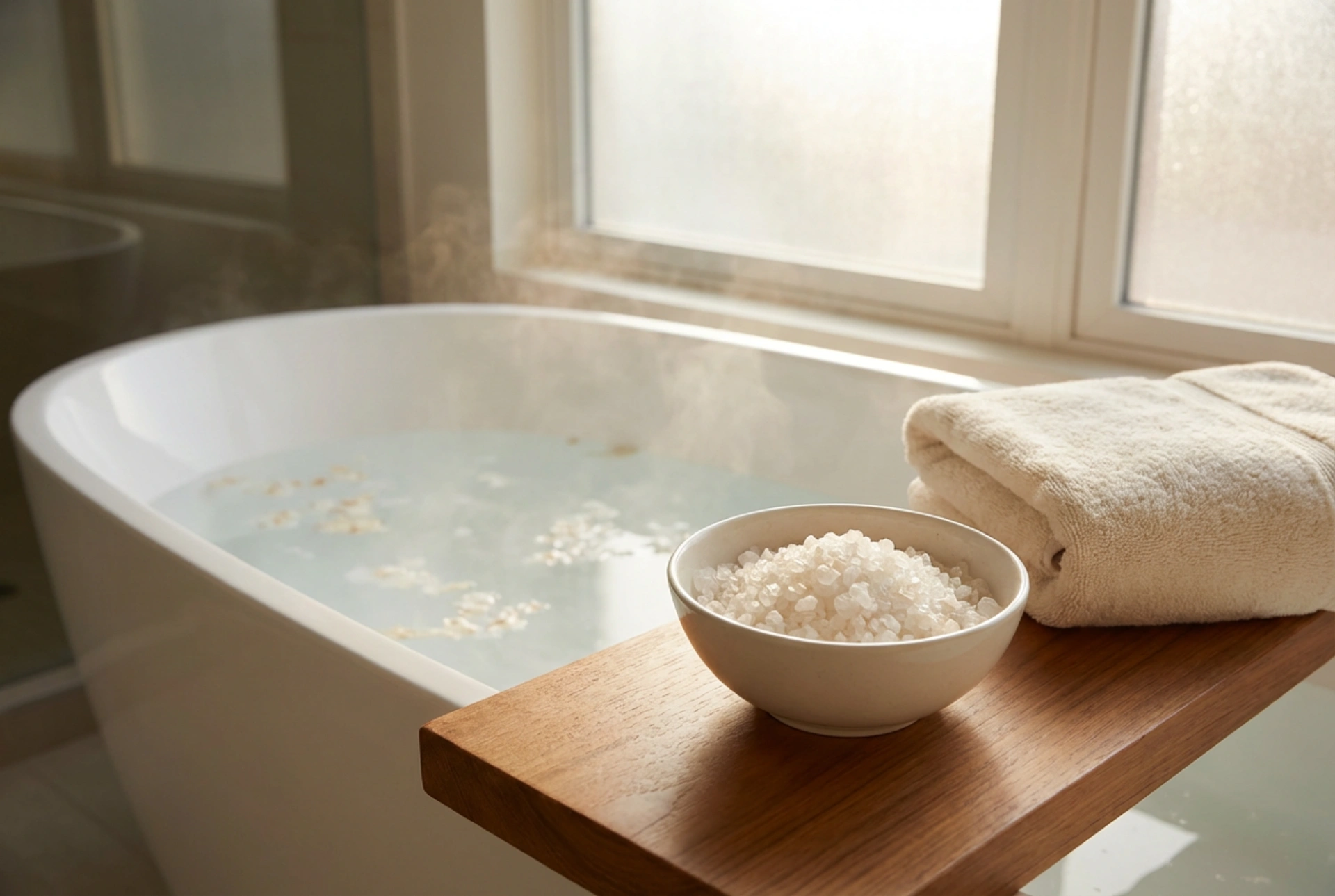


A warm bath is a timeless ritual for relaxation and self-care. Elevating this experience with magnesium can create an even more soothing soak, perfect for unwinding after a long day or a strenuous workout. Creating this home-spa moment is simple, but a few key details can make all the difference. From preparing the water to setting the mood, here’s how to craft the perfect magnesium bath to support your sense of well-being.
What Is a Magnesium Bath?
A magnesium bath is simply a warm bath with magnesium flakes or crystals dissolved in the water. These flakes are typically composed of magnesium chloride, a form of magnesium that dissolves easily. The primary purpose of such a bath is to promote relaxation and create a calming experience. Soaking in warm, magnesium-infused water can help soothe the body and mind, making it an excellent addition to an evening routine to help you de-stress before bedtime. It’s also a popular choice for those looking to ease the feeling of tired muscles after physical activity, offering a gentle, comforting sensation.
Preparing Your Perfect Magnesium Soak
Getting the preparation right is key to a truly blissful bath. It involves more than just tossing some flakes into the tub; it's about creating an optimal environment for relaxation.
Choosing Your Magnesium
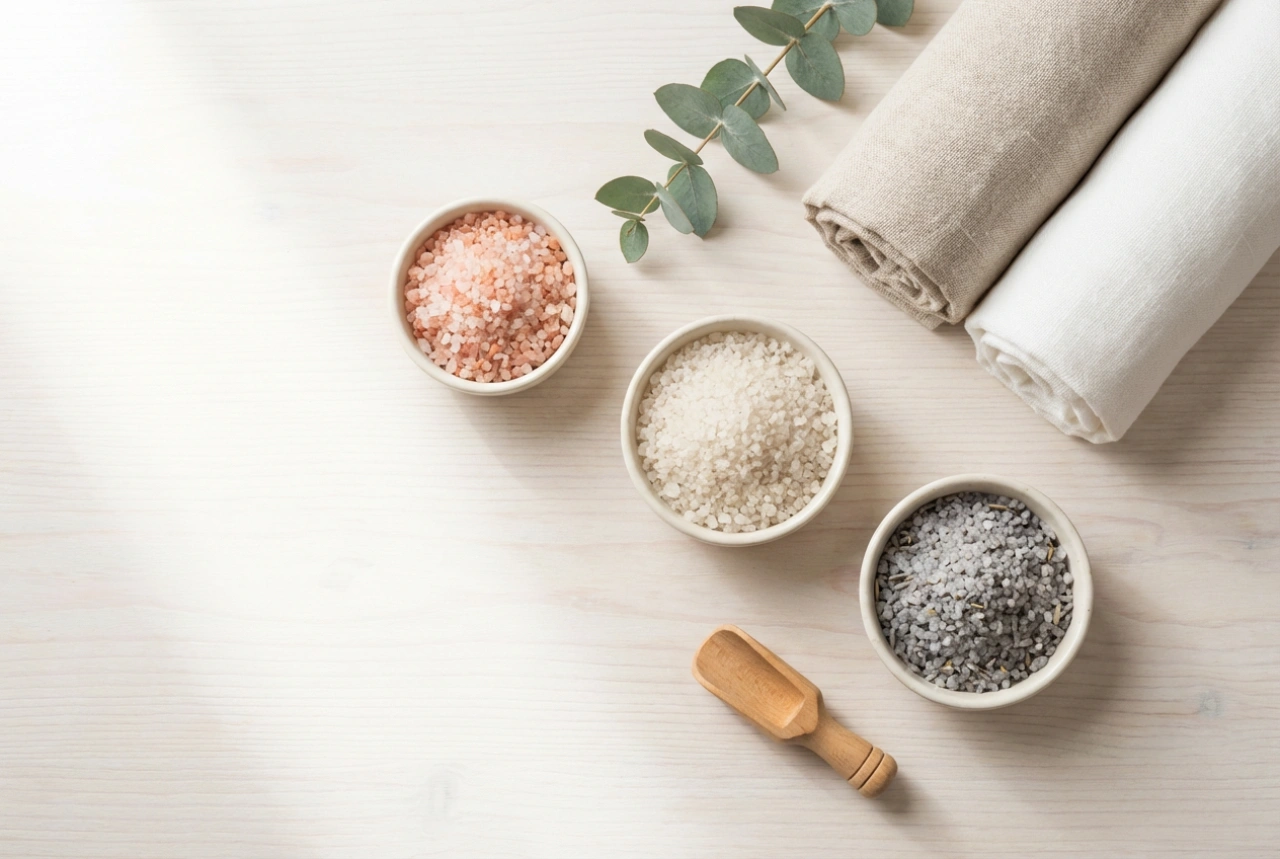
You can find magnesium for bathing in the form of flakes or crystals. Both dissolve well in warm water. Look for products specifically intended for cosmetic use in bathing. Typically, you will need around one to two cups (approximately 250-500g) for a standard-sized bathtub, but it's always wise to check the general usage suggestions on the packaging.
The Ideal Water Temperature
The temperature of your bathwater plays a crucial role in your comfort and the overall experience. Aim for a temperature that is pleasantly warm, but not scalding hot. The ideal range is generally between 37°C and 39°C (98°F to 102°F). Water that is too hot can be overly stimulating, counteracting the relaxing effect, and may also strip the skin of its natural oils, leading to dryness. A bath thermometer can be helpful to get it just right, but testing the water with your wrist is a reliable alternative.
The Step-by-Step Process
To ensure the magnesium dissolves completely, it's best to add the flakes while the tap is running. Start filling the tub with warm water, and as it fills, pour in your measured amount of magnesium flakes directly under the stream of water. Swirl the water with your hand to help any remaining particles dissolve before you get in. Allow yourself to soak for at least 15-20 minutes to fully enjoy the relaxing benefits.
Enhancing the Experience with Accessories
Transforming your bathroom into a personal sanctuary will elevate your magnesium bath from a simple soak to a luxurious ritual. Setting the right atmosphere can significantly deepen your sense of calm and relaxation.
- Soft Lighting: Dim the lights or use candles to create a soft, gentle glow. If using candles, always place them on a stable surface away from flammable items and never leave them unattended.
- Calming Sounds: Play some gentle, instrumental music, a calming nature-sounds track, or an interesting podcast. This helps to quiet a busy mind and block out distracting household noises.
- Aromatherapy: Enhance the sensory experience with essential oils. It is important not to add essential oils directly to the bathwater, as they don't dissolve and can irritate the skin. Instead, mix 5-10 drops of a skin-safe oil like lavender, chamomile, or ylang-ylang with a tablespoon of a carrier oil (such as jojoba or almond oil) before adding it to the tub.
- Comfort is Key: Use a bath pillow or a rolled-up towel to support your head and neck. Keep a glass of water within reach to stay hydrated, as a warm bath can cause you to perspire.
Post-Bath Care Routine
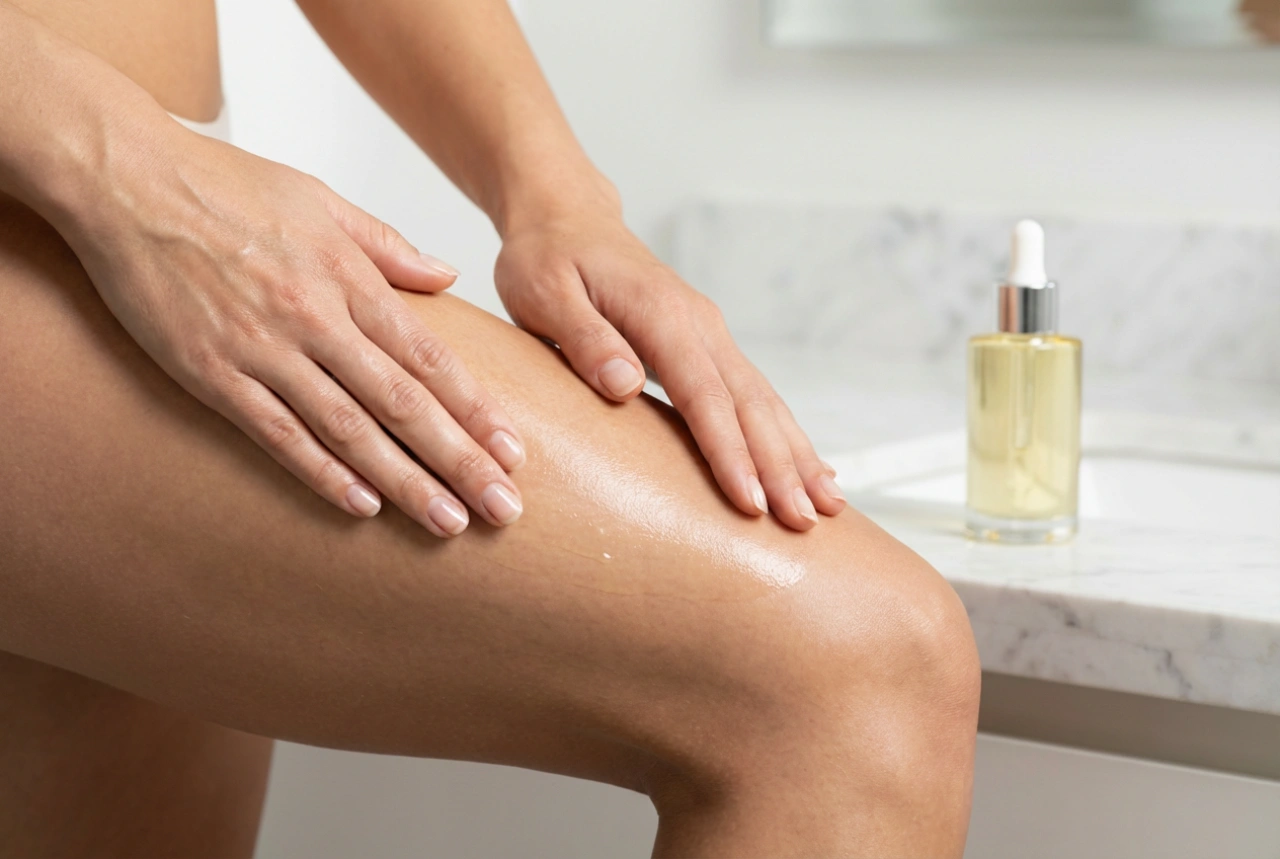
What you do after your bath is just as important as the soak itself. To round off your self-care session, take a few moments for some post-bath care. Once you're finished soaking, it's a good idea to have a quick rinse with clean, lukewarm water to wash away any salt residue from your skin. Pat your skin dry with a soft, fluffy towel rather than rubbing vigorously, which can cause irritation. Immediately after drying, while your skin is still slightly damp, apply a generous layer of a hydrating body lotion, cream, or oil. This will help to lock in moisture, leaving your skin feeling soft, smooth, and nourished. Continue the feeling of relaxation by putting on a comfortable robe and resting for a little while before continuing your evening.