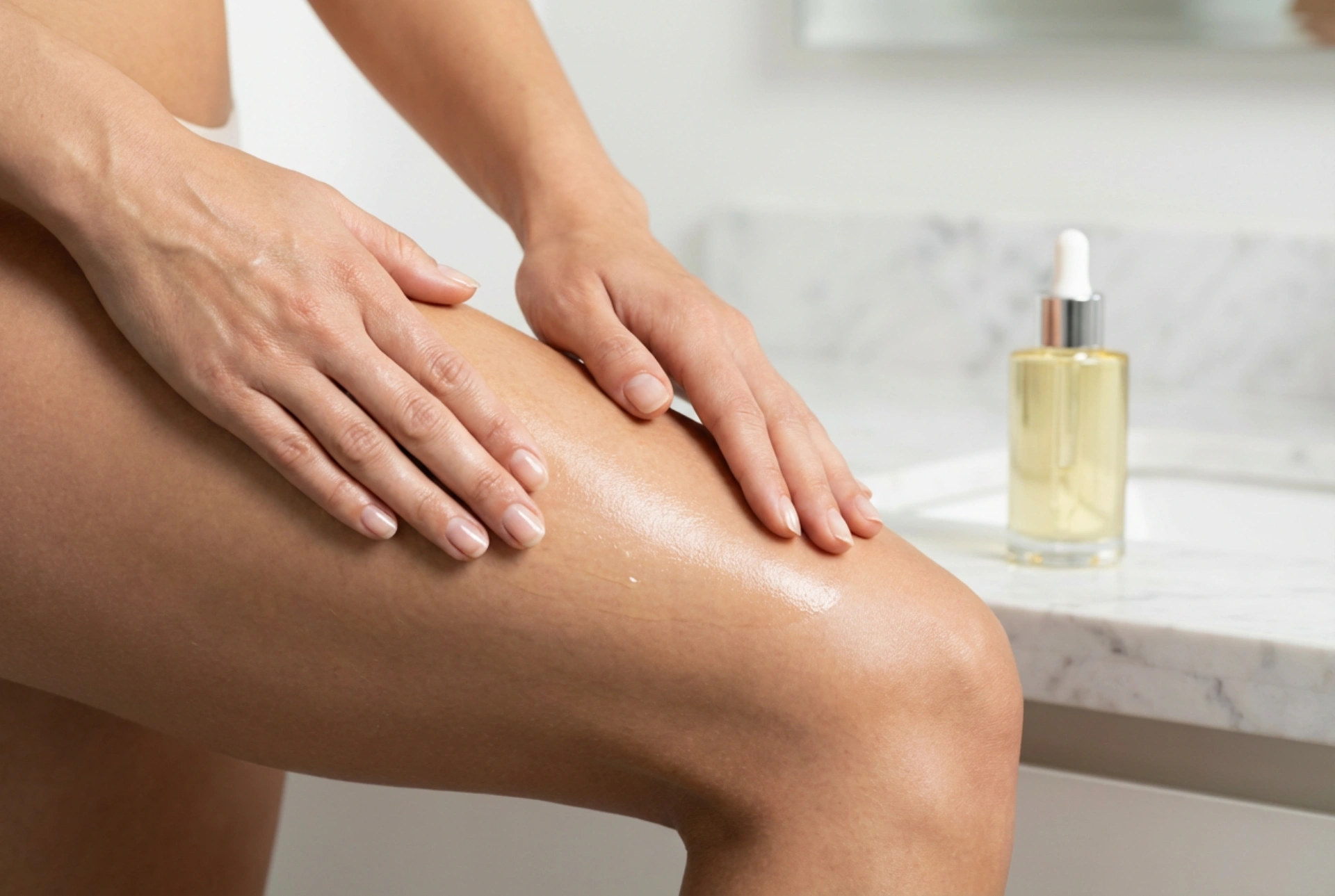


Achieving smooth, firm, and radiant skin is a journey that combines the right cosmetic products with mindful care techniques. When applying a golden, nourishing body oil, the gentle slip on the skin under soft, natural light can transform a simple chore into a tranquil beauty ritual. The way we treat our skin during this process dictates the overall success of the treatment. Using a dedicated massage oil formulated to support skin elasticity and firmness is only the first step. To unlock its full potential, one must understand how the application method, the speed of the movements, and the frequency of the routine work together to improve skin texture.
The Role of Massage Oils in Skin Firming
Body oils play a vital role in keeping the skin supple, hydrated, and resilient. Unlike lightweight lotions that absorb almost instantly, a rich body oil provides the perfect glide needed to perform a structured manual massage without causing discomfort or irritation. When applied to areas like the thighs, hips, and abdomen, the oil forms a protective, nurturing barrier that temporarily locks in moisture while allowing hands to glide effortlessly across the skin. This lubricated surface is essential for executing deep, sweeping motions that stimulate the outer layers of the epidermis.
Furthermore, natural plant-based oils are packed with essential fatty acids, vitamins, and antioxidants. When massaged into the skin, these ingredients work to nourish the lipid barrier, enhancing the skin's natural elasticity. The physical action of massaging the oil into the skin also helps to support local surface circulation, giving the skin a healthy, temporary glow and making it appear visibly smoother and firmer. By combining high-quality, plant-derived oils with targeted massage techniques, you provide the skin with both structural nourishment and mechanical stimulation.
The Art of the Massage: Step-by-Step Technique
To maximise the benefits of your body care routine, mastering the correct massage technique is crucial. The fundamental rule of any body massage, particularly for the legs and thighs, is to always work in the direction of natural fluid circulation, moving from the lower parts of the body upward towards the heart. This approach assists the body's natural processes and helps promote a lighter, more refreshed feeling in the limbs.
1. Warming and Preparing the Skin
Before beginning, warm a few drops of the massage oil between your palms. This not only makes the application more comfortable but also helps the oil spread evenly. Begin with light, sweeping strokes, starting at the knees and moving up to the hips. This initial step prepares the skin and underlying tissues for deeper movements, while covering the entire area with a thin, glistening layer of oil.
2. Circular and Kneading Movements
Once the skin is primed, transition to small, circular motions using your fingertips or knuckles. Focus on areas where the skin feels less firm. Use moderate, comfortable pressure to perform circular patterns, moving gradually upward. You can also incorporate gentle kneading motions, similar to kneading dough. Gently grasp a section of skin between your thumb and fingers, rolling it slightly before releasing. This action targets the skin's deeper layers, promoting elasticity and smoothing out uneven textures without causing bruising or pain.
3. Finishing with Long, Calming Strokes
Conclude the session with the same long, sweeping strokes used during the preparation phase. This helps soothe the nerves, distributes any remaining oil evenly, and leaves the skin with a radiant, healthy sheen. The entire process should feel relaxing and revitalising rather than painful or stressful.
Pace and Intensity: Finding the Balance
When it comes to skin-firming massages, speed and pressure are often misunderstood. Many believe that faster, highly aggressive movements yield quicker results. However, the opposite is often true. A rushed, overly intense massage can irritate the skin, cause micro-trauma, or lead to broken capillaries, especially on sensitive areas like the inner thighs. A slow, steady, and deliberate pace is far more effective for promoting skin wellness and relaxation.
The ideal pace should be rhythmic and calming. Slow movements allow you to apply consistent pressure, ensuring that the oil is thoroughly absorbed and that the massage targets the tissue layers effectively. If you feel pain, the pressure is too high. The sensation should be deep and warming, but always comfortable. By maintaining a steady, moderate tempo, you encourage the relaxation of tense muscles while simultaneously encouraging surface-level blood flow, which brings essential oxygen and nutrients to the skin cells.
The Power of Consistency in Body Care
Even the most advanced technique and the finest botanical oil will yield limited results if used sporadically. The true key to improving skin texture, firmness, and overall appearance is consistency. The skin requires regular stimulation to maintain its elasticity and adapt to the nourishing ingredients within the oil. Creating a structured beauty ritual that fits into your daily or weekly schedule is the most reliable path to visible improvement.
- Daily Maintenance: Incorporating a brief, five-minute massage into your post-shower routine every day helps keep the skin continuously hydrated and stimulated.
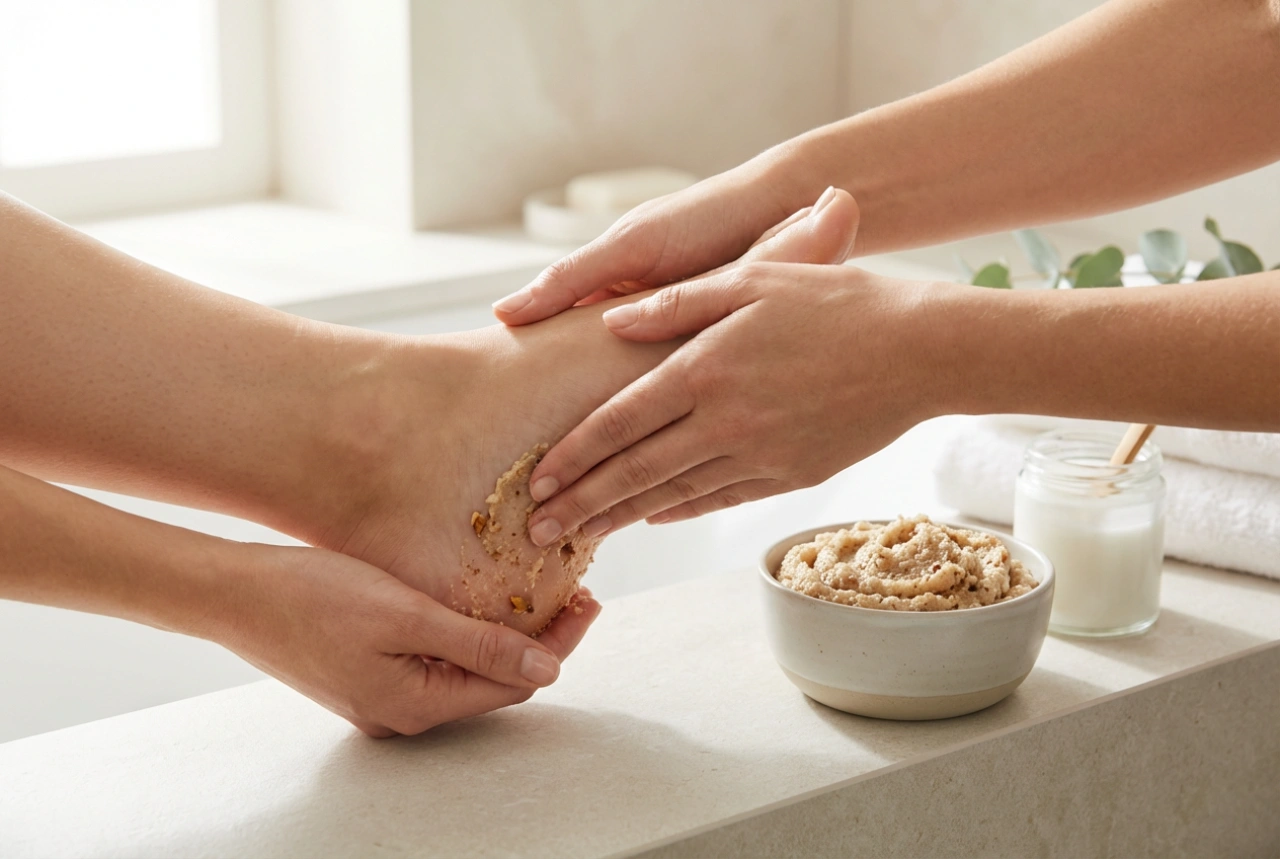
- Weekly Deep Sessions: Set aside fifteen to twenty minutes twice a week for a more thorough, dedicated massage session, perhaps after an exfoliating body scrub to enhance oil absorption.
- Patience and Time: Skin renewal cycles typically take about twenty-eight days. Expect to see initial improvements in softness and radiance within the first week, while structural changes in firmness and smoothness will become more apparent after several weeks of dedicated care.
To integrate this habit seamlessly, try linking it to an existing routine, such as right after your evening bath or morning shower when the skin is still slightly damp. Applying oil to damp skin helps lock in extra moisture, making the oil absorb more efficiently and leaving a less greasy residue. Over time, this consistent dedication transforms from a physical task into a soothing mental retreat, offering a moment of quiet mindfulness in a busy day.
Selecting the Right Botanical Ingredients
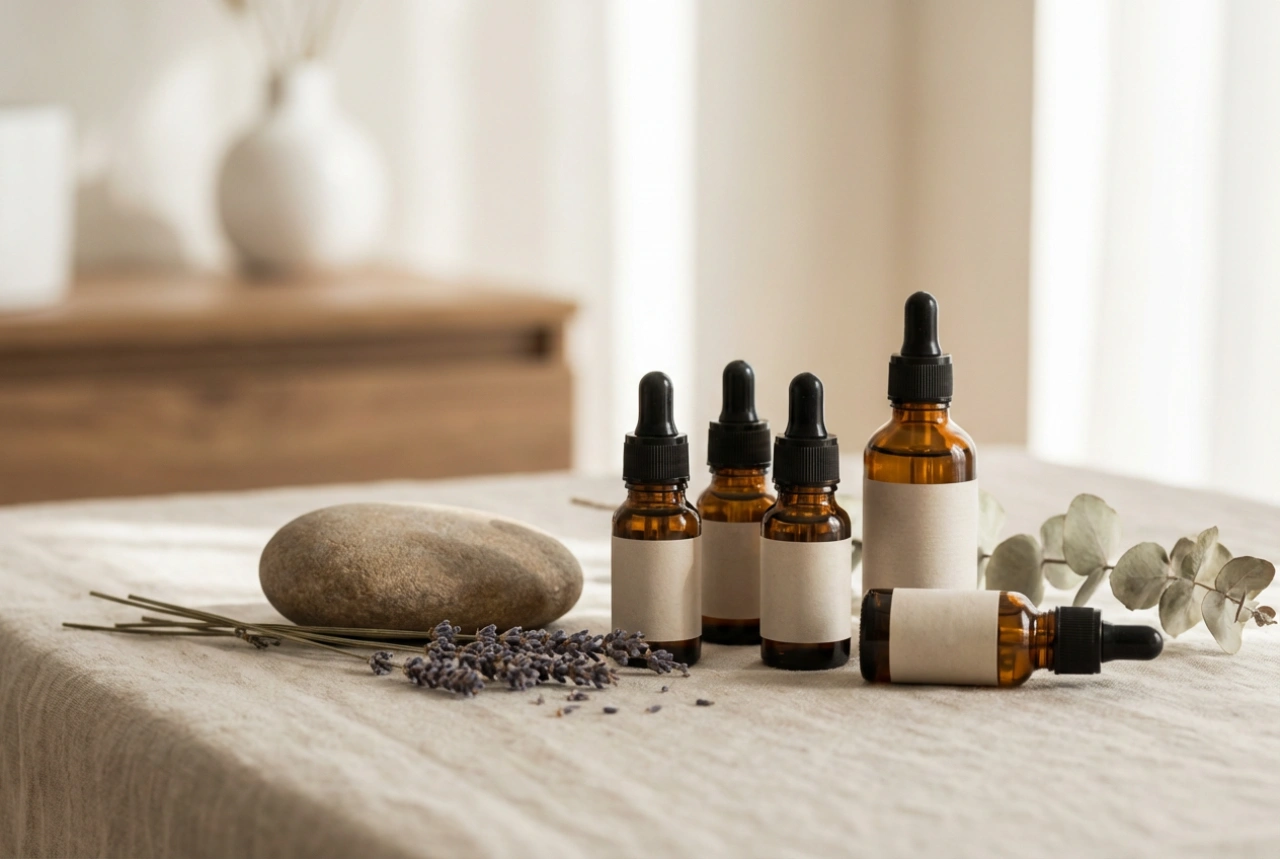
To complement your technique, choose body oils containing natural, nourishing extracts. Look for base oils such as sweet almond, macadamia, or jojoba, which offer excellent slip and are highly compatible with the skin's natural sebum. For an invigorating experience, oils infused with rosemary, grapefruit, green tea, or ivy extracts are popular choices in cosmetic formulations designed for firming. These botanical extracts provide a refreshing aroma and support the skin's natural vitality, turning your daily massage into a multisensory, rejuvenating self-care ritual.