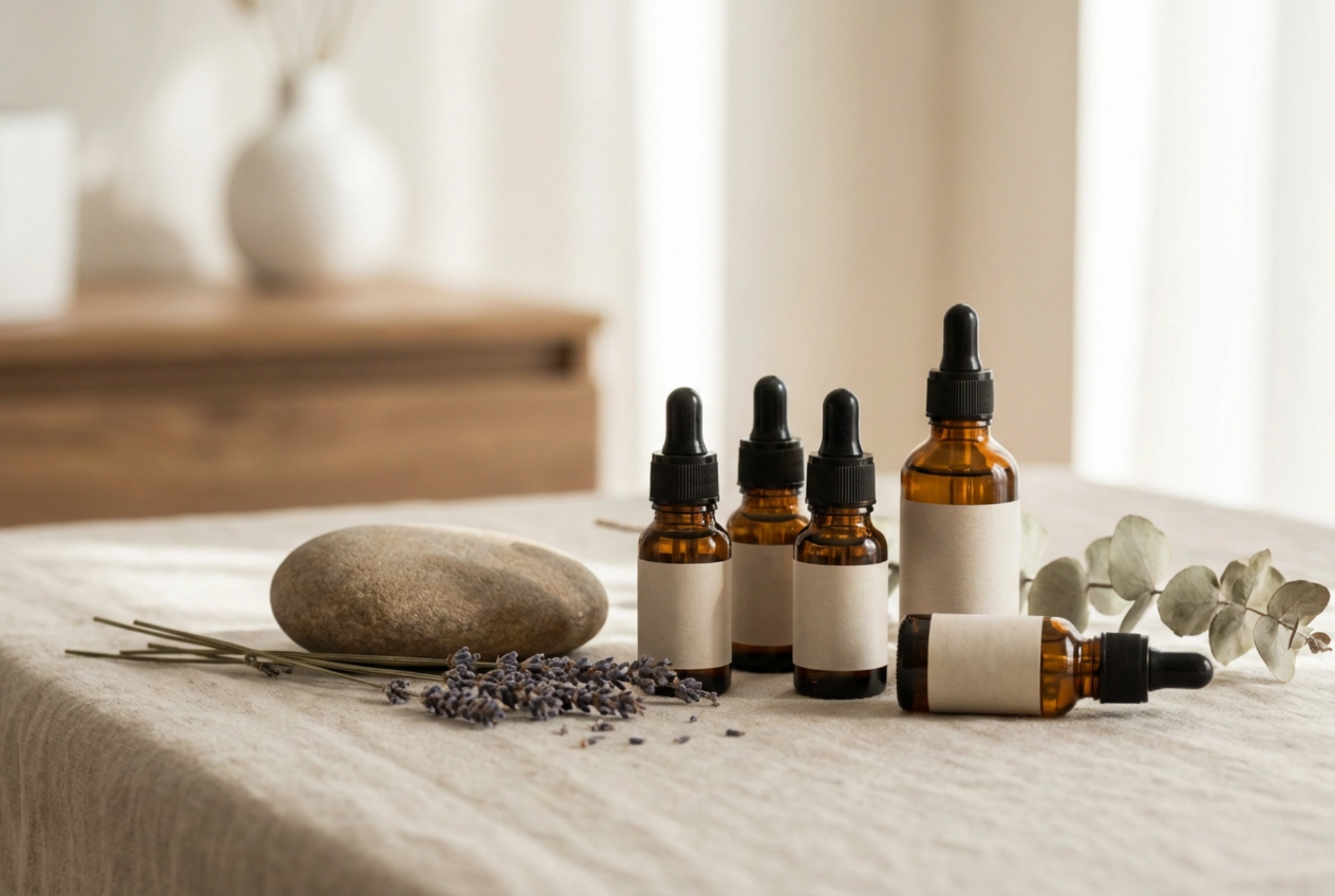


Creating a tranquil sanctuary at home is one of the most rewarding ways to practice self-care. Picture a serene setting where small amber bottles of aromatic botanical extracts sit alongside smooth, warm massage stones on a soft linen cloth. This imagery forms the perfect backdrop for exploring the art of aromatherapy massage. Utilizing essential oils during a home massage not only enhances the physical glide over the skin but also elevates the entire sensory experience, offering a deeply soothing ritual for both body and mind.
The Foundation of Massage: Dilution and Carrier Oils
Before diving into the complex world of essential oils, it is vital to understand that these concentrated botanical essences should never be applied directly to the skin. Because they are highly potent, they require a medium to dilute them, known as a carrier oil. Choosing the right carrier oil is just as important as selecting the essential oils themselves, as it determines the glide, absorption rate, and nourishing qualities of your massage blend.
Sweet almond oil is one of the most popular carrier oils for massage. It is rich in vitamins and fatty acids, offering a smooth, medium-weight glide that absorbs moderately slow, allowing ample time for massage strokes. For those with drier skin, avocado oil or jojoba oil can be excellent choices. Jojoba oil closely mimics the skin's natural sebum, making it highly compatible and non-greasy. If you prefer a lighter, silkier feel, grapeseed oil or fractionated coconut oil provides a lightweight option that leaves the skin feeling soft without a heavy residue. Always ensure your carrier oil is cold-pressed and fragrance-free to let the aromatic notes of your essential oils shine through.
Selecting Your Essential Oil Blend
Creating a personalized aromatic blend is a creative process that allows you to tailor the massage experience to your current emotional and physical needs. Depending on your goals, you can blend oils to encourage deep relaxation, promote a sense of vitality, or restore overall balance. Here are some classic combinations to try:
- Relaxing Blend: Combining lavender, sweet marjoram, and Roman chamomile creates a deeply peaceful atmosphere. Lavender is renowned for its calming properties, while sweet marjoram offers a warm, woody undertone that helps ease the mind after a long day.
- Invigorating Blend: To awaken the senses and feel refreshed, mix sweet orange, grapefruit, and a hint of peppermint. Citrus oils are naturally uplifting, while peppermint adds a subtle, cooling sensation that revitalises the skin.
- Grounding Blend: For a sensory experience that feels deeply rooted, combine frankincense, cedarwood, and bergamot. This combination offers rich, earthy notes balanced by a bright, citrusy top note, perfect for mindful meditation and quiet reflection.
When mixing your blend, a standard safe dilution rate for cosmetic body massage is between 1% and 2%. This translates to roughly 6 to 12 drops of essential oil per 30 ml (one ounce) of your chosen carrier oil. Always mix your oils in a clean glass vessel—preferably an amber bottle to protect the delicate compounds from light damage—and shake gently to integrate the blend before use.
Massage Techniques and Application
The way you apply the oil blend dramatically influences the effectiveness of your home massage. Preparing your skin and using systematic, gentle strokes ensures that the oils are absorbed evenly while promoting maximum relaxation.
Preparing the Oil and Skin
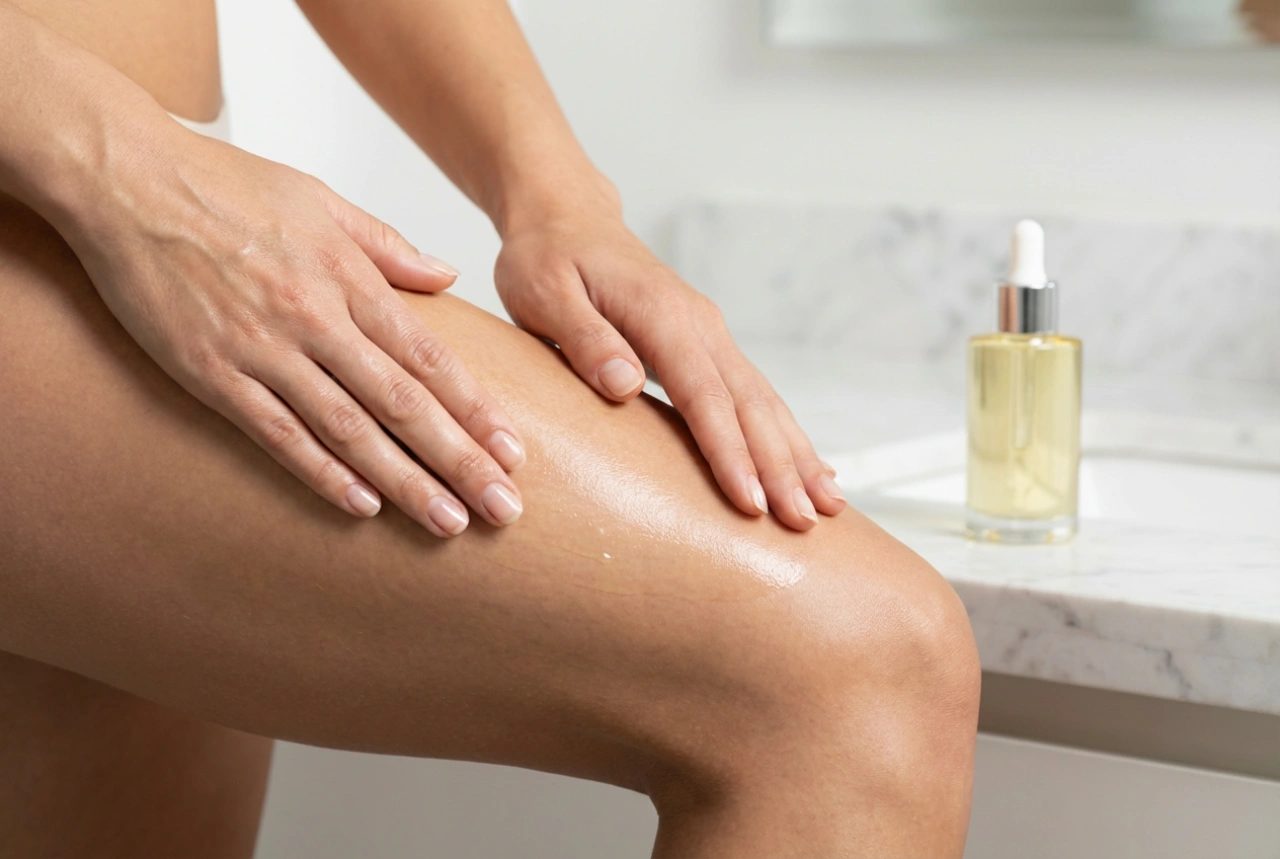
Never apply cold oil directly to the skin, as the sudden temperature drop can cause the muscles to tense. Instead, pour a small amount of your blended oil into the palms of your hands and rub them together vigorously to warm the liquid. Alternatively, you can place your amber bottle of blended oil in a bowl of warm water for a few minutes before starting. Ensure the skin is clean and slightly damp, perhaps after a warm bath, which helps lock in moisture and improves the absorption of the botanical nutrients.
Effleurage and Gentle Strokes
Begin your massage with effleurage, which consists of long, sweeping, and gliding strokes using the flat of your hands. Move from the extremities toward the center of the body or upward along the back. This initial step helps distribute the oil evenly across the skin, warms up the underlying tissues, and establishes a rhythmic, calming pace. Keep your movements slow and continuous, maintaining contact with the skin at all times to preserve the sense of relaxation.
Incorporating Smooth Stones
For an elevated experience, you can introduce smooth, flat massage stones. Warm them safely in a bowl of warm water, dry them thoroughly, and check their temperature on your inner wrist to ensure they are comfortably warm but not hot. Apply a generous layer of oil to the skin first, then gently glide the warm stones along the contours of the shoulders or back. The gentle weight and soothing warmth of the stones work beautifully in tandem with the aromatic oils to melt away tension.
Creating the Ultimate Sensory Environment
A massage is not just a tactile experience; it is a holistic sensory journey. To get the most out of your essential oil blends, pay attention to the environment in which the massage takes place. Soft, diffused lighting—such as gentle candlelight or shaded daylight—helps signal to the brain that it is time to unwind. Play soft, ambient music or natural sounds in the background to mask external noise.
Keep the room comfortably warm, as the body temperature tends to drop during a relaxing massage. Having soft linen sheets and warm towels on hand is essential for draped comfort. By curating a peaceful, quiet space, you allow the aromatic molecules of the essential oils to interact fully with your senses, creating an oasis of pure well-being.
Safety Guidelines and Best Practices
While essential oils are natural, they are incredibly potent and must be handled with care. Adhering to simple safety practices ensures your home wellness rituals remain safe and enjoyable.
- Perform a Patch Test: Before applying any new essential oil blend to a larger area of the body, apply a single drop of the diluted mixture to your inner forearm. Wait 24 hours to monitor for any redness or irritation.
- Avoid Sensitive Areas: Keep essential oils away from the eyes, nose, inner ears, and any broken or irritated skin.
- Beware of Photosensitivity: Citrus essential oils, such as lemon, lime, and bergamot, can cause the skin to become highly sensitive to sunlight. Avoid direct sun exposure or UV rays for at least 12 hours after applying these oils to the skin.
- Storage: Store your custom blends in airtight amber glass bottles in a cool, dark place. This protects the active ingredients from oxidation and UV light, preserving their aromatic potency and skin-nourishing qualities for longer.
By combining mindful selection of essential oils, proper dilution with nourishing carriers, and gentle, warm application techniques, you can transform a simple home massage into a deeply restorative beauty and wellness ritual.