

Achieving beautifully smooth skin is a common beauty goal, and for many, a good razor is an essential tool. The act of shaving, whether on legs, underarms, or other areas, can be a simple and effective method of hair removal when done correctly. However, the difference between a comfortable, close shave and one that results in irritation often lies in the details: the type of razor, the sharpness of the blades, and the technique used. Understanding these elements can transform your shaving routine into a pleasant self-care ritual.
How to Choose the Right Razor
The market offers a wide variety of razors, and finding the one that suits your skin and hair type is the first step towards a perfect shave. When selecting a razor, consider several key features that contribute to its performance and comfort.
Handle and Head Design
The handle of a razor should feel comfortable and secure in your hand, even when wet. Look for ergonomic designs with a non-slip grip to ensure you have full control. The razor head is another crucial component. Many modern razors feature a pivoting head, which is designed to adapt to the contours of your body, such as around the knees and ankles. This flexibility can help achieve a closer shave with less risk of nicks. A fixed head, on the other hand, offers more precision but may require more careful handling.
The Number of Blades
Razors come with varying numbers of blades, typically from one to five or more. A multi-blade system is designed to provide a closer shave in a single stroke. The first blade lifts the hair, allowing subsequent blades to cut it progressively closer to the skin's surface. While this can be very efficient, individuals with highly sensitive skin might find that fewer blades cause less irritation. It can be a matter of personal preference and experimentation to find what works best for you.
Blade Maintenance and Replacement
A sharp, clean blade is non-negotiable for a good shave. Using a dull blade is a common cause of skin irritation, redness, and an uneven finish, as it tends to pull at the hair rather than cut it cleanly. It also requires you to apply more pressure, increasing the risk of cuts.
When to Change Your Blade
There is no strict rule for how often to change a razor blade, as it depends on factors like your hair thickness and how frequently you shave. A general guideline is to replace it after 5-7 shaves. However, the best indicator is performance. If you notice the blade tugging at your hair, feeling rough on your skin, or if the lubricating strip has faded completely, it's time for a new one. To prolong the life of your blades, always rinse them thoroughly with hot water after each use to remove hair and shaving cream. Store the razor in a dry place where it can air out, as moisture can degrade the blades over time. Avoid wiping the blades with a towel, as this can dull them prematurely.
Mastering the Shaving Technique
Your technique is just as important as the tool you use. Rushing the process or using improper movements can easily lead to skin complaints. A mindful and methodical approach will yield the best results.
Preparation is Key
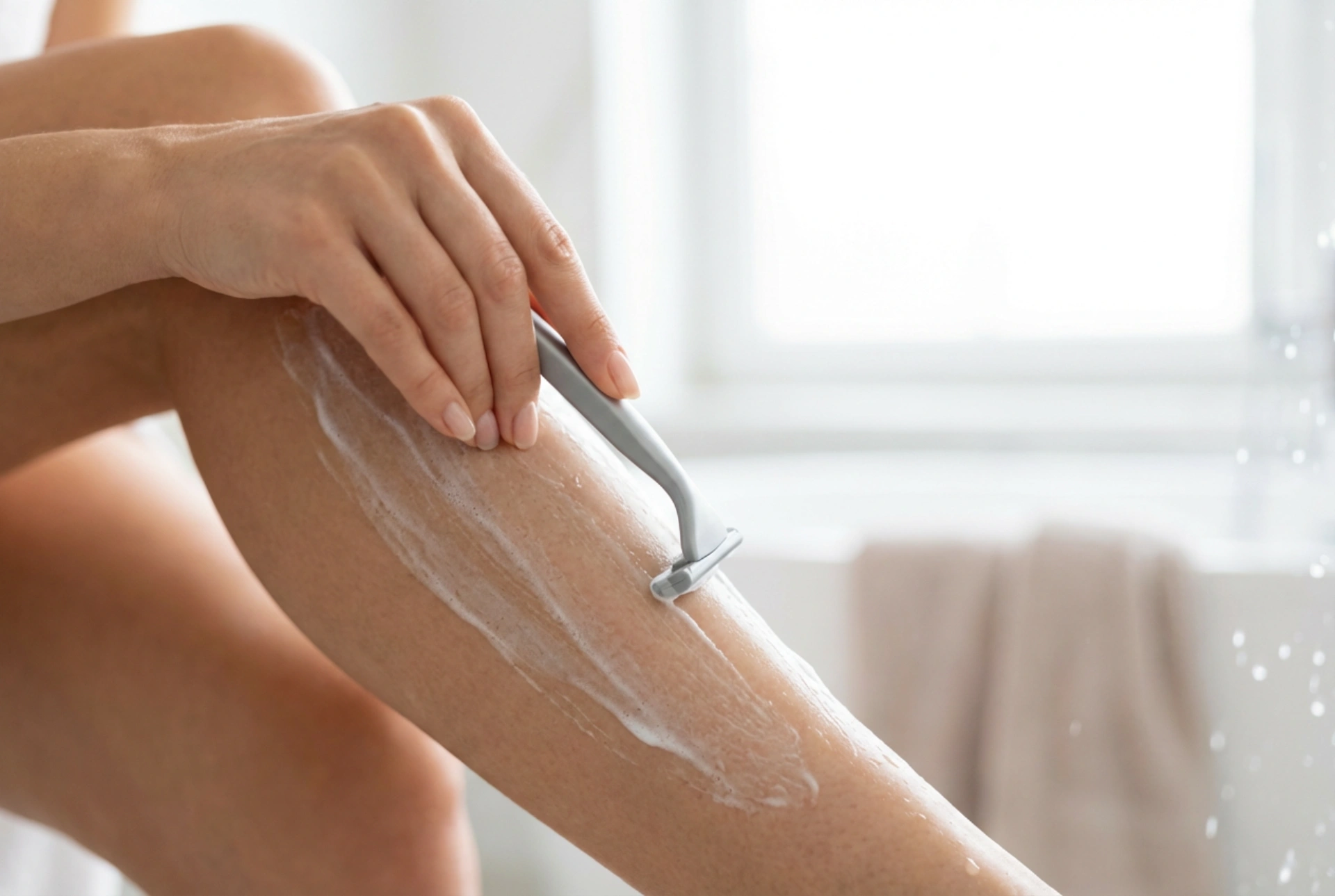
Never shave dry skin. Begin by wetting the area with warm water for a few minutes. This helps to soften the hair and open up the pores, making shaving easier and more comfortable. Apply a generous layer of a hydrating shaving cream, gel, or foam. This creates a protective barrier between the blade and your skin, allowing the razor to glide smoothly and reducing friction.
Correct Movements and Pace
For the most comfortable shave, especially on sensitive areas, start by shaving 'with the grain' (in the direction of hair growth). This minimises the chances of irritation. For an even closer result, you can then carefully re-lather and shave 'against the grain'. Use long, light, and steady strokes, and let the razor do the work. There is no need to apply significant pressure; a good, sharp razor will cut effectively with just a gentle touch. Take extra care around bony areas like your ankles, knees, and shins. Go slowly and adjust the angle of the razor to navigate these tricky spots. Rinsing the blade frequently during your shave will keep it from getting clogged and ensure it remains effective.
Post-Shave Care for Lasting Smoothness
What you do after you put the razor down is crucial for maintaining healthy, smooth skin. After you've finished shaving, rinse the area with cool water. This helps to soothe the skin and reduce any potential redness. Gently pat your skin dry with a clean, soft towel instead of rubbing, which can cause irritation. The final and most important step is to moisturise. Apply a gentle, alcohol-free lotion or cream to replenish hydration and protect the skin barrier. This simple step will leave your skin feeling soft, calm, and comfortable.