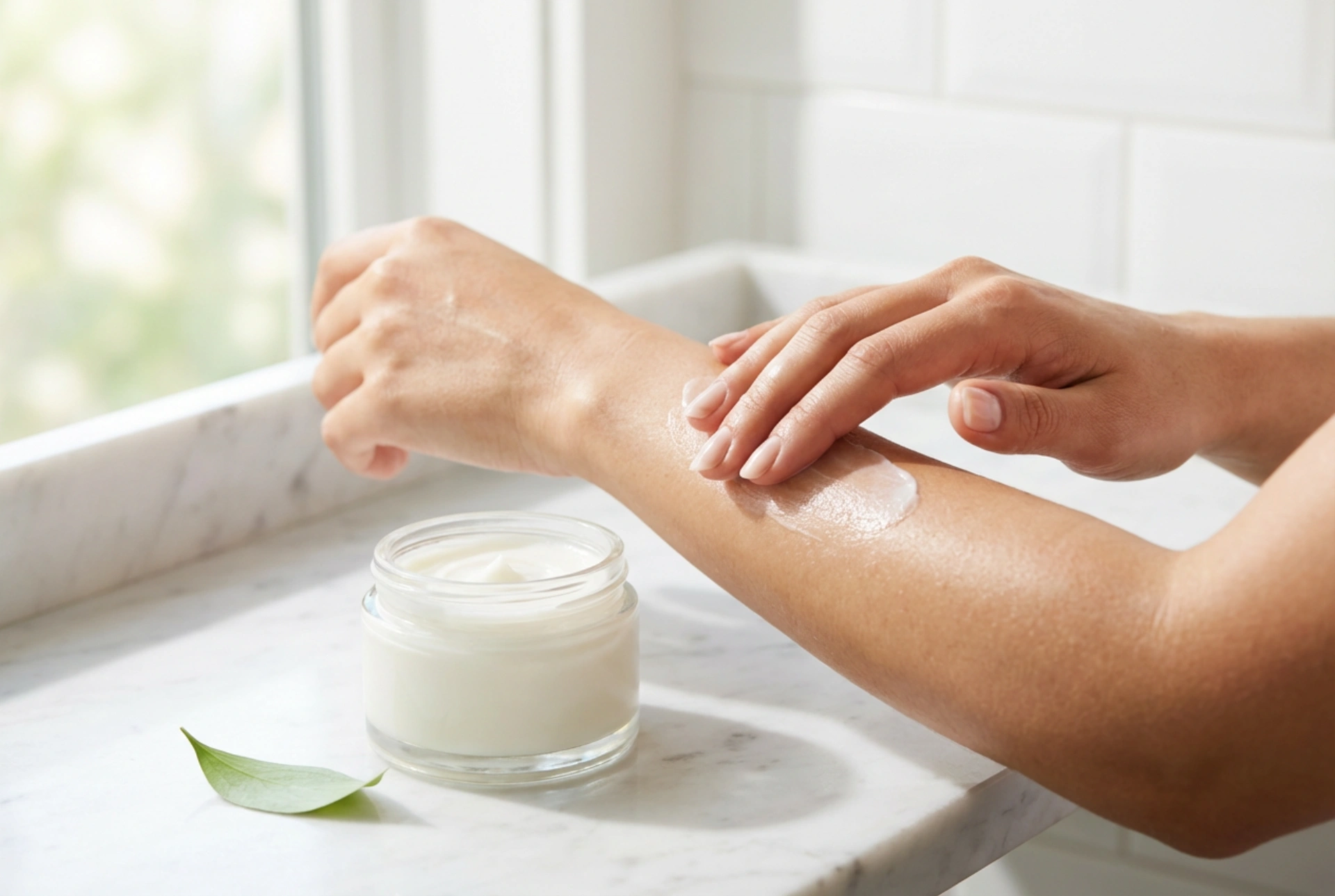


Achieving beautifully soft, hydrated skin is a common beauty goal. The feeling of a rich, luxurious balm melting into the skin is a sensory pleasure that promises deep nourishment. An intensely moisturising body balm can be a cornerstone of any body care routine, especially for those seeking to combat dryness and maintain a healthy, radiant glow. But what makes these balms so effective, and how can we use them to get the best results? Understanding the key components and proper application methods can transform your skin from dry and dull to supple and luminous.
What Distinguishes an Intensely Moisturising Body Balm?
In the world of body care, terms like lotion, cream, and balm are often used, but they are not interchangeable. Lotions have the highest water content, making them light and quick to absorb, suitable for normal skin or summer months. Creams are thicker than lotions, offering a balance of water and oil for more substantial hydration. Balms, however, are the richest of all. They are typically formulated with a high concentration of butters and oils and very little, if any, water. This dense consistency creates a protective, occlusive layer on the skin's surface, which is incredibly effective at sealing in moisture and preventing water loss, a process known as transepidermal water loss (TEWL). This makes them an excellent choice for very dry skin, for tackling rough patches on elbows and knees, or for providing extra protection during harsh weather conditions.
Key Ingredients to Look for in a Moisturising Balm
The effectiveness of a body balm lies in its composition. A well-formulated product will contain a blend of ingredients that work in synergy to soften, hydrate, and protect the skin. When choosing a balm, look for these beneficial components.
Nourishing Natural Butters
Butters provide the rich texture and deep conditioning properties characteristic of balms. They are packed with fatty acids and vitamins that nourish the skin.
- Shea Butter: Extracted from the nut of the African shea tree, it is renowned for its high concentration of vitamins and fatty acids. It's an excellent emollient that helps to soften and smooth dry skin.
- Cocoa Butter: Derived from cocoa beans, this butter is rich in fatty acids and forms a protective barrier over the skin to hold in moisture. It is particularly effective for very dry, rough skin.
- Mango Butter: Softer than shea and cocoa butters, mango butter is prized for its light, non-greasy feel and good spreadability. It melts on contact with the skin and provides lasting moisture.
Protective Plant-Based Oils
Oils act as emollients that help to smooth and soften the skin while reinforcing its natural barrier. They are essential for locking in hydration.
- Jojoba Oil: This oil's structure is remarkably similar to the skin's natural sebum, allowing it to be absorbed easily without clogging pores. It helps to balance moisture levels.
- Coconut Oil: A popular and versatile oil, it is known for its intense moisturising properties and ability to leave the skin feeling soft.
- Avocado Oil: Rich in oleic acid and vitamins A, D, and E, avocado oil is deeply nourishing and helps to soothe and moisturise dry, thirsty skin.
Other Beneficial Components
Beyond butters and oils, other ingredients can enhance a balm's hydrating power. Humectants, which draw moisture from the air to the skin, are a great addition. Glycerin is a classic and effective example. Antioxidants like Vitamin E help to protect the skin from environmental stressors, while soothing agents like panthenol (provitamin B5) can calm and repair the skin barrier.
The Best Techniques for Applying Body Balm
How you apply your body balm can significantly impact its effectiveness. Following a few simple steps will ensure you get the maximum benefit from your product and turn a simple routine into a pampering ritual.
Timing is Everything
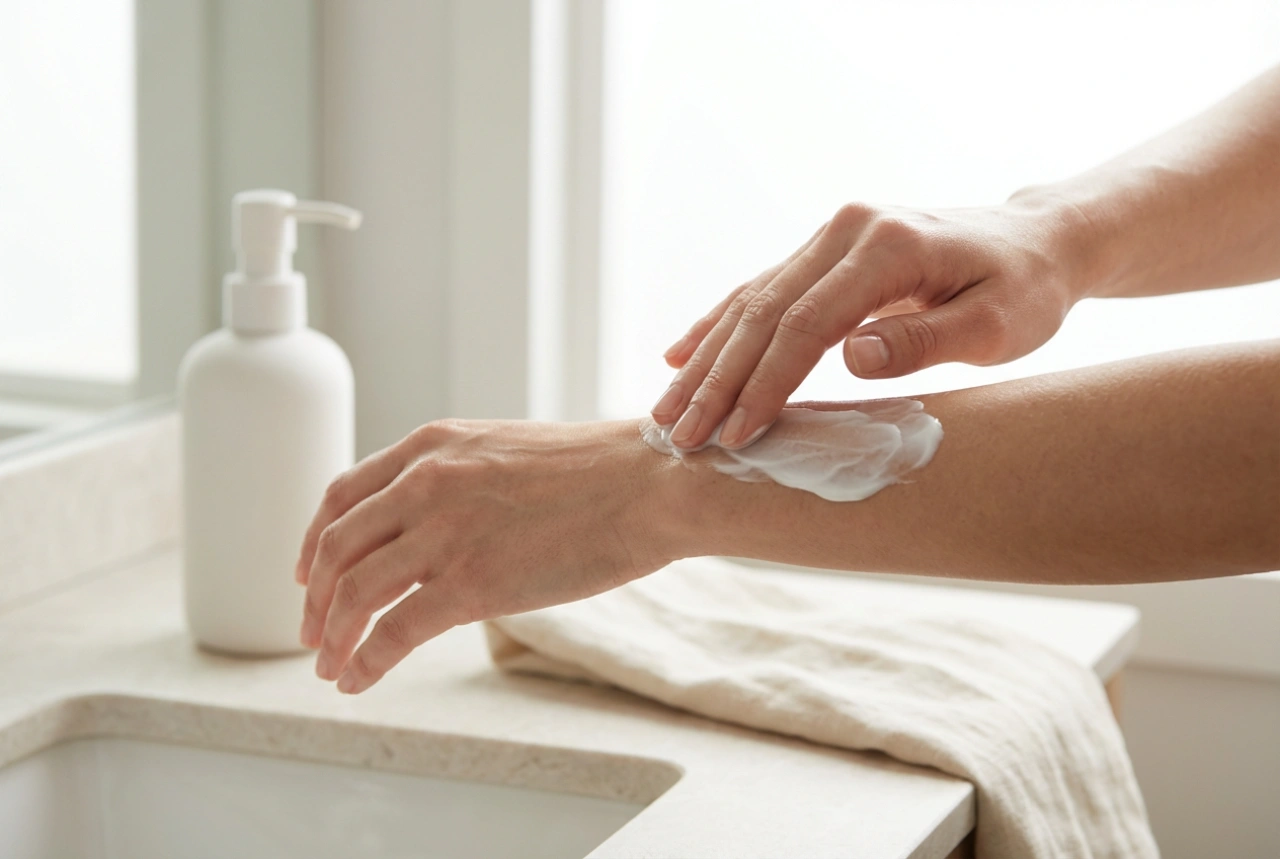
The best time to apply a body balm is immediately after a warm bath or shower. Your skin will be damp and your pores will be more open, allowing the rich formula to penetrate more deeply. Pat your skin gently with a towel, leaving it slightly damp, and then apply the balm to lock in that surface moisture.
Master the Application Method
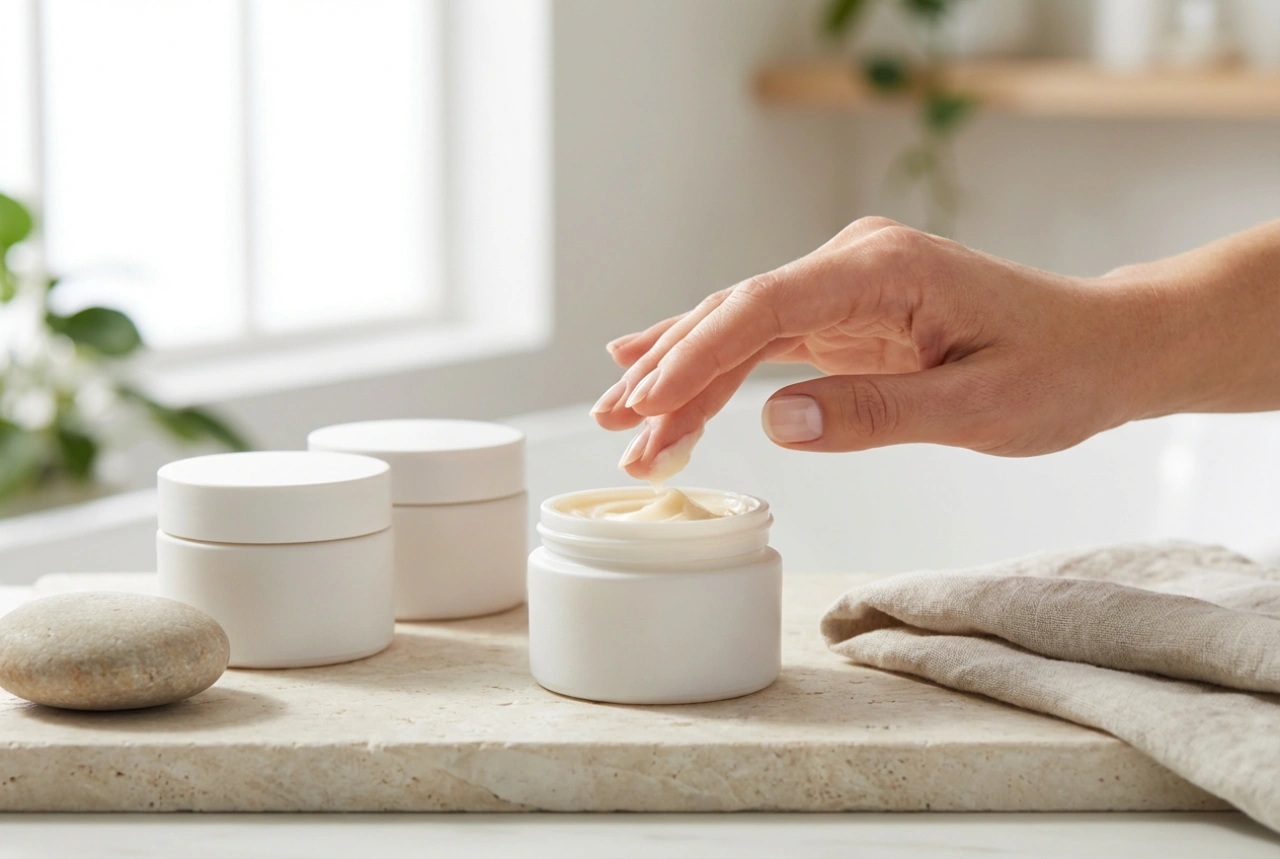
- Warm It Up: Balms are solid at room temperature. Scoop a small amount and warm it between your palms. This melts the product, transforming it into a luxurious oil that glides on smoothly.
- Use Gentle, Circular Motions: Massage the balm into your skin using slow, circular motions. This not only helps with absorption but also stimulates circulation, bringing a healthy glow to the skin.
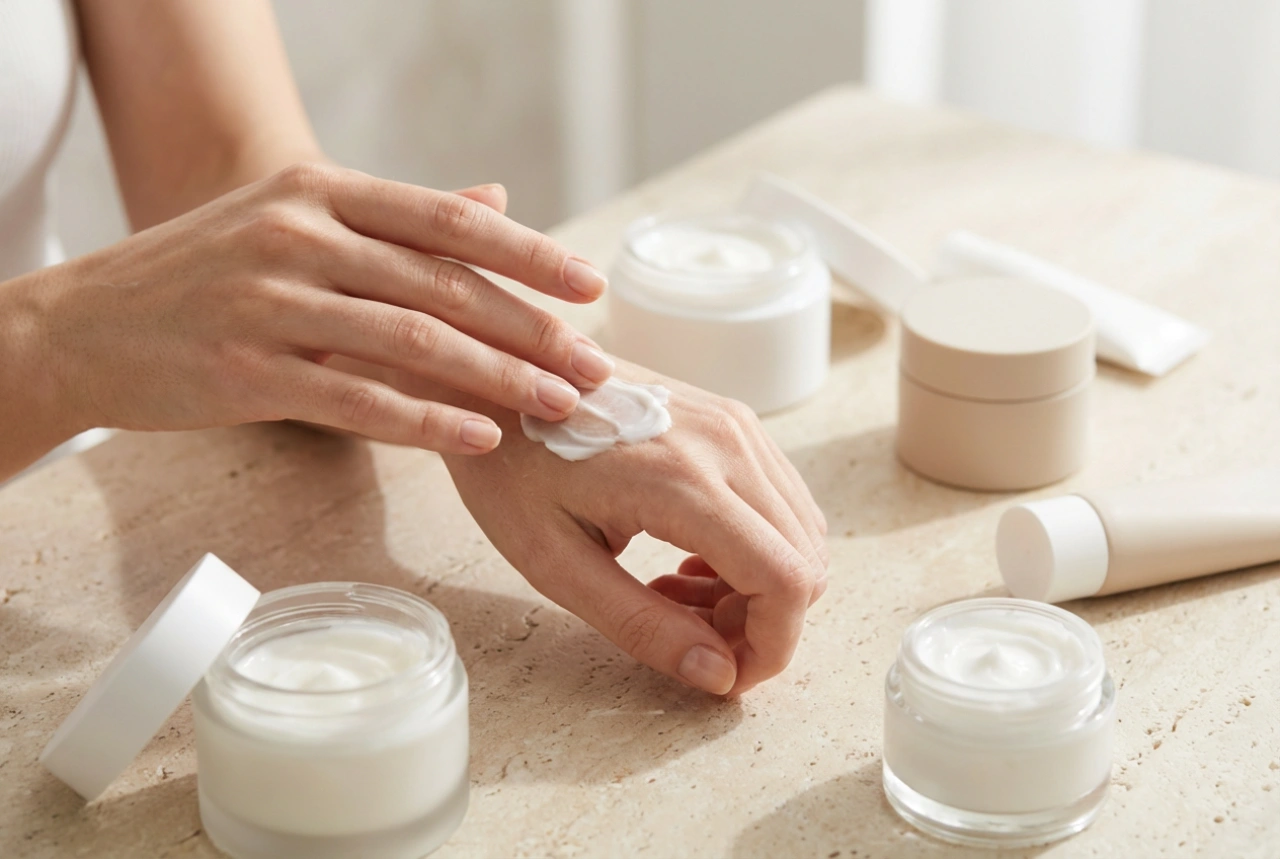
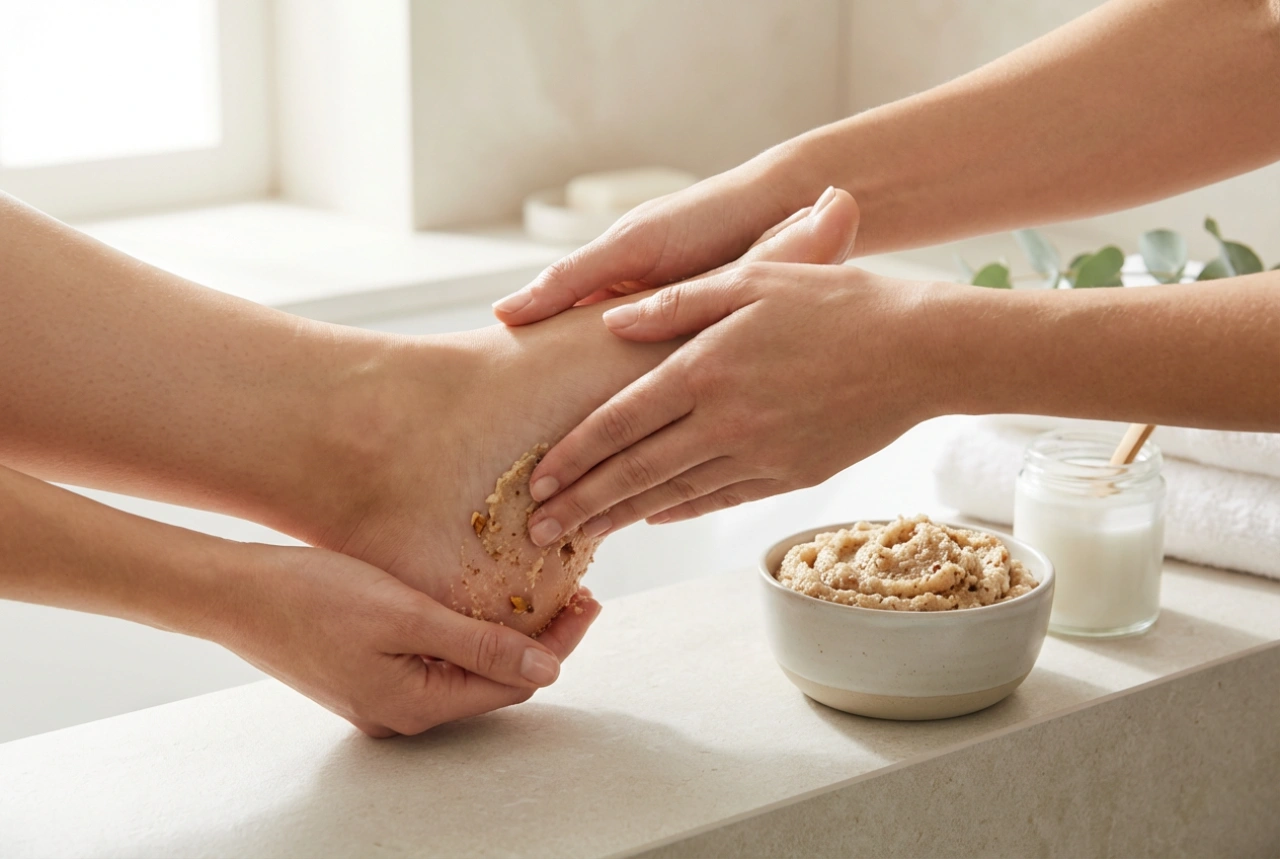
- Focus on Dry Areas: Pay extra attention to areas that are prone to extreme dryness, such as elbows, knees, heels, and hands. Apply a slightly thicker layer here for intensive treatment.
- A Little Goes a Long Way: Due to their concentrated nature, you only need a small amount of balm to cover a large area. Start with less than you think you need and add more if necessary.
By incorporating a high-quality, intensely moisturising body balm into your regular care, you provide your skin with the tools it needs to stay hydrated, soft, and resilient. This simple act of self-care can make a world of difference, especially for those with persistently dry skin, leaving it feeling comfortable and looking beautifully healthy.