

Hair removal cream, also known as depilatory cream, offers a convenient and painless alternative to shaving or waxing, providing smooth skin with minimal effort. This method works by using active ingredients to chemically dissolve hair at the surface of the skin. To achieve the best results and avoid irritation, it is crucial to understand how to choose the right product, apply it correctly, and care for your skin afterwards. Following a few simple steps can transform this process into a gentle and effective beauty ritual.
Choosing the Right Hair Removal Cream
The effectiveness and safety of using a depilatory cream begin with selecting a product that is well-suited to your needs. Not all creams are created equal, and considering factors like your skin type and the area you intend to treat is essential.
Consider Your Skin Type
Manufacturers formulate creams for different skin types, primarily normal, dry, and sensitive. If you have sensitive skin that is prone to redness or irritation, look for products specifically labelled for sensitive skin. These often contain soothing ingredients like aloe vera or chamomile extract to help calm the skin during the process. For dry skin, creams enriched with moisturising agents such as shea butter or oils can help replenish hydration.
Match the Cream to the Body Area
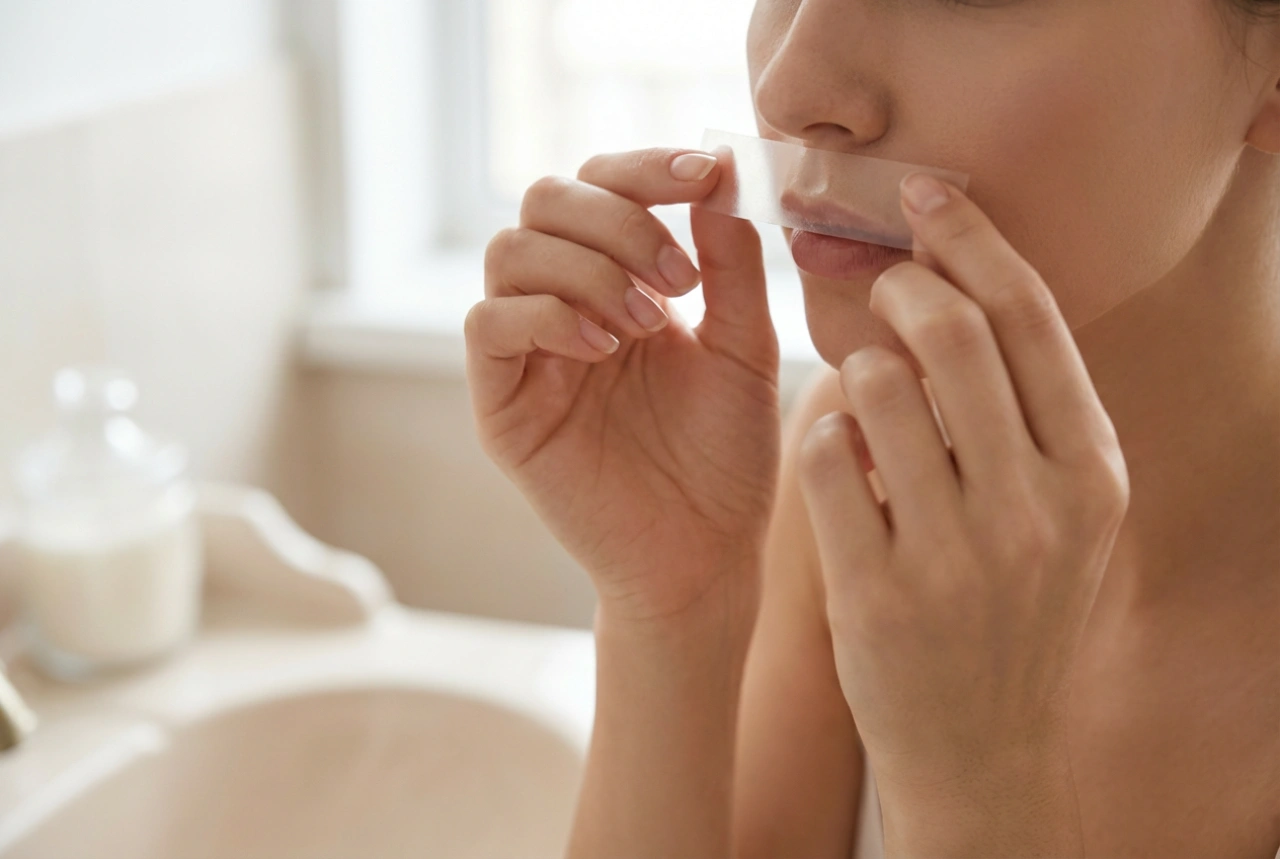
The skin on your face, underarms, and bikini line is much more delicate than the skin on your legs. For this reason, you should always use a cream designed for the specific body part you are treating. Facial hair removal creams have milder formulas to prevent irritation on delicate facial skin, while creams for the bikini line are formulated to be gentle on this sensitive area. Using a strong cream meant for legs on your face could lead to significant discomfort and redness.
The Importance of a Patch Test
Before applying a new cream to a large area, always perform a patch test. Apply a small amount of the product to a discreet patch of skin, such as the inside of your elbow or behind your knee. Leave it on for the maximum time recommended in the instructions, then remove it. Wait at least 24 hours to check for any adverse reactions like redness, itching, or burning. This simple step is the most reliable way to ensure the product is safe for you to use.
How to Prepare Your Skin
Proper preparation can make a significant difference in the outcome and help protect your skin. Taking a few moments to get your skin ready will ensure the cream works as effectively as possible.
- Clean and Dry Skin: Start by washing the area with a mild cleanser and warm water to remove any oils, lotions, or deodorants. Afterwards, pat the skin completely dry with a clean towel. Applying cream to damp skin can dilute the formula and make it less effective.
- Avoid on Irritated Skin: Never apply hair removal cream to broken, sunburnt, inflamed, or irritated skin. This includes any cuts, scrapes, or rashes. Using the cream on compromised skin can cause significant pain and may worsen the condition.
Application, Timing, and Removal
The application process itself is straightforward, but paying close attention to timing and removal technique is key to achieving smooth results without harming your skin.
Applying an Even Layer
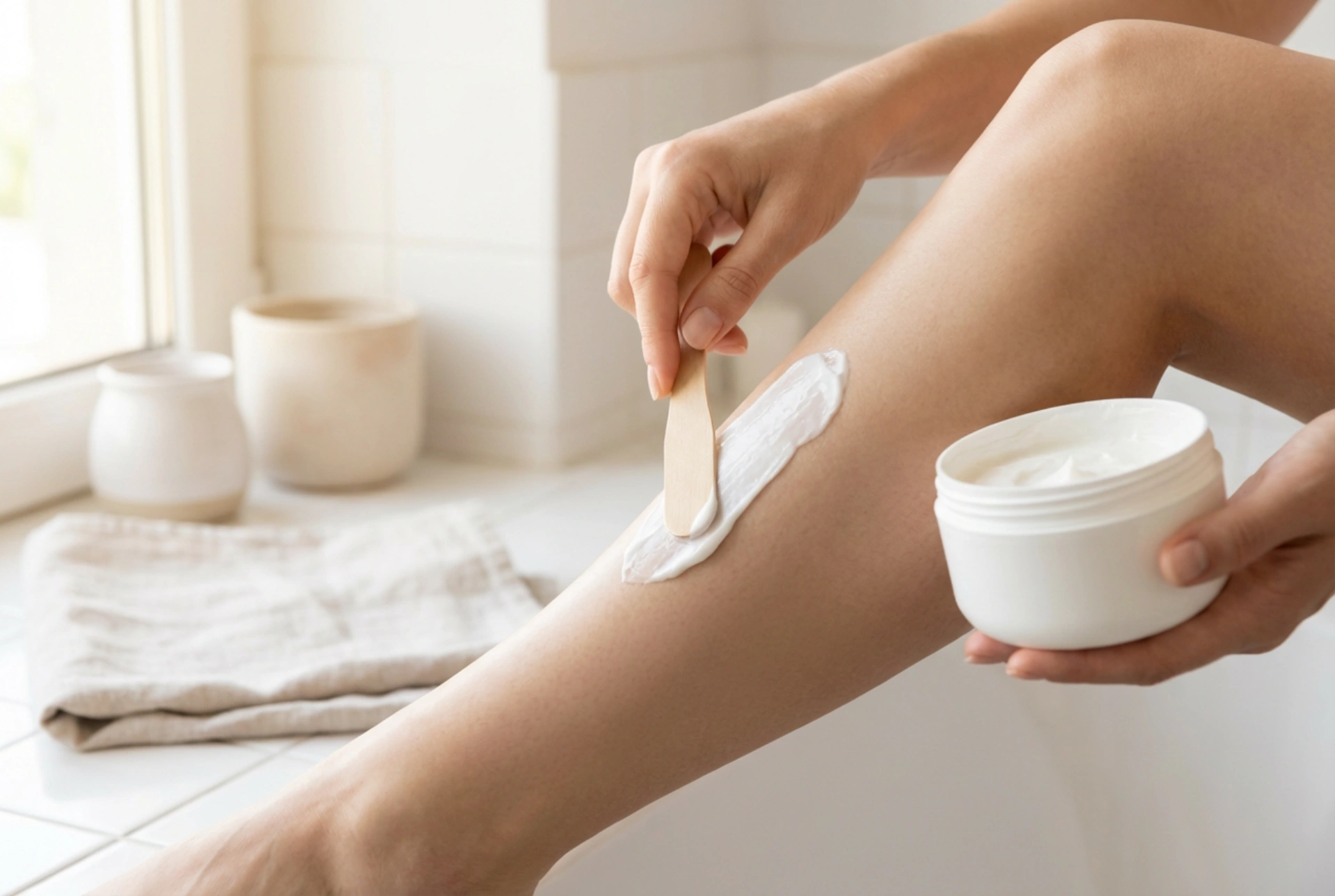
Use the spatula provided with the product to spread a thick, even layer of cream over the hair you wish to remove. Ensure that all the hair is completely covered. Do not rub the cream into your skin; it should sit on the surface. Wash your hands thoroughly immediately after application.
Timing Is Everything
This is the most critical step. Follow the time guidelines in the product's instructions very carefully. Set a timer to avoid guessing. Leaving the cream on for too short a time will result in incomplete hair removal. Conversely, leaving it on for longer than recommended can cause chemical burns and severe skin irritation. Most creams work within 3 to 10 minutes, but the exact duration depends on the product's strength and your hair's thickness.
Removing the Cream and Hair
Once the time is up, test a small area by gently scraping the cream off with the spatula. If the hair comes away easily, proceed to remove the rest. Gently glide the spatula against the direction of hair growth to lift the cream and dissolved hair. If the hair is still resistant, you can wait another minute or two, but never exceed the total maximum time stated in the instructions. After removing all the cream, rinse your skin thoroughly with lukewarm water. Do not use soap. Pat your skin dry with a soft towel, avoiding any harsh rubbing.
Aftercare for Smooth, Healthy Skin
What you do after hair removal is just as important as the process itself. Proper aftercare helps soothe the skin and maintain its smoothness.
- Moisturise: Immediately after patting your skin dry, apply a gentle, alcohol-free moisturiser or a soothing aftercare balm. This will help restore the skin's moisture barrier and calm any minor redness.
- Avoid Irritants: For at least 24 hours after using a depilatory cream, avoid using products that could irritate your skin. This includes perfumes, deodorants with alcohol, and exfoliating scrubs.
- Sun Protection: Your skin will be more sensitive to the sun after treatment. Avoid direct sun exposure and tanning beds for at least a day, and apply a broad-spectrum sunscreen if you will be outdoors.