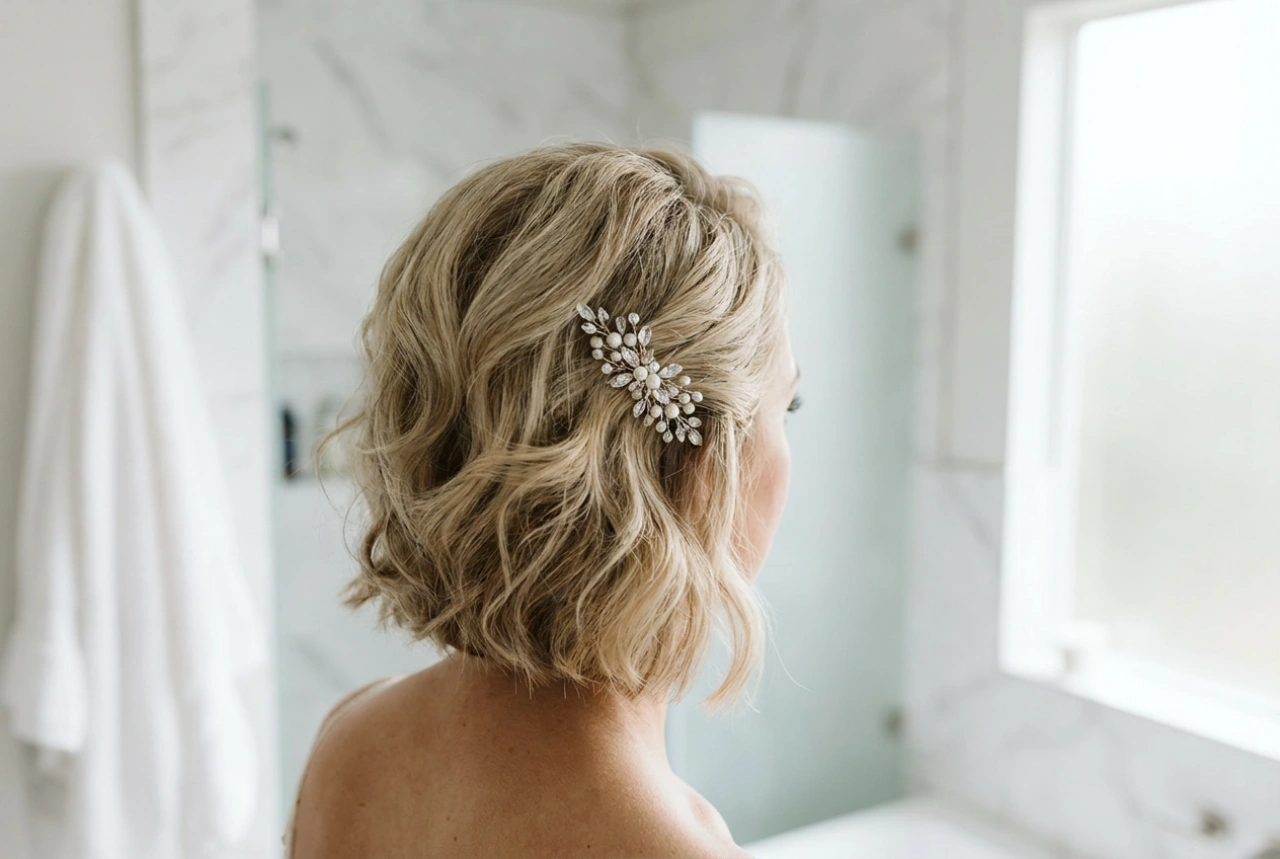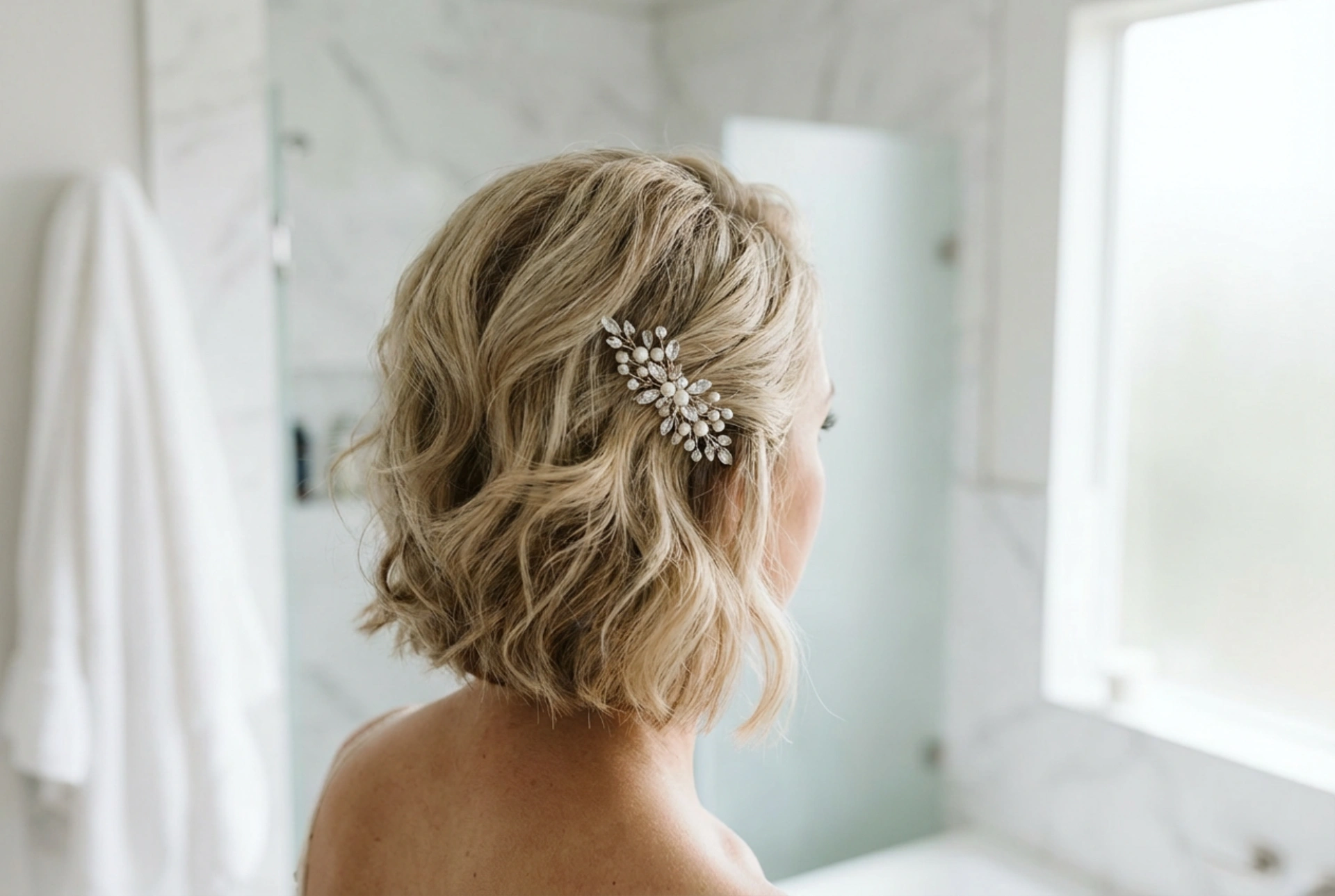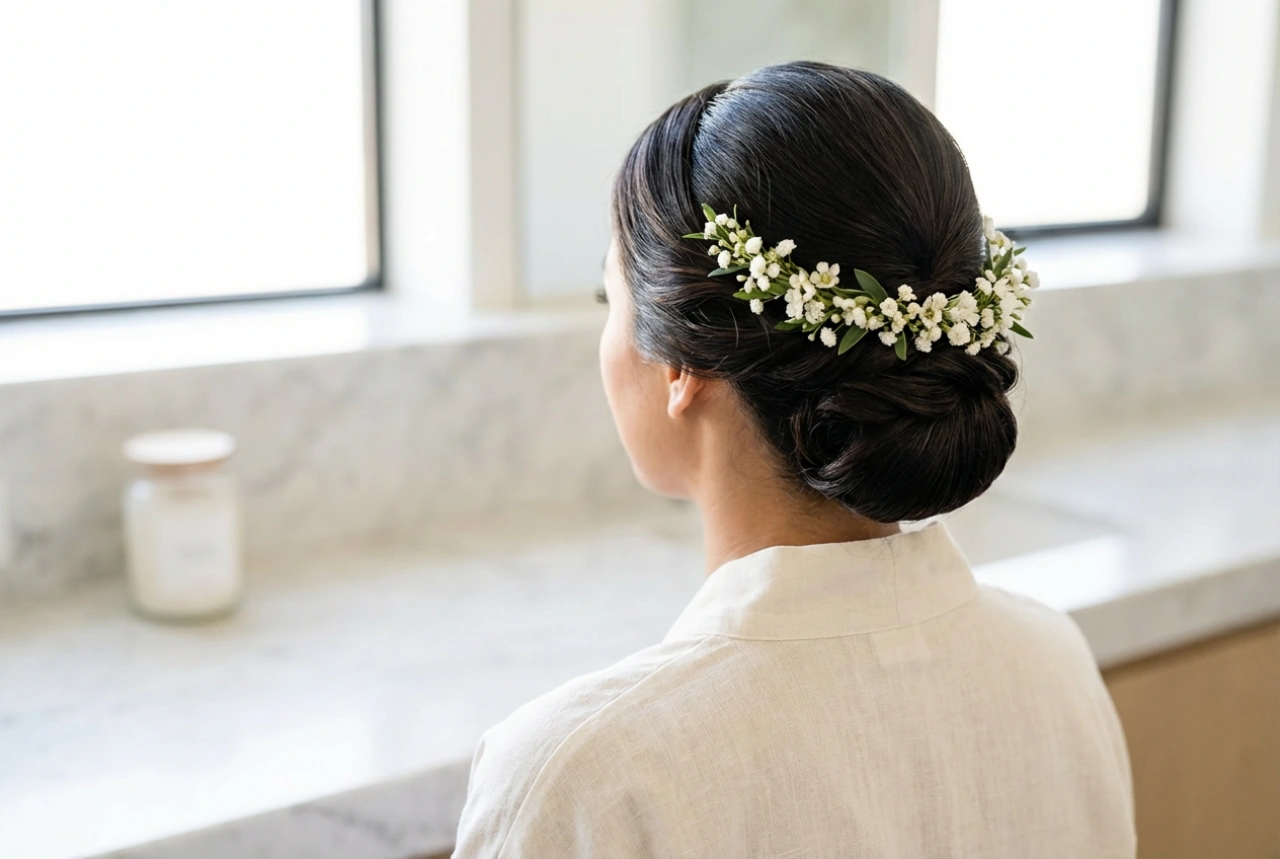


A well-chosen fringe can dramatically transform your appearance, framing your face and highlighting your best features. It’s a versatile style element that can add a touch of modern chic or timeless elegance. However, the key to a great fringe lies in selecting the right shape for your face and understanding how to style it according to your hair's natural texture. This guide will walk you through the process of finding and maintaining the perfect fringe for you.
How to Choose a Fringe Shape for Your Face
The first step to a successful fringe is considering your face shape. While personal preference is paramount, certain styles tend to complement specific facial structures more naturally. Understanding this can help you communicate more effectively with your hairstylist and achieve a look you love.
Oval Face Shape
Often considered the most versatile face shape, an oval face can suit almost any fringe style. From a full, blunt fringe to a soft, wispy one or even a side-swept look, the options are plentiful. The balanced proportions of an oval face mean you can experiment freely without worrying too much about creating imbalance.
Round Face Shape
For rounder faces, the goal is often to create the illusion of length and definition. A long, side-swept fringe or a choppy, layered fringe can be particularly flattering. These styles draw the eye diagonally, which helps to elongate the face. It's generally advised to avoid heavy, straight-across fringes, as they can accentuate roundness.
Square Face Shape
Square faces are characterized by a strong jawline. A softer, wispier fringe can help to soften these angles. A-shaped or curtain fringes that are shorter in the middle and longer at the sides are excellent choices. A long, layered fringe that skims the cheekbones can also be very effective at balancing facial features.
Heart Face Shape
Heart-shaped faces are wider at the forehead and taper to a narrower chin. A side-swept or light, wispy fringe works well to balance these proportions. This draws attention towards the eyes and away from the width of the forehead. A full, heavy fringe might make the top of the face appear wider, so softer styles are often preferred.
Styling a Fringe Based on Hair Type
Once you've chosen a shape, mastering the styling technique for your specific hair type is crucial for daily success. Different hair textures require different approaches to look their best.
Fine Hair
Those with fine hair might find their fringe can look sparse or become oily quickly. To add volume, blow-dry your fringe using a small round brush, lifting the roots upwards. A light misting of dry shampoo at the roots can absorb excess oil and provide a welcome boost of texture and volume throughout the day. Avoid heavy styling products that can weigh the hair down.
Thick Hair
Thick hair can sometimes make a fringe appear bulky or heavy. Ask your stylist to incorporate subtle layers or texturising to remove some of the weight. When styling, use a flat brush to guide the hair while blow-drying to achieve a sleeker finish. A smoothing serum can help to control frizz and add shine without making the hair look greasy.
Wavy or Curly Hair
Embracing the natural texture of your hair is key. A curly fringe can look incredibly stylish, but it requires careful cutting to account for shrinkage as it dries. When styling, apply a curl-defining cream to damp hair and either let it air-dry or use a diffuser on a low heat setting. Avoid brushing a dry curly fringe, as this can cause frizz. Instead, use your fingers to position the curls.
Daily Fringe Maintenance and Styling Tips
Keeping your fringe looking fresh doesn't have to be a time-consuming chore. A few simple habits can make all the difference.
- Targeted Washing: If your fringe gets oily faster than the rest of your hair, you can wash it separately over the sink. This quick refresh saves you from having to wash all your hair daily.
- Master the Blow-Dry: Always blow-dry your fringe from wet. Direct the airflow from above, using a brush to guide the hair from side to side first, then straight down. This helps to tame any cowlicks and ensures it lays flat.
- Dry Shampoo is Your Friend: A quick spray of dry shampoo can revive a fringe that's looking a bit limp or oily, making it an essential tool for second-day styling.
- Regular Trims: Fringes grow out quickly. To maintain the perfect length and shape, plan for regular trims every 3-4 weeks. This prevents it from getting in your eyes and losing its intended style.
Common Fringe Challenges and Solutions
Even with the best intentions, you might encounter a few hurdles. A cowlick, for instance, can make a fringe want to part in an undesirable way. The secret is to tackle it immediately after washing. Use a comb and high-heat from your hairdryer to force the hair into the direction you want it to go. For those moments when you're growing out your fringe, accessories like clips, headbands, and different parting techniques can help manage the awkward in-between stages gracefully.