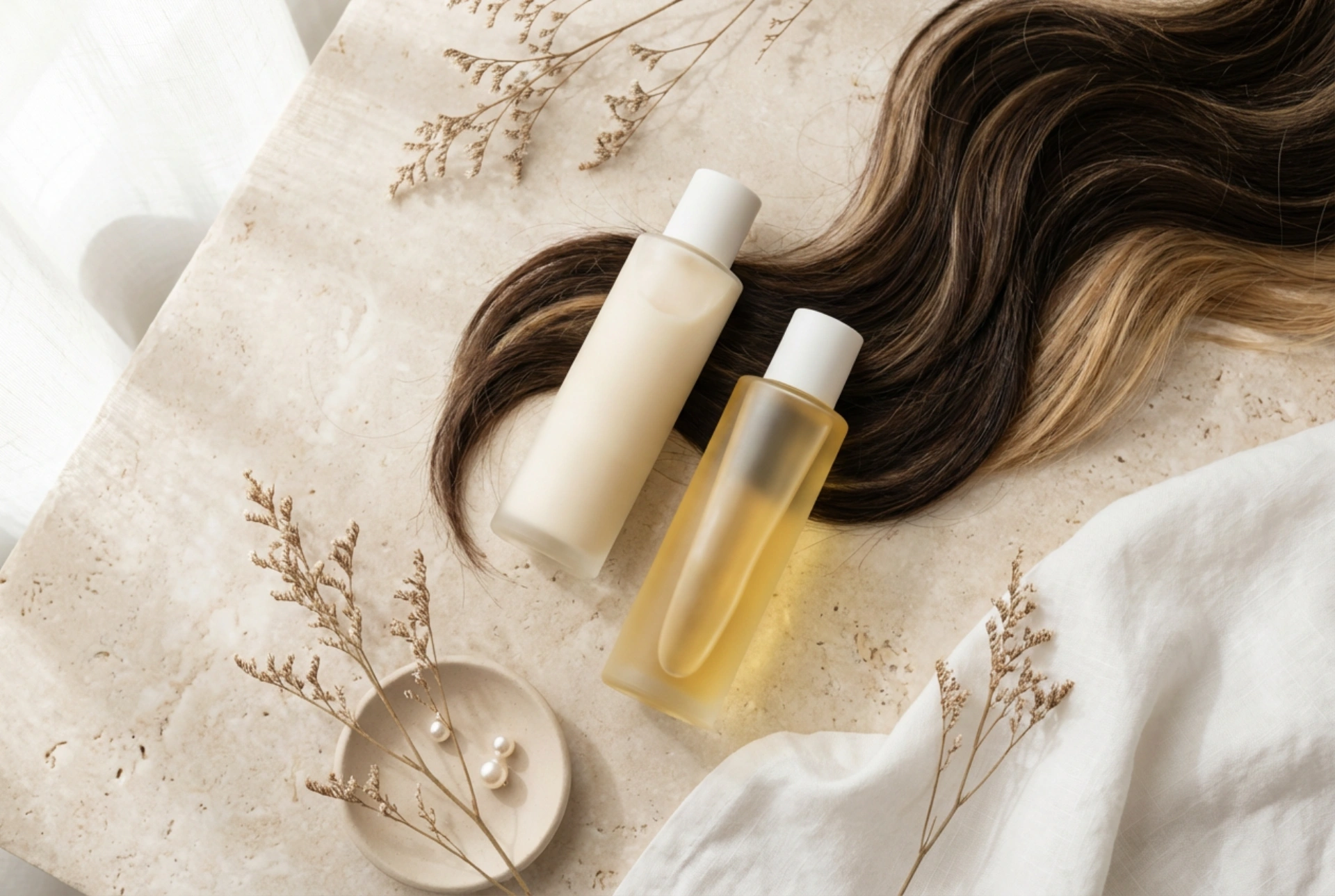


Achieving silky, resilient hair often involves more than just a simple wash and go. It requires understanding what your hair needs and providing it with the right balance of ingredients. Two key players in a well-rounded hair care routine are proteins, like keratin, and emollients. While keratin works to rebuild and strengthen the hair shaft from within, emollients provide a protective, smoothing layer on the outside. Understanding how and when to use these components together is the secret to unlocking your hair's full potential for shine and health.
What is Keratin and Why is it Important for Hair?
Keratin is a fibrous structural protein that serves as the primary building block of our hair, skin, and nails. In hair, it's responsible for its strength, structure, and elasticity. Over time, daily stressors such as heat styling, chemical processing, sun exposure, and even vigorous brushing can damage and deplete the natural keratin in our hair. This leads to weakened strands that are prone to breakage, frizz, and a dull appearance. Conditioners formulated with keratin, often in a hydrolysed form (broken down into smaller molecules), are designed to penetrate the hair shaft, fill in the gaps in the cuticle, and temporarily patch up this damage. This reinforcement helps to restore strength, reduce porosity, and improve the overall resilience of the hair.
When to Reach for a Keratin Conditioner
While beneficial, protein treatments are not something every hair type needs with every wash. It's crucial to recognise the signs that your hair is crying out for protein. If you notice your hair has become overly soft, mushy when wet, or lacks its usual spring and definition, it might be in a state of 'moisture overload' and in need of structure. Here are some key indicators that a keratin conditioner could be beneficial:
- Your hair stretches significantly before it snaps when you gently pull a strand.
- Curls or waves have become limp, loose, and undefined.
- Your hair feels 'gummy' or overly soft and weak, especially after conditioning.
- It has high porosity, meaning it absorbs water quickly but also loses it just as fast, often feeling dry.
- You have recently undergone chemical treatments like bleaching or colouring.
It is important to note that using protein too frequently can lead to 'protein overload', making hair feel stiff, brittle, and dry. The key is balance.
The Essential Role of Emollients in Hair Care
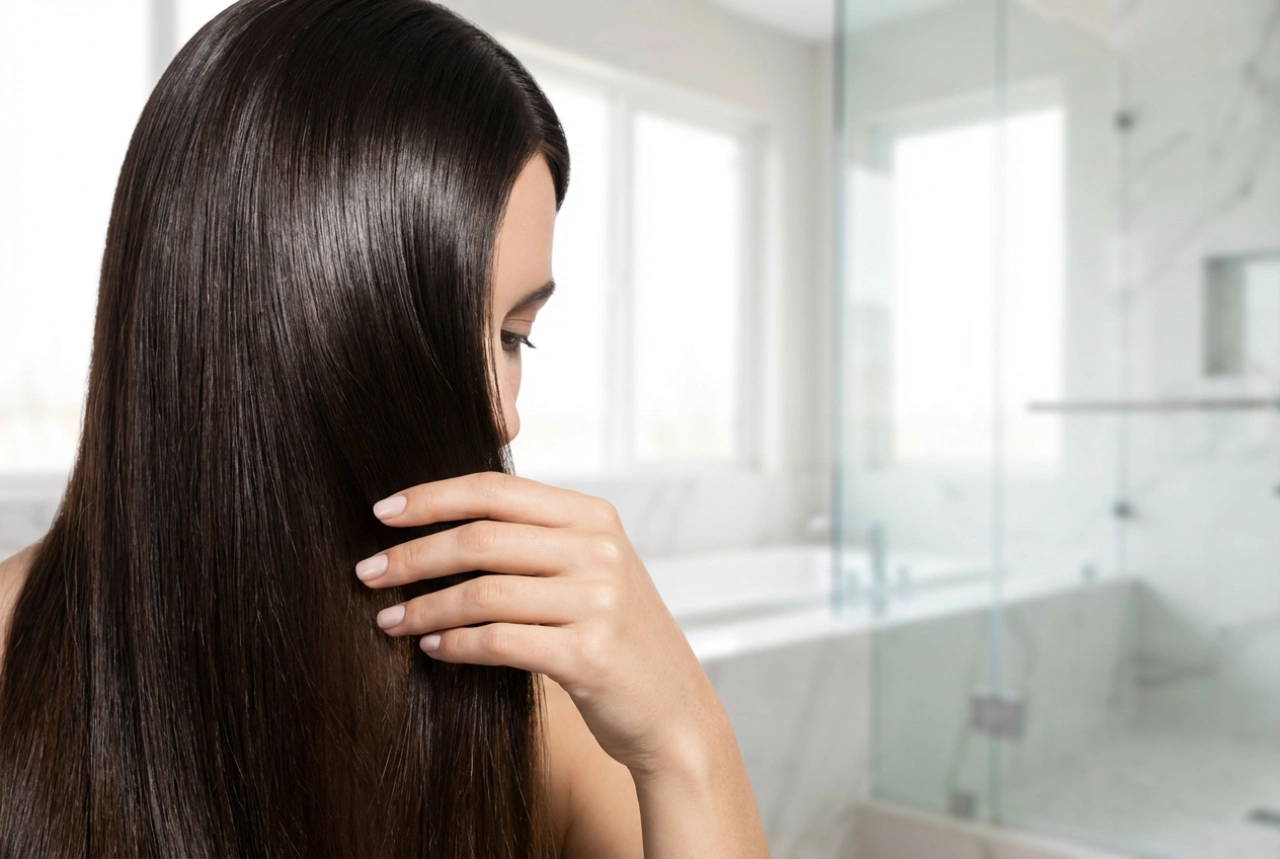
If proteins are the scaffolding, emollients are the finishing and protective coat. Emollients are ingredients that soften and smooth the hair's surface by forming a thin, occlusive film over the cuticle. This film serves multiple purposes: it helps to seal in moisture, reduces friction between strands (which minimises tangles and breakage), increases shine, and tames frizz. Common emollients found in hair products include natural oils (like coconut, argan, or jojoba oil), butters (such as shea or cocoa butter), and certain silicones. Without emollients, hair that has received a protein treatment might feel strong but could lack softness and slip, appearing rough or dull. They are essential for that silky, polished finish.
How to Combine Keratin and Emollients for Balanced Care
Achieving the perfect equilibrium between protein and moisture (supported by emollients) is at the heart of effective hair care. This is often referred to as maintaining a good 'PEH' (Protein, Emollient, Humectant) balance. Here are a few practical ways to combine keratin and emollients in your routine:
1. Alternate Your Conditioners
One of the simplest methods is to alternate between a protein-rich conditioner and an emollient-rich one on different wash days. For example, you might use a keratin conditioner one wash day to strengthen your hair, and then use a moisturising, emollient conditioner on the next to restore softness and shine. Pay attention to how your hair feels and adjust the frequency accordingly.
2. Layer Them in a Single Routine
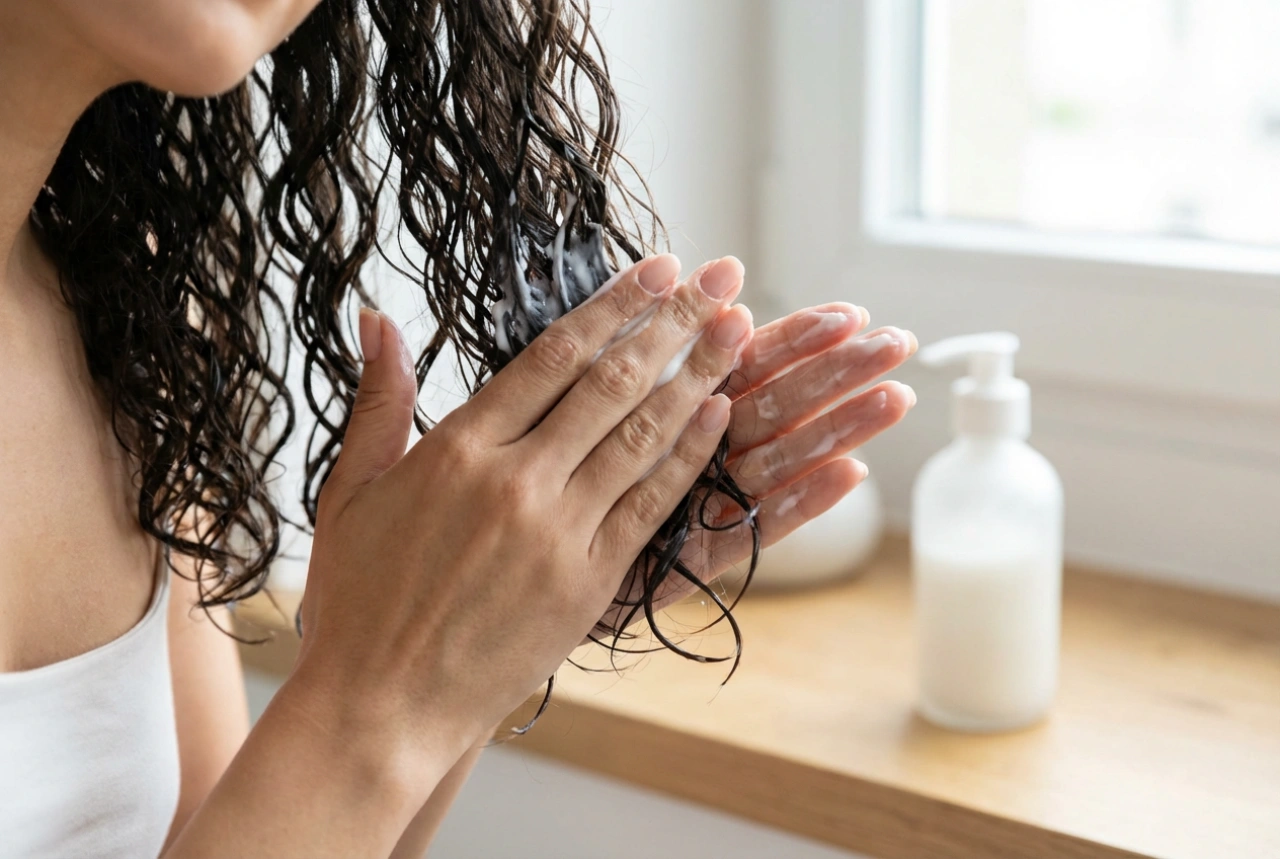
For a more intensive treatment, especially for damaged hair, you can layer the products. First, apply your keratin conditioner or mask after shampooing and let it sit for the recommended time to allow the proteins to penetrate and repair. After rinsing thoroughly, follow up with an emollient conditioner. Apply this from the mid-lengths to the ends and leave it on for a few minutes. This second step will seal the hair cuticle, lock in the benefits of the protein treatment, and leave your hair feeling soft, smooth, and detangled.
3. Use a Balanced Product
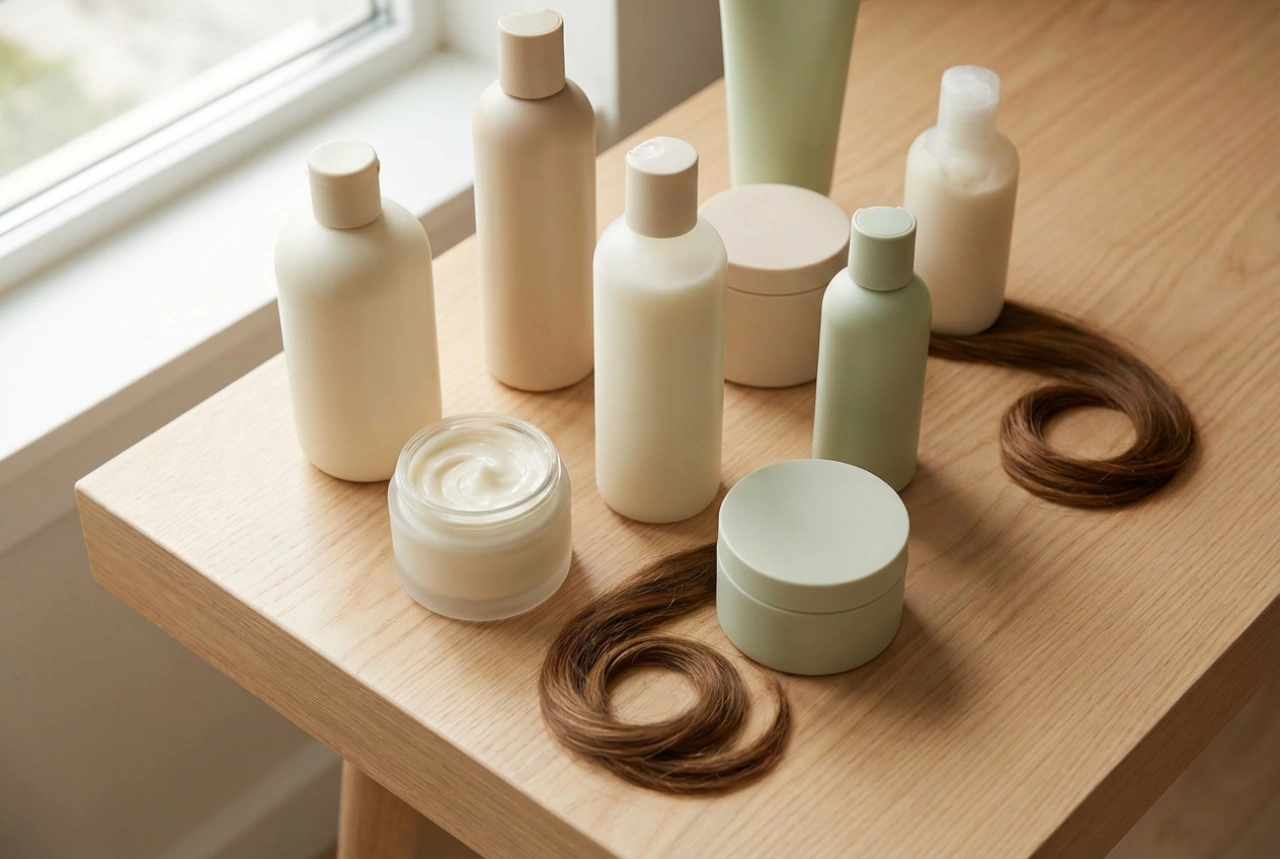
Many modern conditioners are formulated to provide a balanced dose of both proteins and emollients in one product. These are excellent for regular maintenance, as they offer strengthening and smoothing benefits simultaneously. Check the ingredients list for a mix of proteins (e.g., Hydrolyzed Keratin, Silk Amino Acids) and emollients (e.g., Cetyl Alcohol, Butyrospermum Parkii (Shea) Butter, Dimethicone).
By learning to listen to your hair and understanding the distinct roles of keratin and emollients, you can tailor your routine to provide exactly what it needs. This mindful approach will help you move beyond temporary fixes and build a foundation for truly strong, smooth, and radiant hair.