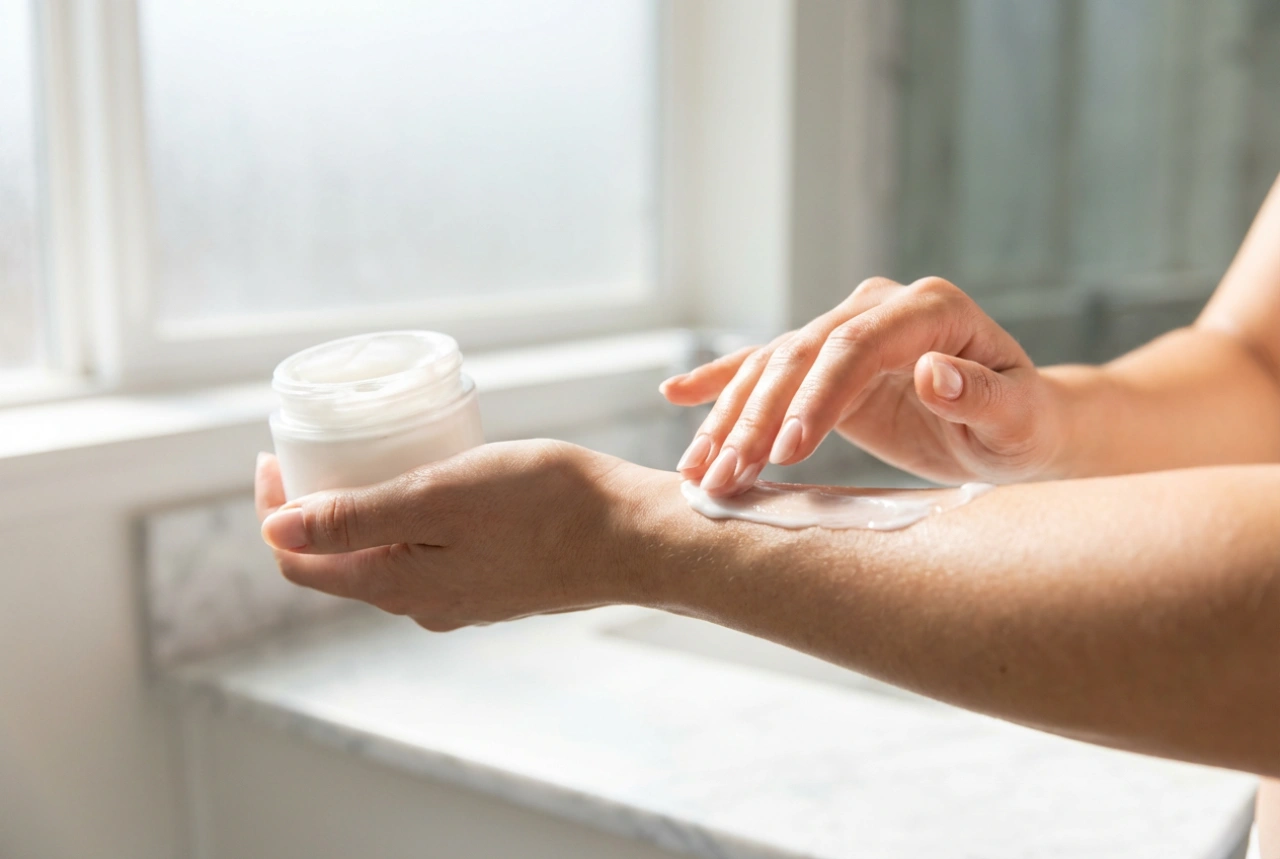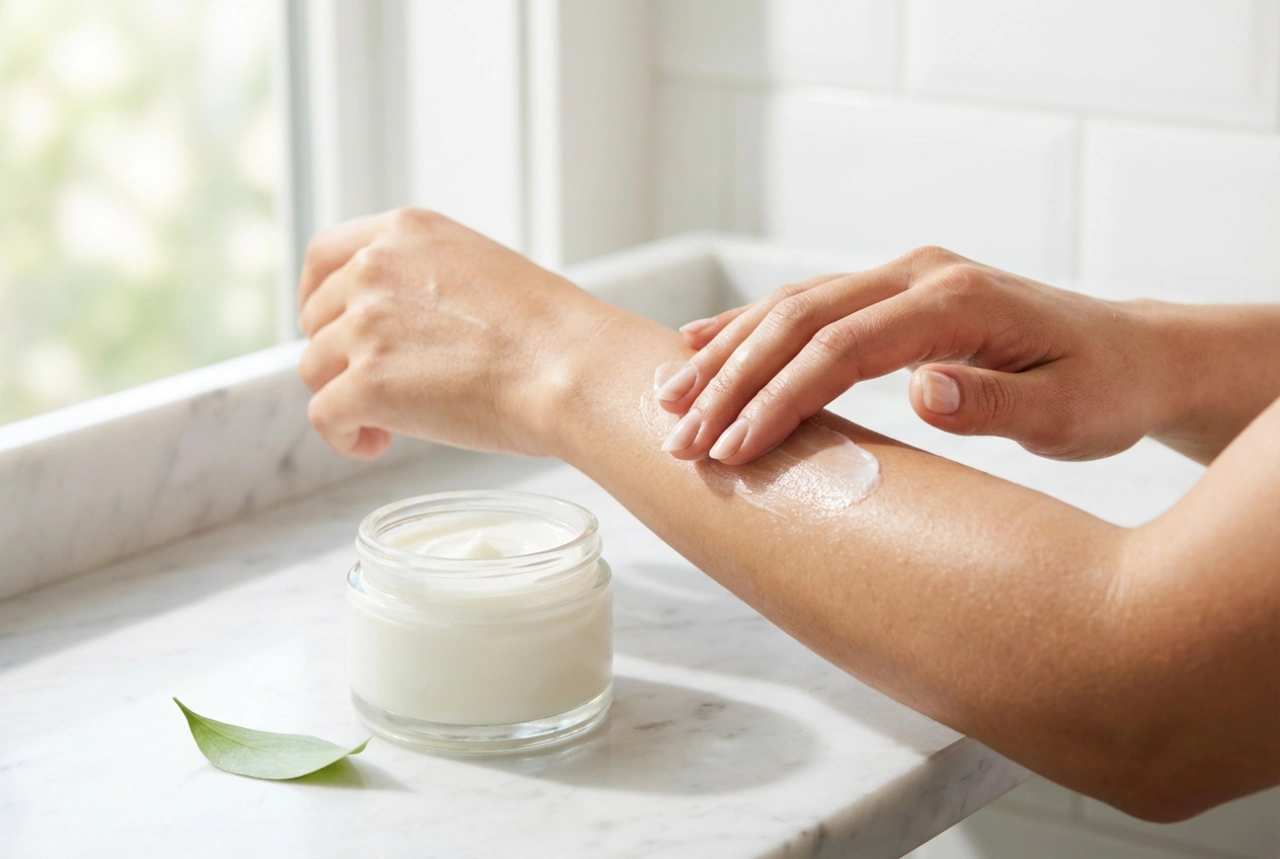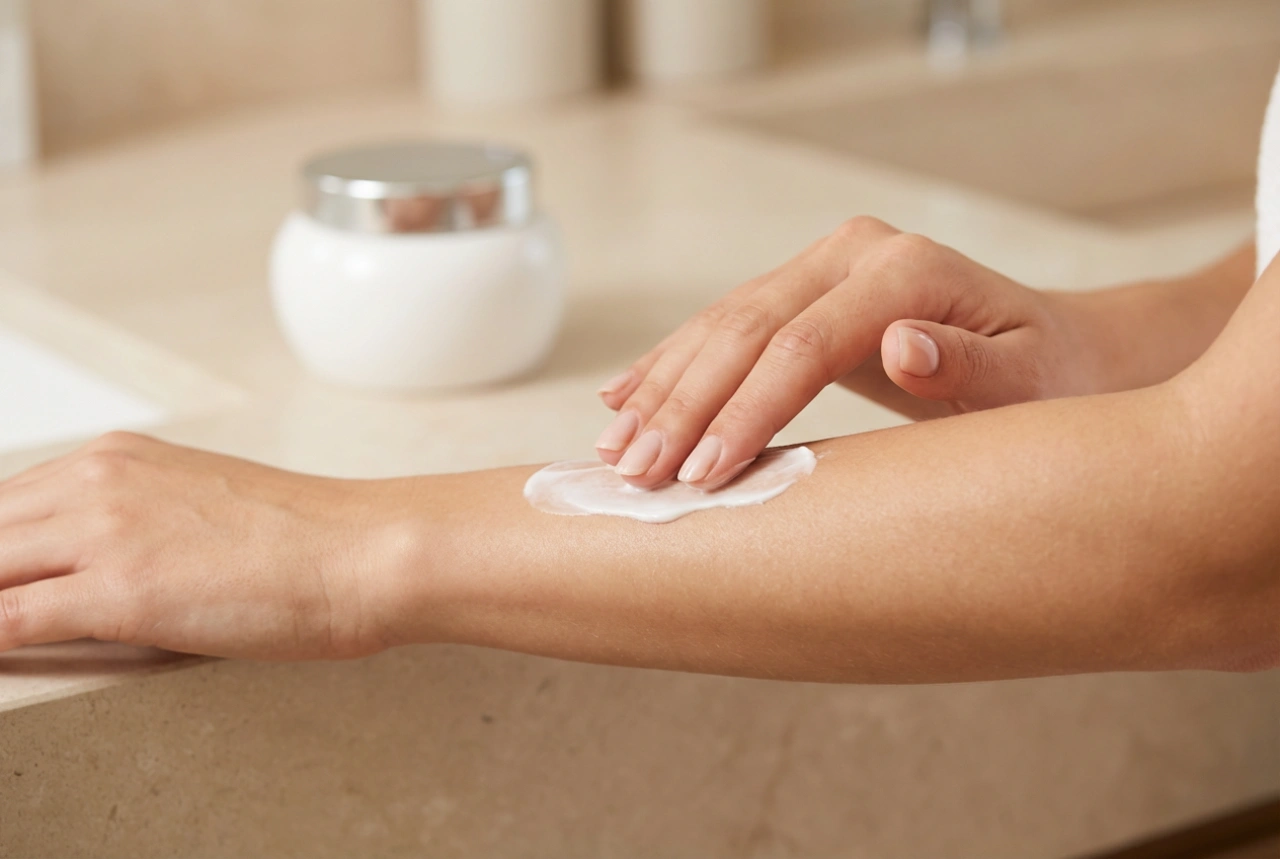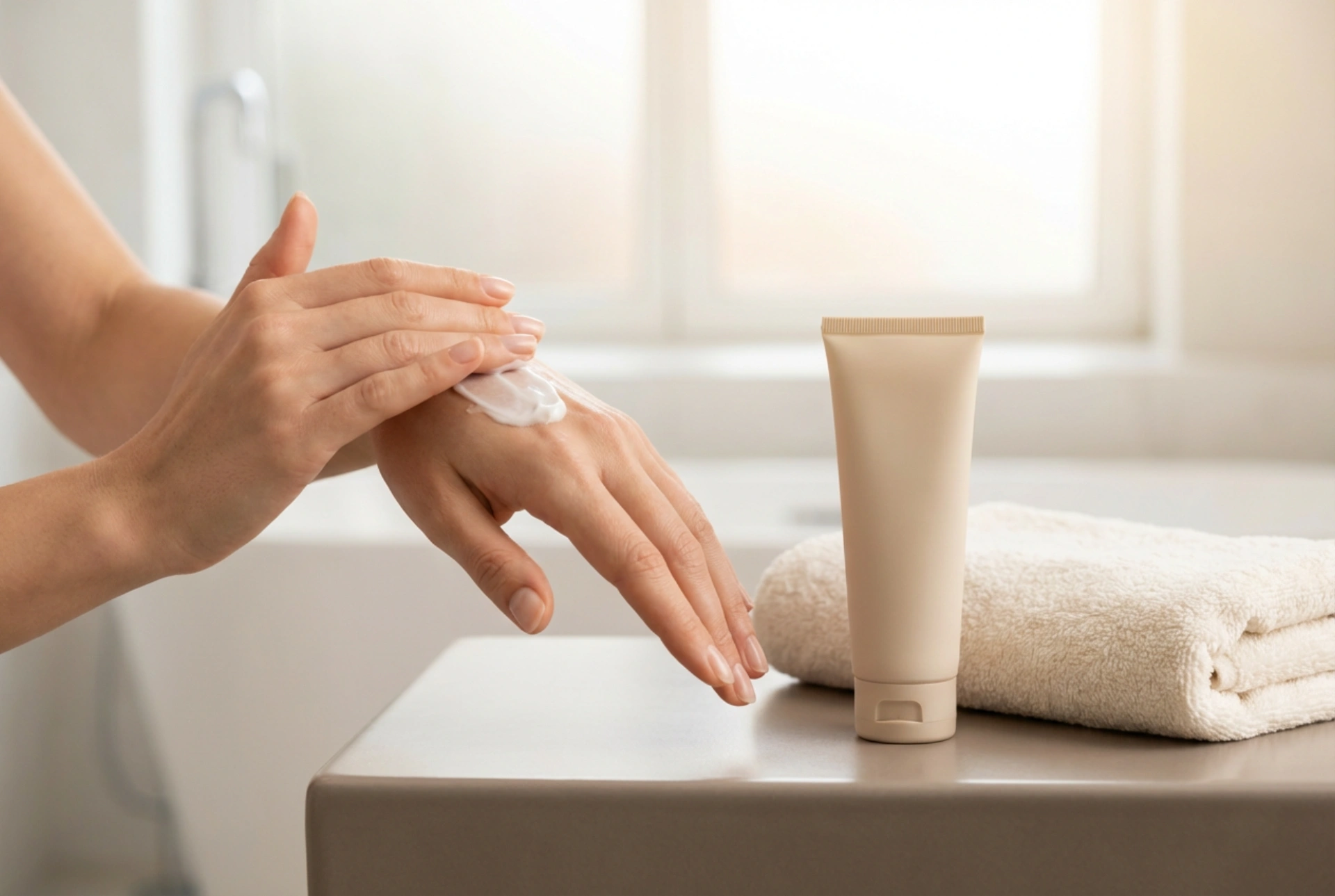


The simple ritual of applying a moisturising balm can be a moment of pure comfort, transforming your skin and leaving it with a healthy, supple glow. A quality body balm does more than just temporarily soothe dryness; it provides deep nourishment and protection. But with so many options available, how do you recognise a truly effective product and make it an essential part of your daily care routine? Understanding the key components and proper application techniques is the first step towards achieving beautifully hydrated skin every day.
What Defines a Superior Moisturising Balm?
The secret to an excellent balm lies in its composition. A well-formulated product will contain a balanced blend of ingredients that work together to attract, soften, and lock in moisture. When examining a product's label, look for these key categories of ingredients.
Humectants: The Moisture Magnets
Humectants are ingredients that pull water molecules from the air and the deeper layers of your skin towards the surface. This action provides an immediate hydration boost. Common and effective humectants include:
- Glycerin: A classic, highly effective and gentle moisturising agent.
- Hyaluronic Acid: Capable of holding a significant amount of water, it plumps and hydrates the skin.
- Honey: A natural humectant with additional soothing properties.
Emollients: The Skin Softeners
Emollients are oils and butters that fill in the gaps between skin cells, smoothing the skin's surface and improving its texture. They are responsible for that soft, supple feel after application. Look for natural emollients such as:
- Shea Butter: Rich in vitamins and fatty acids, it's incredibly nourishing and softening.
- Cocoa Butter: Forms a protective barrier and is known for improving skin elasticity.
- Plant Oils: Jojoba, almond, coconut, and avocado oils are all excellent choices for nourishing the skin.
Occlusives: The Protective Seal
Occlusives form a physical barrier on the skin's surface to prevent transepidermal water loss (TEWL) – the process of moisture evaporating from the skin. This is crucial for long-lasting hydration, especially for dry skin. Effective occlusives include beeswax, lanolin, and various plant-based waxes like carnauba or candelilla wax.
Choosing the Right Balm for Your Skin Type
While all skin needs moisture, the ideal balm texture and formula can vary depending on your specific needs. Tailoring your choice to your skin type will ensure the best results without causing unwanted issues like clogged pores or a greasy feeling.
For Dry or Very Dry Skin
If your skin often feels tight, flaky, or rough, you need a rich, heavy-duty balm. Look for formulas high in emollients like shea or cocoa butter and occlusives like beeswax. These ingredients will provide intense nourishment and create a robust barrier to seal in moisture for hours.
For Normal or Combination Skin
For skin that is generally balanced but may have some dry or oily areas, a medium-weight balm is ideal. Choose a product that absorbs relatively quickly but still offers substantial hydration. Formulas with lighter oils (like jojoba or grapeseed oil) combined with glycerin are a great option.
For Sensitive Skin
Sensitive skin requires gentle care. The most important factor is to choose a balm that is free from potential irritants. Opt for fragrance-free, hypoallergenic formulas. Ingredients like colloidal oatmeal, calendula, or chamomile can provide additional soothing benefits.
Mastering the Art of Application
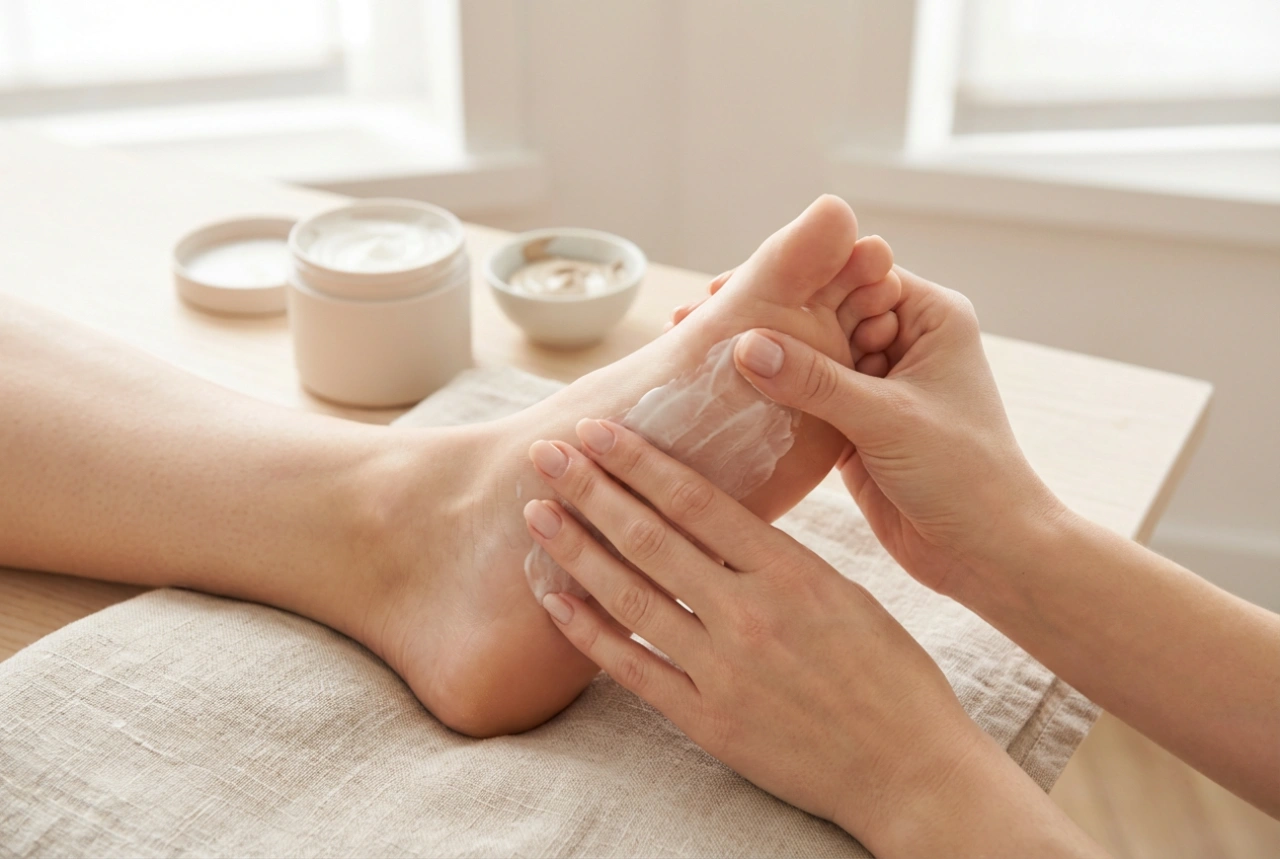
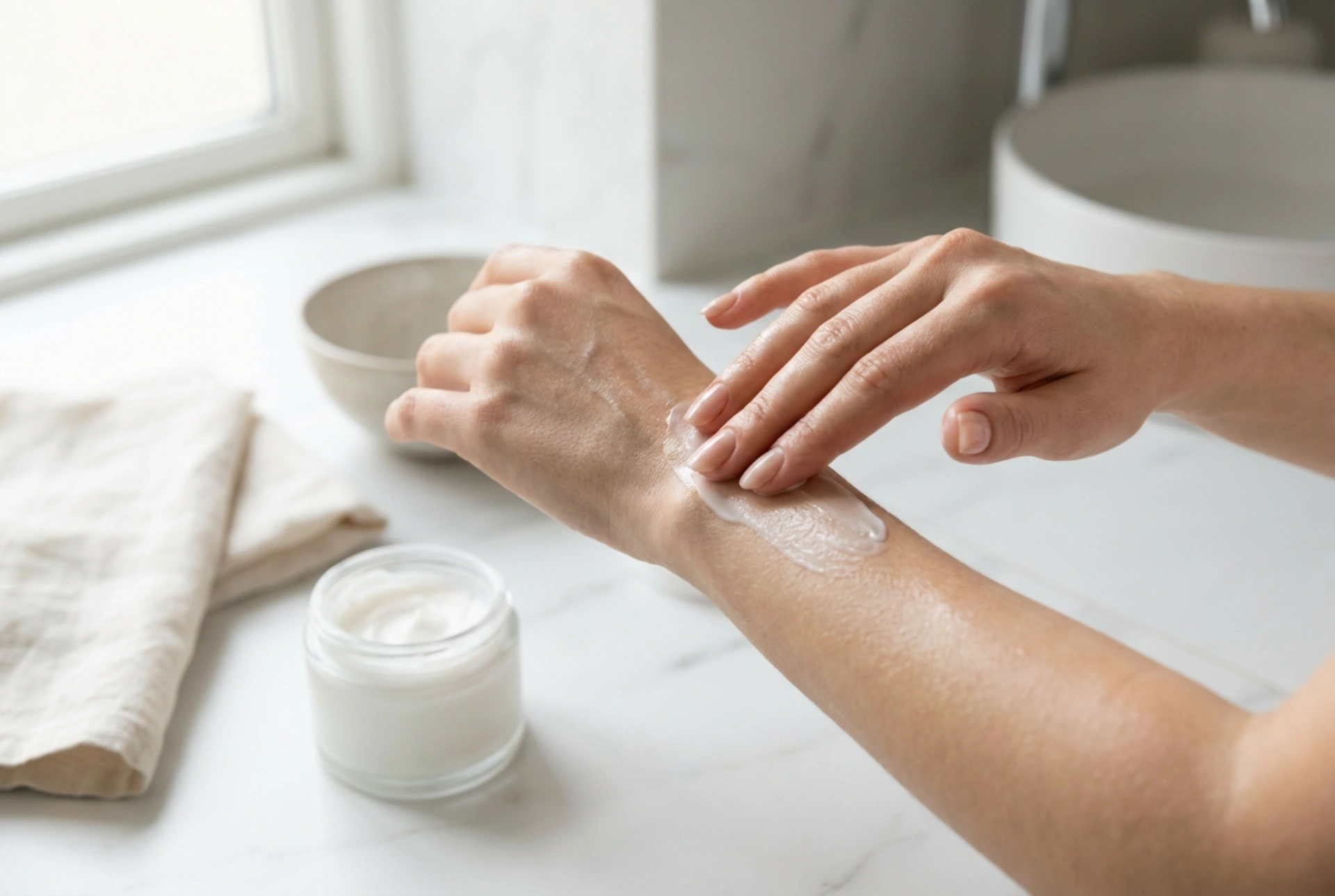
How you apply your balm is just as important as the product you choose. To maximise its benefits, follow these simple steps. The best time to apply a body balm is immediately after a bath or shower when your skin is still slightly damp. This helps to lock in the extra moisture. Warm a small amount of the balm between your palms to soften it, then massage it into your skin using gentle, circular motions. Pay special attention to particularly dry areas like elbows, knees, and heels. Making this a consistent part of your morning and evening routine will yield the best long-term results.