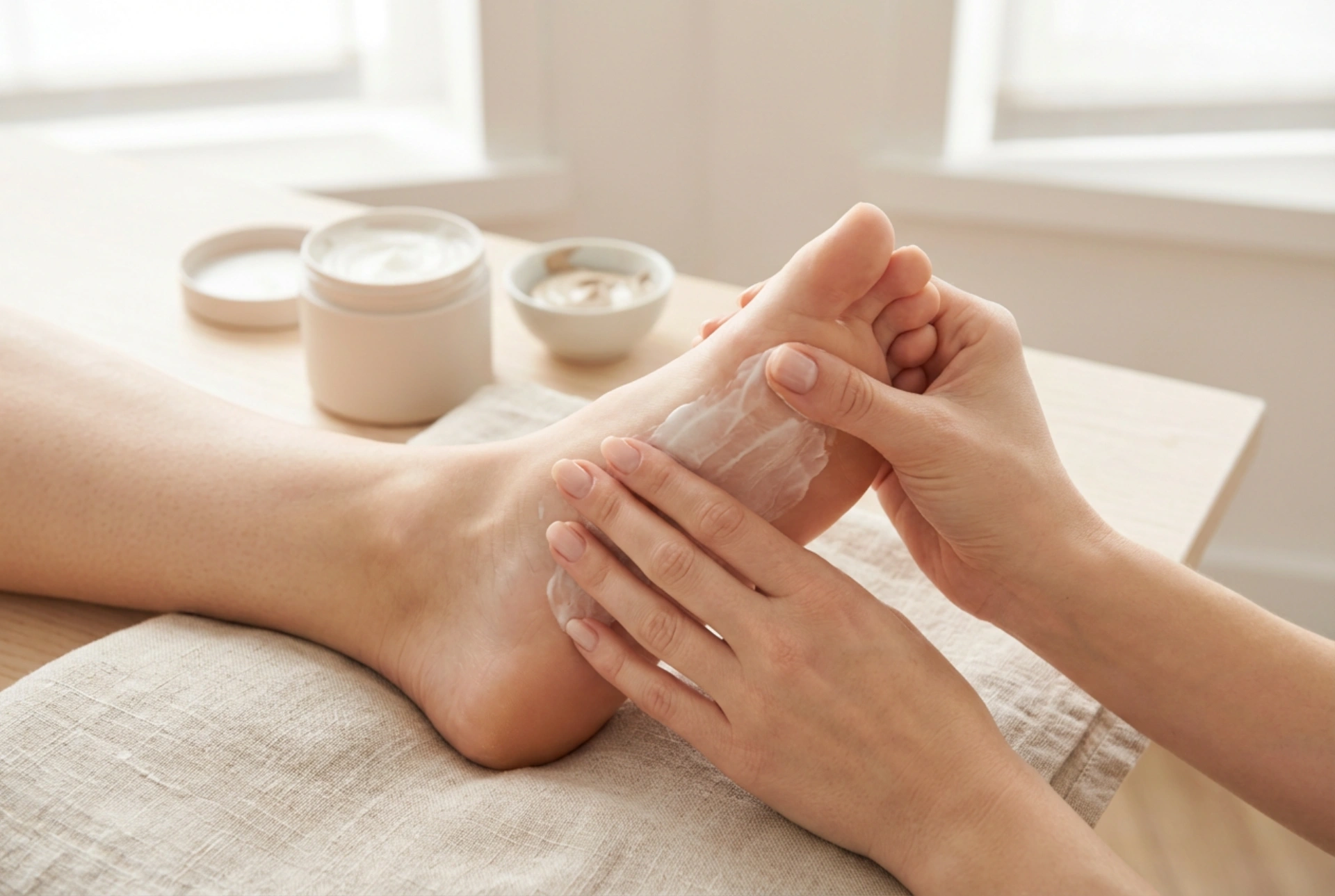


Caring for our feet is an essential part of any self-care routine, yet it's often overlooked. The simple act of massaging a rich cream into the soles can be both relaxing and incredibly beneficial for the skin's condition. Dry, rough skin on the feet is a common concern for many, but with the right knowledge and consistent care, it's possible to achieve soft, smooth, and comfortable feet year-round.
Understanding Why Feet Get So Dry
The skin on our feet is unique and more prone to dryness than other parts of the body. Several factors contribute to this. Firstly, there are fewer oil glands on the soles of our feet, meaning they naturally produce less sebum, the body's own moisturiser. Secondly, our feet are under constant pressure from standing, walking, and exercising. This friction can lead to the build-up of hard, calloused skin, especially on the heels and balls of the feet. Other contributing factors include exposure to dry air from central heating, wearing open-backed shoes, or simply not giving them enough moisturising attention.
Key Ingredients in an Effective Foot Cream
When choosing a cream for dry feet, the ingredient list is paramount. Look for a combination of substances that hydrate, soften, and protect the skin barrier. These ingredients typically fall into a few key categories.
Humectants: The Moisture Magnets
Humectants are ingredients that attract water from the air and the deeper layers of your skin and draw it to the surface. This helps to increase the skin's moisture content. Key humectants to look for include:
- Urea (in lower concentrations): An excellent ingredient that both moisturises and gently exfoliates dry, flaky skin, helping other ingredients to penetrate more effectively.
- Glycerin: A classic, highly effective humectant that helps to keep the skin hydrated and supple.
- Hyaluronic Acid: Known for its ability to hold a significant amount of water, it provides intense hydration.
Emollients: The Skin Smoothers
Emollients work by filling in the gaps between skin cells, which helps to smooth and soften the skin's surface. They form a soothing film that makes the skin feel less rough. Common emollients found in foot creams are:
- Shea Butter: Rich in vitamins and fatty acids, it's a superb moisturiser that helps to nourish and protect the skin.
- Cocoa Butter: Another rich butter that creates a protective barrier to hold in moisture.
- Plant Oils: Ingredients like coconut oil, avocado oil, and sweet almond oil are excellent emollients that soften and condition the skin.
The Correct Technique for Applying Foot Cream
How you apply your foot cream is just as important as the product you use. Following a simple routine will maximise its benefits.
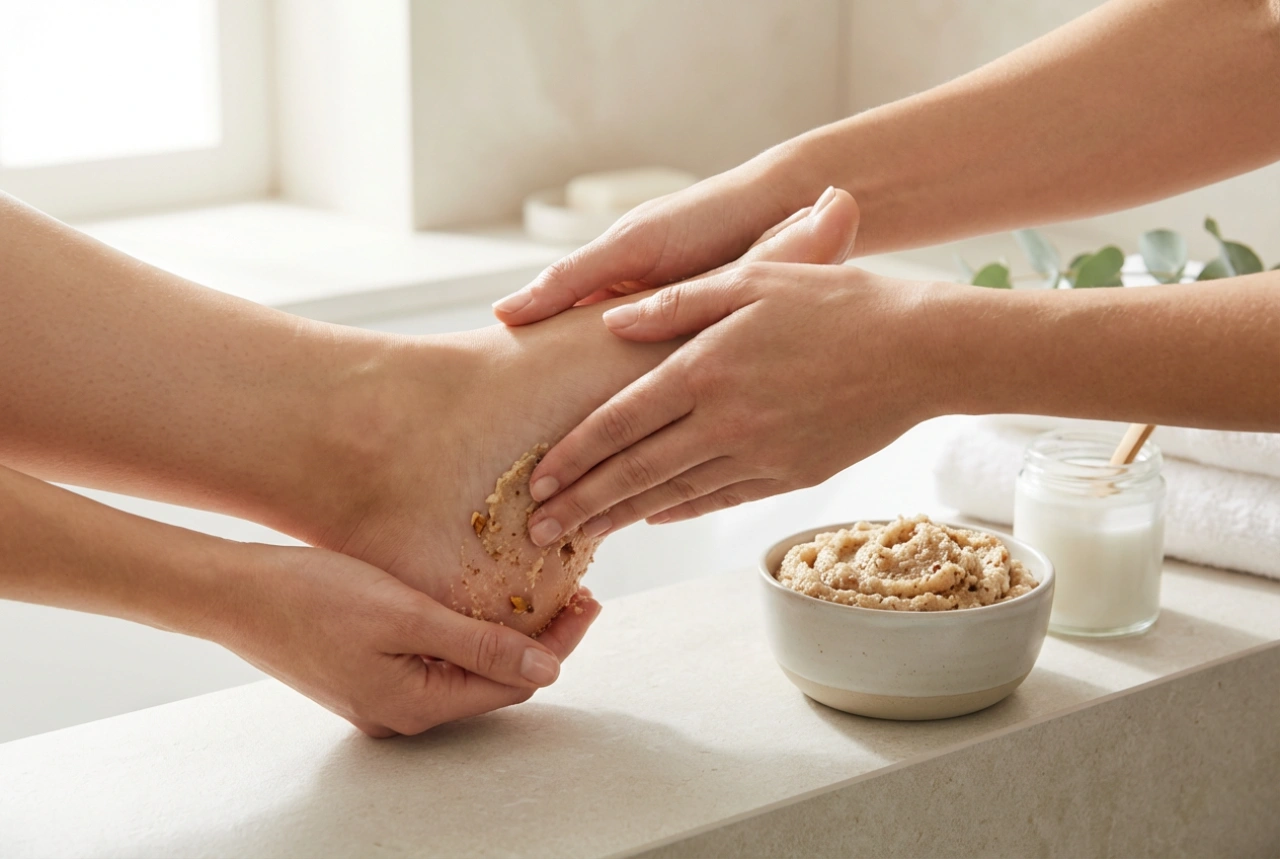
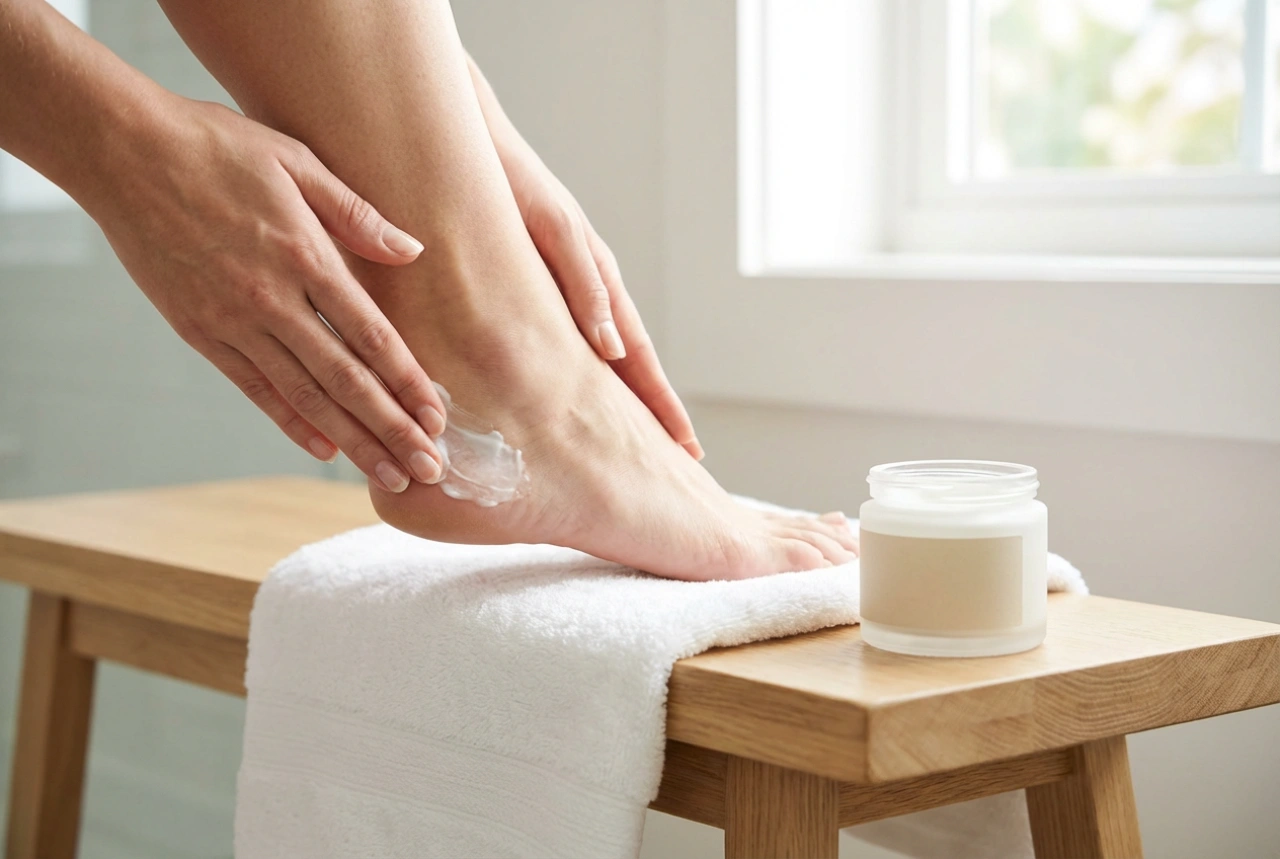
The best time to apply foot cream is after a bath or shower. The warm water helps to soften the skin, making it more receptive to moisturiser. Pat your feet gently with a towel, leaving them slightly damp. Take a generous amount of cream and warm it between your hands. Begin to massage it into your feet, using firm, circular motions. Pay special attention to the driest areas, such as the heels, the sides of your feet, and around the toenails. Don't forget the tops of your feet and your ankles.
For an intensive overnight treatment, apply a thick layer of cream before bed and put on a pair of clean cotton socks. The socks will help to lock in the moisture and prevent the cream from rubbing off on your sheets, allowing it to work deeply while you sleep.
When to Incorporate a Foot Mask
While daily cream application is the foundation of good foot care, a foot mask can provide an extra boost of hydration and nourishment. Think of it as a special treatment for when your feet need more intensive care. A mask is typically richer and more concentrated than a daily cream.
Consider using a foot mask once or twice a week if your feet are particularly dry or if you want to indulge in a pampering session. You can apply a thick layer of a rich cream or a dedicated mask product, then wrap your feet in cling film or put on specific treatment socks designed for this purpose. Leave the mask on for 15-20 minutes to allow the ingredients to penetrate deeply. Afterwards, massage any remaining product into the skin. This ritual complements your daily routine, helping to maintain soft and healthy-looking feet over the long term.