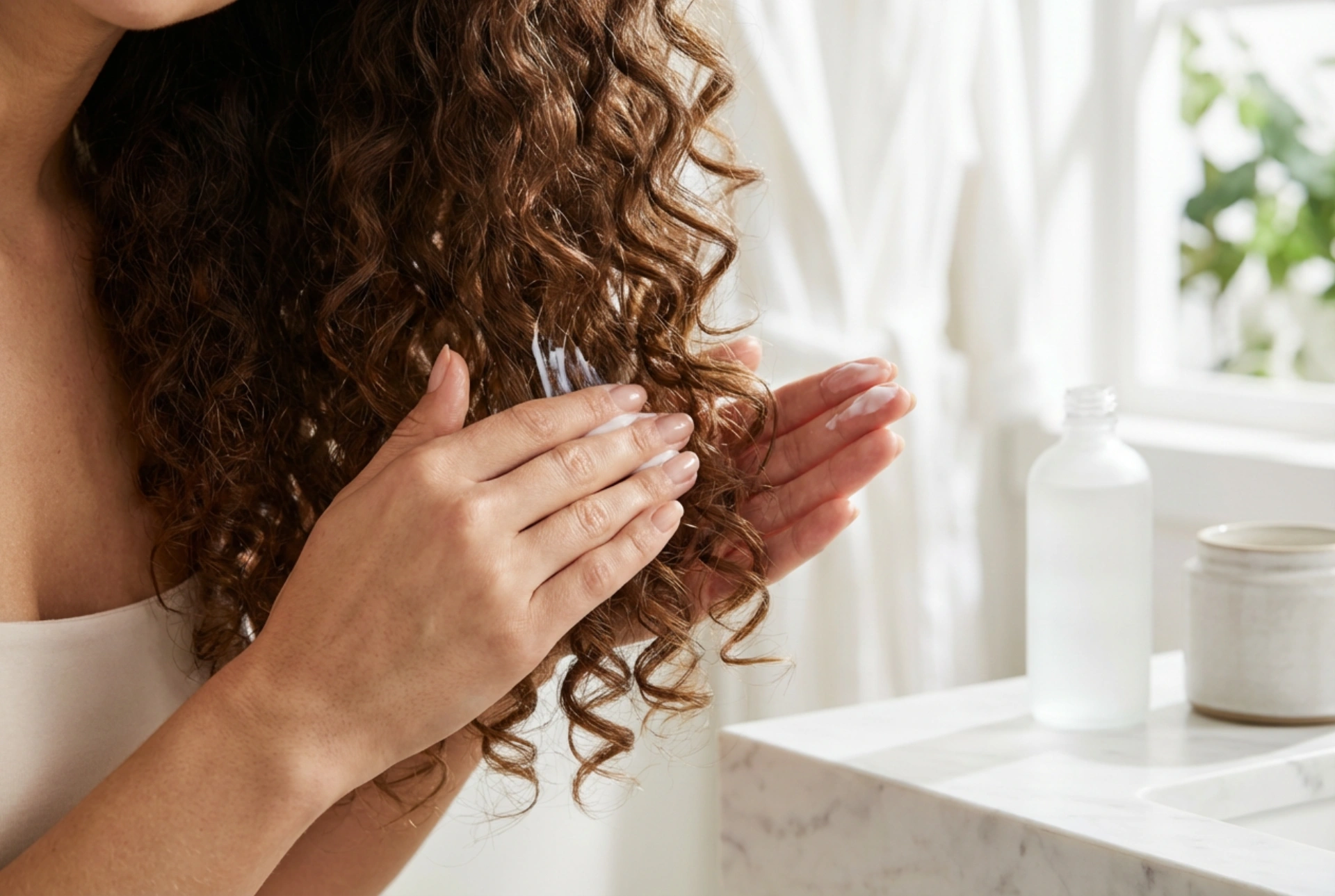


Curly hair possesses a unique beauty, but its structure also makes it more prone to dryness and frizz. Providing continuous moisture is the key to unlocking defined, bouncy, and healthy curls. A leave-in conditioner is an indispensable product in any curly hair care routine, acting as a foundational layer of hydration and protection that works throughout the day. Understanding how to choose and apply it correctly can transform your curls from unpredictable to consistently beautiful.
Why Do Curls Need a Leave-in Conditioner?
The twists and turns of a curly hair strand lift the outer layer, known as the cuticle. This raised cuticle allows moisture to escape easily, leading to the dryness and frizz that many with curly hair experience. Unlike rinse-out conditioners that provide a temporary boost of moisture in the shower, a leave-in conditioner is designed to remain on the hair, offering sustained benefits.
The Benefits of Continuous Hydration
Using a leave-in conditioner provides a protective film around each hair strand. This film helps to seal the cuticle, locking in moisture and shielding the hair from environmental stressors like humidity or dry air. The main advantages include:
- Improved Moisture Retention: It continually hydrates the hair, combating the natural tendency of curls to dry out.
- Enhanced Curl Definition: Well-moisturised hair clumps together more effectively, forming defined, shapely curls rather than a frizzy mass.
- Reduced Frizz: By smoothing the hair cuticle, a leave-in conditioner prevents humidity from penetrating the hair shaft, which is a primary cause of frizz.
- Easier Detangling: The 'slip' provided by the product makes it easier to work through knots and tangles, reducing breakage during styling.
- Increased Elasticity: Hydrated hair is more flexible and resilient, meaning it is less likely to snap or break when stretched or styled.
How to Select the Right Leave-in Conditioner
Not all leave-in conditioners are created equal, and the best one for you depends on your hair's specific characteristics, such as its porosity and thickness. Instead of focusing on specific brands, pay attention to the product's ingredients and consistency.
Decoding the Ingredient List
When you look at the label, certain ingredients signal a product's suitability for curly hair. Seek out formulations rich in moisturising agents. Humectants, such as glycerine or aloe vera, attract water from the atmosphere into the hair. Emollients, like shea butter, avocado oil, or jojoba oil, smooth the hair cuticle and lock that moisture in. Some leave-ins also contain proteins (like wheat or silk protein) which can help strengthen the hair structure. However, it's important to maintain a good protein-moisture balance, as too much protein can make some hair types feel stiff and brittle.
Matching Consistency to Your Curl Type
The texture of the product is just as important as its ingredients. The general rule is to match the weight of the product to the density of your hair.
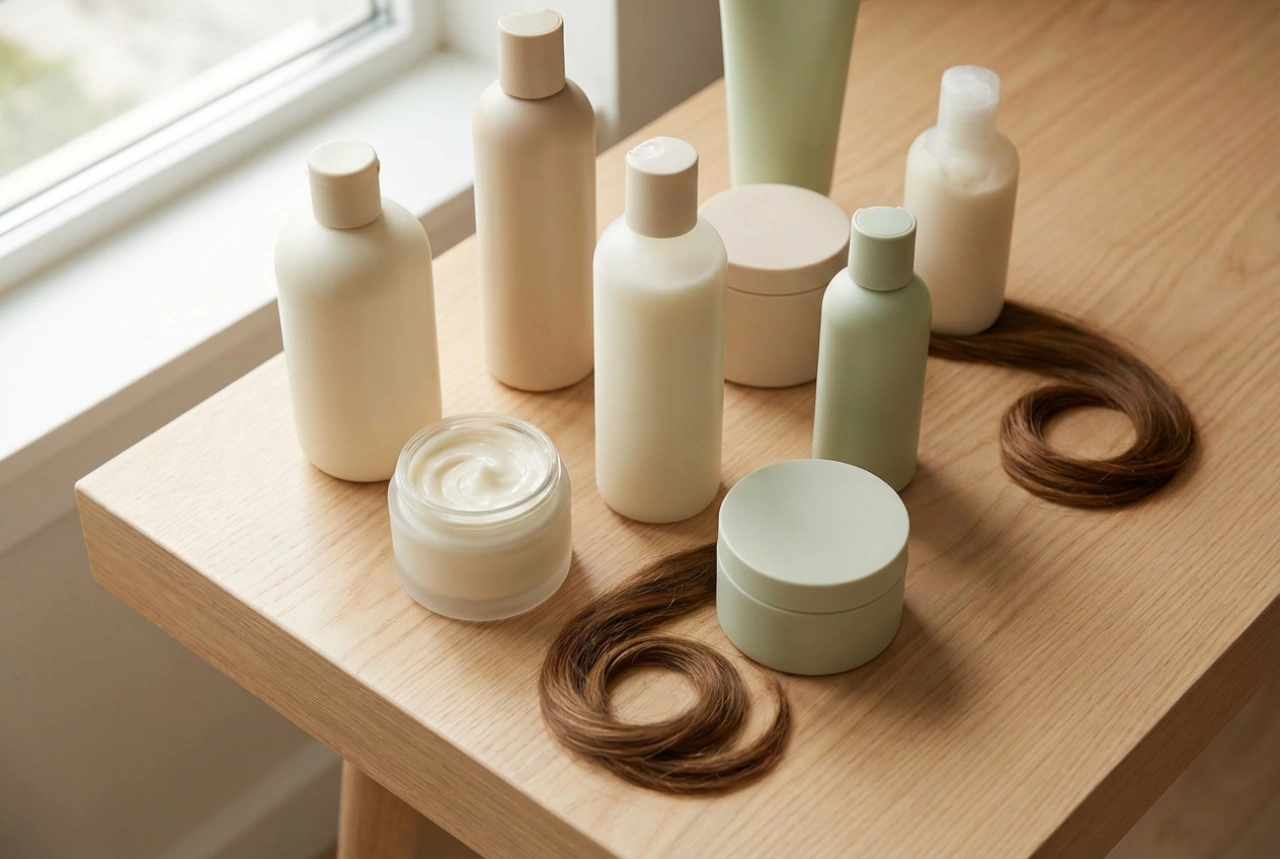
- Fine or Wavy Hair: If you have finer hair or looser waves, a lightweight spray or milk is ideal. These won't weigh your hair down or make it look greasy, providing moisture without sacrificing volume.
- Thick or Coily Hair: Denser, tighter curls and coils often require a richer, creamier leave-in conditioner. These thicker formulas provide the intense hydration needed to keep coily textures soft, defined, and manageable.
The Correct Application Technique for Maximum Definition
How you apply your leave-in conditioner is crucial for achieving the best results. The goal is to ensure every strand is evenly coated without overloading the hair with product.
Step 1: Start with Soaking Wet Hair. For optimal absorption and curl clumping, apply your leave-in conditioner to hair that is dripping wet, right after you've finished rinsing your regular conditioner. This helps the product spread easily and seals in the water.
Step 2: Section Your Hair. Divide your hair into four or more manageable sections. Working in sections ensures you don't miss any spots and that the product is distributed evenly from root to tip.
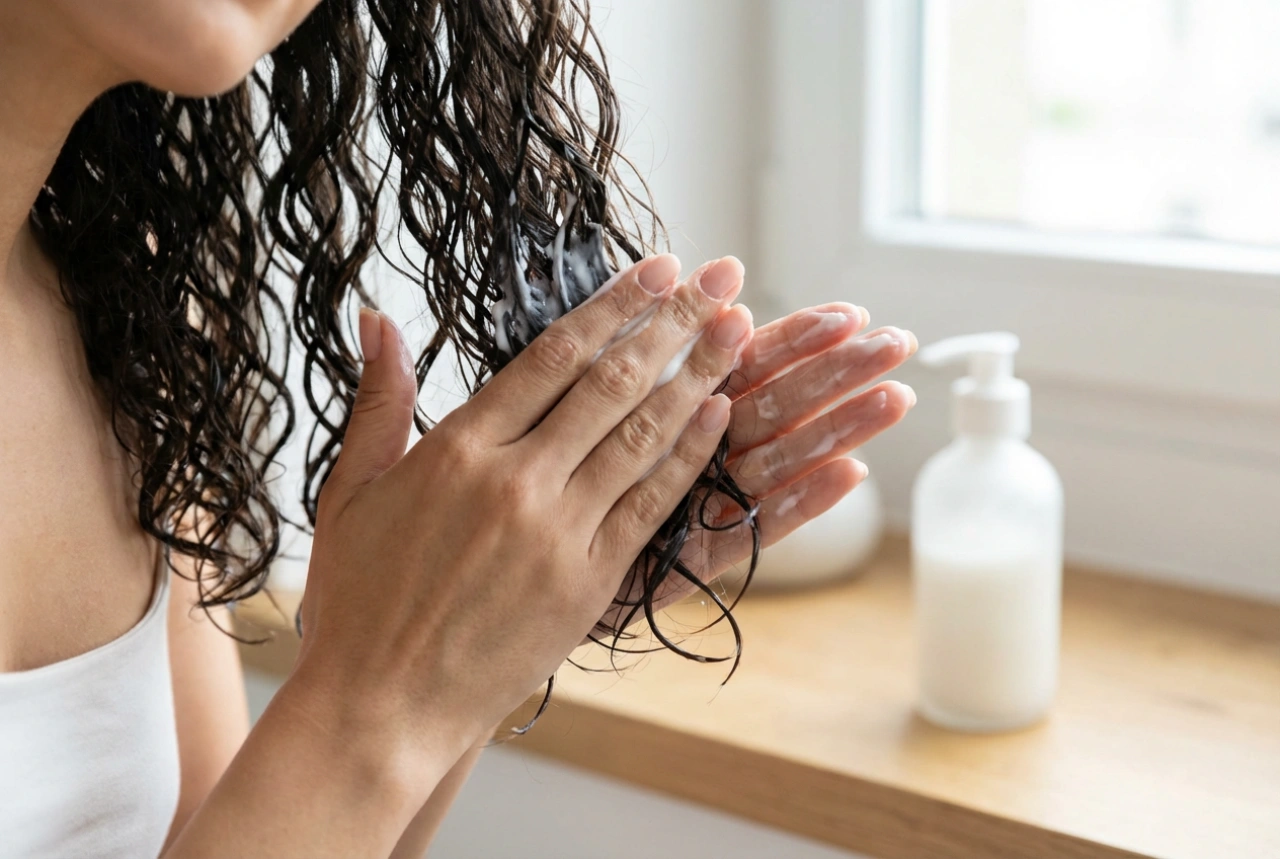
Step 3: Apply the Product. Take a small amount of leave-in conditioner and emulsify it between your palms. Use one of the following methods to apply it:
- The 'Praying Hands' Method: Sandwich a section of hair between your palms and glide them down the hair shaft. This smooths the cuticle and helps with even coating.
- The 'Raking' Method: Use your fingers like a rake to gently comb the product through each section. This helps with detangling and separating curls for initial definition.
- The 'Scrunching' Method: After applying the product, gently cup your ends and scrunch them upwards towards the scalp. This encourages your natural curl pattern to form.
Common Mistakes to Avoid
Even with the right product, some common errors can hinder your results. Being mindful of these mistakes can make a significant difference in the health and appearance of your curls.
- Applying to Dry or Damp Hair: Applying a leave-in to hair that isn't soaking wet can lead to uneven distribution and may not effectively seal in moisture, sometimes even causing a sticky or stringy look.
- Using Too Much Product: More is not always better. Using an excessive amount of leave-in conditioner can weigh your curls down, leaving them limp, greasy, or crunchy. Start with a small amount and add more only if needed.
- Uneven Application: Focusing only on the top layer or the ends will result in inconsistent curls. Ensure you are applying the product thoroughly from roots to ends on all sections of your hair.
- Skipping Other Conditioning Steps: A leave-in conditioner is a supplement, not a replacement for a rinse-out conditioner or a weekly deep conditioning treatment. These products serve different purposes in a complete hair care regimen.
Incorporating a suitable leave-in conditioner and applying it with the correct technique is a fundamental step towards achieving consistently moisturised, defined, and frizz-free curls. It is a simple yet powerful addition to your routine that celebrates and enhances the natural beauty of your hair.