

Embracing a more natural approach to beauty often starts with our daily routines, and hair care is no exception. A good natural conditioner can transform the health and appearance of your hair, using the power of botanical ingredients to nourish, moisturise, and protect. But with so many options available, how do you choose the right one and use it for the best results? This guide will help you understand the components of natural conditioners and how to integrate them effectively into your hair care ritual.
What Defines a 'Natural' Hair Conditioner?
The term 'natural' in cosmetics generally refers to products formulated predominantly with ingredients derived from natural sources, such as plants, minerals, and sometimes animal by-products like honey or beeswax, with minimal chemical processing. In the context of hair conditioners, this typically means a formula free from certain synthetic compounds that some people prefer to avoid. While definitions can vary, natural conditioners often exclude silicones, which can build up on the hair; sulphates (more common in shampoos but sometimes in conditioning products); and certain types of preservatives or artificial fragrances. Instead, they rely on plant-based oils, butters, proteins, and extracts to soften, detangle, and improve hair manageability.
Key Ingredients to Look For in Natural Conditioners
Understanding the function of key ingredients can empower you to select a product that truly meets your hair's needs. Natural conditioners are built around a blend of components that work in harmony.
Moisturising Agents (Humectants)
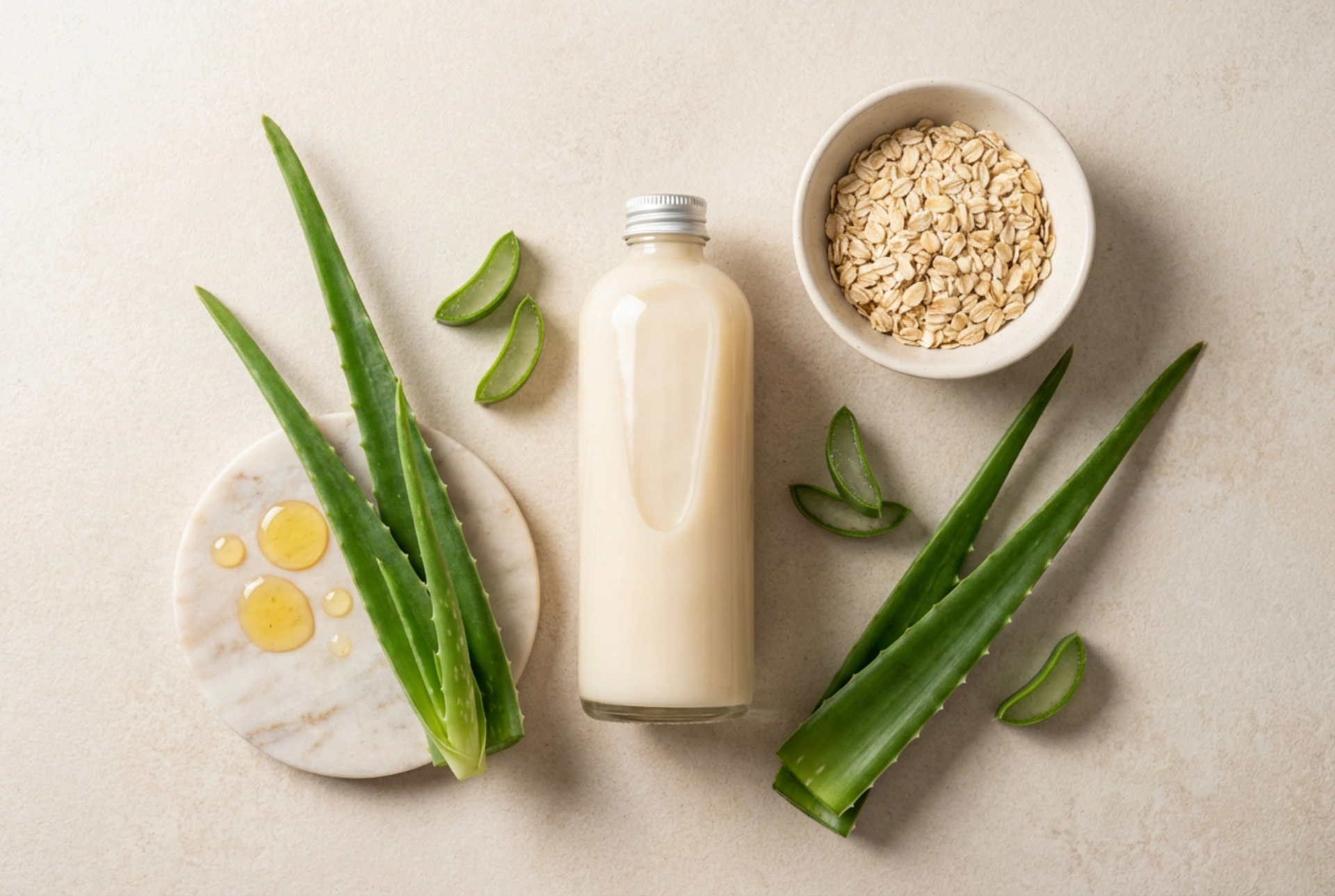
Humectants are ingredients that attract water from the atmosphere into the hair shaft, providing essential hydration. They are vital for keeping hair supple and preventing brittleness. Look for ingredients like aloe vera, which is rich in vitamins and enzymes that soothe the scalp and hydrate the hair. Vegetable glycerin and honey are other excellent natural humectants that leave hair feeling soft and moisturised.
Oils and Butters (Emollients)
Oils and butters are the foundation of many conditioners, providing nourishment and sealing in moisture. They smooth the hair cuticle, which helps to reduce frizz, enhance shine, and improve softness. Common choices include shea butter and cocoa butter for deep conditioning, while lighter oils like argan oil, jojoba oil, and grapeseed oil offer nourishment without weighing hair down. Coconut oil is particularly praised for its ability to penetrate the hair shaft and reduce protein loss.
Proteins and Strengthening Components
Hair is primarily made of protein, so incorporating protein-based ingredients into your conditioner can help repair damage and strengthen the hair structure. This is especially beneficial for hair that is porous, weak, or has been chemically treated. Natural options include hydrolysed proteins from sources like oats, wheat, or quinoa. These proteins are broken down into smaller molecules that can penetrate the hair cuticle and fortify it from within.
How to Choose the Right Natural Conditioner for Your Hair Type
Not all natural conditioners are created equal, and the best one for you will depend on your hair's specific characteristics. Matching the formula to your hair type is crucial for achieving desired results.
- For Fine or Thin Hair: Opt for lightweight formulas that won't weigh your hair down. Look for conditioners with volumising botanical extracts like rosemary or mint and lighter hydrating ingredients like aloe vera. Avoid heavy butters and oils.
- For Dry or Damaged Hair: Your hair needs intense moisture and repair. Choose rich, creamy conditioners containing nourishing ingredients like shea butter, argan oil, or avocado oil. Products with hydrolysed proteins can also help to restore strength.
- For Oily Hair: The key is to condition the ends without adding excess oil to the scalp. Select a lightweight conditioner and focus its application on the mid-lengths and ends only. Ingredients like tea tree or citrus extracts can provide a refreshing feel.
- For Colour-Treated Hair: To preserve your colour, use gentle, protective formulas. Look for conditioners rich in antioxidants, such as green tea extract or vitamin E, which help to shield hair from environmental stressors that can cause colour to fade.
Effective Application for Maximum Benefit
How you apply your conditioner is just as important as the product you choose. Follow these steps to get the most out of your natural conditioner.
- Start with Clean, Damp Hair: After shampooing, gently squeeze the excess water from your hair. Applying conditioner to soaking wet hair can dilute the product and reduce its effectiveness.
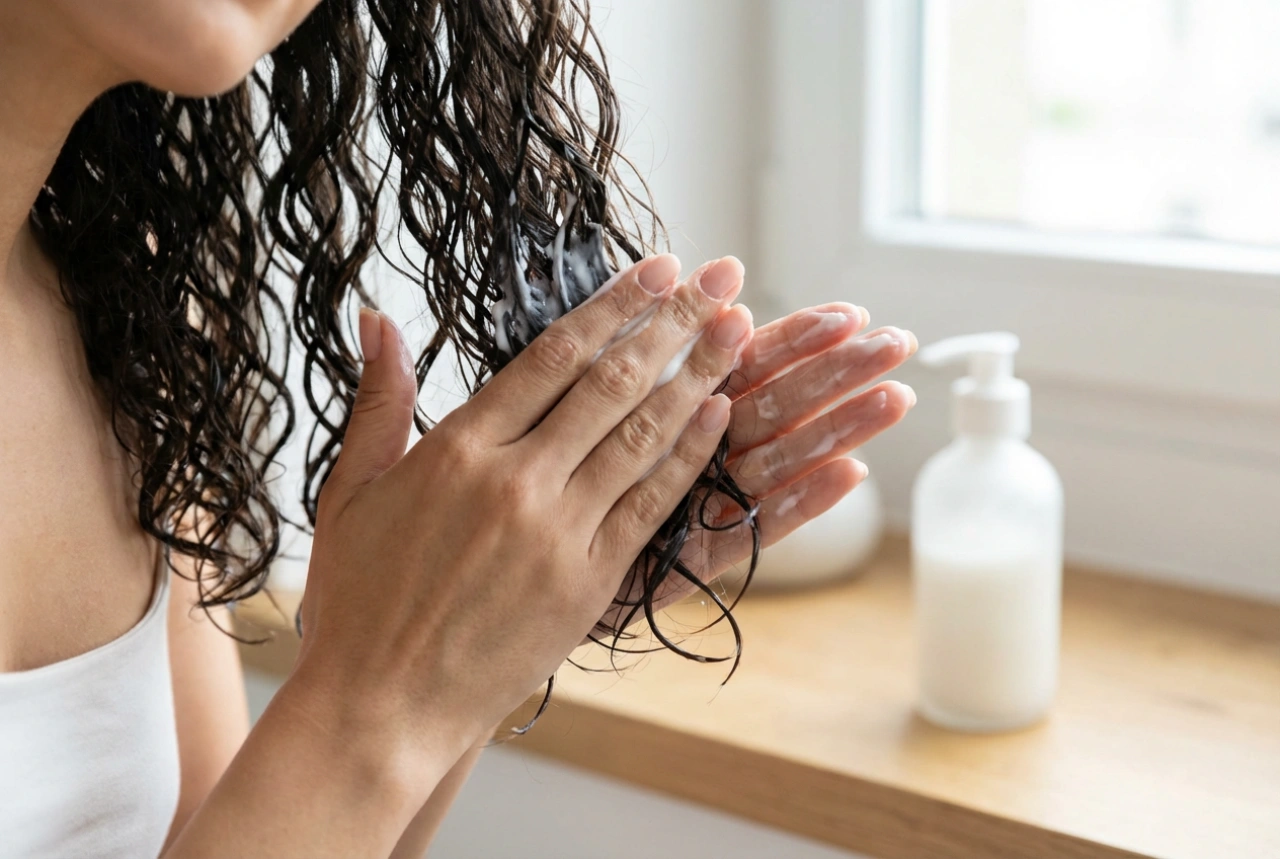
- Use the Right Amount: A small, coin-sized amount is usually sufficient for medium-length hair. You can adjust as needed based on your hair's length and thickness.
- Focus on Mid-Lengths and Ends: The ends of your hair are the oldest and most damaged part, so they need the most attention. Avoid applying conditioner directly to your scalp, as this can weigh down the roots and lead to build-up.
- Distribute Evenly: Use your fingers or a wide-tooth comb to gently work the conditioner through your hair, ensuring every strand is coated. This also helps to detangle without causing breakage.
- Allow Time to Absorb: Let the conditioner sit for at least 2-3 minutes. This gives the active ingredients time to penetrate the hair shaft. For a deeper conditioning treatment, you can leave it on for longer.
- Rinse Thoroughly: Rinse your hair with lukewarm or cool water. A cool rinse helps to seal the hair cuticle, locking in moisture and boosting shine. Make sure all the product is rinsed out to prevent build-up.
By understanding the ingredients and adopting the right techniques, you can harness the full potential of natural hair conditioners. This conscious approach not only benefits your hair, making it healthier and more vibrant, but also enhances your overall wellness routine.