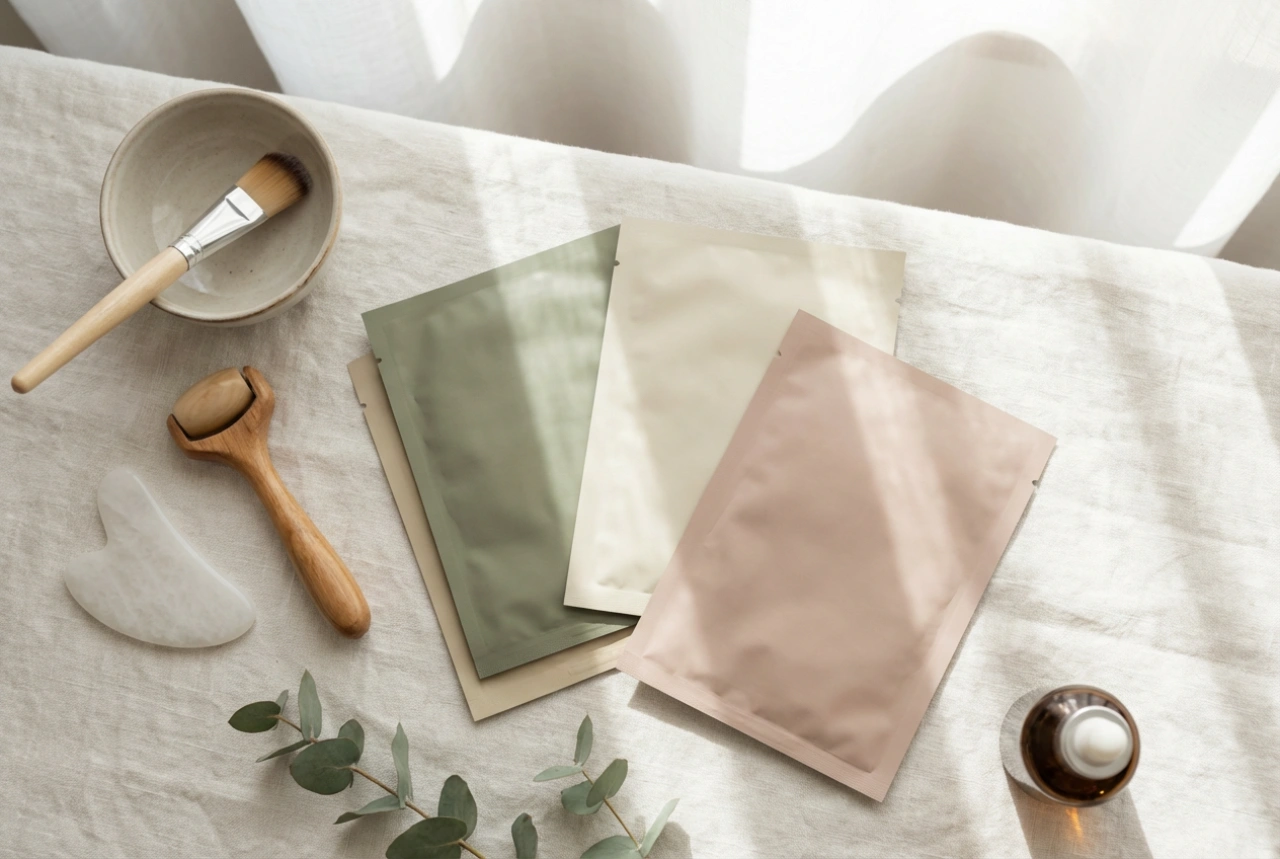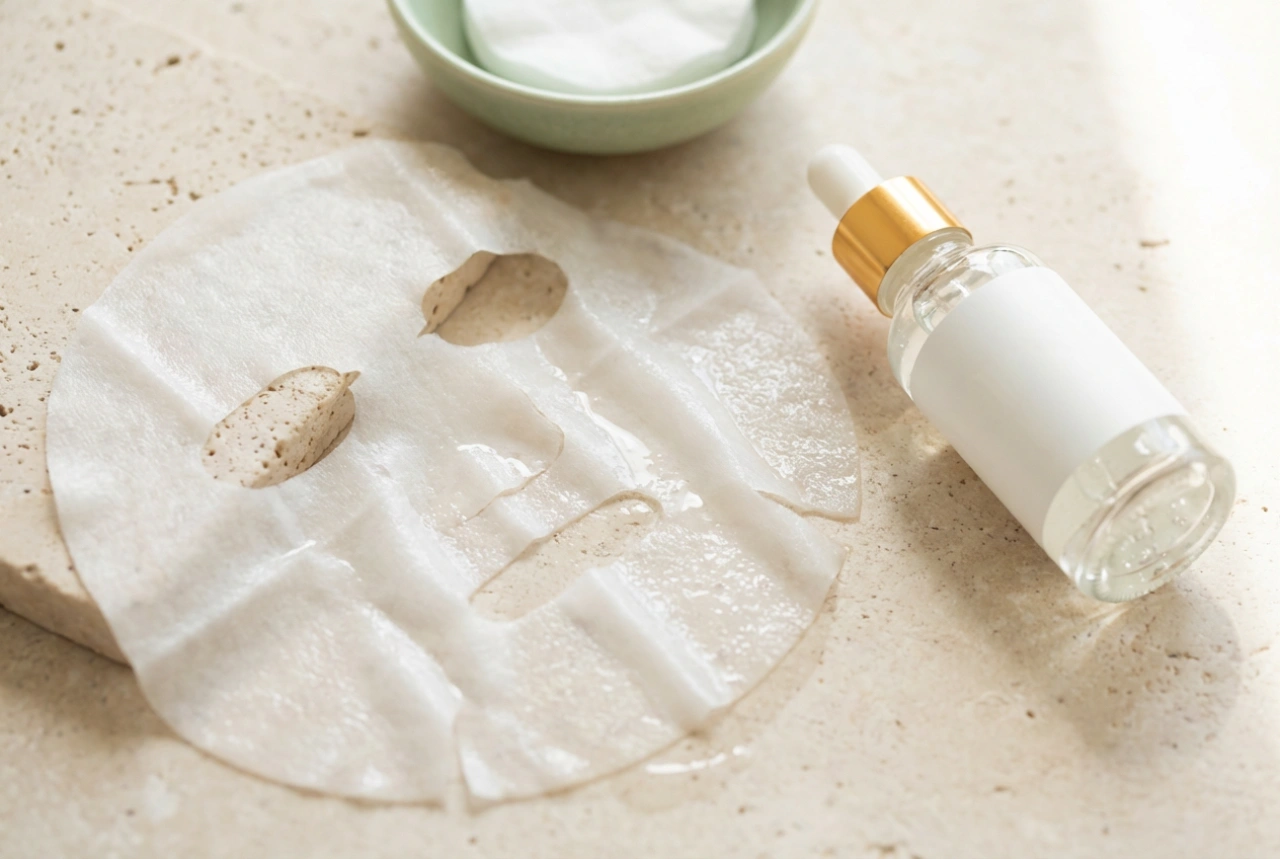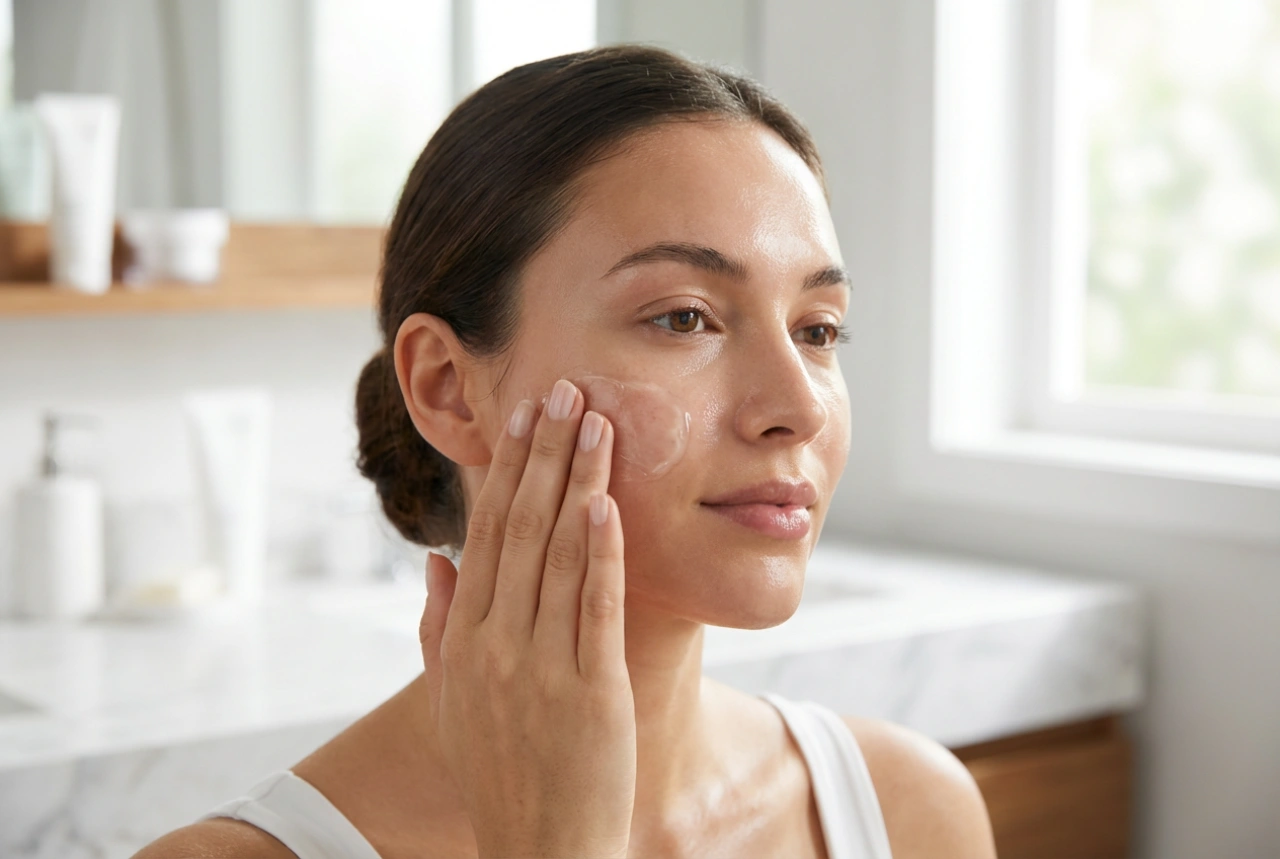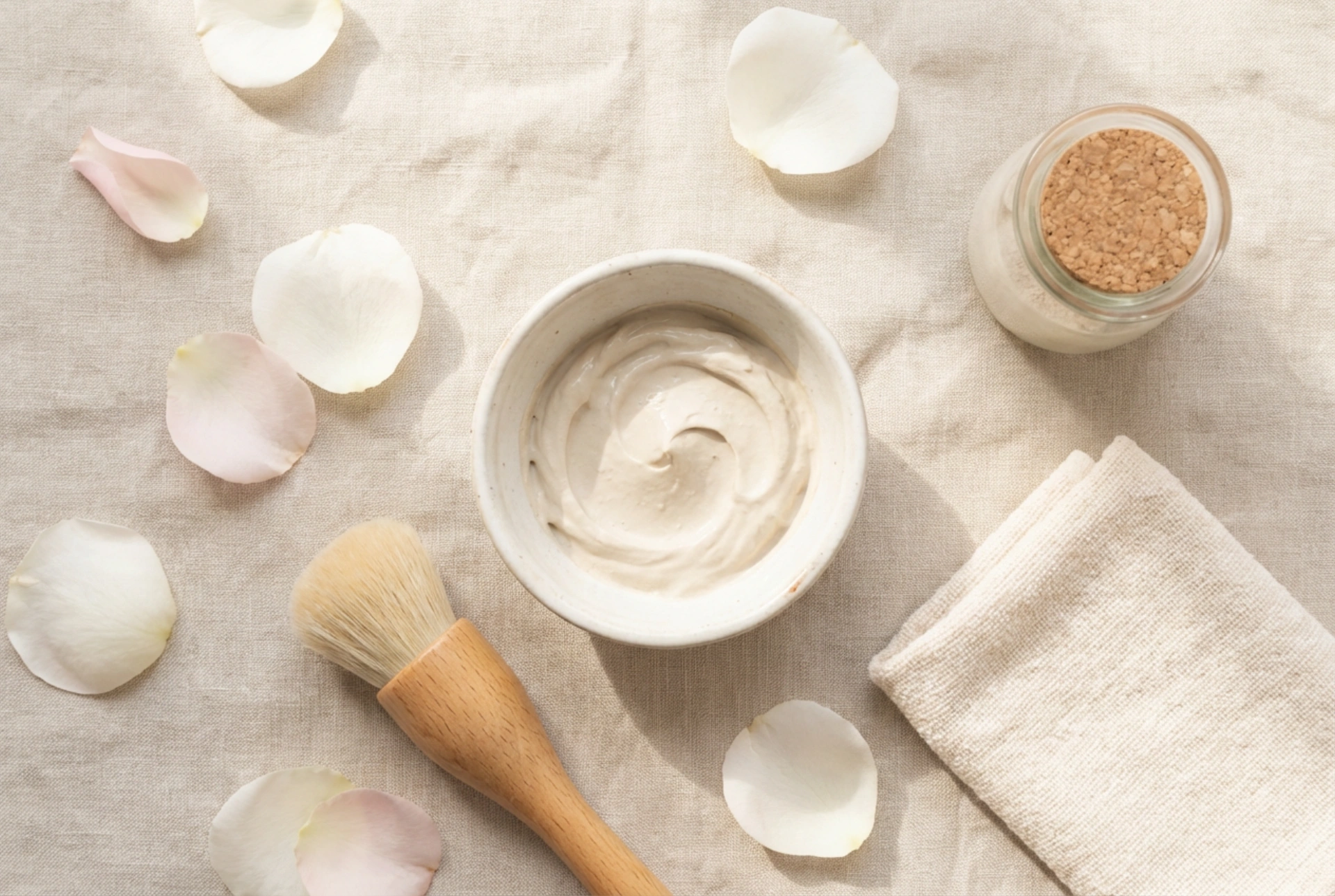


Imagine a quiet corner of your home, illuminated by soft, diffused sunlight, where a small ceramic bowl holds a creamy face mask surrounded by delicate petals and a soft application brush. This serene image represents the ultimate at-home beauty ritual—a moment dedicated entirely to self-care and skin nourishment. Face masks are highly concentrated treatments designed to address specific skin needs, but their effectiveness depends heavily on how they are applied. To transform a simple product into a professional-level experience, understanding the step-by-step process of application, timing, and preparation is key.
The Essential First Step: Preparing Your Canvas
Before any treatment touches your face, preparing your skin is paramount. Applying a mask over makeup residues, sunscreen, or daily impurities prevents the active ingredients from penetrating the skin barrier effectively. This can lead to wasted product and suboptimal results.
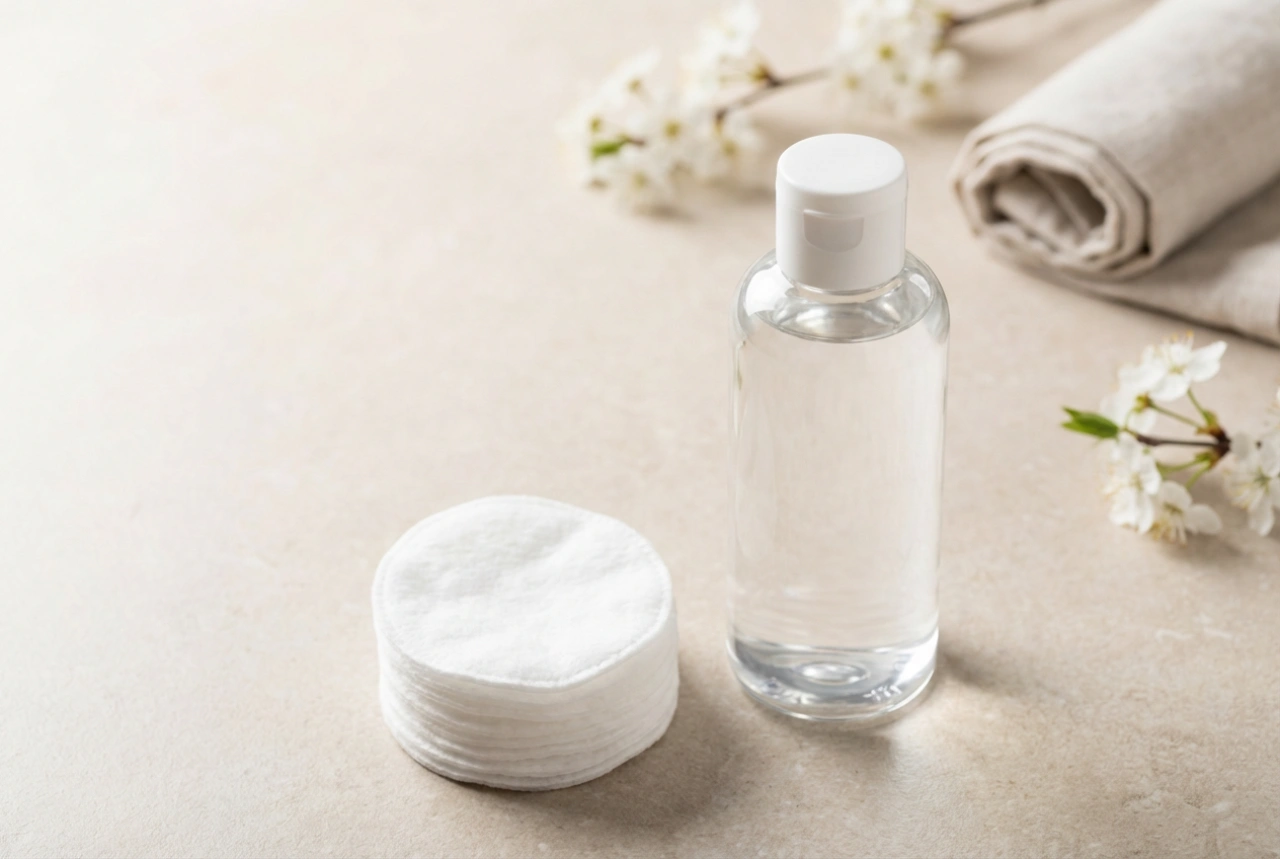
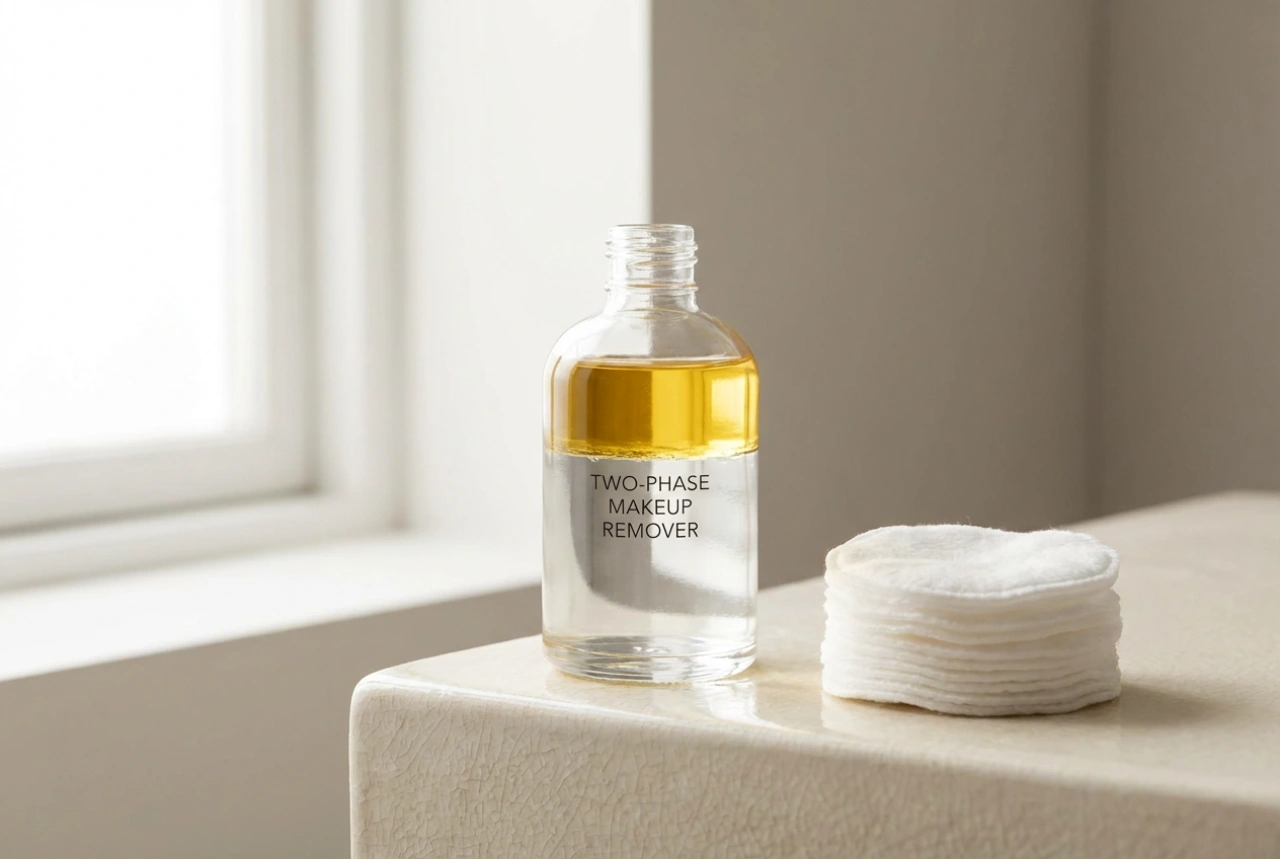
- Deep Cleansing: Begin with a gentle, pH-balanced cleanser to remove surface dirt and sebum. If you have been wearing makeup or sunscreen, consider a double-cleanse method using a light cleansing oil followed by a water-based wash.
- Gentle Exfoliation: Once or twice a week, a mild enzyme or physical exfoliant can be used before a mask. Removing dead skin cells allows the nutrients from your face mask to absorb much more efficiently. However, avoid aggressive scrubbing, which can sensitise the skin.
- Warm Compress: To elevate the experience, press a warm, damp washcloth gently against your face for a few seconds. The warmth helps to soften the stratum corneum, preparing the skin surface for the pampering steps ahead.
The Art of Mask Application
Using the right tools and techniques can make a significant difference in how your skin responds to a treatment. While using clean fingertips is perfectly acceptable, incorporating a dedicated, soft application brush—similar to the one in our tranquil setting—brings several benefits. It ensures an even layer, reduces product wastage, and maintains a high standard of hygiene.
When applying the mask, start from the centre of the face and move outwards and upwards. This technique respects the natural flow of facial tissues. Ensure you cover the cheeks, forehead, chin, and nose with a uniform layer, while strictly avoiding the delicate skin immediately around the eyes and lips, where the skin is much thinner and more prone to irritation. Do not forget the neck and décolletage; these areas are often exposed to environmental stressors and benefit greatly from the same hydrating and nourishing ingredients you feed your face.
The Science of Timing: Why More Is Not Always Better
One of the most common misconceptions in skincare is that leaving a mask on for longer, or even letting it dry completely, increases its benefits. In reality, respecting the recommended time is crucial for skin health. Most cream, gel, and sheet masks are designed to work within 10 to 20 minutes.
The Phases of Clay and Mud Masks
Clay-based formulas have a specific lifecycle on the skin that requires careful attention. In the first phase, the skin drinks in the beneficial minerals from the wet clay. In the second phase, the mask begins to dry, stimulating blood flow as it contracts. The third phase is when the mask is completely dry and starts drawing moisture out of your skin, leaving it tight and dehydrated. To avoid this, always rinse off a clay mask when it is still slightly tacky to the touch, rather than waiting for it to crack and crumble.
How to Spend Your Masking Time
While the mask is working, try to remain still and horizontal. Lying down prevents gravity from pulling the heavy, wet product downwards, which can stretch the skin over time. It also encourages a state of deep relaxation, lowering stress levels, which in turn has a positive effect on your overall skin appearance.
Gentle Removal and Restoring Balance
The removal process should be as gentle as the application. Avoid using hot water, as it can strip natural oils and cause redness; instead, opt for lukewarm water. Dampen a soft microfibre cloth or a cellulose sponge and hold it against your face for a moment to rehydrate the mask before gently wiping it away. Avoid any vigorous rubbing, which can cause micro-tears in the skin barrier.
Immediately after rinsing, pat your face dry with a clean, soft towel. Because washing your face can temporarily alter its natural pH, follow up instantly with a hydrating toner or essence. This primes the skin for the final step: applying a rich moisturiser or facial oil to lock in the beneficial ingredients and create a protective seal, ensuring your skin remains plump, soft, and radiant.
Creating a Harmonious At-Home Spa Environment
To truly elevate this routine, focus on the atmosphere. The visual of a minimalist, light surface with fresh petals suggests that beauty rituals are also mental wellness rituals. Light a non-scented beeswax candle, play soft instrumental music, and disconnect from digital screens during your treatment. Incorporating these simple habits turns a routine skincare step into a powerful ritual of mindfulness and self-preservation.