

When the temperature drops and the cold wind begins to bite, our skin is often the first to feel the effects. The transition from warm, heated indoor environments to the freezing outdoor air can disrupt the skin's natural protective barrier, leading to dryness, dehydration, and a dull complexion. To maintain a healthy, radiant glow throughout the colder months, it is essential to adapt our skincare routine. Introducing a rich, protective winter face cream and mastering the art of layering can make all the difference in keeping your skin comfortable and nourished.
The Role of a Winter Face Cream
During winter, the humidity levels both indoors and outdoors plummet, causing moisture to evaporate from our skin at a much faster rate. A standard lightweight lotion that worked perfectly during the summer months may no longer provide sufficient protection. This is where a dedicated winter face cream becomes indispensable.
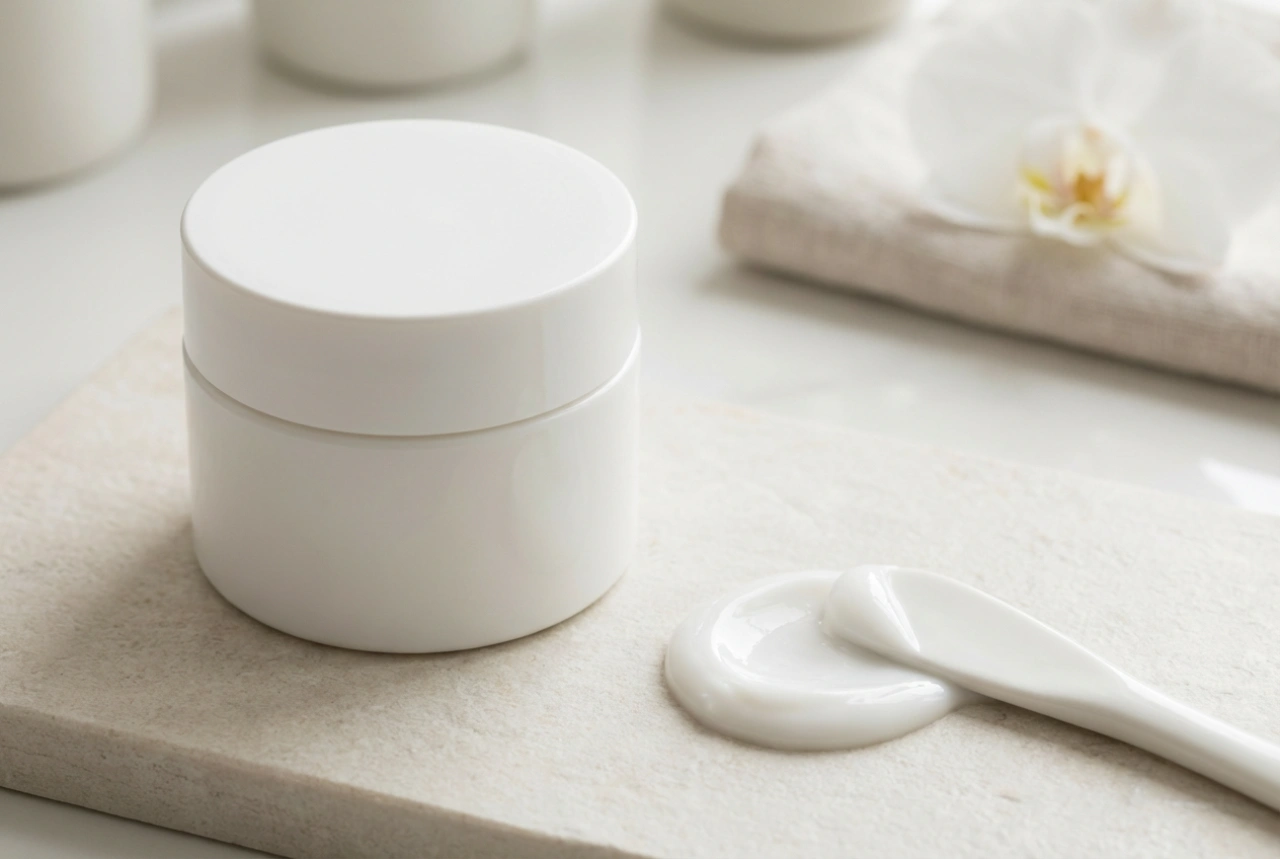
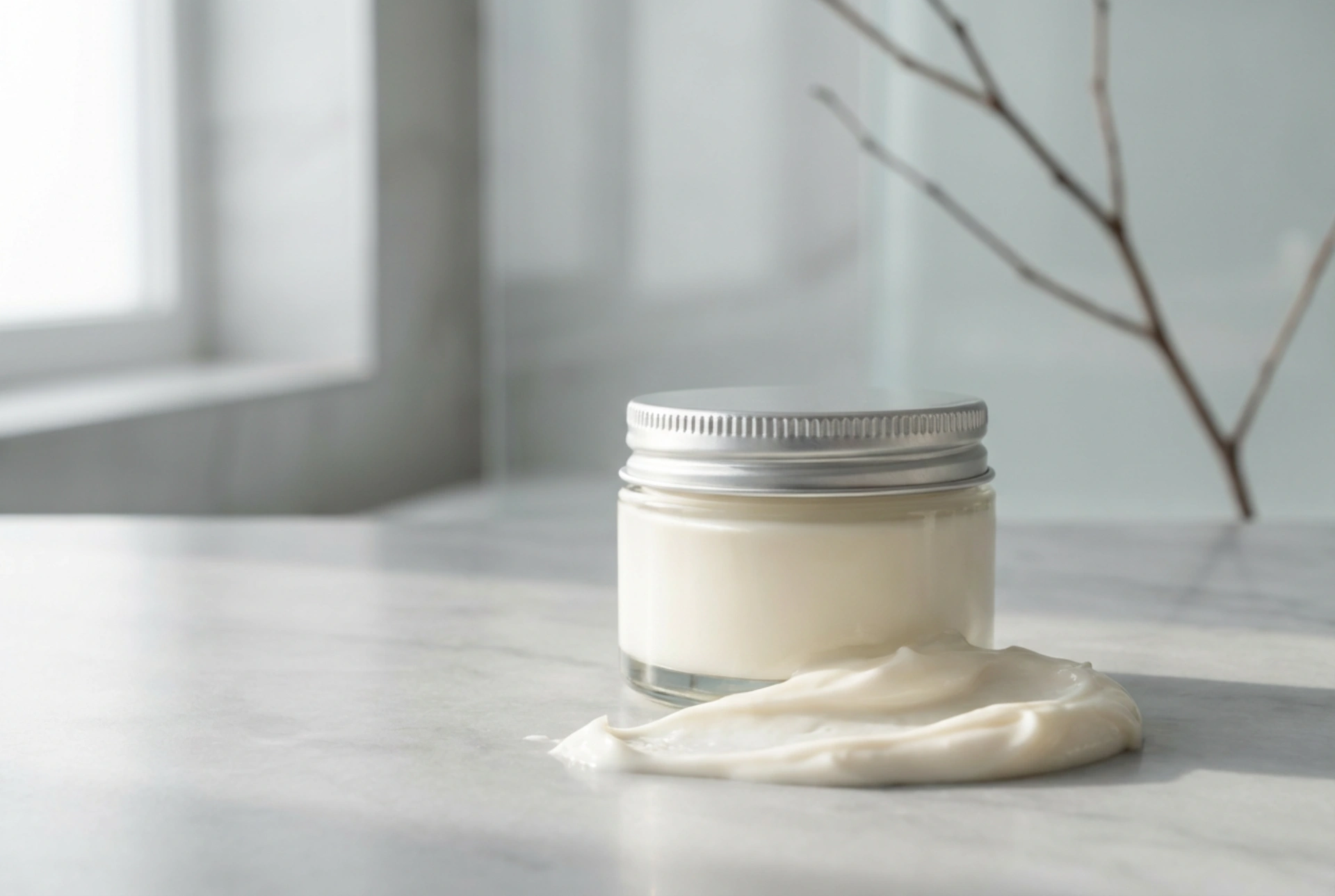
Unlike lighter formulations, a winter-appropriate cream is designed to create a delicate, non-greasy protective shield on the surface of the skin. It focuses on sealing in moisture while defending the epidermis from external aggressors such as harsh winds and low temperatures. These creams typically contain ingredients that mimic the skin's natural lipid barrier, helping to prevent transepidermal water loss and maintaining optimal hydration levels throughout the day.
Key Ingredients to Look For
When selecting a protective cream for the colder season, it is beneficial to focus on nourishing and barrier-supporting components. A well-formulated winter cream should offer a balance of hydration and protection:
- Ceramides: These naturally occurring lipids help restore the skin barrier, keeping moisture locked in and external irritants out.
- Plant-Derived Oils: Rich, nourishing oils such as jojoba, avocado, or evening primrose oil provide essential fatty acids that soften and smooth dry skin texture.
- Humectants: Ingredients like glycerin and hyaluronic acid attract water to the skin, ensuring it remains plump and hydrated beneath the protective lipid layer.
- Butters: Natural shea butter or cocoa butter offers a comforting, rich texture that provides long-lasting comfort against windburn.
The Art of Layering in Winter
Layering your skincare products correctly is just as important as the products themselves. During the winter, a single cream might not be enough to combat severe dryness, making a multi-step routine highly beneficial. The golden rule of layering is to apply products from the thinnest consistency to the thickest.
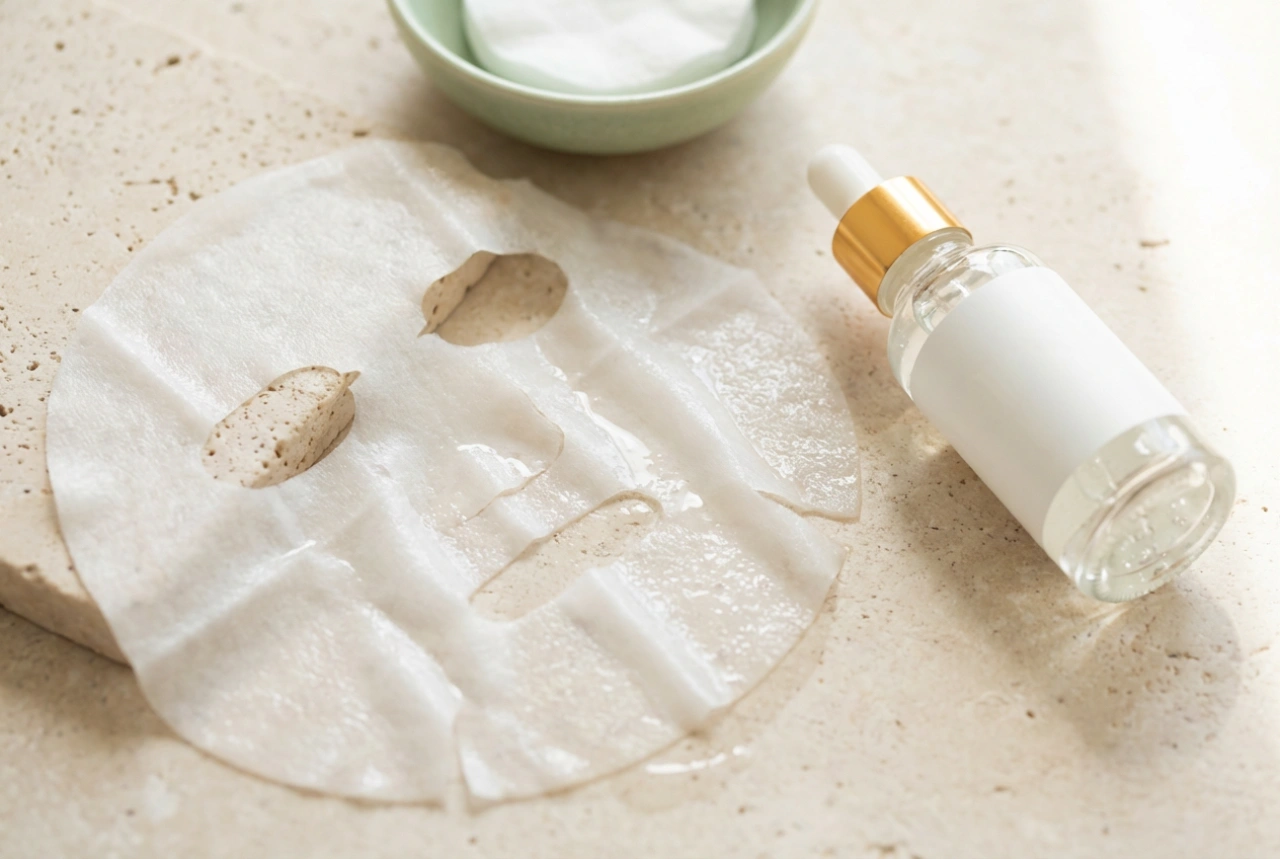
Begin with a clean face and apply a hydrating toner or essence to prep the skin. Next, apply a concentrated hydrating serum containing humectants to boost moisture levels. Once the serum has fully absorbed, seal everything in with your rich winter face cream. For extremely dry skin types, a few drops of a gentle facial oil can be pressed over the cream as a final step to lock in all the previous layers and provide an extra layer of comfort.
Proper Application Techniques for Maximum Comfort
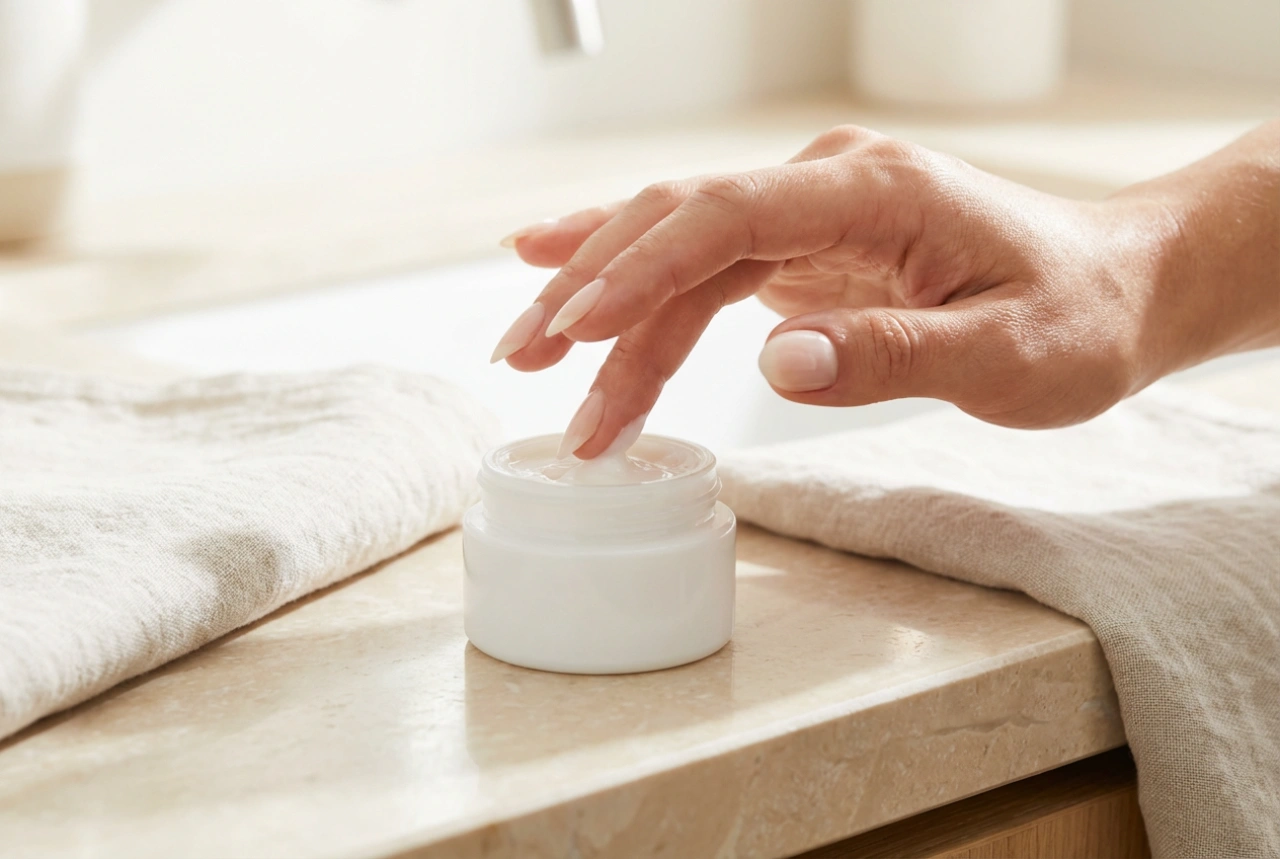
How you apply your winter cream can influence how well it performs. Instead of vigorously rubbing the product into your skin, try warming a small amount of cream between your fingertips first. This softens the texture, making it easier to spread evenly without tugging on sensitive or wind-chapped skin.
Gently press and pat the cream onto your face, neck, and decolletage. Pay special attention to areas that are prone to dryness, such as the cheeks and the delicate skin around the nose. Allow the cream a few minutes to settle fully before applying makeup or stepping outside into the cold air, ensuring the protective layer has established itself on the skin's surface.