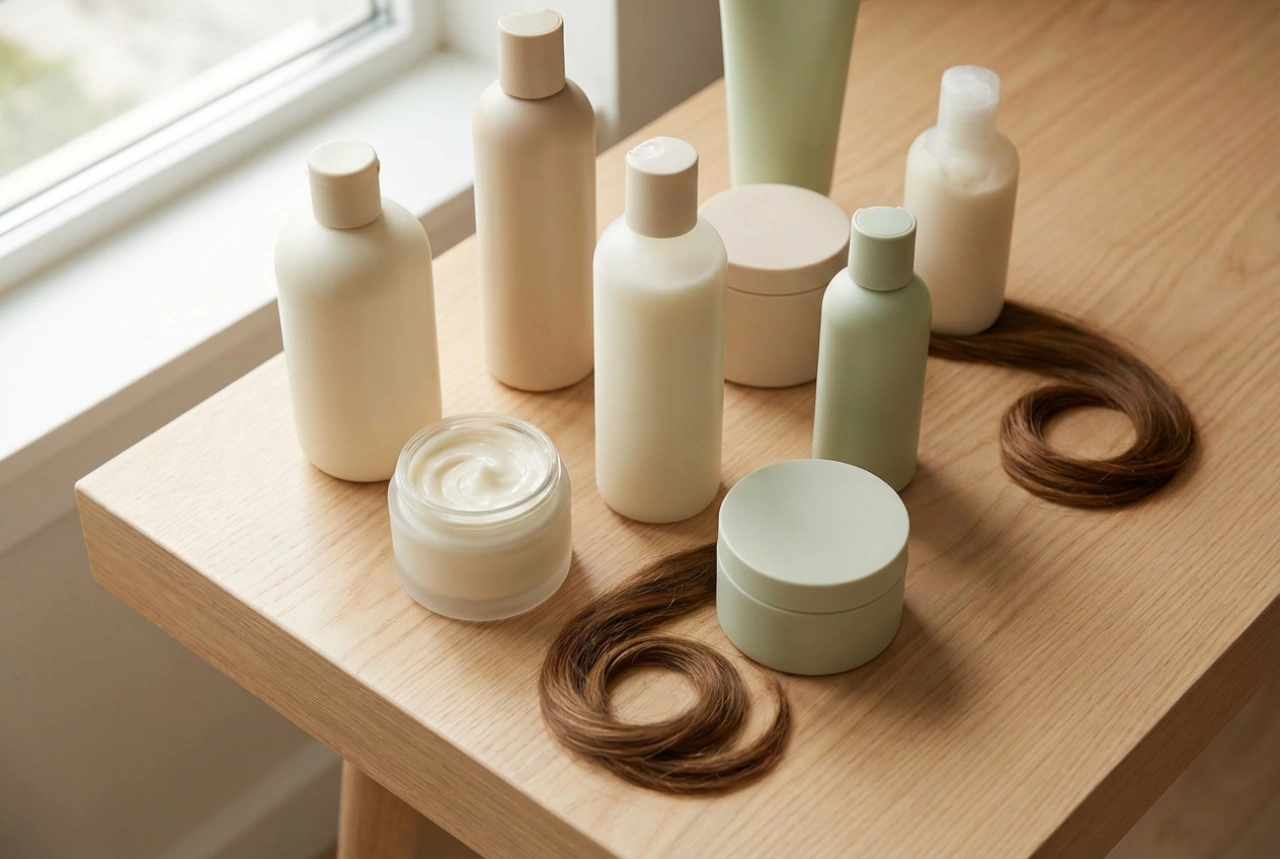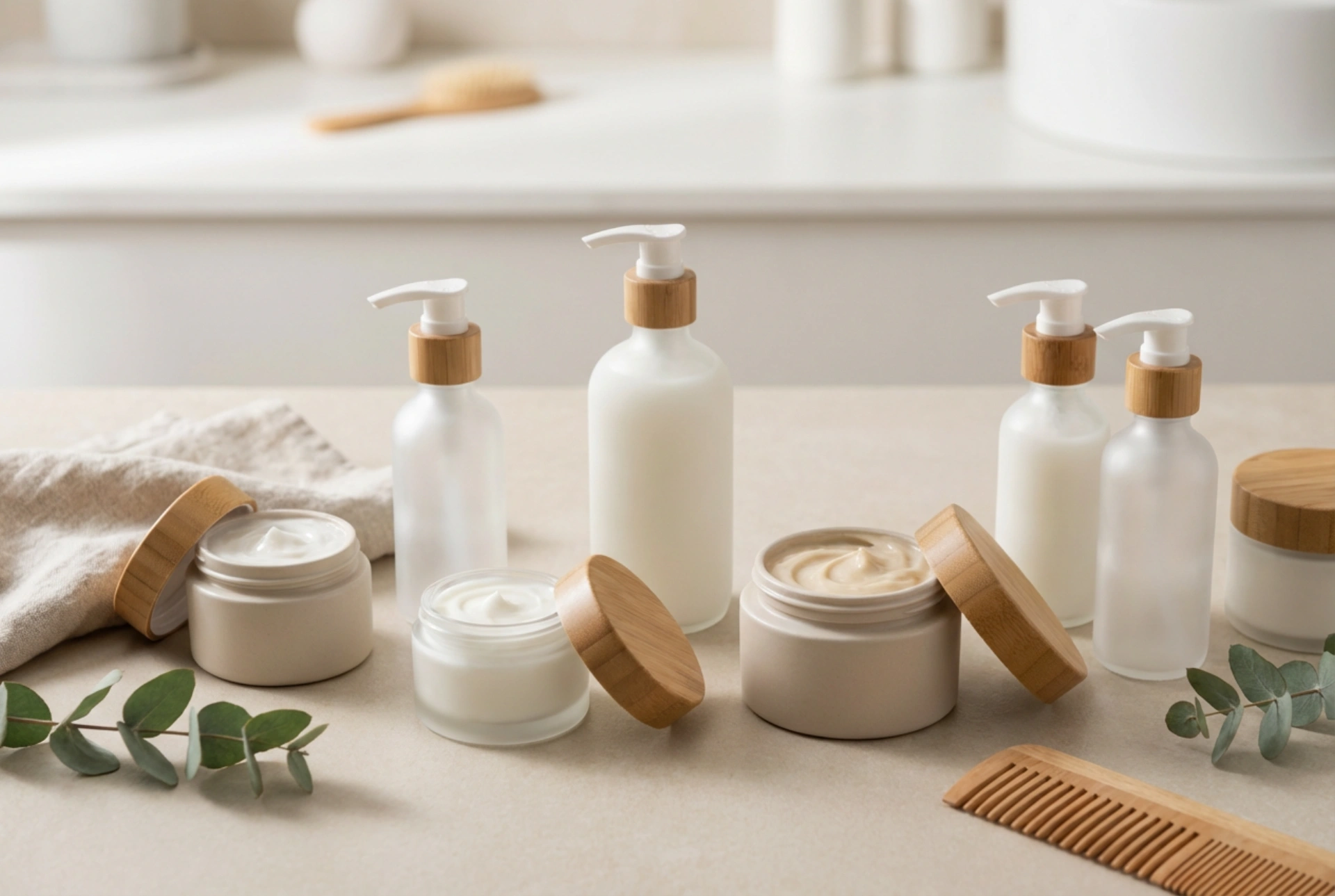


When selecting the right hair care products, we often find ourselves looking at a beautifully designed bottle and wondering if the formulation inside will truly transform our hair. Understanding the key ingredients in hair conditioners is the first step toward achieving a healthy, radiant shine. By learning how to read ingredient lists and identifying what your hair currently needs, you can easily create a personalized care routine that brings out the best in your natural texture without relying on trial and error.
The Key Elements of a Hair Conditioner Formula
Hair conditioners are formulated to smooth the hair cuticle, ease detangling, and restore moisture lost during cleansing. To understand how they work, it is helpful to look at the main categories of ingredients commonly found in these formulas:
- Emollients: These are rich oils and plant butters that form a protective barrier on the hair shaft. They help seal in moisture, soften the strands, and prevent frizz. Examples include natural plant oils and seed butters.
- Humectants: These ingredients attract water molecules from the surrounding environment into the hair shaft, providing essential hydration. Common humectants include glycerin, aloe vera, and panthenol.
- Proteins: Often listed as hydrolyzed proteins, these ingredients temporarily fill in small gaps along the damaged hair cuticle, providing structure, strength, and improved elasticity.
- Antistatic and Conditioning Agents: These compounds help neutralize the negative electrical charge of washed hair, reducing static, enhancing manageability, and allowing for effortless combing.
Identifying Your Hair Type and Needs
Before choosing a product, it is essential to assess the current condition of your hair. Hair needs can change depending on environmental factors, styling habits, and seasonal shifts. Choosing the wrong formula can lead to weighed-down locks or, conversely, dry and brittle ends.
Fine and Flat Hair
Fine hair easily loses volume when coated with heavy substances. If your hair is naturally thin or tends to get greasy quickly, look for lightweight formulas. Gel-based or liquid spray-on conditioners work best. Avoid heavy seed butters and high concentrations of rich oils, focusing instead on light humectants and gentle conditioning agents that provide slip without weight.
Dry, Coarse, and Dehydrated Hair
Dry hair lacks both moisture and protective lipids. It requires a rich, creamy conditioner packed with nourishing emollients and powerful humectants. Look for ingredients that mimic the natural protective barrier of the hair to lock in deep hydration and restore flexibility to stiff strands.
Damaged and Porous Hair
Hair that has been subjected to frequent styling, mechanical friction, or environmental stress often has a raised, compromised cuticle. This hair type benefits greatly from conditioners containing hydrolyzed proteins. These micro-particles temporarily patch up structural weak spots, restoring resilience and preventing further breakage.
How to Read the Ingredient List (INCI)
Understanding the International Nomenclature of Cosmetic Ingredients (INCI) list on the back of the packaging is simpler than it seems. Ingredients are listed in descending order of concentration. The first five to seven ingredients typically make up the vast majority of the product's formula. If a highly praised natural oil is listed at the very end of the list, after preservatives and fragrance, it is only present in a trace amount and will not have a significant impact on your hair's condition.
When analyzing a formula, look at the balance of three main groups: proteins, humectants, and emollients. Balanced hair care relies on providing the right proportions of these three elements based on your hair's unique daily requirements.
Application Techniques for Maximum Efficacy
Even the most advanced conditioner will not deliver optimal results if applied incorrectly. For the best outcome, always follow a few simple application rules:
- Remove excess water: After shampooing, gently squeeze excess water from your hair with a soft towel. Excess water dilutes the conditioner and prevents it from adhering properly to the hair fibers.
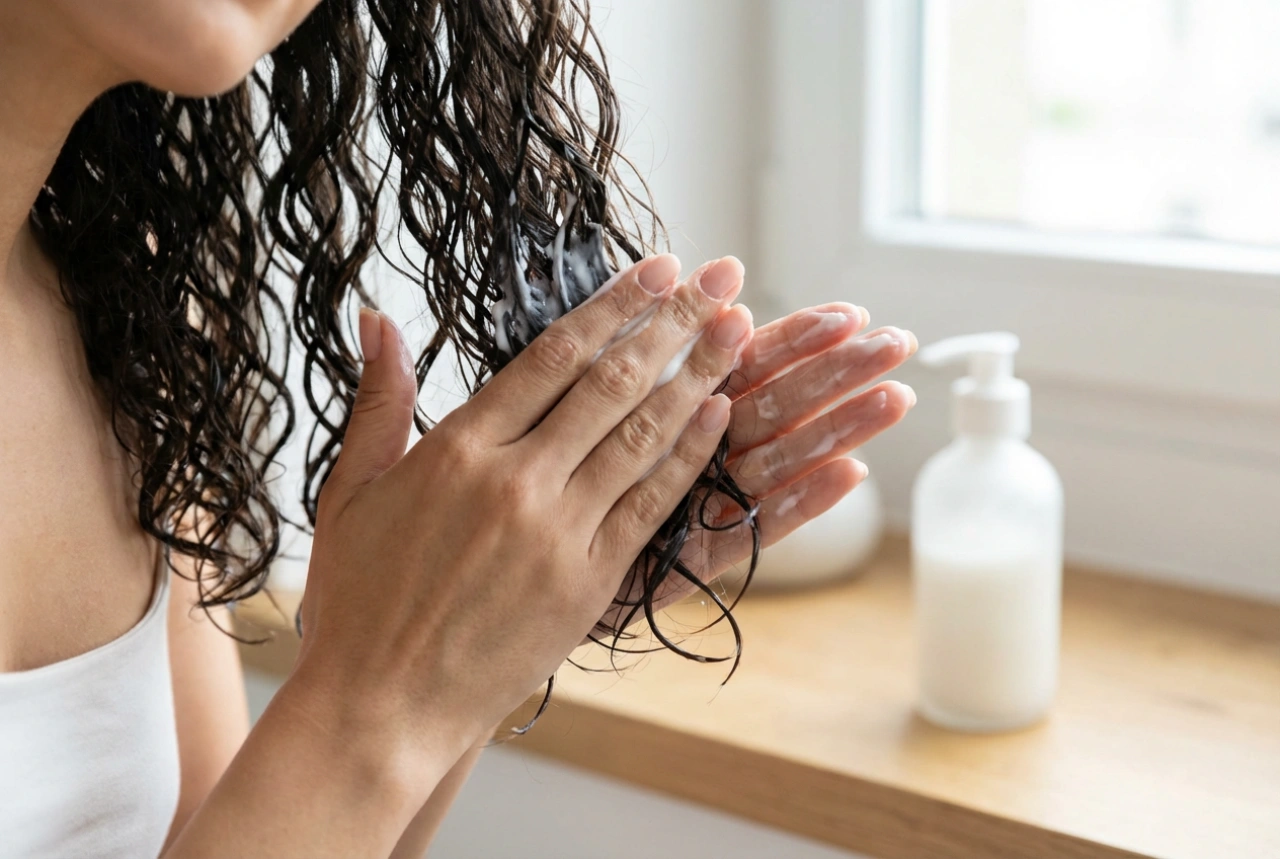
- Focus on the lengths: Apply the product from the ears downward, paying special attention to the ends, which are the oldest and most vulnerable parts of the hair. Avoid applying heavy conditioners directly to the scalp to prevent premature oiliness.
- Distribute evenly: Use a wide-tooth comb or your fingers to distribute the product evenly through every strand.
- Respect the leave-on time: Give the active ingredients a few minutes to bond with the hair structure before rinsing thoroughly with lukewarm water.