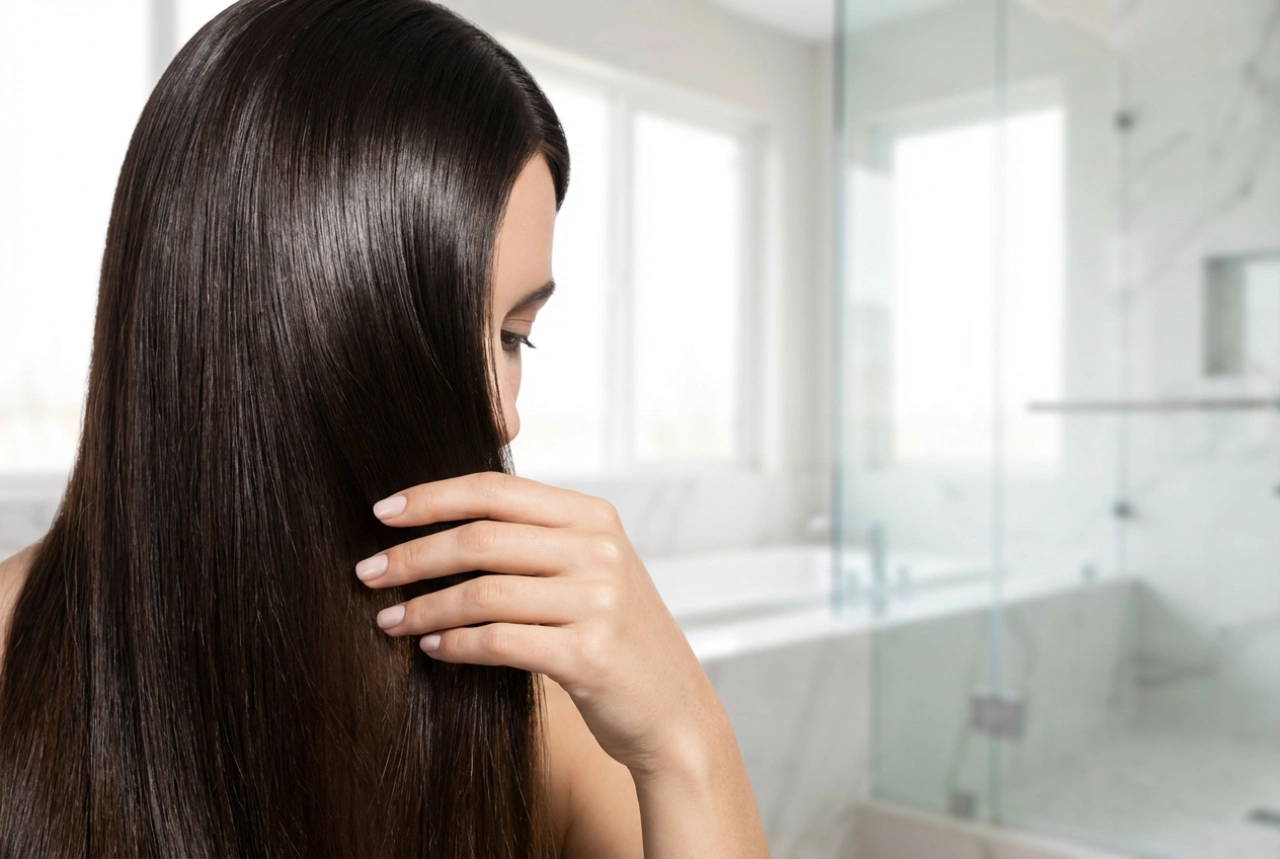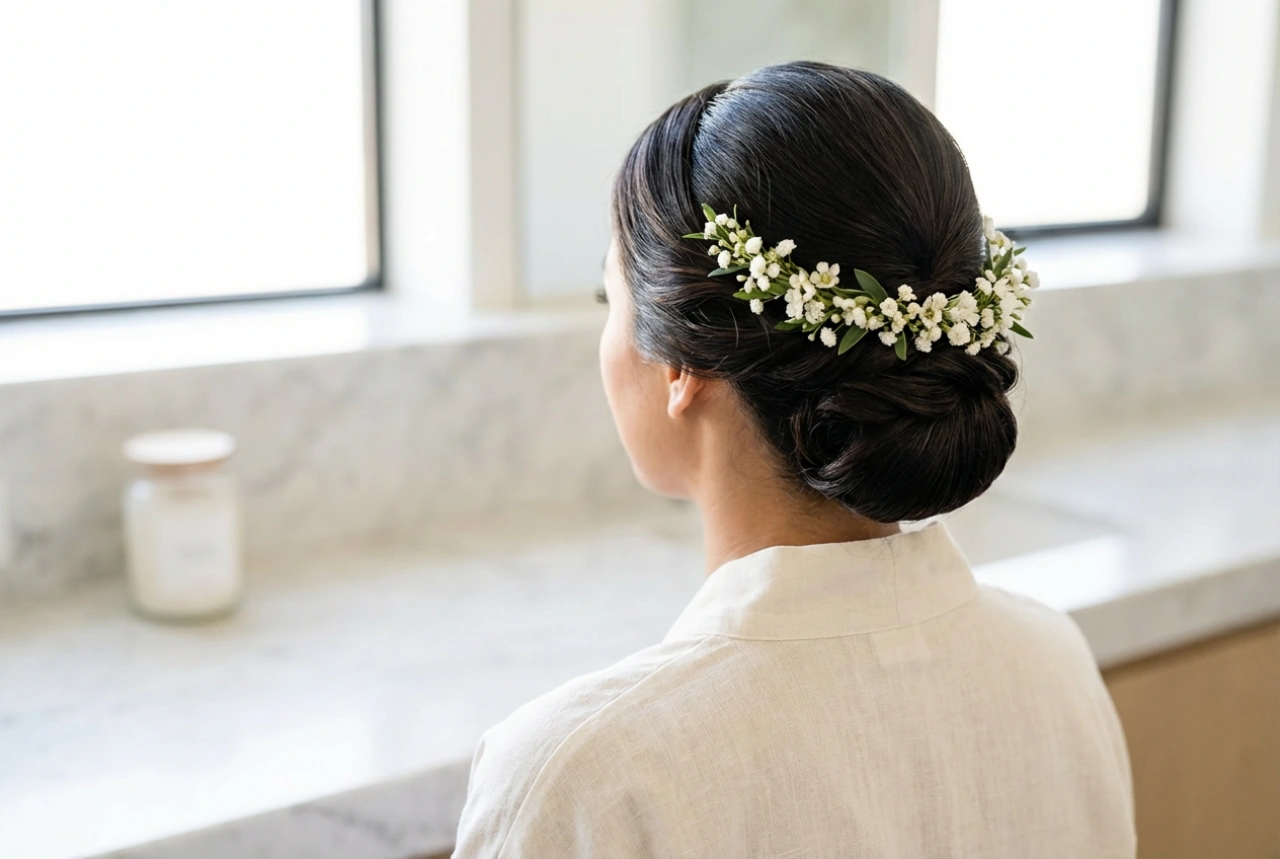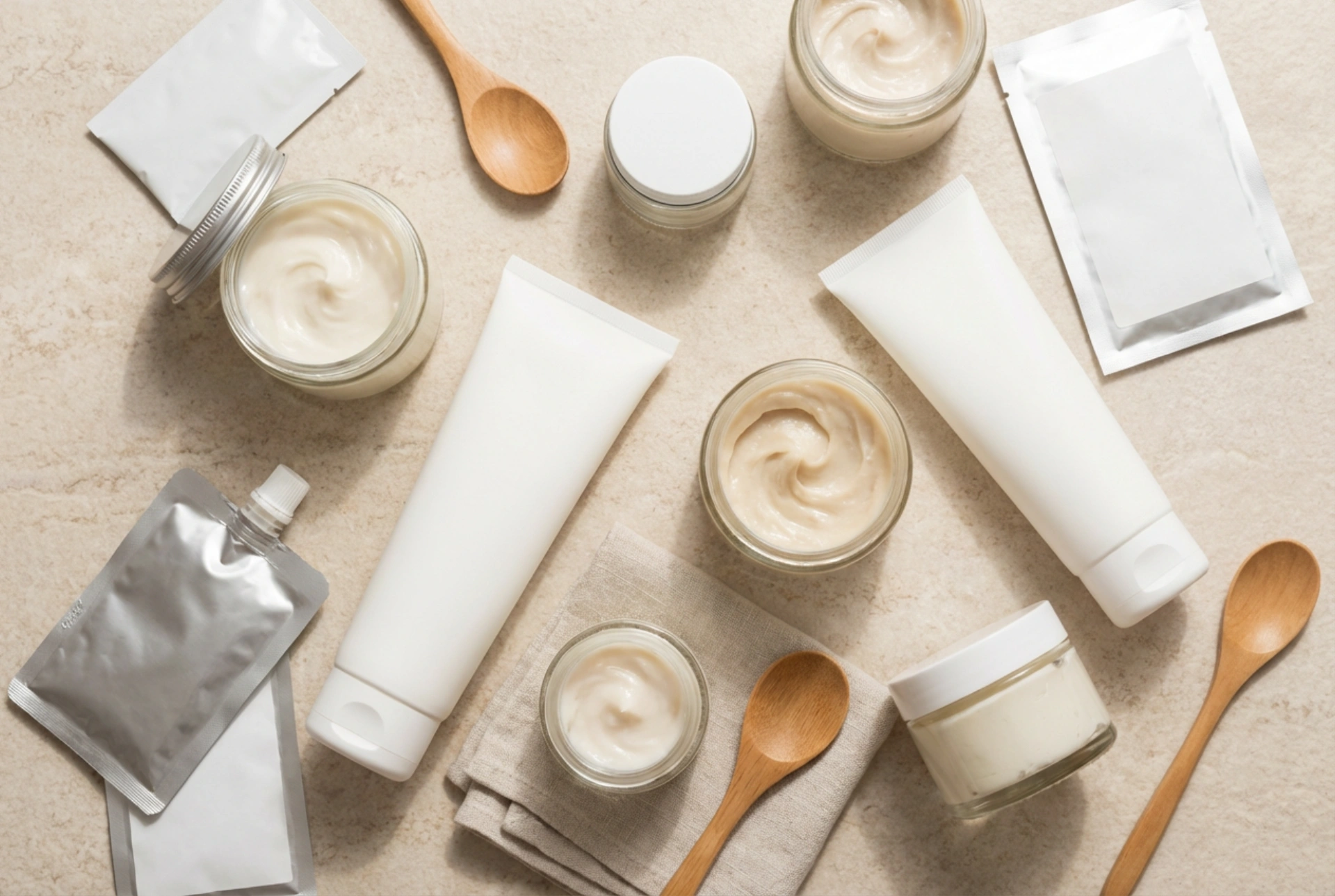


Healthy, shiny, and well-groomed hair is often the result of a consistent and well-planned care routine. While everyday conditioners provide quick surface smoothing, hair masks are the true powerhouses of hair care. They offer intensive nourishment, deep hydration, and structural support for various hair types. To get the absolute best out of these cosmetic formulations, it is essential to understand their different types, how to order them in your washing routine, and how long to leave them on for optimal results. Selecting the right product and applying it correctly can transform a simple wash day into a deeply restorative beauty ritual.
The main types of hair masks and their functions
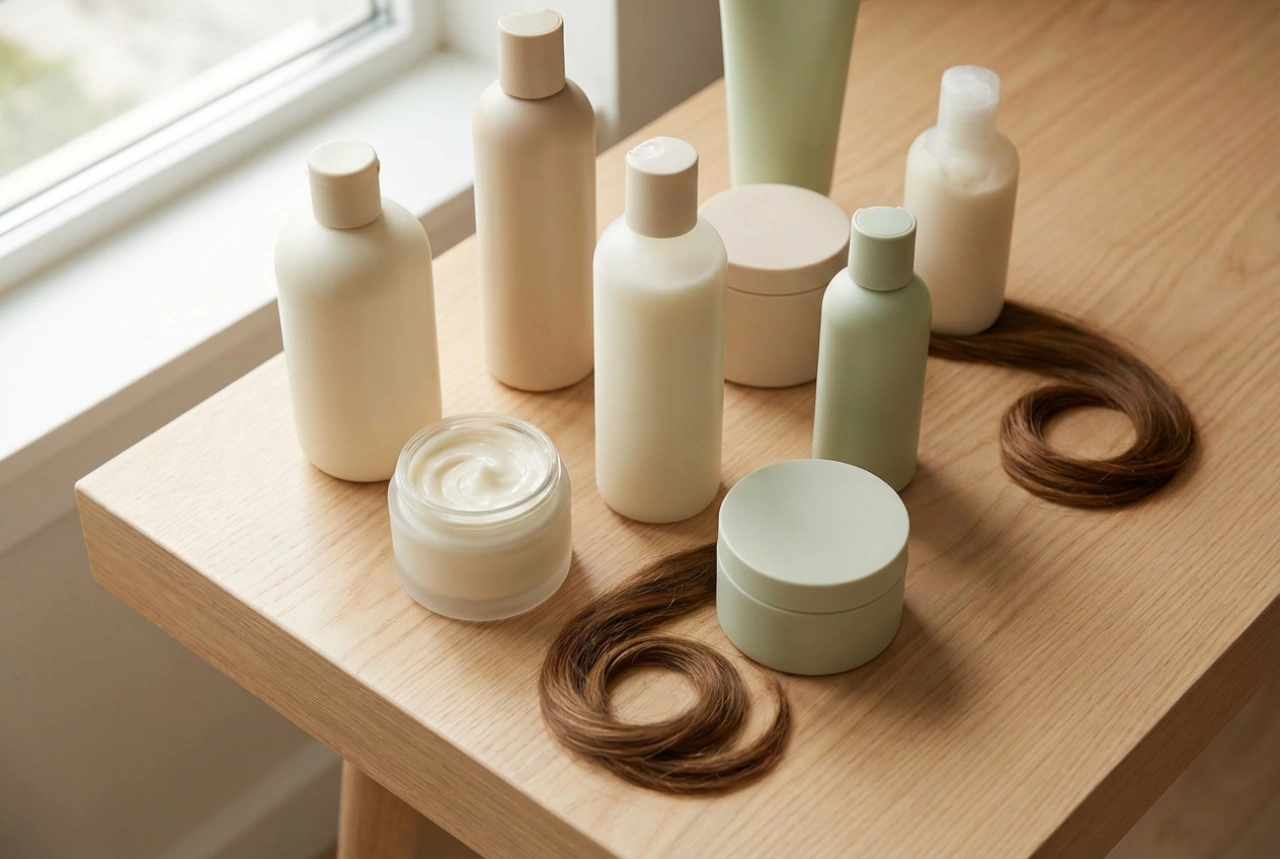
Hair masks are generally categorised based on their primary active ingredients and the specific hair needs they address. Understanding these categories helps in creating a balanced routine that prevents both dryness and product buildup. The three main pillars of hair care ingredients are proteins, emollients, and humectants.
- Rebuilding and protein masks: These contain micro-proteins, keratin, wheat proteins, or silk amino acids. They work to temporarily fill in microscopic gaps in the hair shaft, making the hair feel stronger, thicker, and more resilient. They are ideal for damaged, high-porosity, or chemically treated hair.
- Moisturising and humectant masks: Formulated with ingredients like aloe vera, glycerin, honey, and hyaluronic acid, these masks draw moisture into the hair fibre. They are perfect for dry, dull, and frizzy hair that lacks elasticity.
- Smoothing and emollient masks: Rich in natural plant oils and butters, such as argan oil, shea butter, or macadamia oil, these products seal the hair cuticle. They lock in moisture, provide a protective barrier against environmental factors, and leave the hair exceptionally soft and shiny.
Choosing the right mask for your hair porosity
Hair porosity determines how easily your hair absorbs and retains moisture. High-porosity hair, which has raised cuticles, benefits immensely from rich protein and heavy emollient masks that help seal the structure. Low-porosity hair, with its tightly closed cuticles, prefers lightweight humectant masks and easily absorbed oils to avoid weighing the hair down. Matching the mask type to your hair porosity is the key to achieving a balanced, healthy mane.
Where do hair masks fit in your washing routine?
The order in which you apply your hair care products significantly influences how well the active ingredients penetrate the hair shaft. For the most effective treatment, a systematic approach is highly recommended. The standard sequence should always begin with a thorough cleanse using a gentle shampoo, which removes dirt, sebum, and styling residue, opening the hair cuticles slightly to receive nutrients.
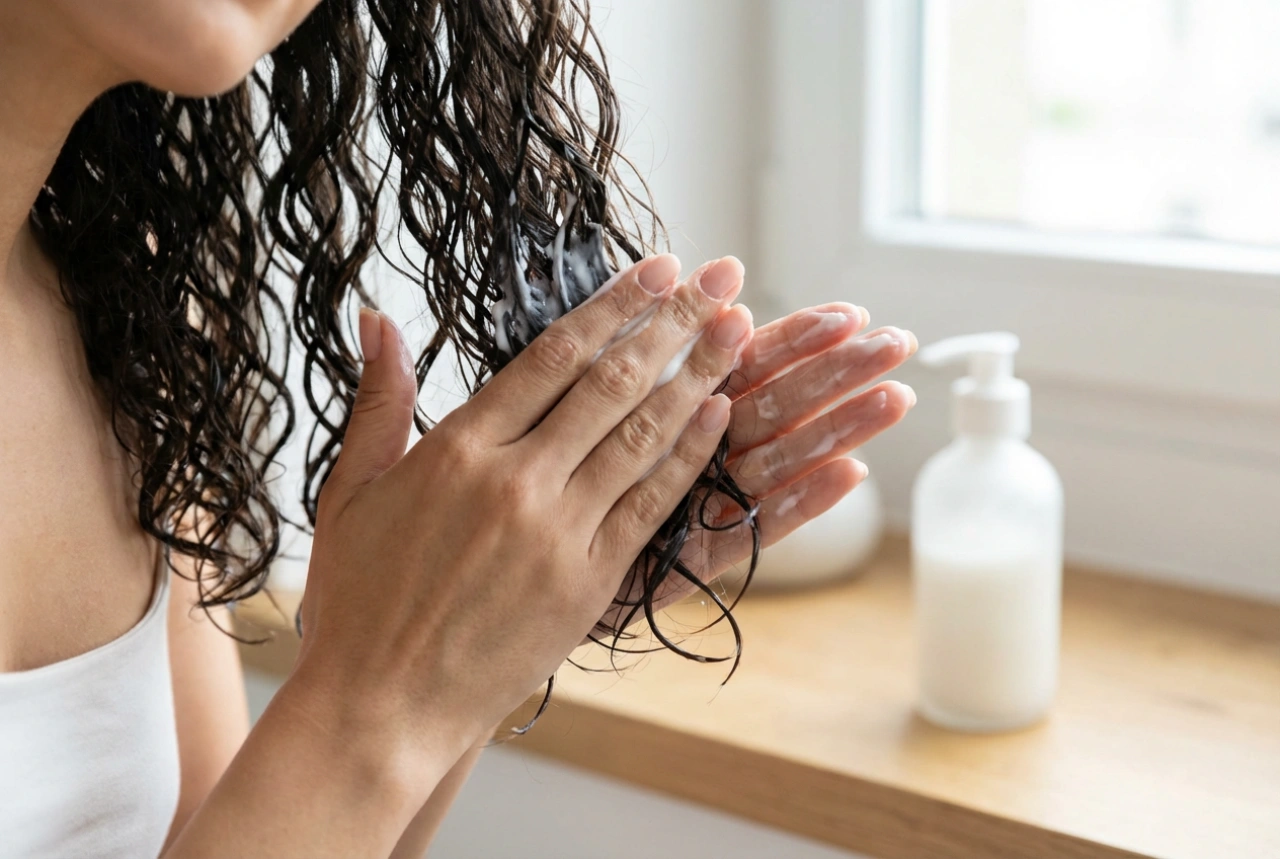
After rinsing out the shampoo, gently squeeze excess water from your hair with a soft microfiber towel or a cotton t-shirt. Applying a mask to soaking wet hair is a common mistake; excess water dilutes the product and causes it to slide off the hair strands, reducing its efficacy. Once the hair is damp, distribute the mask evenly from the mid-lengths to the ends, avoiding the scalp to prevent premature greasiness.
The double-conditioning method
For hair that requires extra care, the "conditioner-wash-conditioner" or "shampoo-mask-conditioner" method can be highly beneficial. In the latter, you apply the hair mask after shampooing to deliver deep nourishment, rinse it out, and then apply a lightweight emollient conditioner for just one minute. This final step helps to seal the cuticle completely, locking in all the beneficial ingredients from the mask.
How long should you leave a hair mask on?
Timing is crucial when it comes to hair masks. Leaving a product on for too short a time may not allow the active ingredients to penetrate, while leaving it on for too long can over-saturate the hair, leading to a limp, greasy, or overly soft texture. Always refer to the manufacturer's guidelines, as formulation technologies vary, but some general rules apply across most products.
- Express masks (3 to 5 minutes): These are usually lightweight formulations designed for quick revitalization. They are perfect for busy mornings when you want a boost of softness and shine without a lengthy process.
- Standard deep treatments (10 to 20 minutes): This is the optimal window for most intensive masks. Within this timeframe, proteins and humectants can effectively bond with the hair structure. For an enhanced effect, you can wrap your hair in a warm towel, as gentle warmth helps open the cuticles.
- Why overnight masking is rarely recommended: Keeping a wet mask on your hair for several hours or overnight can weaken the hair shaft through a process called hygral fatigue (the constant swelling and contracting of wet hair). It can also create an ideal environment for scalp issues, so sticking to the recommended twenty minutes is usually best.
Practical tips for the ultimate home hair ritual
To elevate your hair care routine, consider incorporating a few simple habits. Using a wide-tooth comb to distribute the mask ensures that every single strand is coated evenly. Always rinse the mask thoroughly with lukewarm water, ending with a cool rinse to help close the cuticles and boost natural shine. Consistency is key; using a targeted hair mask once or twice a week is generally sufficient to maintain healthy, beautiful hair without overloading it.