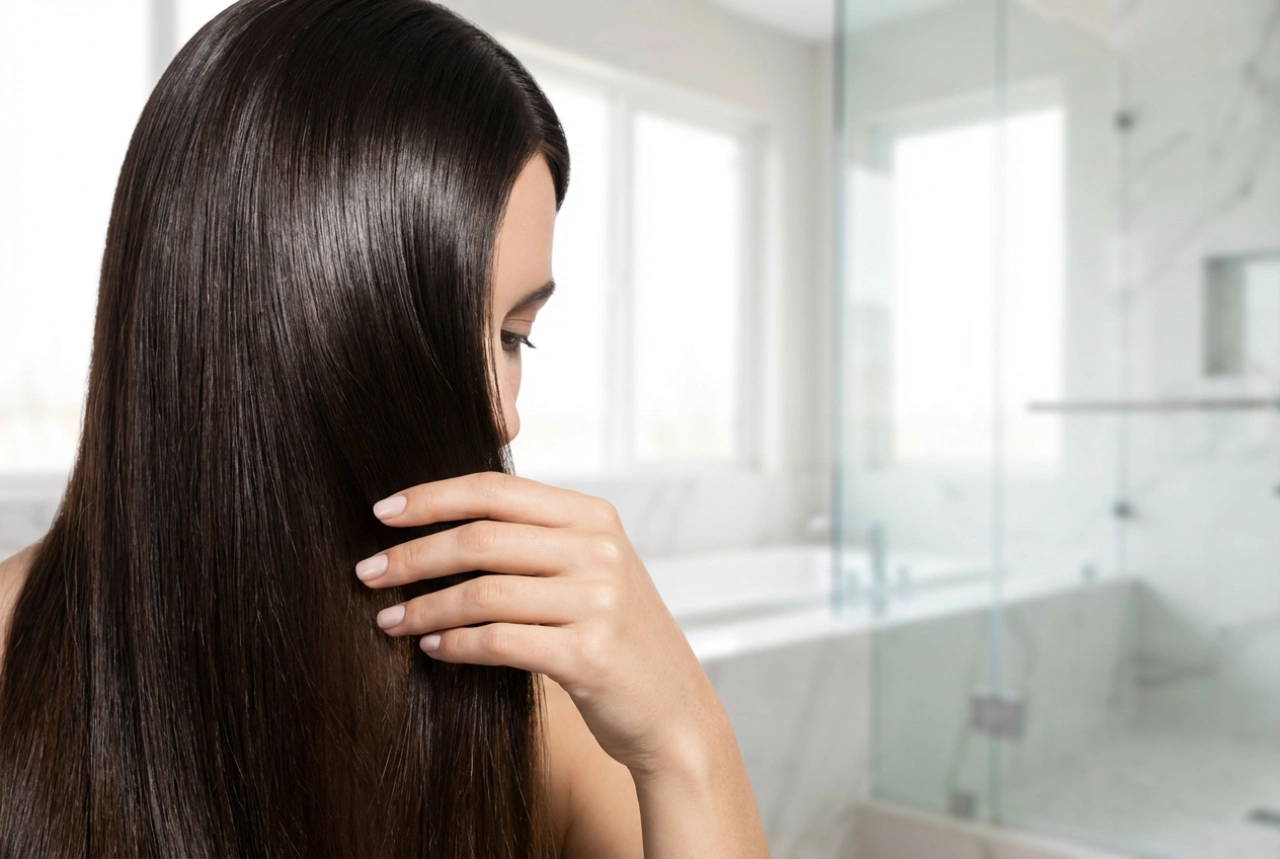


Frizzy hair can be a daily challenge, especially when humidity or dry air disrupts the hair structure. Achieving a smooth, sleek look often feels like a balancing act between taming flyaways and maintaining natural volume. When we look at a beautiful, lustrous cascade of smooth hair, the secret lies in choosing the right lightweight formulas that coat the hair strands without leaving a heavy residue. The key is to select and apply hair conditioners in a way that nourishes the hair while preserving its natural bounce and airy texture.
Understanding the cause of frizzy hair
Frizz occurs when the outer layer of the hair, known as the cuticle, raised up. This allows moisture from the atmosphere to penetrate the hair shaft, causing it to swell and lose its defined shape. Dehydrated hair is particularly prone to frizz because it constantly seeks moisture from the surrounding environment. To combat this effectively, it is essential to provide the hair with adequate hydration and lipid protection through regular conditioning, without overloading the delicate structure of the strands.
Key ingredients to look for in lightweight conditioners
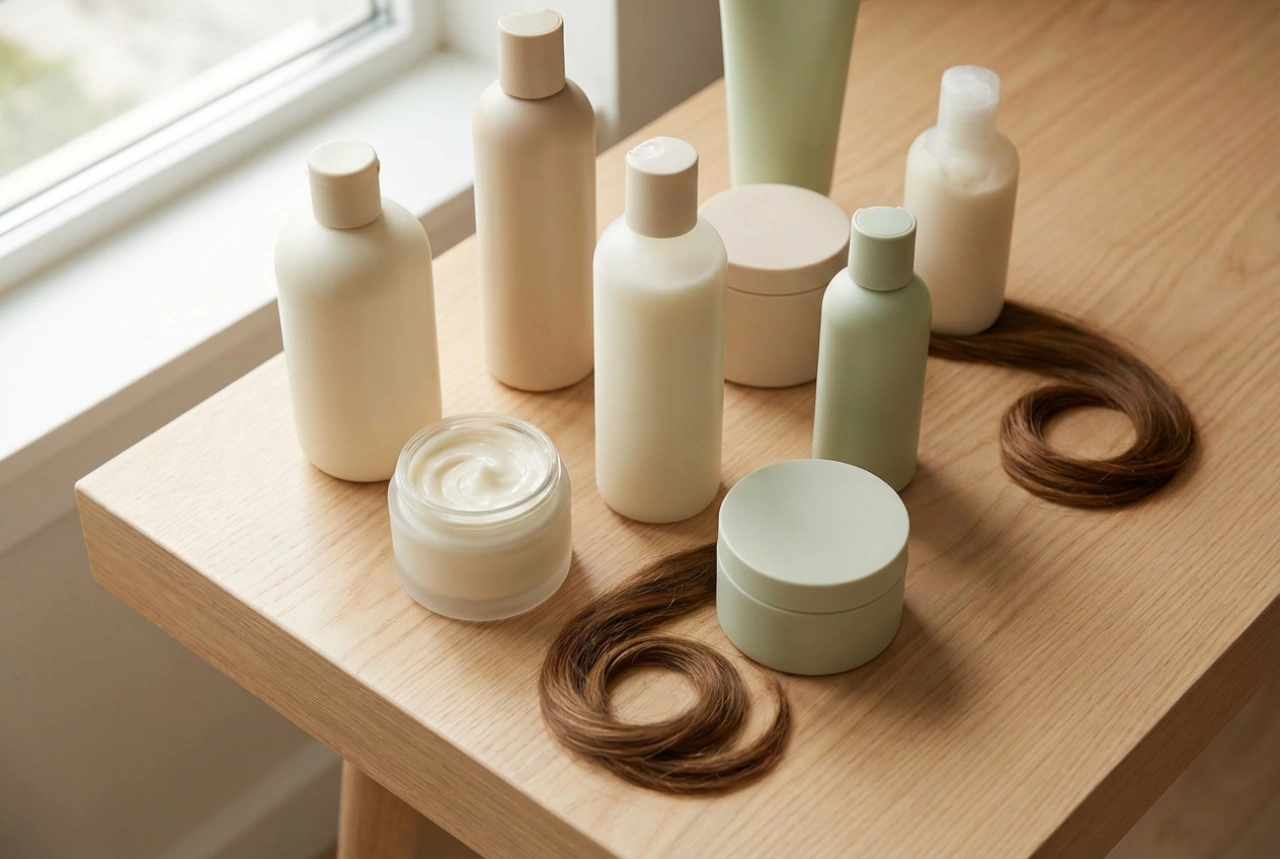
When selecting a conditioner designed to smooth the hair without adding weight, the ingredient list is your best guide. You should focus on components that offer deep hydration and surface smoothing without creating a heavy buildup. Here are some of the most effective ingredients for this purpose:
- Plant-derived emollients: Lightweight natural oils, such as jojoba oil, argan oil, or broccoli seed oil, mimic the hair's natural lipids to smooth the cuticle without a greasy finish.
- Humectants: Ingredients like aloe vera, glycerin, and panthenol draw moisture into the hair shaft, keeping it hydrated from within.
- Hydrolysed proteins: Wheat, silk, or keratin proteins help temporarily patch micro-damaged areas along the hair shaft, adding strength and alignment.
- Lightweight silicones: Water-soluble silicones can provide an ultra-thin protective shield against humidity while remaining easy to wash out during the next cleanse.
How to apply conditioner to avoid flat, heavy hair
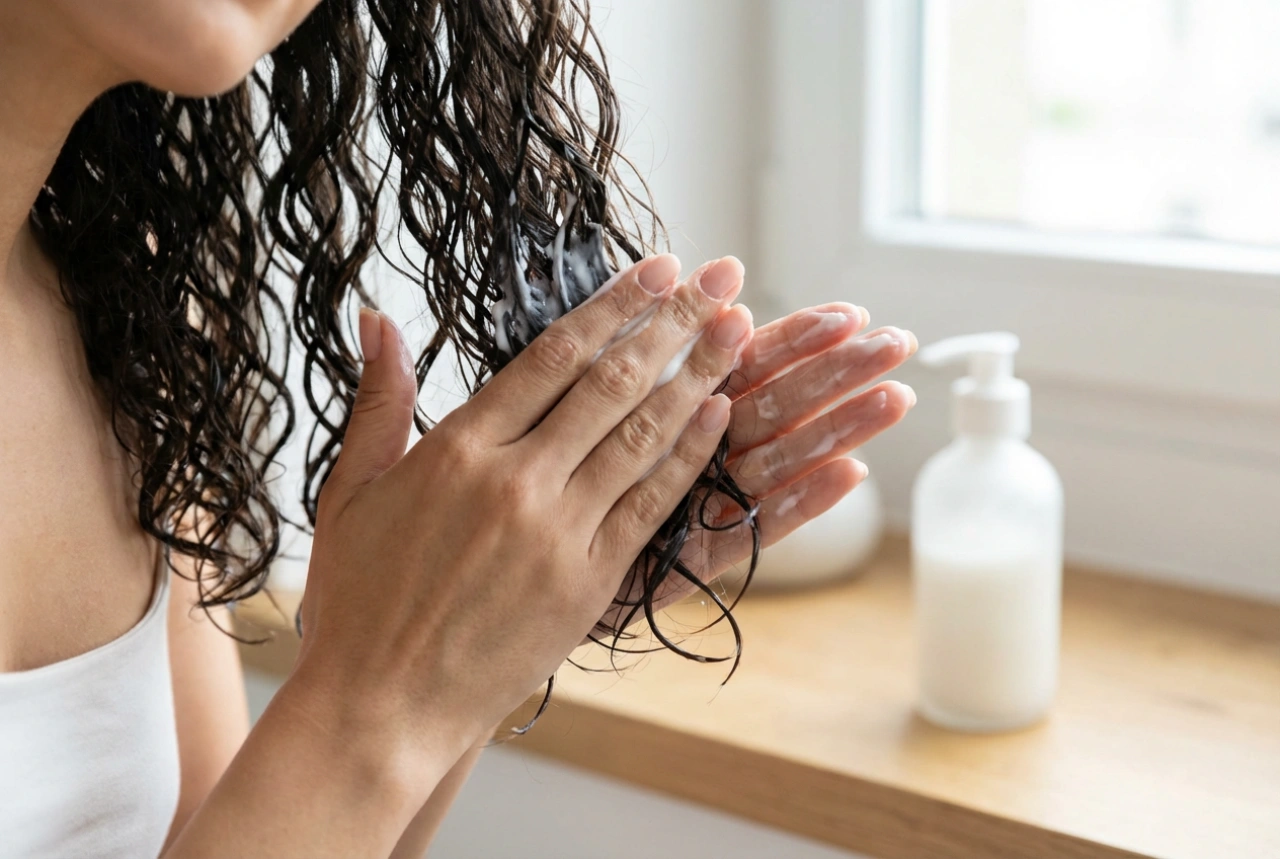
Even the best lightweight conditioner can weigh hair down if applied incorrectly. To maintain natural volume and lightness, follow a strategic application routine. Always start by gently squeezing excess water from your hair after shampooing; dripping wet hair will simply wash the beneficial ingredients away before they can work. Next, apply the conditioner starting from the mid-lengths down to the very ends, completely avoiding the scalp area where natural oils are already abundant. Use a wide-tooth comb to distribute the product evenly through the strands, then rinse thoroughly with lukewarm or cool water to seal the hair cuticles for extra shine.
The role of leave-in conditioners and serums
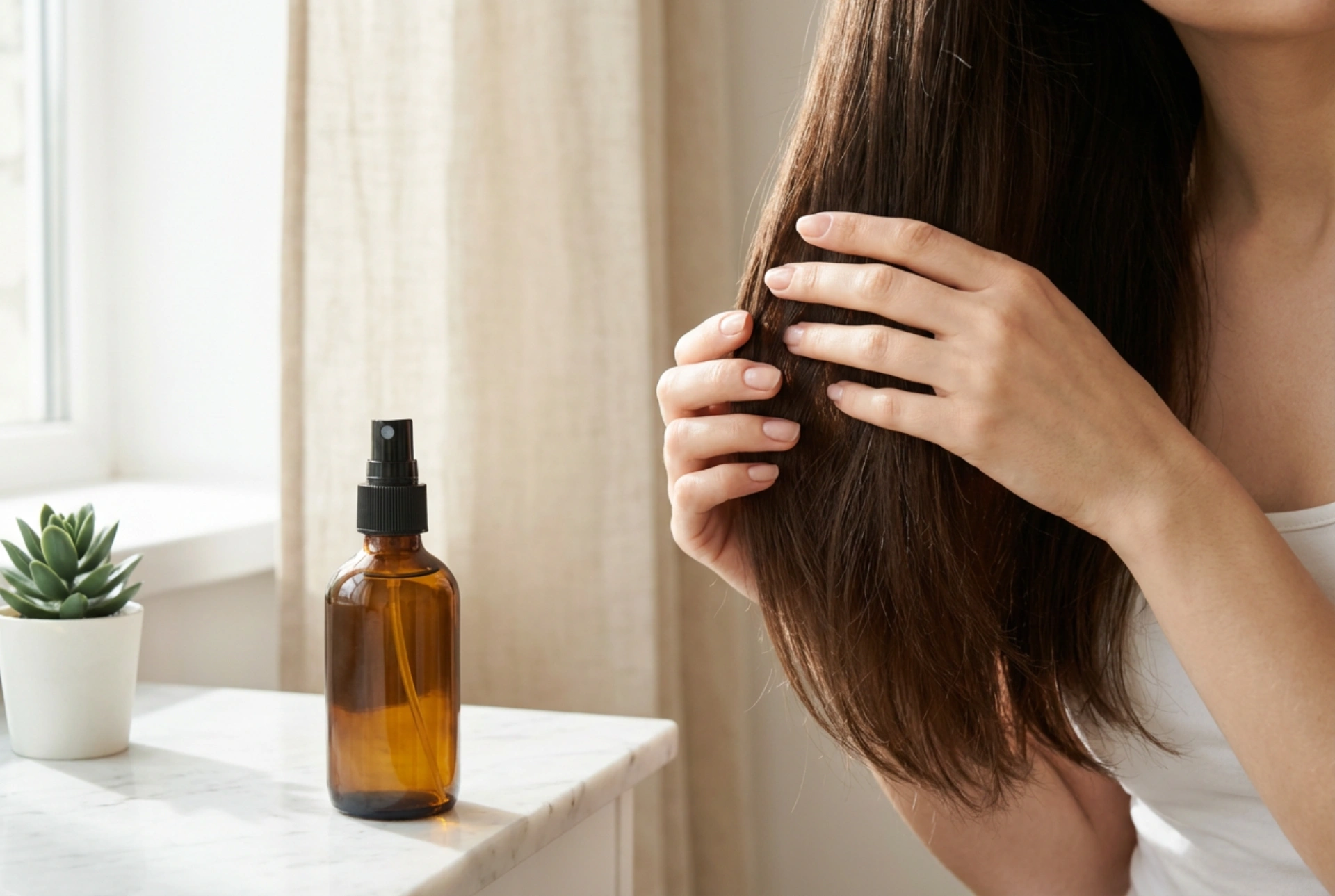
For hair that is highly prone to frizz, a standard rinse-out conditioner might not be enough. In such cases, incorporating a lightweight leave-in spray or a minimalist hair fluid can make a significant difference. These products are formulated to remain on the hair, providing continuous protection against humidity throughout the day. When using leave-in products, start with a minimal amount – a few drops or sprays – and focus only on the most porous sections, usually the ends and the outer layer of the hair.
Daily habits for smooth, weightless locks
Beyond cosmetic products, daily hair care habits play a vital role in keeping frizz at bay. Swapping a traditional terry cloth towel for a soft microfibre towel or a cotton t-shirt helps prevent mechanical friction that roughens the hair cuticle. Sleeping on a silk or satin pillowcase also reduces friction overnight, ensuring you wake up with smoother, more manageable hair. Finally, limit the use of high-heat styling tools, and always protect your hair with a mild, heat-protective barrier when drying or styling.