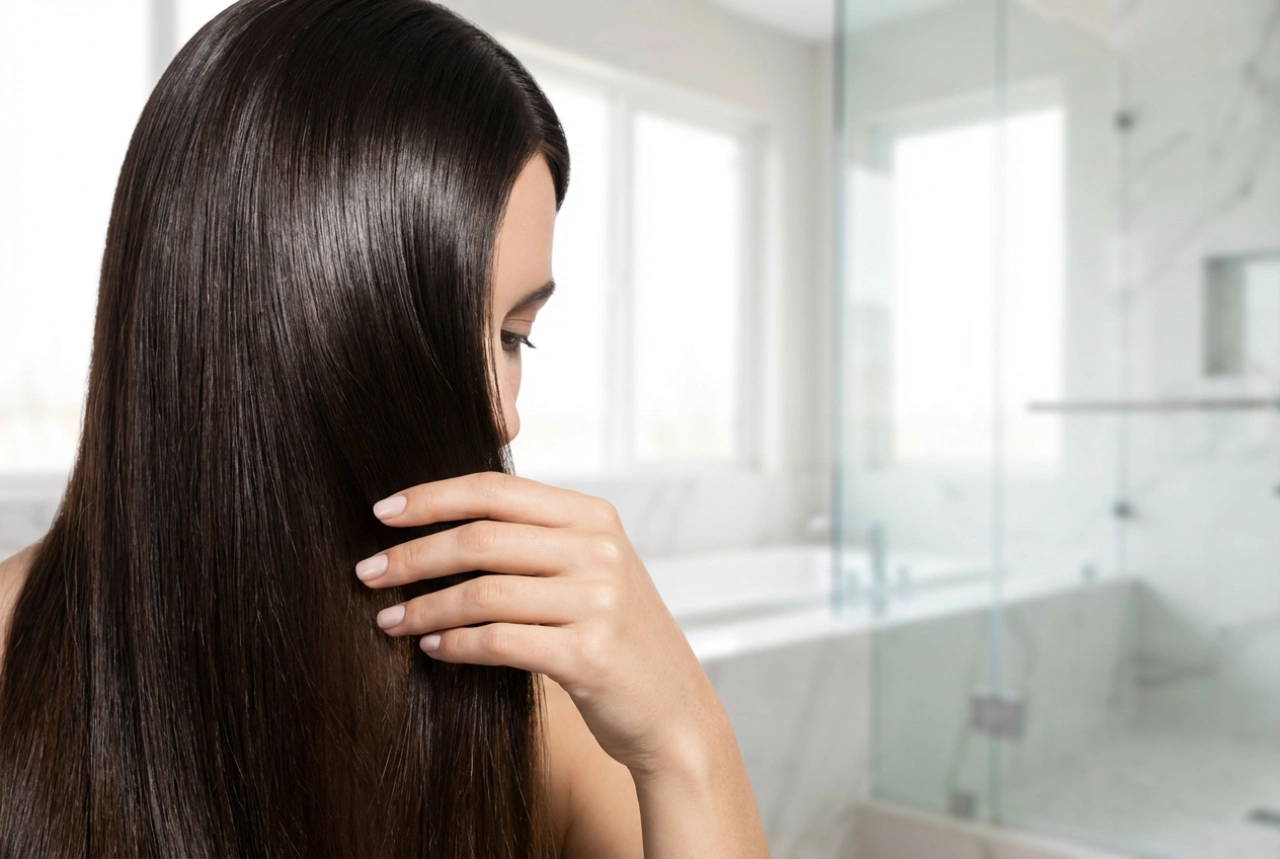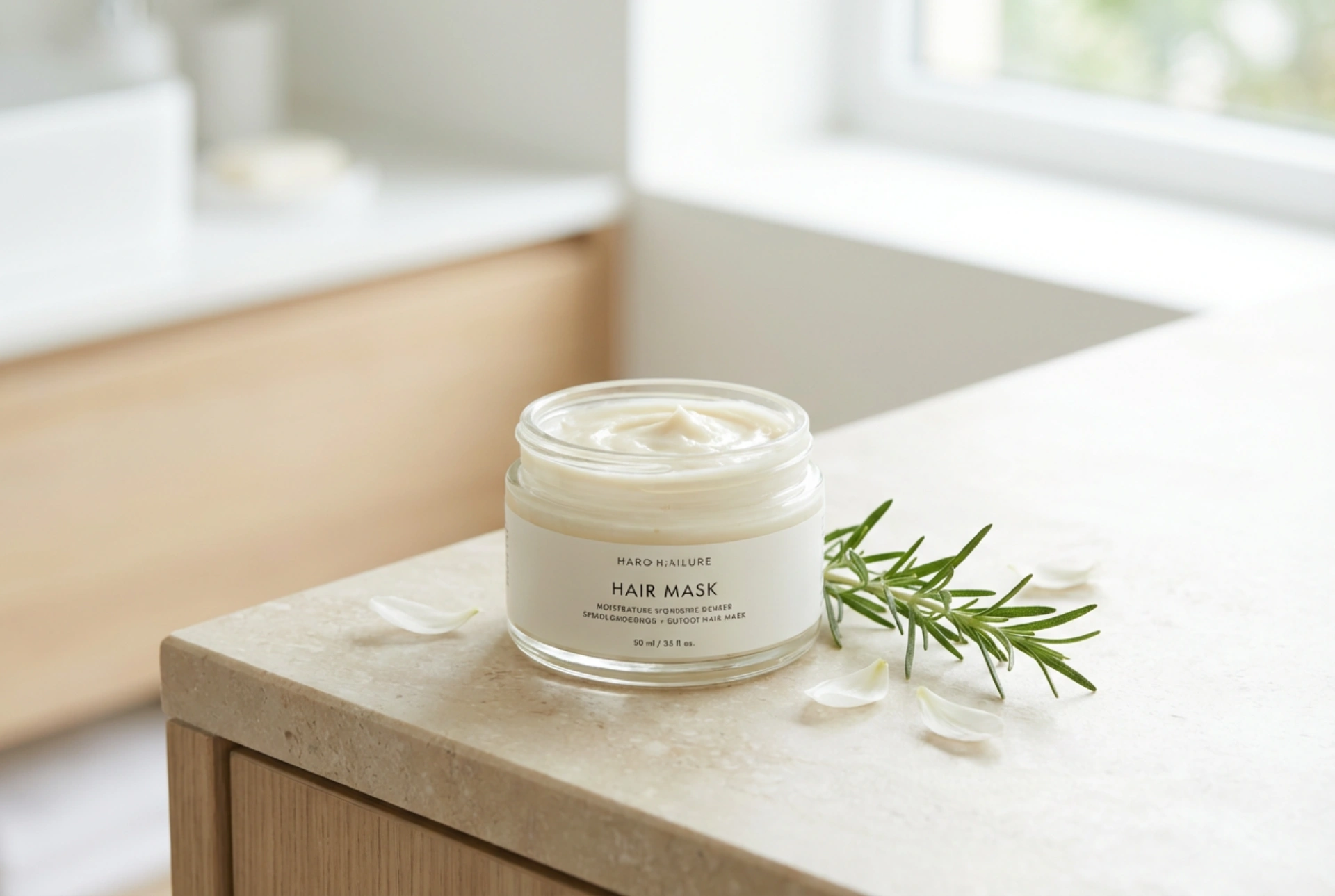


Achieving healthy, resilient, and beautifully shining hair requires a thoughtful approach to daily hair care. Among the essential elements of this routine, protein treatments play a fundamental role in maintaining the structure and strength of your strands. Understanding how to use a protein hair mask correctly, and how to balance it with other essential nutrients, is the key to unlocking the full potential of your hair care regimen, reflecting a sense of natural beauty and gentle nourishment.
The Core of Hair Care: Understanding the PEH Balance
To understand the function of a protein mask, it is crucial to understand the concept of PEH balance. This term stands for Proteins, Emollients, and Humectants. These three groups of ingredients must be delivered to the hair in the correct proportions to keep it healthy, flexible, and resistant to damage. Each group serves a unique and irreplaceable purpose:
- Proteins: These are the natural building blocks of the hair. They temporarily fill in micro-damage along the hair shaft, rebuild structural strength, and restore elasticity and volume.
- Emollients: These ingredients create a protective barrier on the hair surface. They lock in moisture, smooth the cuticle, and protect against environmental stressors.
- Humectants: These are powerful moisturisers that attract water into the hair shaft, keeping the hair hydrated and soft.
Without proteins, hair becomes weak, flat, and difficult to style. However, protein treatments cannot work effectively in isolation. They require a foundation of moisture from humectants and a protective seal from emollients to achieve a truly harmonious result.
How to Identify Hair That Needs Proteins
Not every hair type requires the same frequency of protein treatments. Hair that is lacking in proteins often shows distinct signs. It may feel unusually soft, limp, and lifeless, struggling to hold its natural curl or volume. It can also appear dull and suffer from increased breakage during brushing.
Conversely, it is equally important to recognise when hair has had too much protein. This condition, often referred to as protein overload, occurs when the balance is tipped too far. Hair with too much protein becomes stiff, rough to the touch, frizzy, and highly prone to snapping. If you notice these signs, it is time to pause protein treatments and focus on intense hydration and emollient-rich care to soften the hair fibers once again.
The Optimal Application Time for a Protein Mask
When applying a creamy, nourishing protein mask, timing is everything. It is a common misconception that leaving a mask on for hours, or even overnight, will yield better results. With proteins, this approach can lead to stiffness and dryness.
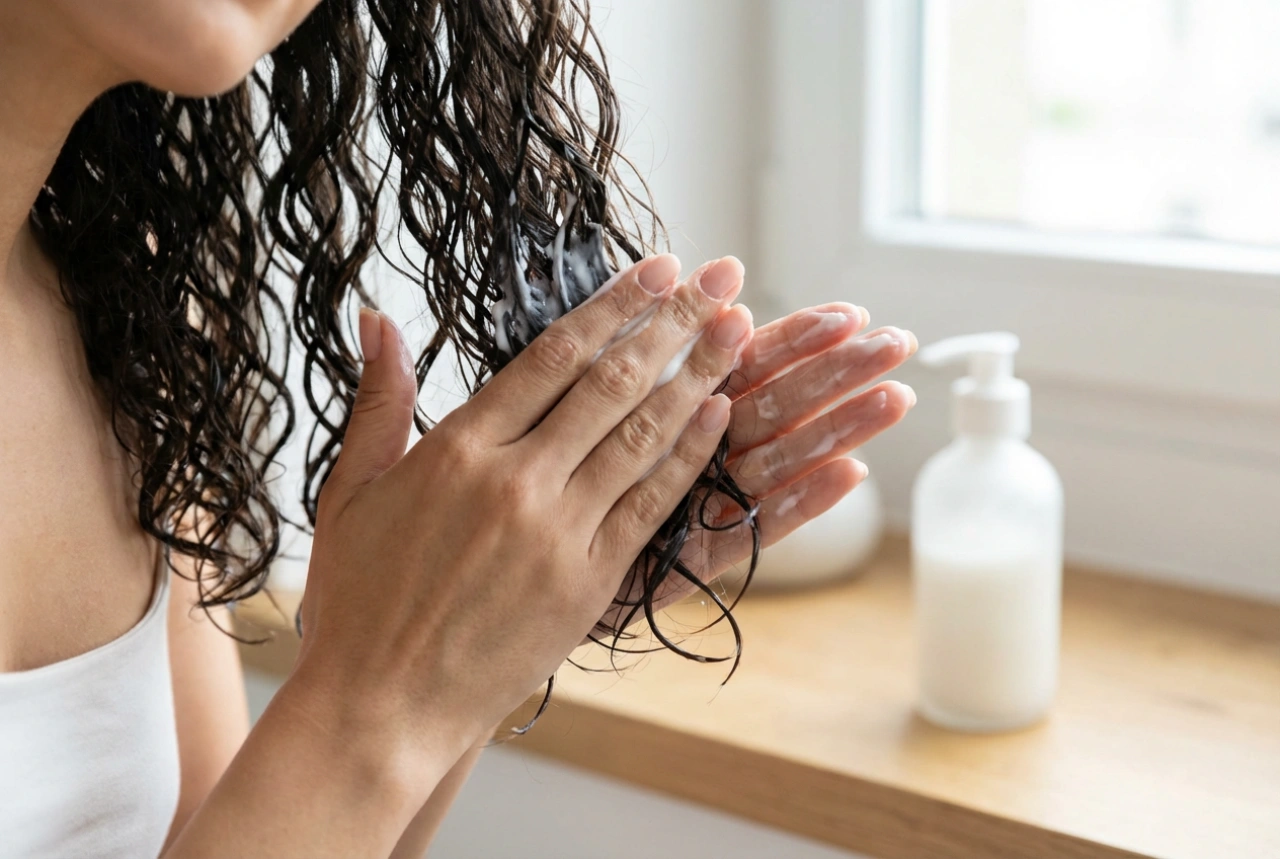
Generally, the optimal application time for a protein mask is between 10 to 20 minutes. This window provides ample time for the active proteins to bind to the damaged areas of the hair shaft without overloading the cuticle. Always apply the mask to clean, damp hair, spreading it evenly from the mid-lengths to the ends, avoiding the scalp. For an enhanced effect, you can gently comb the product through with a wide-tooth comb before rinsing thoroughly with lukewarm water.
Determining the Right Frequency
How often should you treat your hair to a protein mask? The answer depends largely on your hair porosity and current condition. Hair that is highly porous, chemically treated, or regularly styled with heat generally benefits from more frequent protein replenishment.
For medium to high porosity hair, incorporating a protein mask once a week or once every two weeks is usually ideal. For low porosity hair, which is naturally robust and easily overloaded, a protein treatment once a month is often sufficient to maintain strength without sacrificing softness. Monitoring how your hair responds after each application will help you fine-tune this schedule to your unique needs.
Creating a Harmonious Beauty Routine
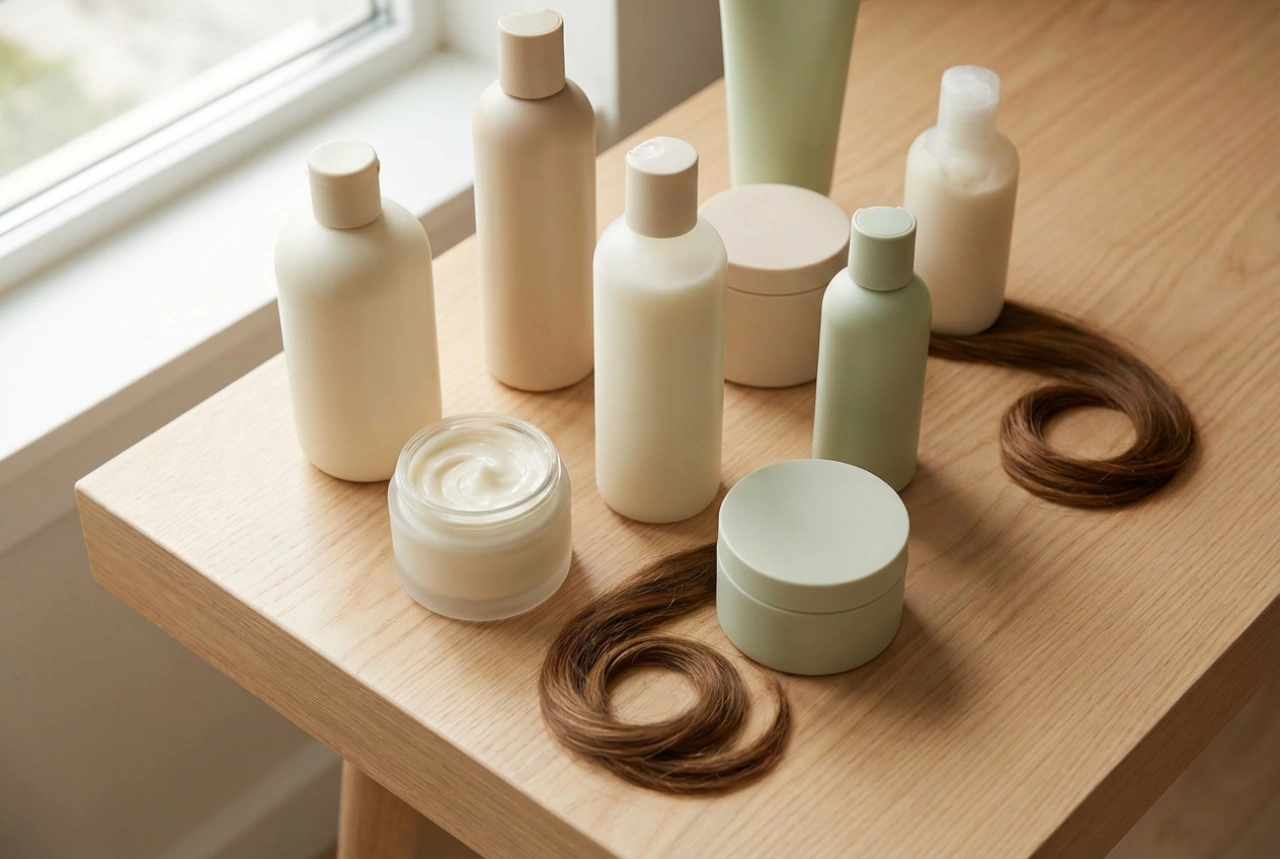
Integrating a protein mask into your weekly routine does not have to be complicated. A simple way to maintain balance is to rotate your treatments. You might use a hydrating humectant mask for one wash, a strengthening protein mask for the next, and follow both with an emollient conditioner to seal in the benefits. By paying close attention to the texture and elasticity of your hair, you can easily adjust your routine, ensuring your strands remain strong, smooth, and naturally radiant.