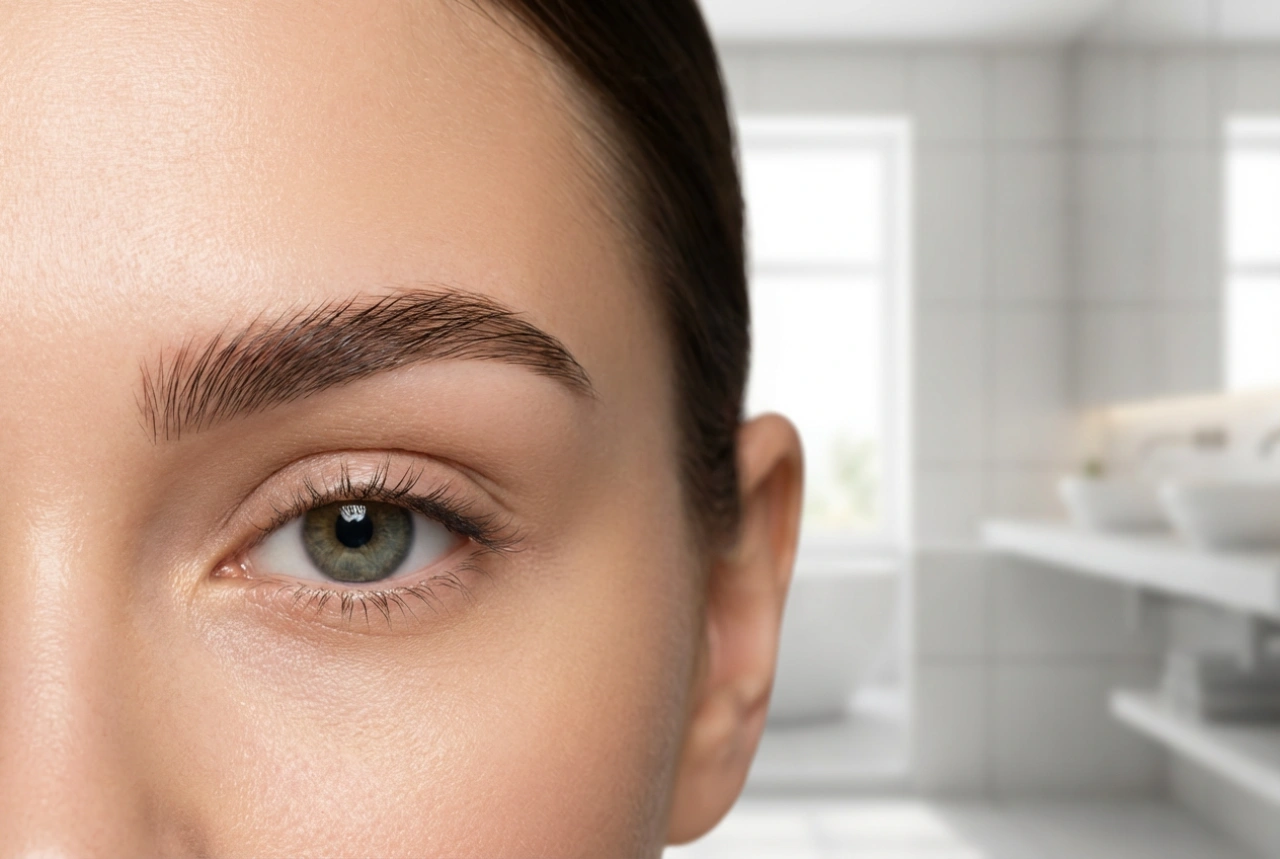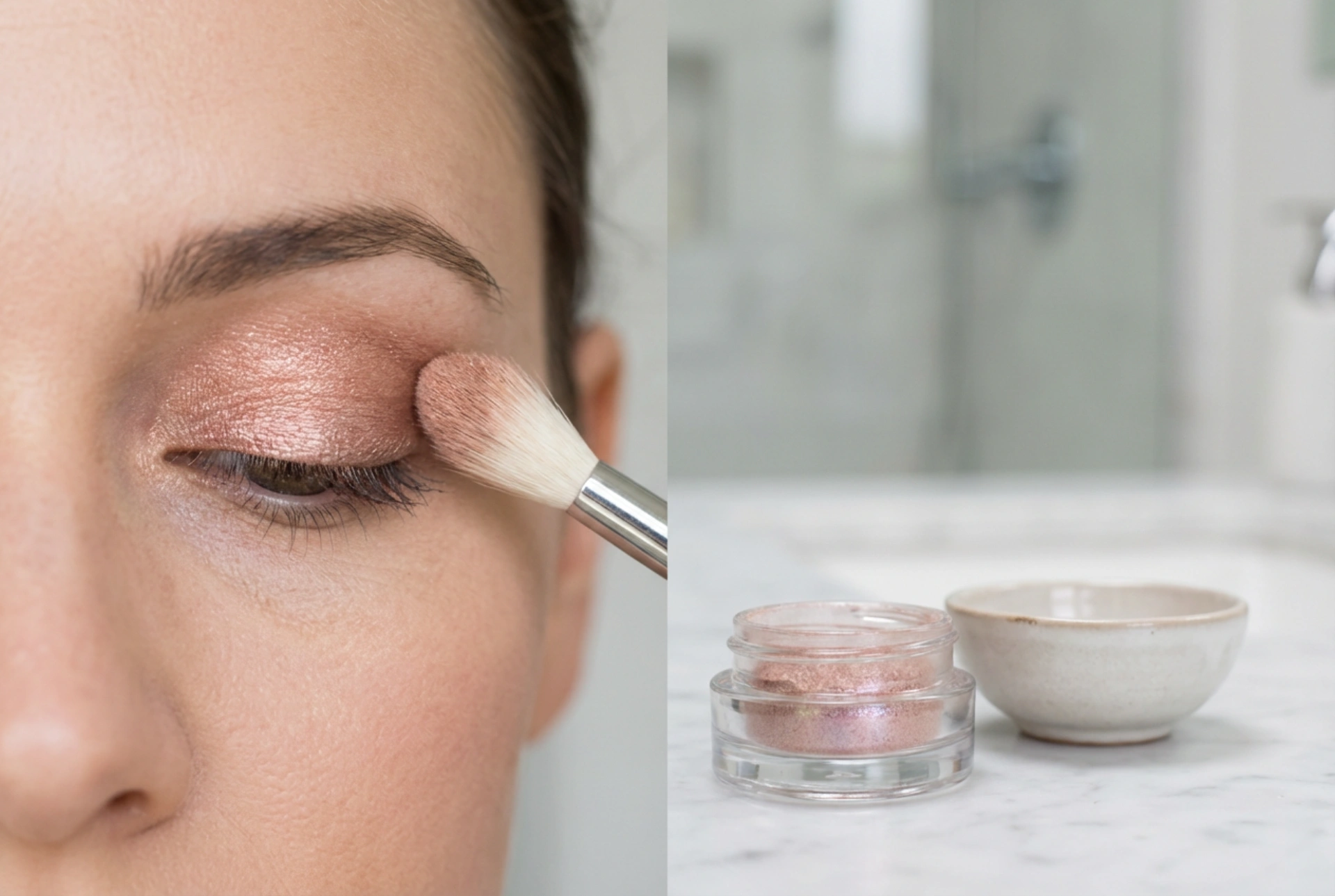


Achieving a flawless makeup look with loose eyeshadows can sometimes feel like a daunting task, yet the result is incomparably vibrant and luminous. When you see a soft brush gently sweeping a shimmery loose pigment onto the eyelid, it is easy to appreciate the elegance of these highly concentrated powders. Unlike pressed formulations, loose pigments offer an intense colour payoff and a natural, multi-dimensional shimmer that catches the light beautifully. However, the unique texture of loose powders requires specific application techniques to avoid the dreaded fallout on your under-eye area and to ensure seamless, long-lasting blending.
The Importance of Eyelid Preparation
To ensure that loose eyeshadow adheres perfectly to the skin without creasing or slipping throughout the day, preparing the eyelid is a crucial first step. Because loose powders lack the binding agents found in pressed eyeshadows, they require a slightly tacky surface to grip onto. Applying a dedicated eyeshadow primer or a thin layer of cream concealer creates an ideal base. This step not only intensifies the pigment's colour but also acts as a magnet for the fine powder particles, preventing them from scattering across your face during application.
After applying your chosen base, avoid setting the entire lid with powder if you want maximum vibrancy. Leaving the primer slightly damp allows the loose pigment to bond instantly, resulting in a rich, opaque finish. If you prefer a softer, more diffused wash of colour, you can lightly dust a translucent powder over the brow bone and crease area, leaving only the mobile eyelid tacky for the main shimmery shade.
Selecting the Right Tools for Loose Pigments
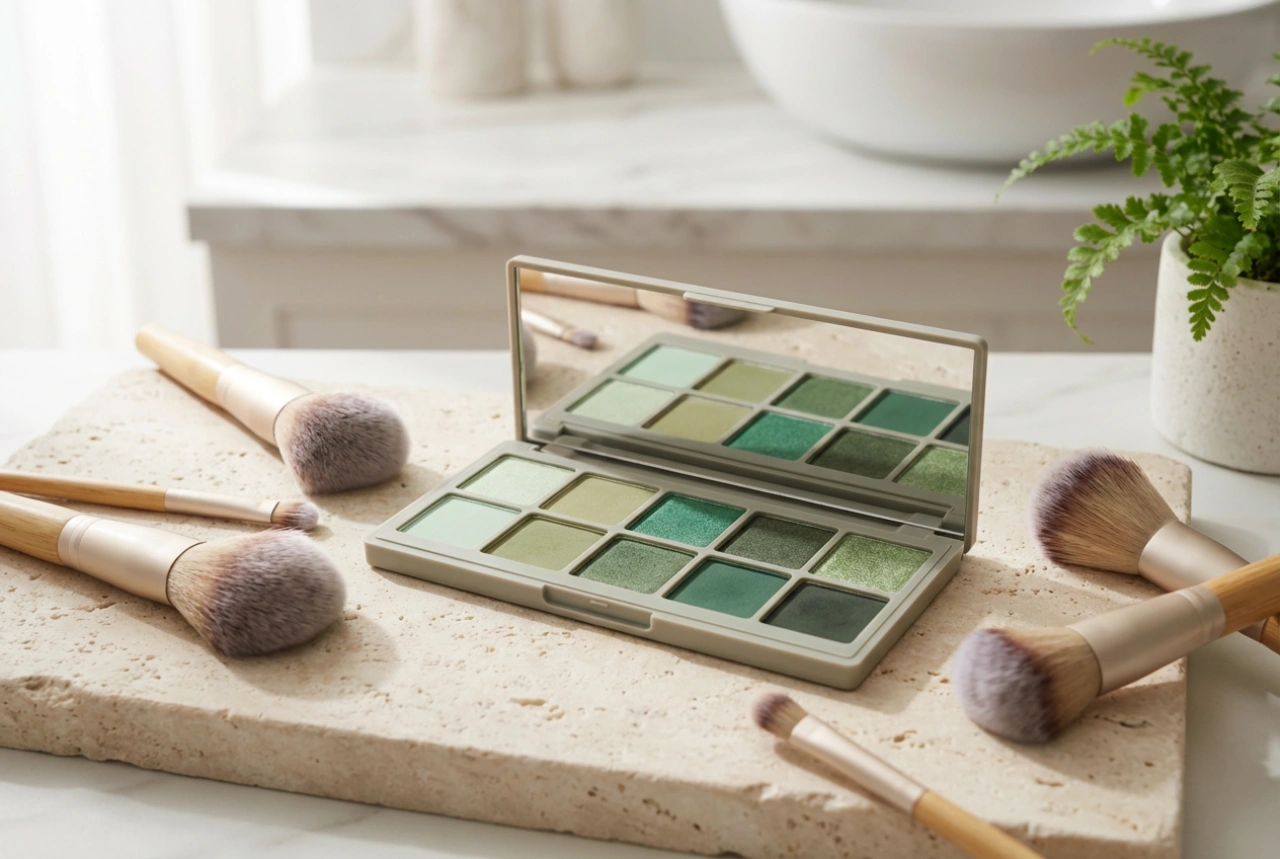
The tools you choose play a vital role in how loose eyeshadow behaves on your skin. When working with loose pigments, flat, synthetic brushes are generally superior to natural-bristled ones. Synthetic fibres hold onto the loose powder more effectively and allow for a controlled, patting motion rather than a sweeping gesture. A flat packing brush is perfect for depositing the shimmery powder onto the centre of the lid, while a small, dense detail brush works well for inner corner highlights.
The Patting Technique
One of the most common mistakes when applying loose eyeshadow is using a sweeping motion across the lid. This action immediately releases the powder into the air, leading to significant fallout. Instead, use a firm patting or pressing motion. Press the loaded brush onto the eyelid, lifting it gently and pressing again until the desired opacity is achieved. This presses the pigments directly into the base, securing them in place before any blending begins.
Pro Tips to Prevent Fallout
Even with the best preparation, loose powders can occasionally drop onto the cheeks. Fortunately, several simple, professional techniques can eliminate this issue entirely. First, always tap off any excess powder from your brush into the lid of the jar before bringing the brush to your face. This simple habit removes loose particles that are not fully bonded to the brush fibres.
Another highly effective method is the damp brush technique. By lightly misting your synthetic brush with a setting spray before dipping it into the pigment, you turn the loose powder into a smooth, metallic paste. This not only guarantees zero fallout but also intensifies the metallic or shimmery finish of the eyeshadow. Alternatively, you can apply a generous layer of translucent powder under your eyes before starting your eye makeup. Any falling particles will land on this "bake" layer, which can easily be swept away with a clean, fluffy brush once your eye look is complete.
Seamless and Long-Lasting Blending
Blending loose eyeshadows requires a delicate touch. Since the pigment adheres strongly to the tacky base, you should focus your blending efforts strictly on the edges of the application. Use a clean, fluffy blending brush with no product on it to gently soften the transition lines in the crease of the eye.
To make the blending process smoother, you can dip the tip of your blending brush into a neutral, matte pressed transition shade that matches your skin tone. Use light, circular, windshield-wiper motions along the outer edges of the loose pigment. This technique creates a beautiful gradient effect, transitioning the intense shimmer of the loose powder seamlessly into the natural skin tone of the brow bone.
Finishing Touches for a Polished Look
Once your blending is complete and any minor fallout has been swept away, you can lock the entire look in place. A final mist of a fine-mesh setting spray over the face helps to meld the powder particles together, removing any dry, powdery appearance and giving the makeup a natural, skin-like finish. This ensures that your stunning, shimmery eye makeup remains vibrant, crease-free, and elegant from morning until night.