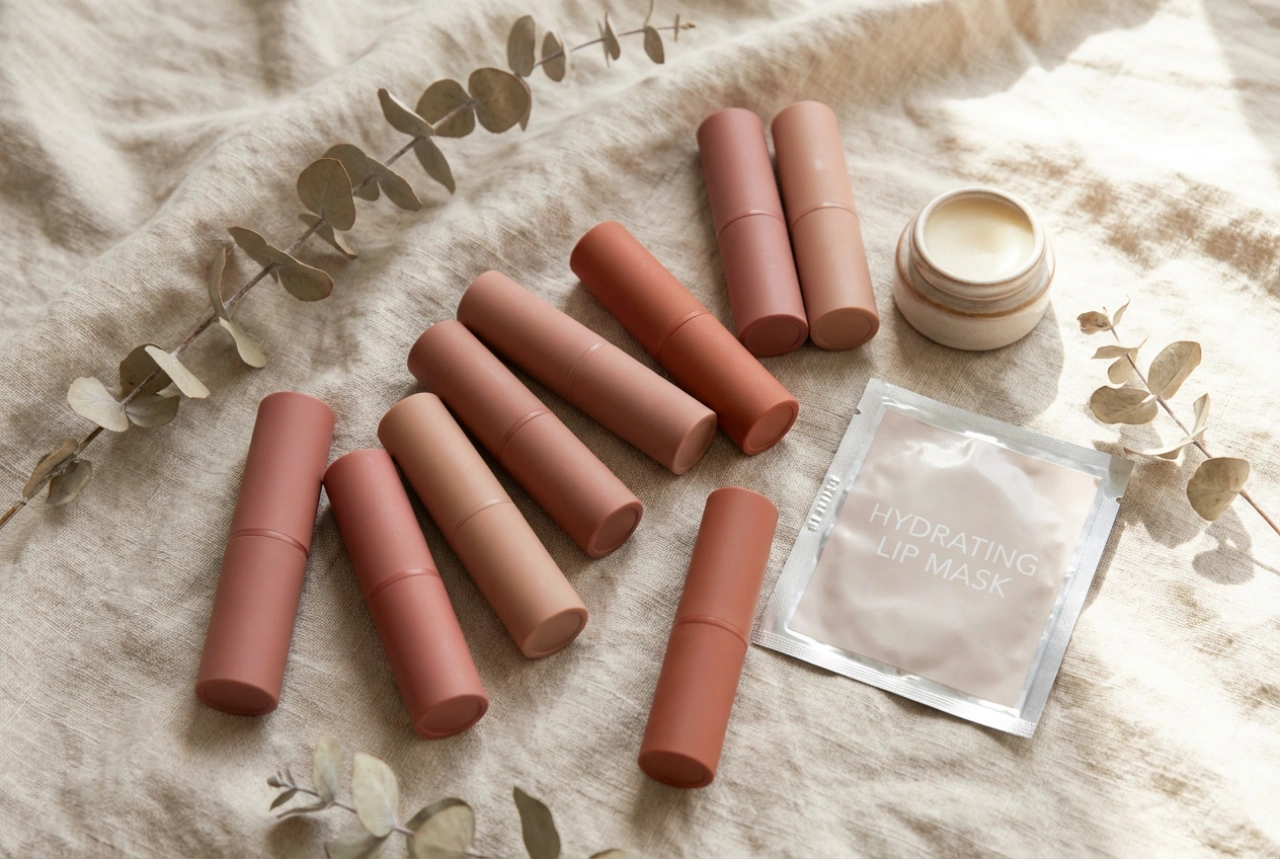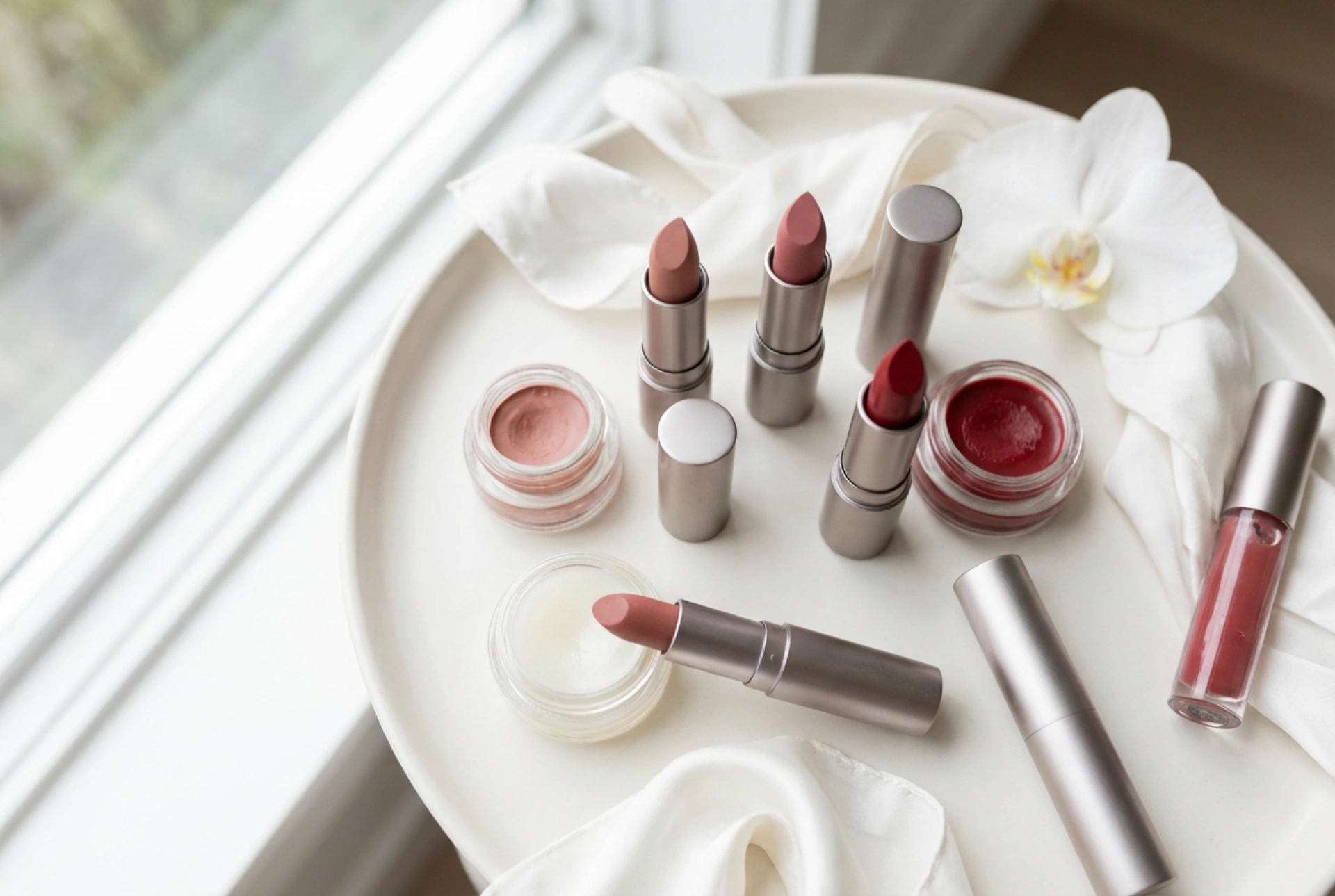


In the world of beauty, lip products offer an endless spectrum of possibilities, from bold, statement-making colours to subtle, nourishing sheens. The two most fundamental categories are lipstick and lip balm. While both are applied to the lips, their purpose, composition, and effect are distinctly different. Understanding these differences is the key to choosing the right product for any occasion and achieving a polished, comfortable result every time. This guide will demystify the two, explore their various forms, and provide practical tips for a perfect application.
Understanding the Core Differences: Lipstick vs. Lip Balm
At first glance, the distinction seems simple: lipstick is for colour, and lip balm is for care. While largely true, the nuances lie in their formulation and intended finish. Knowing this helps you manage expectations and select the ideal product for your lips' needs at any given moment.
Primary Purpose: Lipstick's main goal is to deliver pigment, altering the natural colour of the lips to create a specific aesthetic look. Its formulation is optimised for colour payoff, coverage, and longevity. A lip balm, on the other hand, is primarily a skincare product. Its objective is to hydrate, nourish, and protect the delicate skin of the lips from environmental factors like wind and dry air. Colour, if present, is usually a secondary feature.
Core Ingredients: The ingredient lists reflect these different purposes. Lipsticks are typically made from a blend of waxes, oils, and pigments. Waxes (like beeswax, carnauba, or candelilla wax) provide structure and allow the product to be shaped into a bullet. Oils contribute to a smooth application, while pigments provide the colour. Lip balms focus on moisturising and occlusive agents. Common ingredients include nourishing oils (like coconut, jojoba, or almond oil), butters (shea or cocoa butter), and occlusives (like petrolatum or lanolin) that create a protective barrier to lock in moisture.
A Closer Look at Lipstick Formulas
The term 'lipstick' covers a wide array of finishes and textures, each offering a different look and feel. Choosing the right one depends on the desired effect, wear time, and your personal comfort preferences.
Matte Lipstick
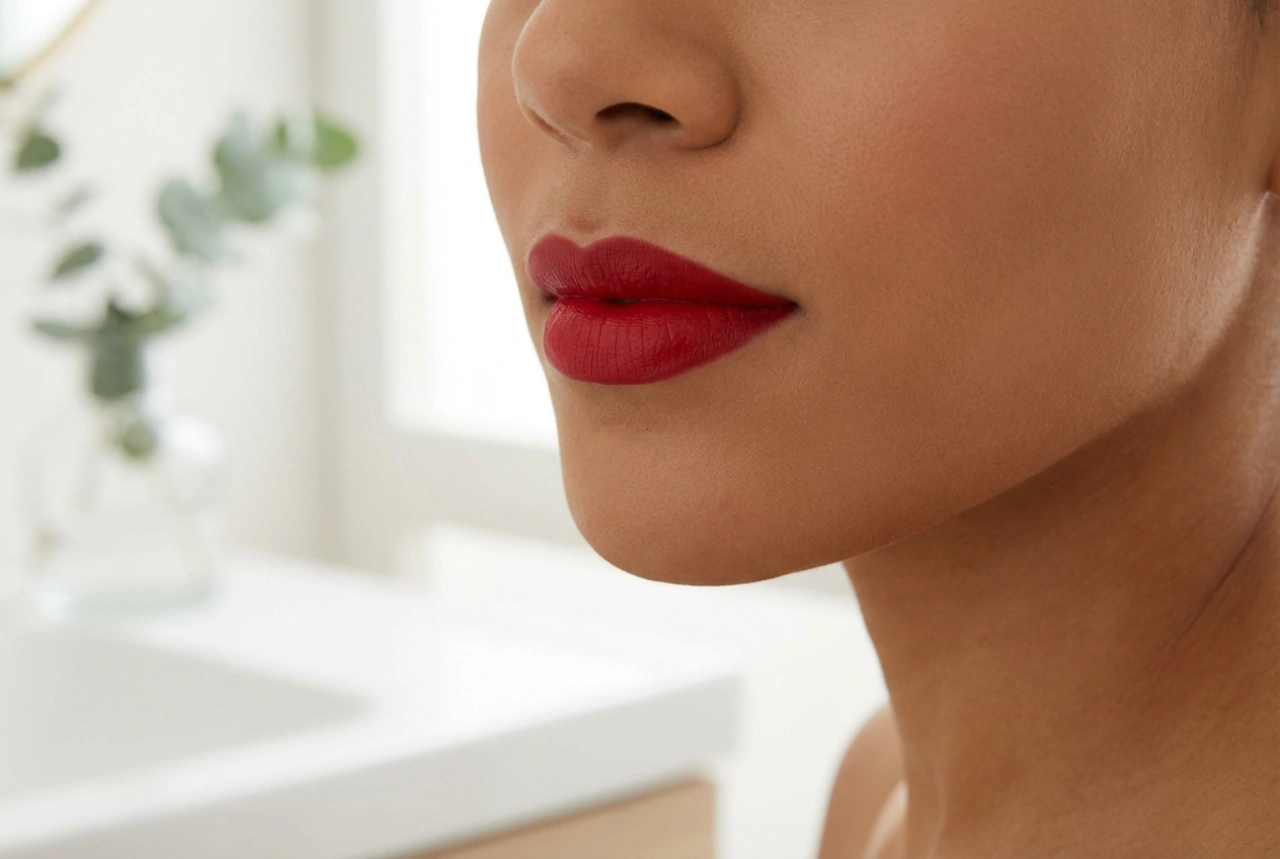
Characterised by its complete lack of shine, matte lipstick delivers intense, opaque colour. It contains a higher concentration of pigment and less oil than other formulas, which contributes to its exceptional longevity. Because of its dry texture, it's crucial to apply it to smooth, well-hydrated lips to avoid a cracked or flaky appearance. It provides a bold, modern, and sophisticated finish that is less likely to transfer.
Satin and Cream Lipstick
This is the classic lipstick finish, striking a perfect balance between a matte and a glossy look. Satin or cream formulas offer rich colour payoff but with a subtle, healthy-looking sheen. They contain more moisturising oils than mattes, making them more comfortable for all-day wear. They glide on easily and are more forgiving on lips that aren't perfectly smooth. The trade-off is slightly less wear time compared to a true matte.
Sheer and Glossy Lipstick
For those who prefer a more natural or dewy look, sheer and glossy lipsticks are an excellent choice. They provide a wash of colour that allows the natural lip tone to show through. Their formulas are rich in emollients and oils, giving them a hydrating, balm-like feel and a shiny finish. While comfortable and easy to apply on the go, they have the shortest wear time and may require frequent touch-ups.
How to Achieve a Flawless Lip Application
The right technique can elevate any lip product, ensuring it looks clean, stays put, and feels comfortable. A few extra steps can make all the difference between a messy application and a professional-looking result.
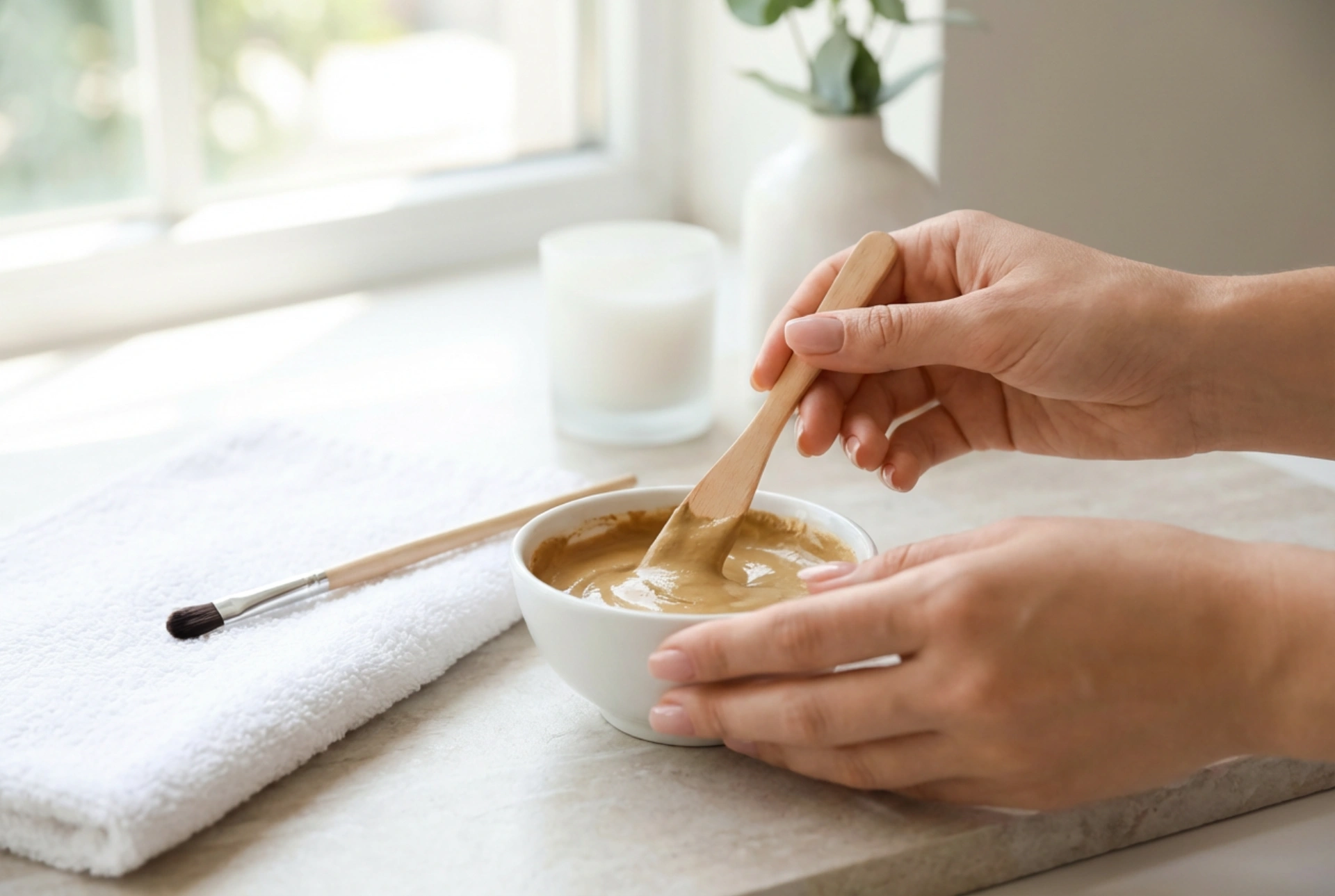
Step 1: Prepare the Canvas. The best lip looks start with smooth, hydrated lips. Gently exfoliate with a soft-bristled toothbrush or a dedicated lip scrub to remove any dry flakes. Follow up with a light layer of a non-greasy lip balm and let it absorb for a few minutes before applying colour. Blot away any excess balm to ensure the lipstick adheres properly.
Step 2: Define with a Lip Liner. While optional for sheer formulas, a lip liner is indispensable for bold or dark colours. Choose a shade that matches your lipstick or your natural lip colour. Carefully outline your lips, starting from the Cupid's bow and moving outwards. A liner not only creates a sharp, defined shape but also acts as a barrier to prevent the lipstick from 'feathering' or bleeding into fine lines around the mouth.
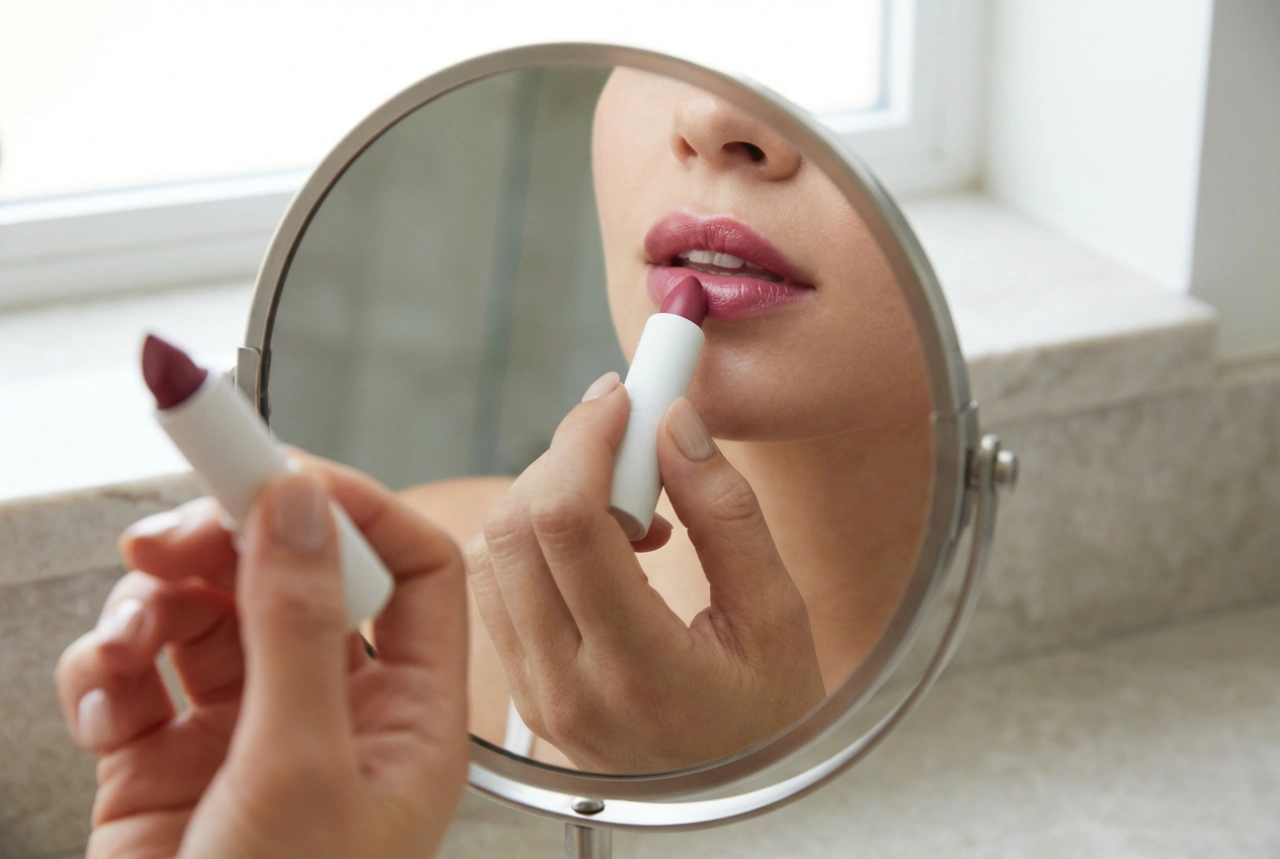
Step 3: Apply the Colour. You can apply lipstick directly from the bullet for a quick, impactful look. Start in the centre of your upper lip and sweep the colour out towards the corners. Repeat on the bottom lip. For more precision, especially with matte or dark shades, use a lip brush. This allows you to build the colour gradually and achieve perfectly crisp edges.
Step 4: Blot and Perfect. For increased longevity, gently blot your lips with a tissue after the first coat. This removes excess oils and leaves behind the pigment. You can then apply a second, light layer of lipstick. To clean up any mistakes, use a small, flat brush with a tiny amount of concealer to sharpen the edges around your mouth.
Common Mistakes to Avoid
Even with the best products, a few common slip-ups can compromise your look. Being mindful of these can help you achieve a flawless finish every time.
- Applying lipstick to dry lips: This is especially problematic with matte formulas, as it will accentuate every flake and fine line. Always start with a prepped, hydrated base.
- Skipping lip liner with bold colours: Dark and vibrant lipsticks are more prone to smudging and bleeding. A lip liner provides essential structure and control, keeping the colour exactly where you want it.
- Using the wrong formula for the occasion: A glossy lipstick might not be the best choice for a long event where you'll be eating and drinking. Similarly, a very dry matte might feel uncomfortable for a casual day. Match your formula to your needs.
- Over-applying the product: Too much lipstick can feel heavy, look cakey, and is more likely to slide around and transfer. It's better to apply thin layers and build up the intensity as needed.