

Finding the perfect eyeshadow palette can feel like discovering a treasure chest of creative possibilities. When you open a chic palette showcasing a harmonious array of neutral and warm-toned shades, beautifully arranged on a clean, light surface, the velvety textures invite you to experiment. A simple, elegant blending brush resting nearby is a reminder that creating a sophisticated, cohesive beauty look does not require professional makeup artist skills, but rather a basic understanding of how colours work together. Selecting the right collection of shadows and learning how to blend them seamlessly is the key to elevating your everyday beauty routine.
Understanding the Anatomy of an Eyeshadow Palette
To make the most of any eyeshadow palette, it is essential to understand the different roles each shade plays. Most balanced palettes are designed with a mix of finishes and depths to help you construct a complete look without needing to reach for external products. Typically, a well-curated palette contains three main types of shades: transition colours, deep defining shades, and highlighting textures.
Transition Shades
Transition shades are the unsung heroes of any eye makeup. These are matte colours that are only slightly darker than your natural skin tone. Usually neutral beige, soft taupe, or warm peach, transition shades are applied in the crease of the eyelid. They act as a bridge between your bare skin and the darker pigments, ensuring that there are no harsh lines and that the final look appears beautifully diffused.
Defining and Accent Shades
Deep, rich tones like warm brown, charcoal, or deep plum provide structure and dimension. These shades are typically applied to the outer corner of the eye or along the lash line to create depth and contrast. Accent shades, on the other hand, can be bright shimmers or metallic textures that catch the light, usually placed in the centre of the lid or on the inner corner to make the eyes appear larger and more awake.
How to Choose the Right Palette for Your Needs
With countless options available, choosing a single palette requires a thoughtful approach based on your lifestyle, skin undertones, and personal style. Rather than chasing fleeting trends, focus on finding a harmonious colour story that complements your natural features.
- Assess Your Undertone: If your skin has cool undertones (pink or blue hues), seek out palettes featuring cool taupes, soft greys, and icy shimmers. If you have warm undertones (golden or peach hues), palettes rich in terracotta, warm bronzes, and soft creams will look incredibly flattering. Neutral undertones can easily adapt to both warm and cool palettes.
- Consider Versatility: A practical palette should offer a balance of matte and shimmer finishes. Matte shades are crucial for structuring and contouring the eye, while shimmers add a touch of elegance and light. Look for a selection that allows you to transition effortlessly from a subtle daytime look to a more defined evening style.
- Determine Your Daily Style: If you prefer a minimalist approach, a compact palette with four to six neutral shades is often more than enough. For those who enjoy experimenting with different depths and intensities, a larger palette with a broader range of tonal variations offers more creative freedom.
Step-by-Step Guide to a Harmonious Eye Look
Creating a cohesive eyeshadow application is all about layering and blending. By using a systematic approach, you can achieve a professional-looking finish every time, regardless of the colours you choose to work with.
Step 1: Prep and Prime
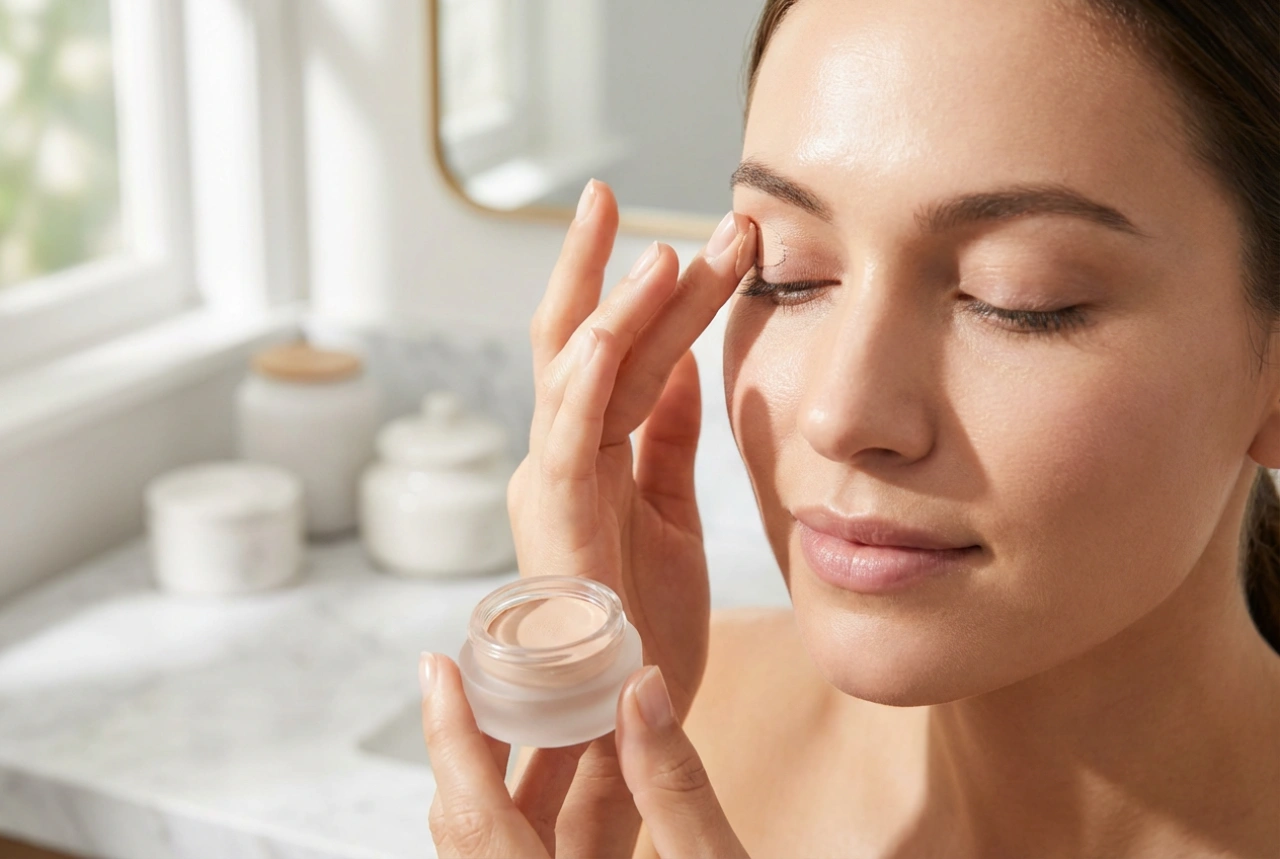
Begin by preparing the eyelid to ensure a smooth, long-lasting application. Applying a tiny amount of eye primer or a lightweight concealer helps to even out the skin tone on the lid and provides a velvety surface for the eyeshadow pigments to cling to. Dust a sheer layer of translucent powder or a neutral, skin-toned matte shadow over the entire lid to make subsequent blending effortless.
Step 2: Define the Crease
Dip a fluffy blending brush into your chosen transition shade, tapping off any excess powder. Using light, circular motions, sweep the shadow along your crease—the natural fold where your eyelid meets your brow bone. This builds soft depth and establishes the shape of your makeup look.
Step 3: Add Depth to the Outer Corner
Switch to a slightly smaller, more tapered brush and select a deeper matte shade. Focus this colour on the outer third of the lid, drawing a soft, angled shape. Gently blend the edges inward toward the centre of the lid and upward into the crease to create a seamless gradient that lifts and defines the eyes.
Step 4: Illuminate the Lid
Using your finger or a flat shading brush, apply a light, shimmering shade to the inner and central parts of your eyelid. The natural warmth of your finger can help press metallic or shimmer textures onto the skin, ensuring maximum payoff and minimal fallout. Finish by placing a tiny touch of this light shade in the inner corner of the eye to open up the gaze.
Caring for Your Tools and Palettes
To maintain the performance of your eyeshadows and protect your delicate eye area, proper hygiene is essential. Regularly clean your makeup brushes using a gentle brush cleanser or mild soap and warm water. Let them dry flat to preserve their shape. Keep your eyeshadow palette clean by gently wiping the packaging and ensuring it is stored in a cool, dry place away from direct sunlight, which helps preserve the integrity of the velvety formulas and vibrant pigments.