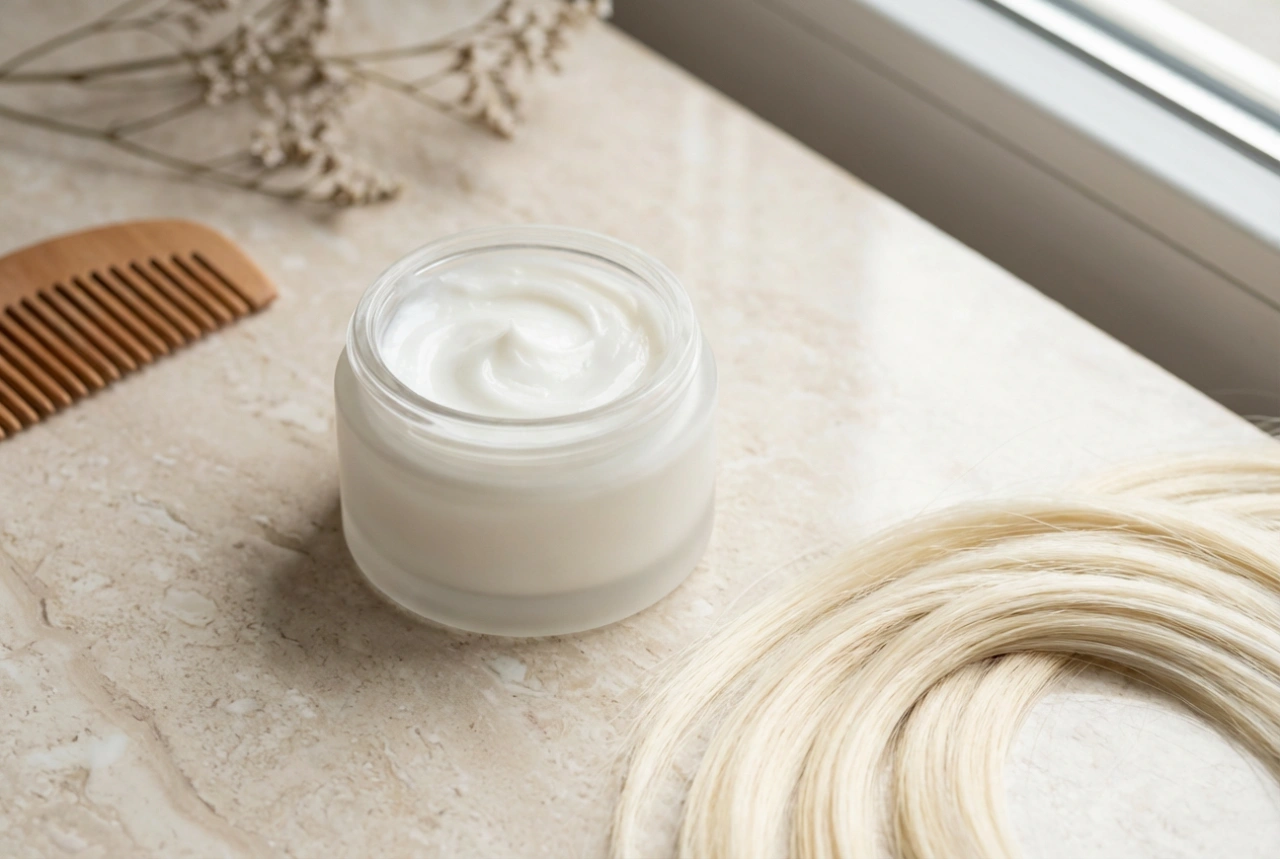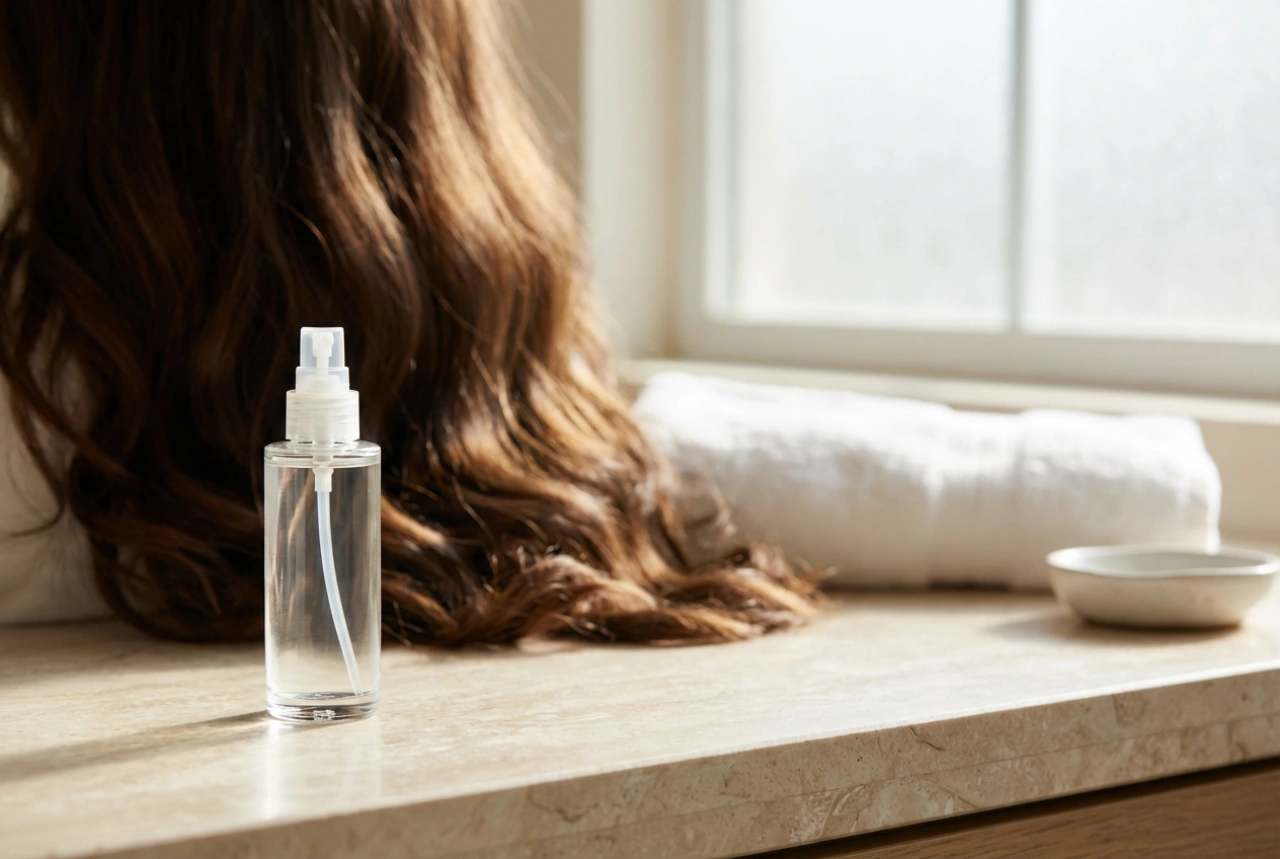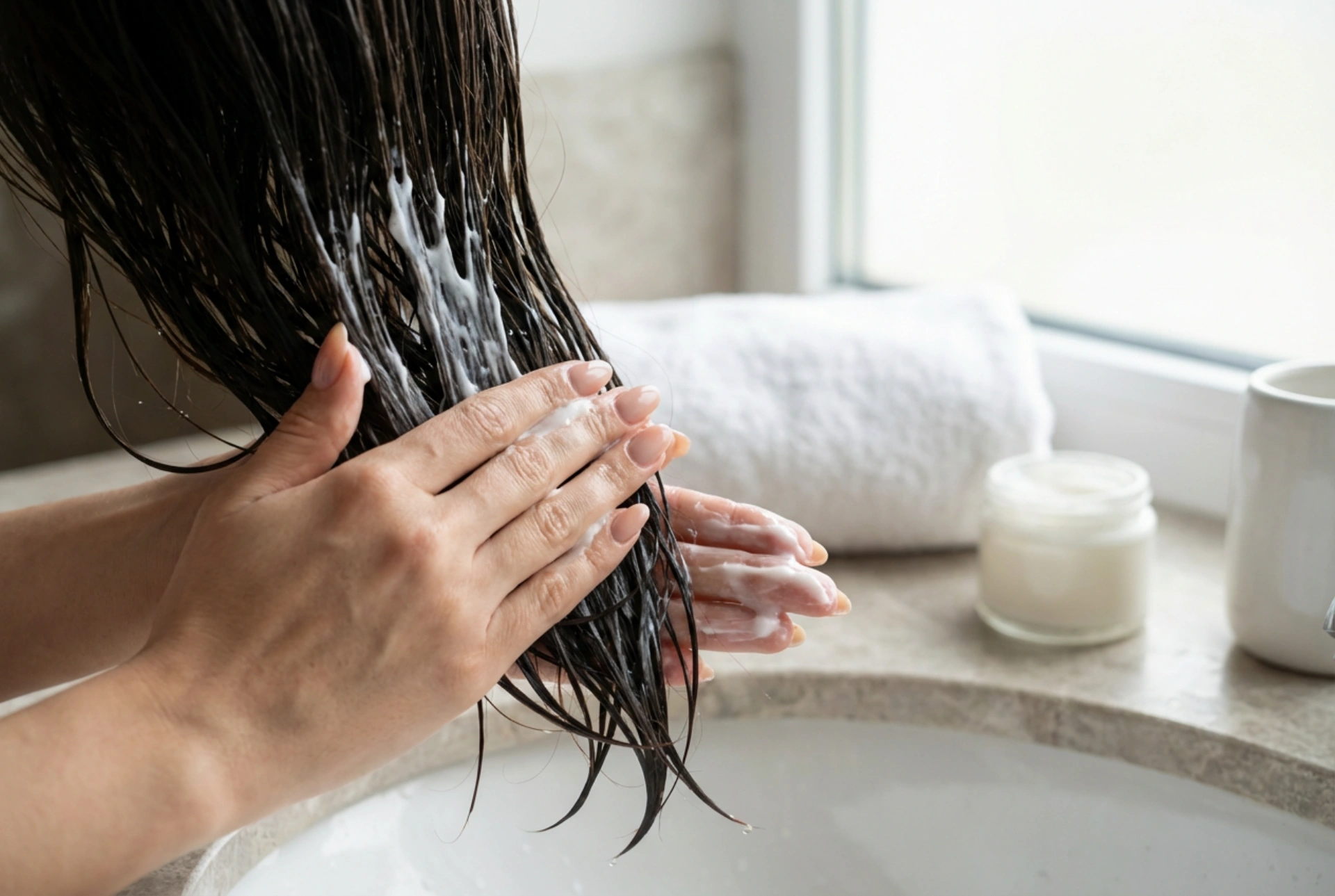


Transforming your daily hair care routine into a serene, salon-like ritual begins with understanding the correct way to apply deep conditioning treatments. Picture a quiet, light-filled bathroom where you take a moment to care for your locks, gently working a rich, velvety hair mask through wet, glistening strands. While purchasing a high-quality nourishing mask is a wonderful step, its effectiveness depends entirely on how you apply, leave, and rinse the product. Proper application ensures that every strand receives optimal nourishment, leaving your hair looking lustrous, healthy, and beautifully managed. Taking the time to master this ritual can completely revitalise dry, dull, or tired hair.
Preparing Your Hair: The Essential First Step
Before you even open your hair mask, your hair must be properly prepared to receive the rich ingredients. Many people make the mistake of applying a mask to dripping wet hair or directly after a quick rinse. To get the most out of your product, follow these preparatory steps:
- Thorough cleansing: Start by washing your hair with a gentle shampoo to remove dirt, oil, and styling residue. Clean hair cuticles are far more receptive to the active moisturising agents found in a mask.
- Squeeze out excess water: Wet hair is like a saturated sponge; it cannot absorb any more liquid. Gently press your hair with a soft, fluffy towel to remove excess water. Your hair should be damp, not dripping wet.
- Detangle gently: Use your fingers or a wide-tooth comb to gently detangle your strands. This ensures the mask can be applied smoothly and evenly from root to tip without causing breakage.
Step-by-Step Application: Techniques for Even Distribution
Once your hair is prepared, it is time to apply the mask. The way you distribute the product determines whether you achieve sleek, bouncy locks or weighed-down, greasy hair. Follow this simple guide to ensure even coverage:
Start from the Mid-Lengths to the Ends
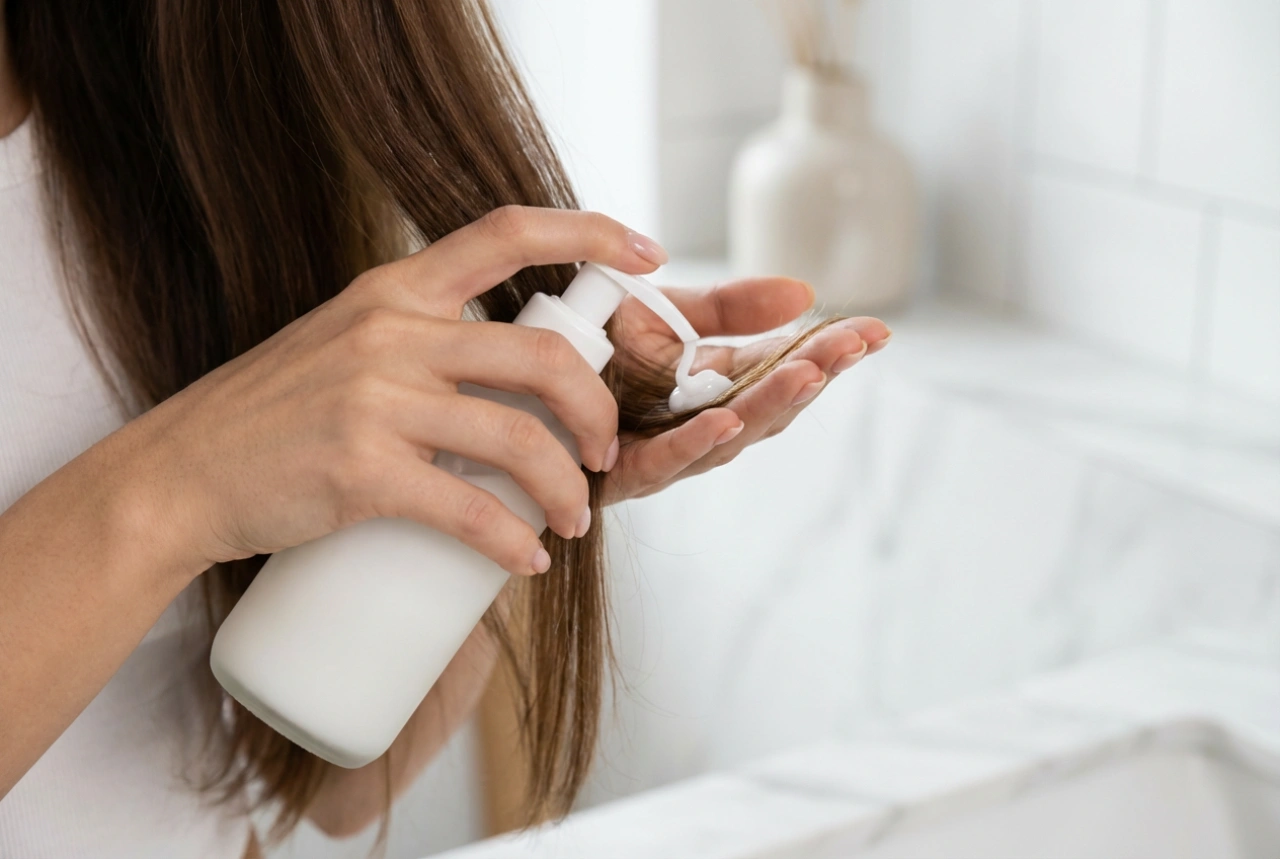
The oldest and most fragile parts of your hair are the mid-lengths and ends. These areas require the most intensive care. Scoop a generous amount of the creamy mask onto your hands and gently work it into these sections first. Avoid applying the product directly to your scalp, as this can clog hair follicles and leave your roots looking flat and greasy.
Massage the Product in Sections
For the best results, divide your hair into manageable sections. Massage the mask into each section using a downward smoothing motion. This action helps to smooth down the hair cuticles, locking in moisture and boosting natural shine. Take your time to ensure every single strand is coated in the rich, creamy texture.
Use a Wide-Tooth Comb
To guarantee that no spot is missed, gently run a wide-tooth comb through your hair after application. This helps distribute the treatment evenly, especially if you have thick, curly, or coarse hair. Be incredibly gentle during this step, as wet hair is delicate and prone to stretching and snapping.
Timing Is Everything: How Long to Leave a Hair Mask
A common misconception is that leaving a mask on for hours—or even overnight—will yield twice the benefits. However, hair care science suggests otherwise. Most modern hair masks are formulated to deliver their maximum benefits within a specific timeframe, usually between 5 to 15 minutes.
Following the Guidelines
Always refer to the instructions on your specific product. Regular conditioning masks designed for quick hydration usually require only 3 to 5 minutes. Intensive, deeply nourishing formulas designed to restore elasticity and shine may require up to 15 or 20 minutes to fully penetrate the hair shaft.
The Risks of Over-Conditioning
Leaving a moisture-rich treatment on your hair for too long can lead to a condition known as hygral fatigue. This occurs when the hair absorbs too much moisture, causing the hair shaft to stretch and weaken over time. Additionally, over-conditioning can leave your hair feeling limp, heavy, and difficult to style. For safety and optimal beauty benefits, stick to the recommended time on the packaging.
The Art of Rinsing: Sealing in Moisture
The final step of your hair mask ritual is just as crucial as the application itself. Proper rinsing ensures that you wash away excess product while keeping the nourishing benefits locked inside the hair fibre.
- Use lukewarm to cool water: Avoid rinsing your hair with hot water, as it can strip away the moisture and raise the hair cuticles, leading to frizz. Lukewarm water is ideal for rinsing, while a final splash of cool water helps to seal the cuticles, locking in nutrients and adding a natural, healthy shine.
- Rinse thoroughly: Take your time to ensure all traces of the mask are completely washed out. Run your fingers through your hair under the running water; your strands should feel smooth and soft, but not slippery or weighed down. Any leftover residue can attract dirt and make your hair look dull within a day.
- Skip regular conditioner: Because a mask is a highly concentrated treatment, you do not need to use a standard conditioner afterwards. The mask has already done the heavy lifting to moisturise and smooth your hair.
Frequency: How Often Should You Use a Mask?
How often you should indulge in this luxurious hair care ritual depends entirely on your hair type and its current condition. For normal, healthy hair, using a mask once a week is usually sufficient to maintain elasticity and shine. If your hair is naturally dry, thick, or curly, you might benefit from using a deep conditioning treatment twice a week. On the other hand, if you have very fine hair, a fortnightly application is ideal to prevent your locks from becoming weighed down. Listen to your hair; if it feels dry and brittle, increase the frequency, and if it feels limp and heavy, give it a break.