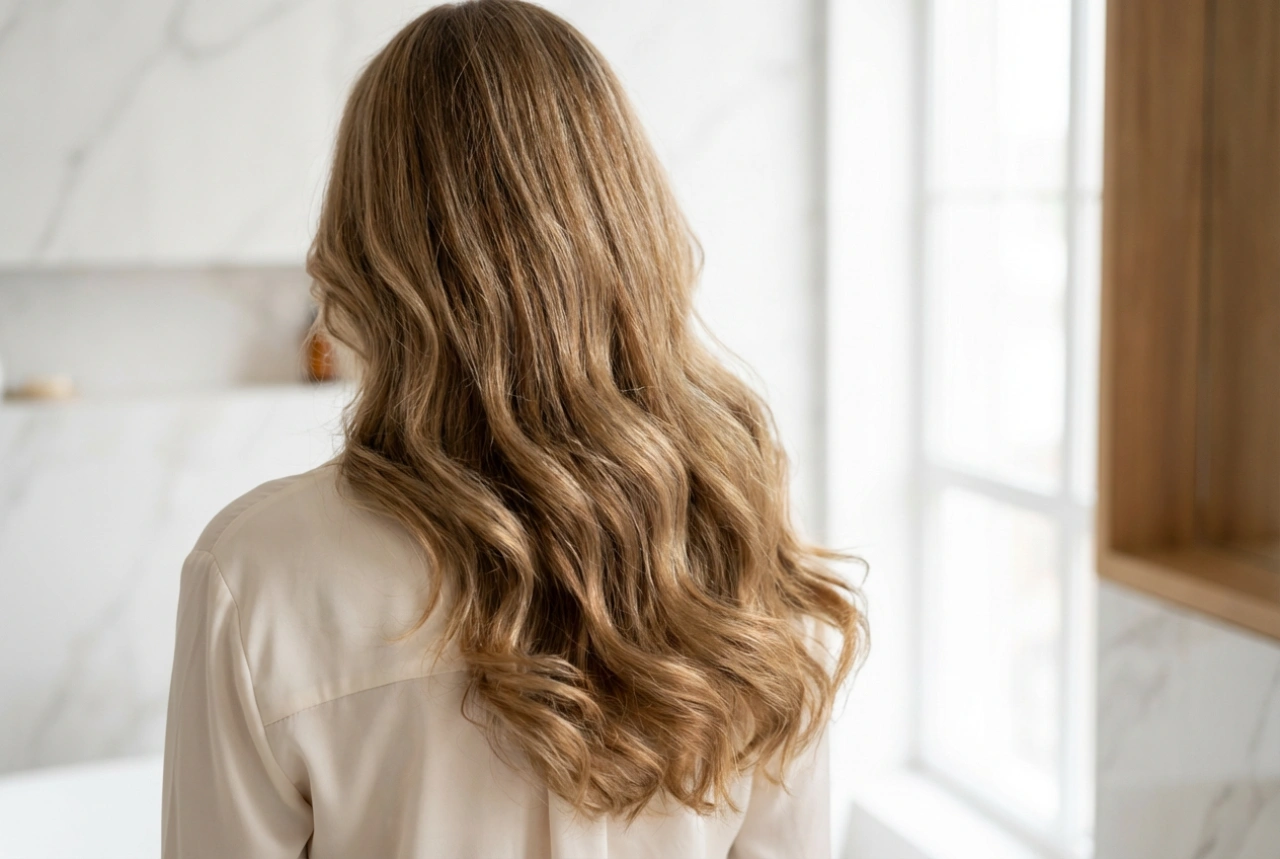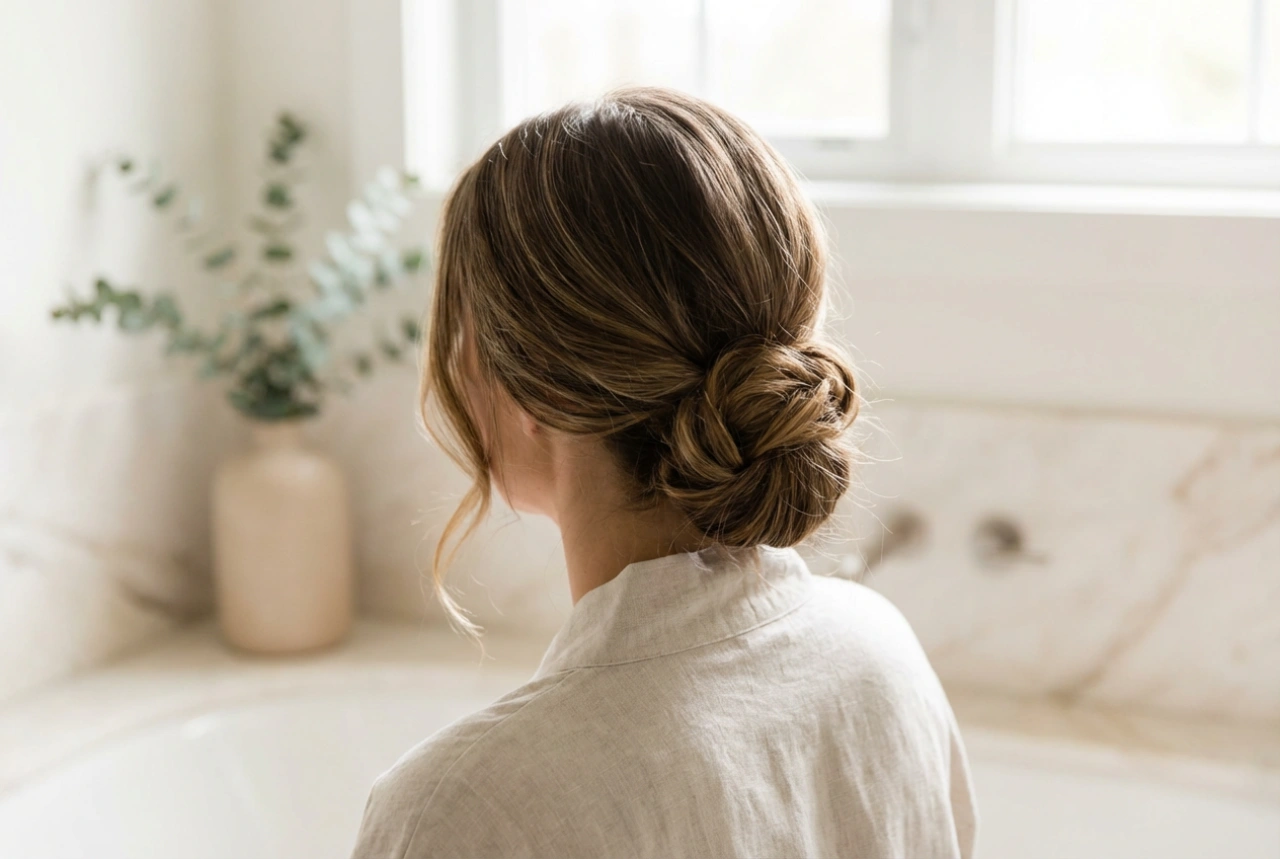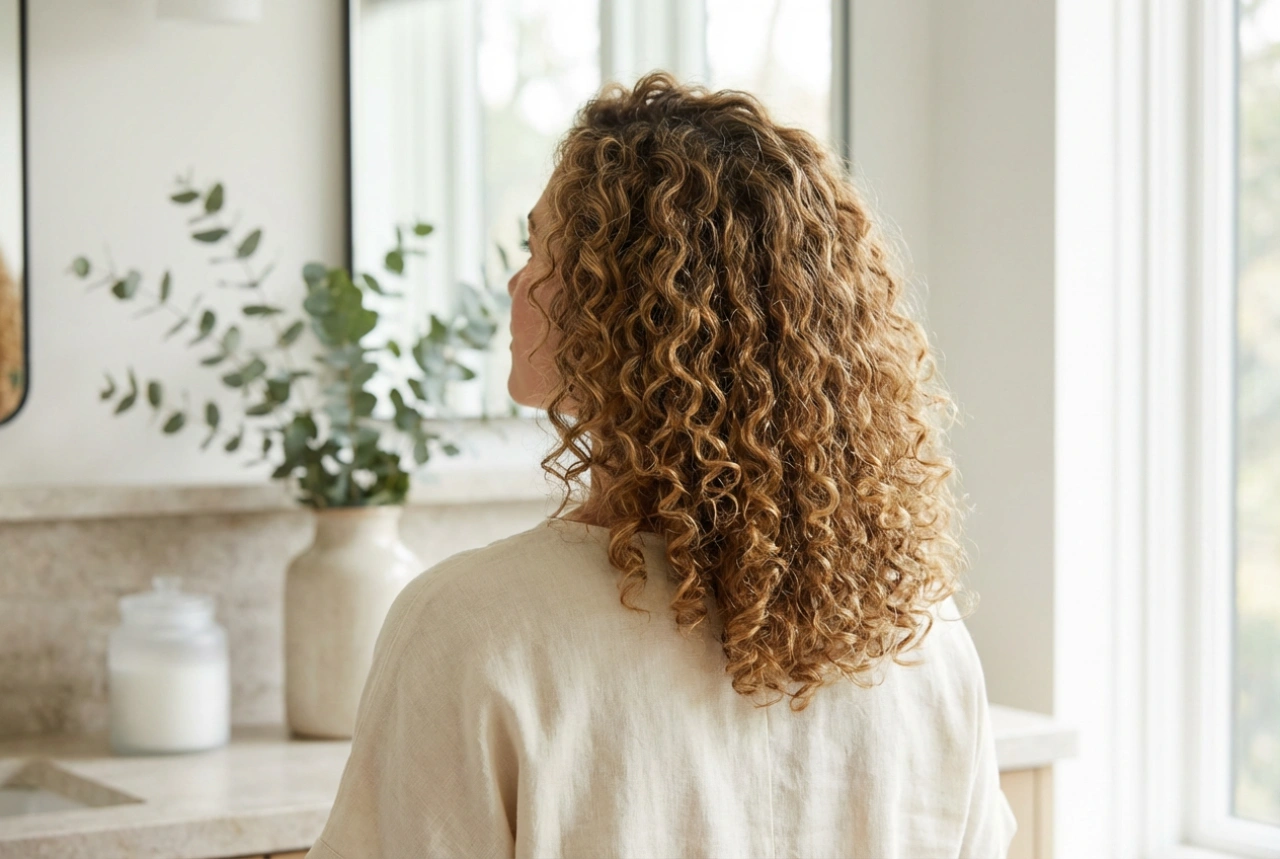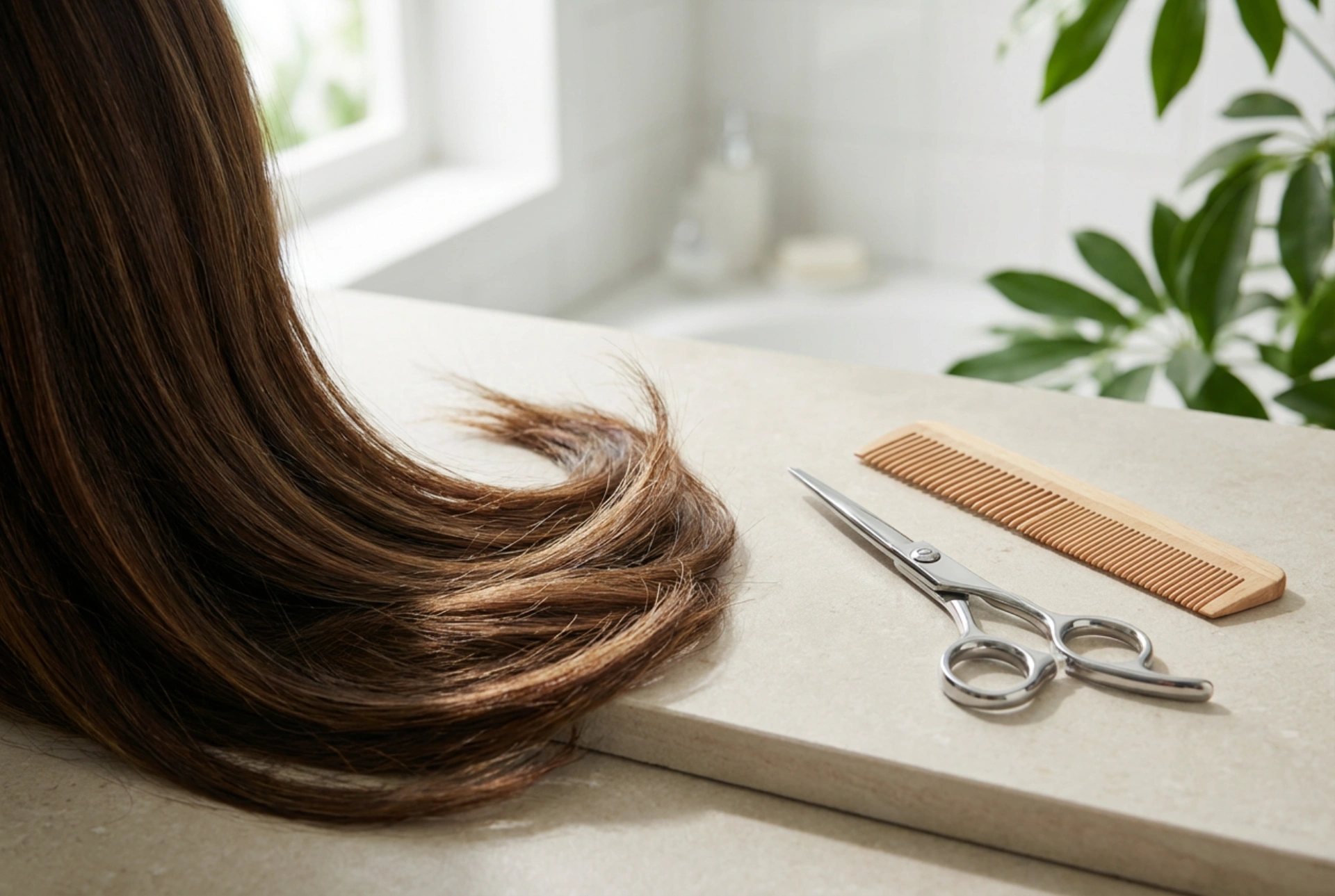


Achieving a beautiful, flowing mane with natural movement and brilliant shine often depends on the art of strategic hair cutting. When we observe elegant long hair with subtle, well-defined layers, the dynamic bounce and weightless texture are usually the result of precise texturising and trimming. Utilising professional tools, such as high-quality hair shears and a fine-tooth comb on a clean workspace under soft lighting, is essential for translating a creative vision into a flawless hairstyle. Layering long hair is a classic technique that refreshes the overall look without sacrificing length, making it a staple in advanced hair styling.
The Fundamentals of Layering Long Hair
Layering, often referred to as texturising or cascading cuts, involves cutting the hair at varying lengths throughout the head. For long hair, this technique is particularly beneficial because it prevents the weight of the hair from pulling down the roots, which can cause a flat, lifeless appearance. By removing bulk from strategic areas, layers create the illusion of thickness and volume, whilst allowing individual strands to catch the light and showcase their natural shine.
When planning a layered haircut, styling professionals consider several key factors, including hair density, texture, and natural fall. There are three main approaches to layering long hair:
- Increased Layers: Shorter layers are cut around the crown and gradually lengthen towards the perimeter. This creates maximum volume and a highly textured finish.
- Uniform Layers: Hair is cut to equal lengths relative to the curvature of the head. While less common for very long hair, it provides a balanced, rounded shape.
- Progressive Layers: This style preserves length at the back while introducing delicate, face-framing layers around the front, offering a soft and flattering frame.
Essential Tools for Precision Styling
To achieve seamless, soft transitions without harsh lines, using the correct, high-quality tools is paramount. Experienced stylists rely on a minimal yet highly refined selection of generic implements to execute the perfect cut:
- Straight Hair Shears: These are the primary tools used for creating clean guides and establishing the main length of the layers. High-tensile steel blades ensure sharp, clean cuts that prevent split ends.
- Texturising or Thinning Scissors: Featuring teeth on one or both blades, these shears are perfect for softening blunt edges and blending different sections smoothly. They are ideal for managing thick hair by removing excess weight.
- Fine-Tooth Combs: A professional comb is vital for securing precise tension and ensuring the hair is evenly distributed before making a cut.
- Sectioning Clips: Standard non-slip clips help divide the hair into clean, manageable portions, which is critical for maintaining consistency throughout the layering process.
Proven Layering Schemes and Angles
The success of a layered haircut lies in the geometry of the cut. Different elevation angles and parting patterns produce vastly different results, allowing for customisable movement:
The 90-Degree Projection Scheme
In this classic scheme, sections of hair are pulled straight out from the head, perpendicular to the scalp. This technique distributes the weight evenly, creating a soft, blended texture. It is highly recommended for medium-density hair, as it adds body without thinning the ends excessively.
The 180-Degree Elevation Scheme
To maintain maximum length whilst adding dramatic layers, the 180-degree method is highly effective. All hair is directed straight upwards towards the ceiling and cut parallel to the floor. This results in shorter layers at the top and crown, while the bottom length remains intact, producing a beautiful cascade effect.
Slide Cutting and Face-Framing
Slide cutting involves holding the shears slightly open and sliding them down the hair shaft from the shorter front pieces to the longer lengths. This creates delicate, feathered layers that beautifully frame the jawline and collarbones, adding a bespoke touch of elegance to the overall style.
How to Maintain and Style Layered Long Hair at Home
Once the layers are beautifully established, maintaining their shape and healthy appearance requires a dedicated hair care routine. Because layers expose different sections of the hair to environmental elements, regular trimming is essential to prevent split ends from traveling up the hair shaft. A trim every eight to twelve weeks is generally sufficient to keep the layers looking crisp and defined.
To style layered hair, focus on enhancing its natural texture. When blow-drying, using a medium-sized round brush can lift the roots and curve the ends of the layers inwards or outwards for a classic blowout look. Applying a lightweight, silicone-free serum to the mid-lengths and ends will accentuate the layers, adding definition and a healthy, radiant shine without weighing the hair down.