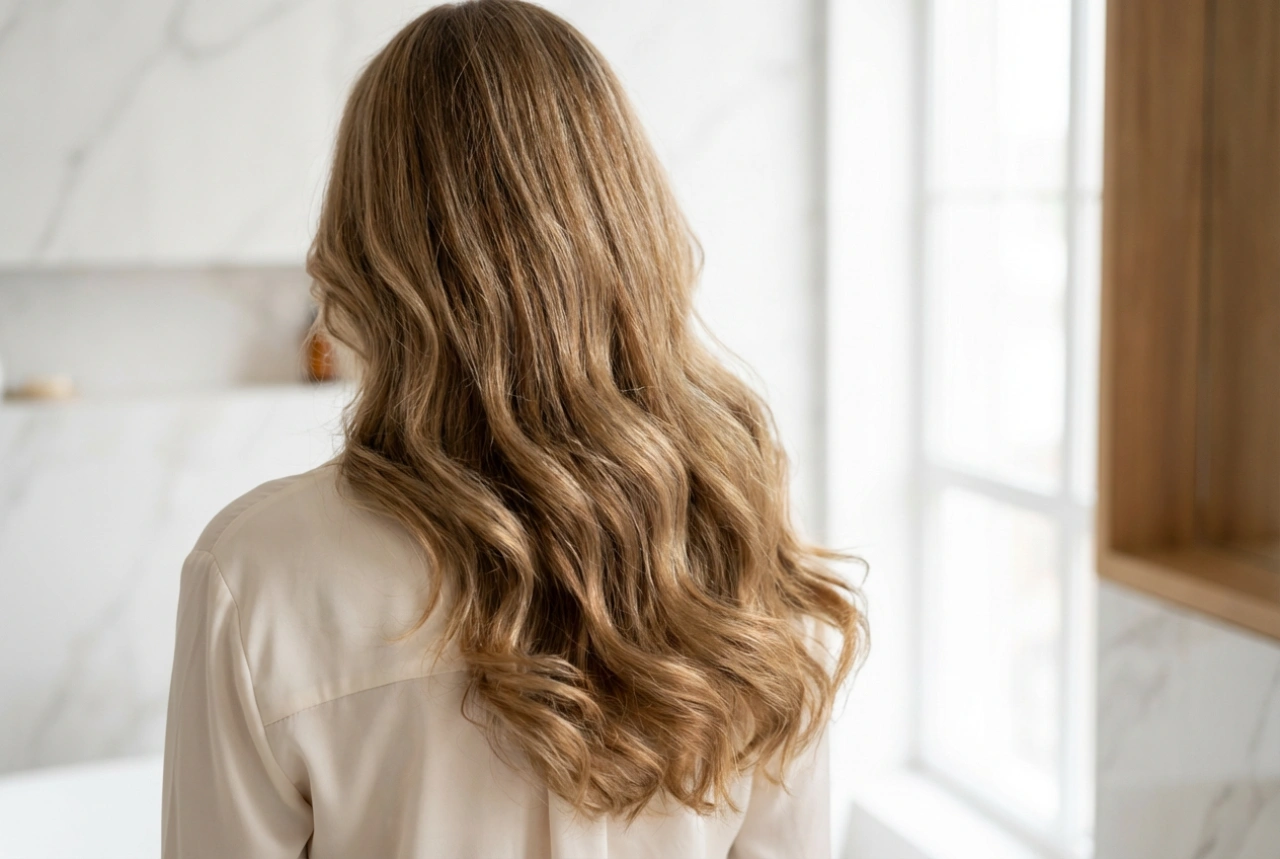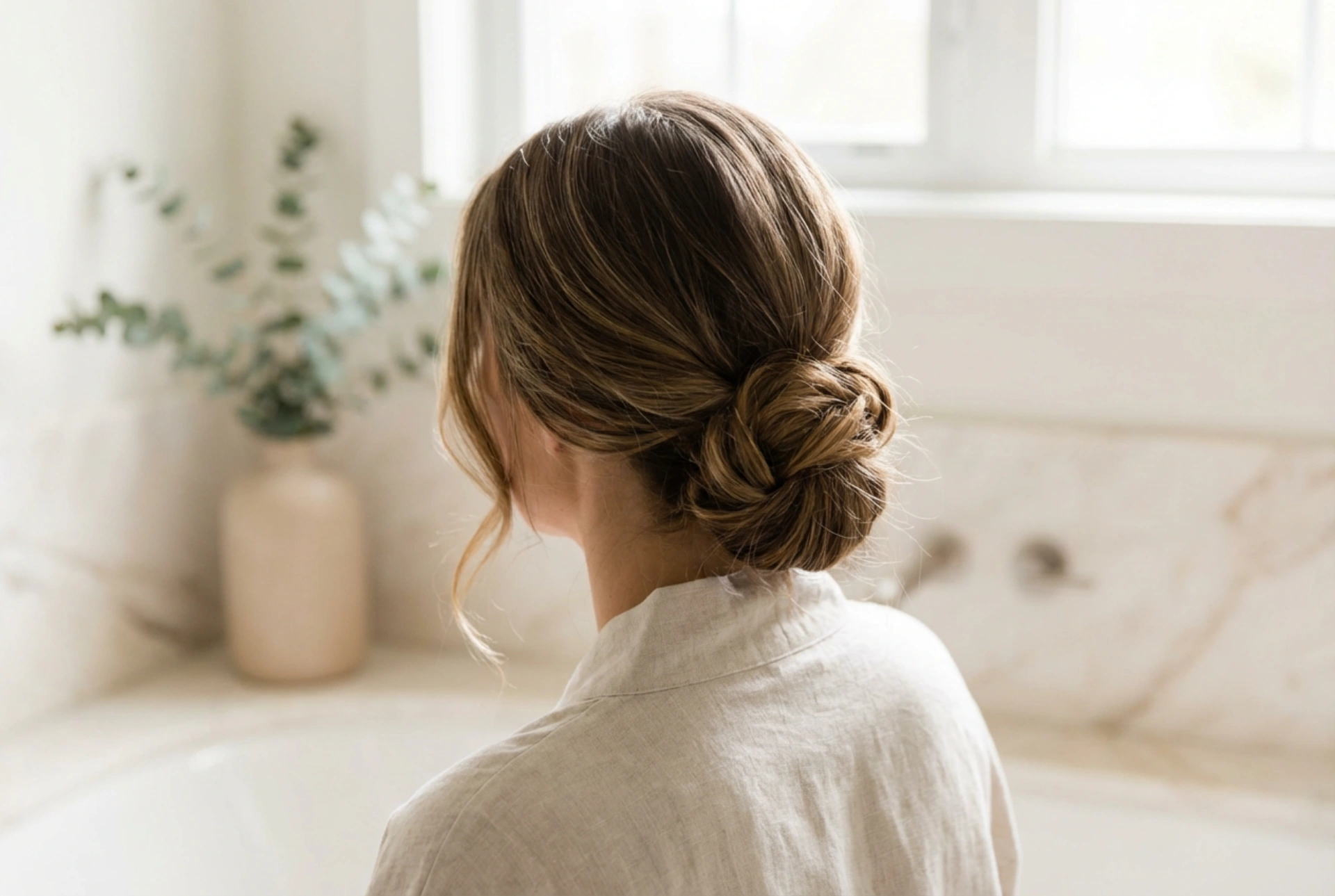


Medium-length hair sits in a wonderful sweet spot of versatility, offering enough length for elegant styling without the overwhelming weight of very long locks. Creating a chic, effortless low updo on medium hair can showcase natural highlights and the hair's healthy shine beautifully. A styled low updo looks sophisticated yet relaxed, framing the neck and shoulders with simple elegance. However, securing shoulder-length strands so they stay in place all day requires a few clever techniques. Understanding how to work with your hair's natural texture is the first step to achieving a secure, long-lasting look.
Preparing Your Hair for Lasting Hold
A common mistake when attempting an updo is starting with freshly washed, silky hair. While clean hair feels wonderful, it often lacks the necessary grip to keep pins from sliding out. For the best results, consider styling your hair on the second day after washing, as natural oils provide a subtle texture that helps hold the structure together. If you prefer to style freshly washed hair, you can introduce texture by gently blow-drying with a diffuser or applying a light mist of salt spray to add a touch of natural grit.
Before pinning, always brush your hair gently with a natural-bristle brush. This distributes the hair's natural oils from the roots to the tips, enhancing shine and creating a smooth surface. If you have subtle highlights, a thorough but gentle brush will help catch the light, emphasizing the depth and multidimensional tones within your strands.
The Elegant Low Rolled Bun
The low rolled bun is a timeless hairstyle that looks incredibly sophisticated on medium hair. It gathers the hair neatly at the nape of the neck, creating a clean silhouette that feels secure and comfortable. Here is a simple, step-by-step method to achieve this look:
- Create a low ponytail: Gather your hair at the nape of your neck and secure it with a small, elastic band that matches your hair colour. Avoid pulling it too tight to maintain a soft, natural volume at the crown.
- Create a pocket: Gently create a small opening in the hair just above the elastic band, splitting the hair into two sections.
- Loop the hair: Lift the ponytail and tuck it down through the opening you created. This creates a beautiful, rolled twist on either side of the band.
- Roll and secure: Take the remaining length of the ponytail, roll it upwards towards the twist, and tuck the ends into the pocket. Secure the roll firmly using U-shaped hairpins inserted downwards into the base of the hairstyle.
Essential Pinning Techniques for Secure Styling
The secret to an updo that lasts from morning until night lies not in the quantity of hairpins you use, but in how you insert them. Standard bobby pins and U-shaped pins serve different purposes, and using them correctly will prevent your style from collapsing.
Bobby pins should always be inserted with the wavy side facing down against the scalp. The ridges are designed to grip the hair and keep the pin from slipping. To lock a bobby pin in place, try the interlocking technique: insert one pin, then cross a second pin directly over the first in an "X" shape. This creates an incredibly strong anchor point that can hold even thicker sections of medium hair.
U-shaped pins, on the other hand, are perfect for tucking away loose ends and securing the outer layers of a bun. To use them effectively, catch a small amount of hair from the outer edge of the bun, press the pin against your scalp, and then push it inward towards the centre of the hairstyle. This integrates the outer section seamlessly with the anchored base.
Adapting Updos to Your Natural Hair Texture
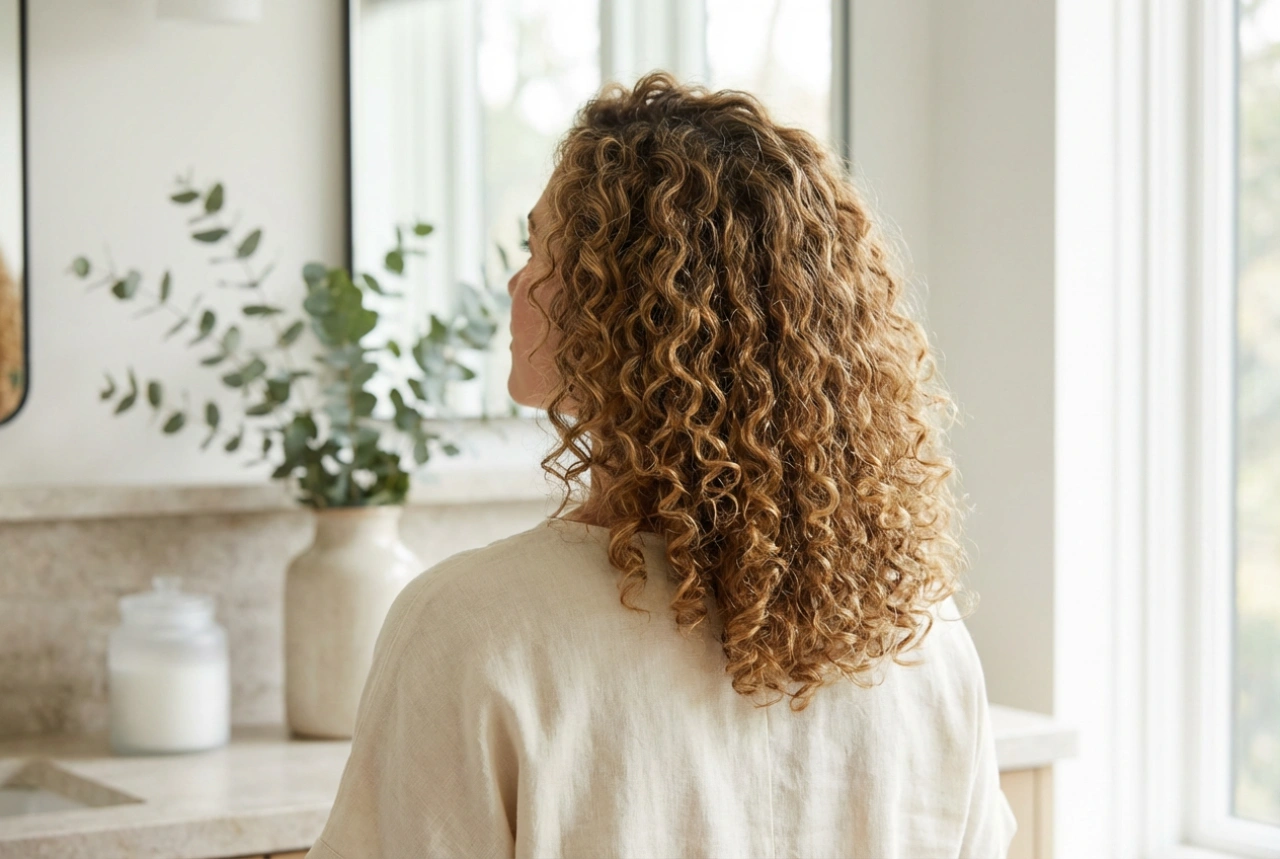
Medium-length hair comes in many different textures, from fine and straight to thick and curly. Tailoring your pinning technique to your specific hair type ensures a comfortable and durable hold without causing unnecessary tension on your scalp.
Fine and Silky Hair
If your hair is fine, it may slip out of pins easily. To combat this, try backcombing small sections of hair near the crown and nape of the neck before you begin styling. This creates a cushion for the pins to grip onto. Additionally, opting for smaller, lightweight pins will prevent the weight of the accessories from pulling down your hairstyle.
Thick or Coarse Hair
For thicker hair, the primary challenge is managing the weight. Dividing your hair into sections before pinning can make the process much easier. You might create a half-up ponytail first to anchor the top section, then twist and pin the lower section around it. This distributes the weight evenly across your head and prevents headaches caused by tight styling.
Maintaining Shine and Protection
While styling, it is important to respect the health of your hair. Avoid pulling sections too tightly, as this can lead to breakage around the hairline. To keep your updo looking glossy and fresh, finish the style by gently smoothing down any flyaways with a clean spoolie brush or a tiny amount of natural hair oil warmed between your palms. This highlights your hair's natural lustre, making your simple updo look polished, healthy, and effortless.