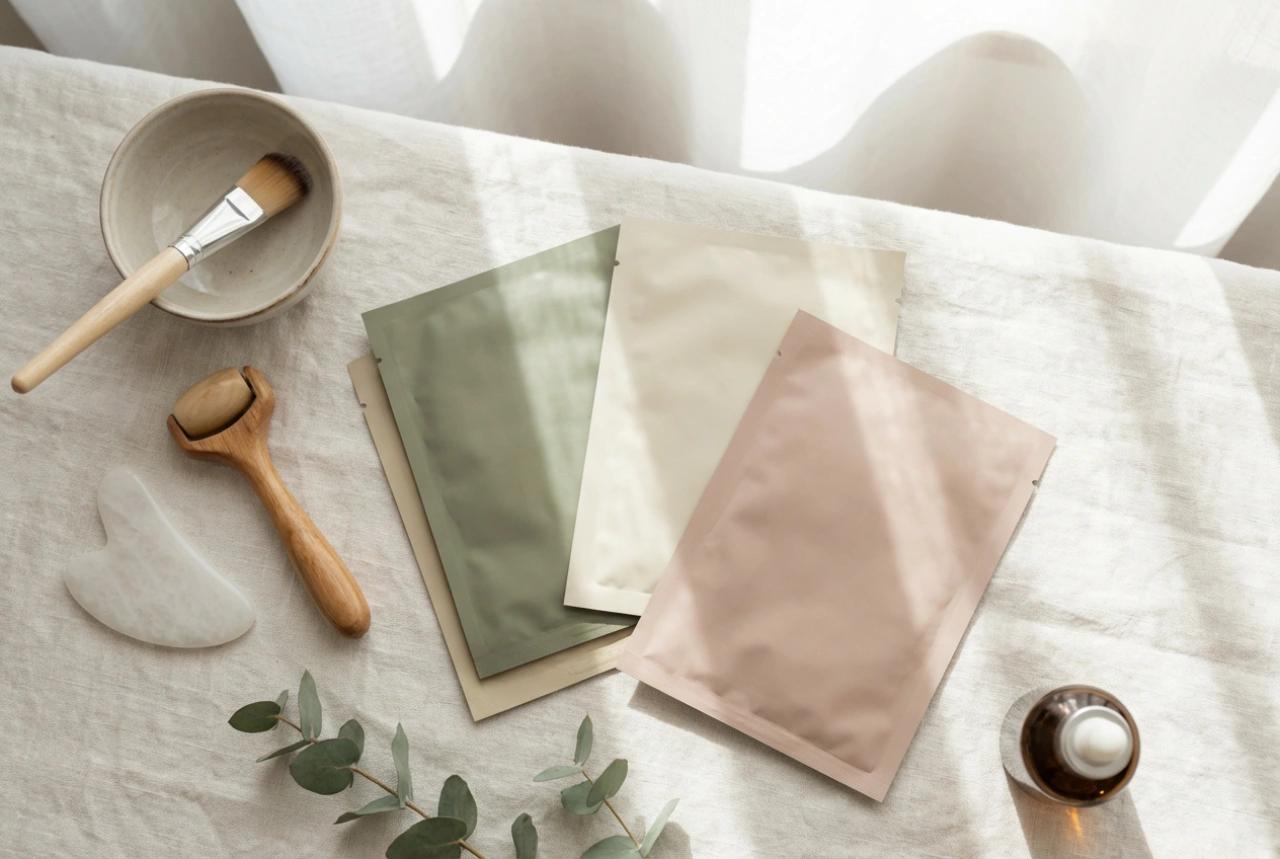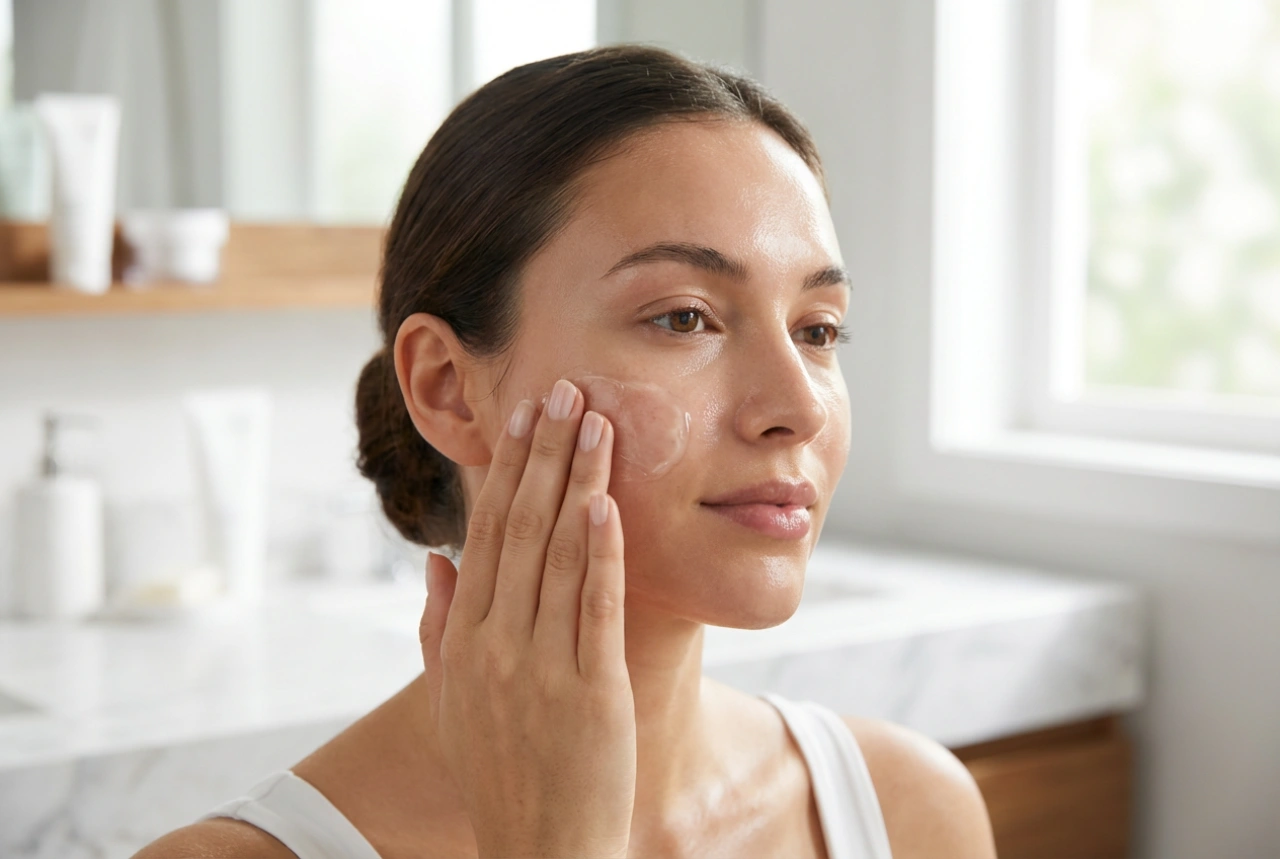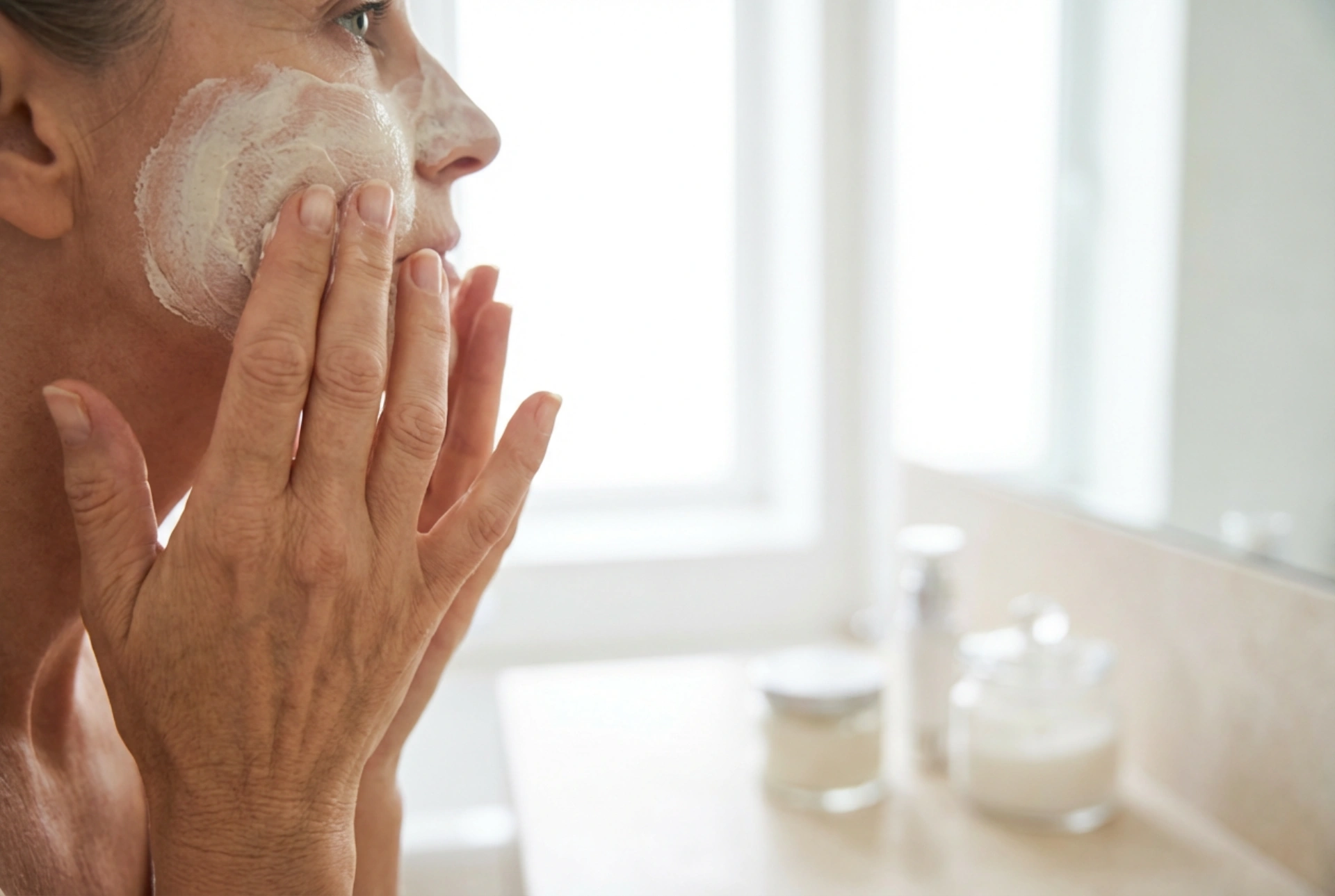


As the years pass, our skin undergoes a natural evolution, requiring more mindful and nurturing attention. The simple act of applying a rich, creamy face mask can become a peaceful ritual of self-care. When we observe elegant, mature hands gently smoothing a luxurious cream onto the cheeks under soft, natural light, it is clear that mature beauty is not about erasing time, but about comforting and nourishing the skin. For those over the age of sixty, face masks are not merely an optional luxury; they are a vital component of a comprehensive home skincare regimen. Selecting the right ingredients and understanding how to apply them can significantly enhance skin comfort, elasticity, and radiance.
The Changing Needs of Mature Skin After 60
To choose the most effective face masks, it is essential to understand how the skin behaves after sixty. Over time, the skin naturally produces less sebum and collagen, which leads to a thinner, drier, and more delicate texture. The epidermal barrier, which acts as a shield against moisture loss, becomes less efficient. This often results in a feeling of tightness, increased sensitivity, and more pronounced lines or wrinkles.
At this stage of life, skincare should focus primarily on deep hydration, lipid replenishment, and strengthening the natural skin barrier. Regular moisturisation helps to plump the skin temporarily, which can soften the appearance of fine lines and restore a healthy, natural glow. Face masks, with their concentrated formulas, offer an intensive boost of these essential elements, delivering immediate comfort to parched or tired skin.
Key Ingredients to Look For in Nourishing Masks
When browsing cosmetic formulations, look for ingredients that mimic the skin's natural lipids or actively support its hydration levels. A well-formulated mask for mature skin should contain a blend of moisture-binding agents and protective emollients.
- Hyaluronic Acid: This powerhouse ingredient is a humectant, meaning it draws moisture into the skin. It helps to instantly hydrate the outer layers of the epidermis, making the skin appear smoother and more supple.
- Ceramides: Often described as the mortar between the skin's cellular bricks, ceramides help to rebuild the lipid barrier. They lock in moisture and protect the skin from environmental stressors.
- Natural Plant Oils: Rich botanical oils, such as argan, rosehip, avocado, or jojoba oil, provide essential fatty acids. These oils deeply nourish, soften dry patches, and restore a velvety texture to the skin.
- Peptides: These small chains of amino acids help to support skin elasticity and firmness. They are excellent for encouraging a more resilient appearance without causing irritation.
- Antioxidants: Vitamins C and E help to neutralise free radicals and brighten a dull complexion, restoring a youthful luminosity.
Types of Face Masks Ideal for Mature Skin
Not all masks are created equal, and some formats are far better suited for mature skin than others. For example, clay masks designed to absorb excess oil can be too drying for skin over sixty. Instead, focus on formulations designed to comfort and hydrate.
Cream Masks: These are highly recommended for dry and mature skin. Having a rich, creamy texture, they do not dry out or tighten on the face. Instead, they sink into the skin, providing a continuous infusion of lipids and nutrients. After the recommended application time, any excess can be gently wiped away with a soft tissue or cotton pad, leaving a protective, hydrating film.
Overnight Sleep Masks: These are designed to be applied as the final step of your evening skincare routine. They work in harmony with the body's natural nighttime repair processes. Overnight masks are lightweight yet deeply nourishing, ensuring you wake up with soft, plump, and deeply hydrated skin.
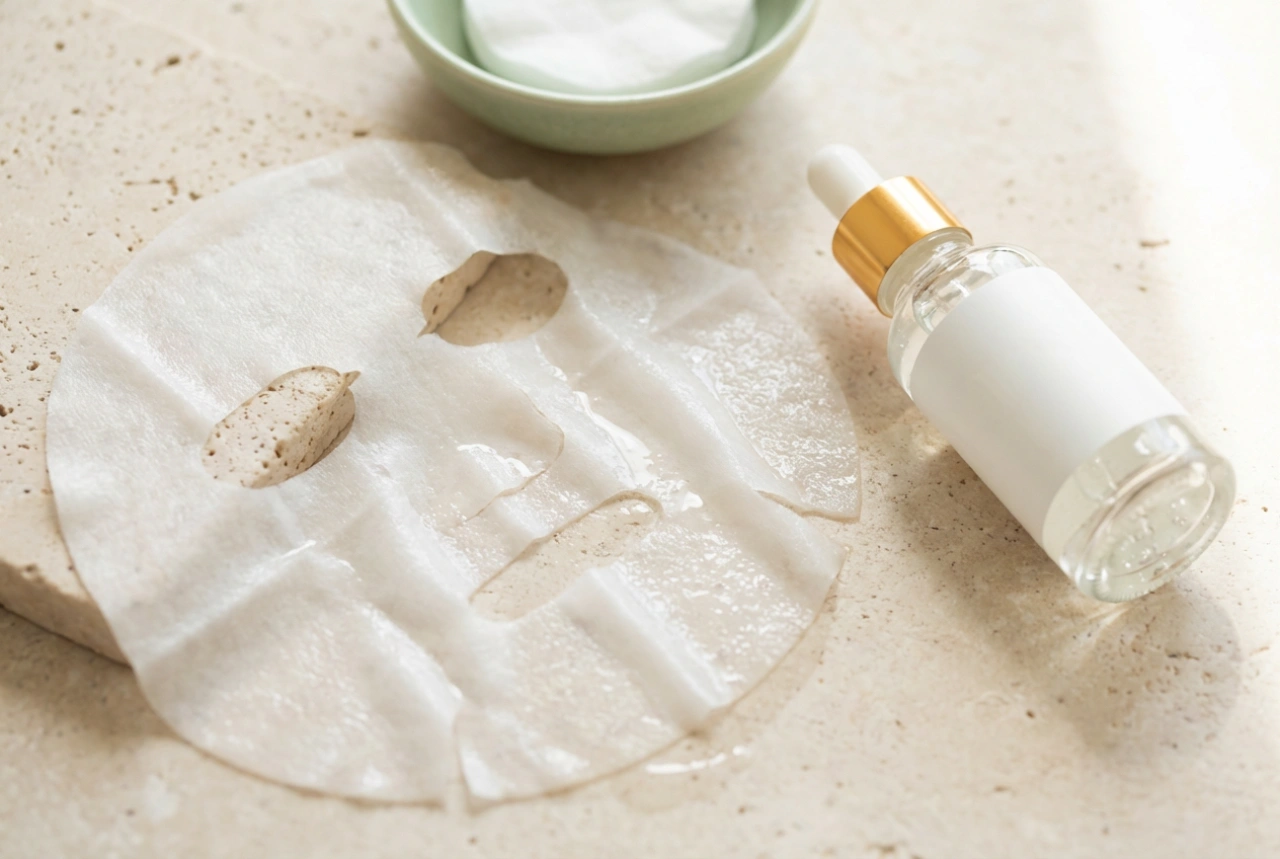
Hydrating Sheet Masks: Made from cellulose or hydrogel soaked in a rich serum, sheet masks provide an intensive moisture boost. They form a barrier over the skin, preventing evaporation and allowing the active ingredients to penetrate effectively. They are perfect for an instant pick-me-up before a special occasion.
How to Correctly Apply Face Masks at Home
The application of a face mask should be a sensory experience, a moment of quiet relaxation. To achieve the best results from your chosen treatment, follow these simple, practical steps during your home ritual.
First, always begin with a clean canvas. Gently cleanse your face with a mild, non-drying cleanser to remove any surface impurities, makeup, or daily grime. This ensures that the active ingredients in your mask can be absorbed without any barriers.
Next, apply the mask using a gentle touch. Take a generous amount of your creamy mask and smooth it evenly over your face, neck, and decolletage, avoiding the sensitive area immediately around the eyes. Use upward, circular motions, transforming the application into a delicate massage that stimulates local circulation and relaxes facial muscles.
Allow the mask to rest for the time specified by the manufacturer, usually between ten and twenty minutes. Use this time to lie down, close your eyes, and relax. Once the time is up, gently remove any excess product. If using a cream mask, you can massage the remaining lotion into your skin or wipe it away gently. Avoid harsh scrubbing, which can irritate delicate mature skin.
Enhancing the Ritual: Safe Home Care Practices
To maintain a healthy, glowing complexion, consistency is key. Integrating a nourishing face mask into your routine once or twice a week can make a noticeable difference in how your skin feels. Additionally, ensure you are drinking plenty of water throughout the day to support hydration from within.
Always patch-test any new cosmetic product on a small area of skin, such as the inner wrist or behind the ear, before applying it to your face. This simple precaution helps to prevent any unwanted sensitivities or redness. By combining safe, high-quality cosmetic products with a gentle, consistent routine, you can enjoy a radiant, comfortable, and beautifully nourished complexion at any age.