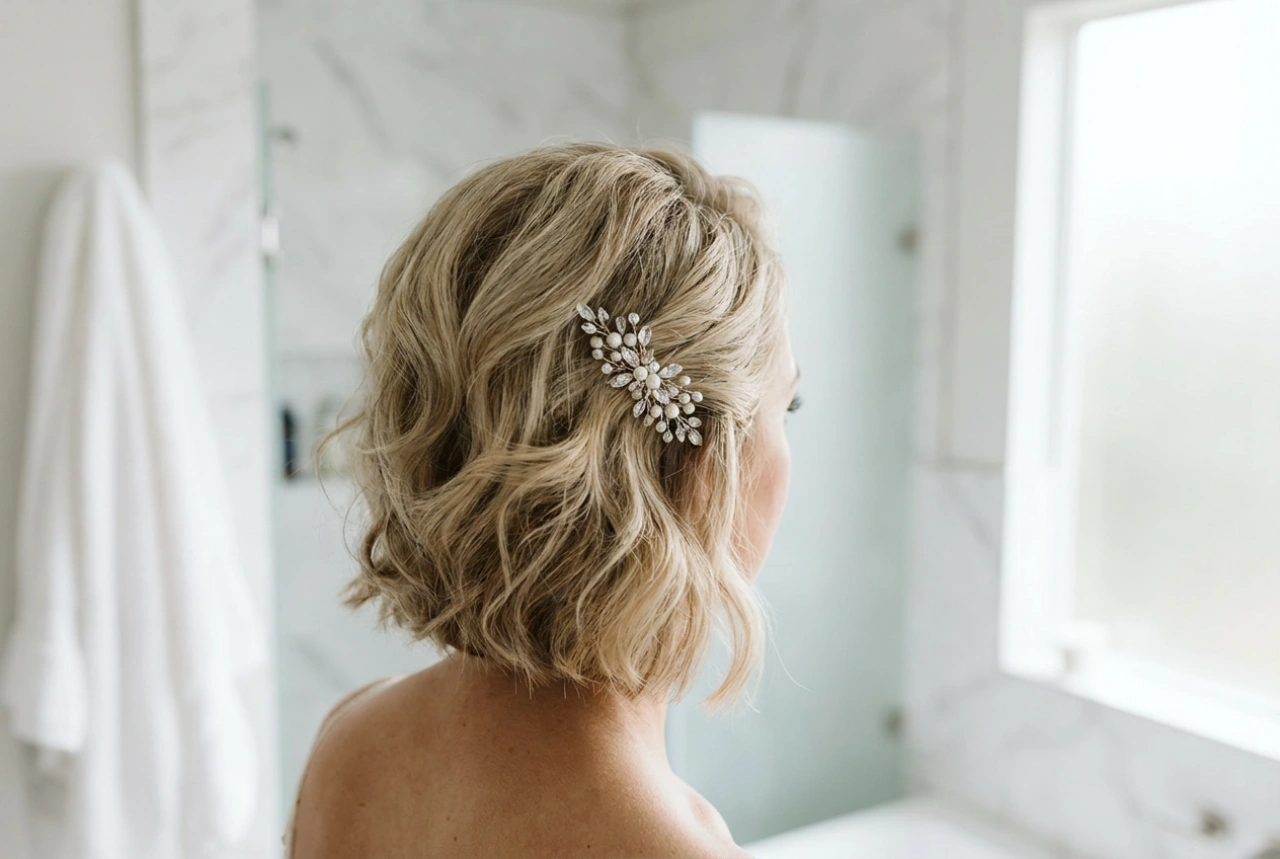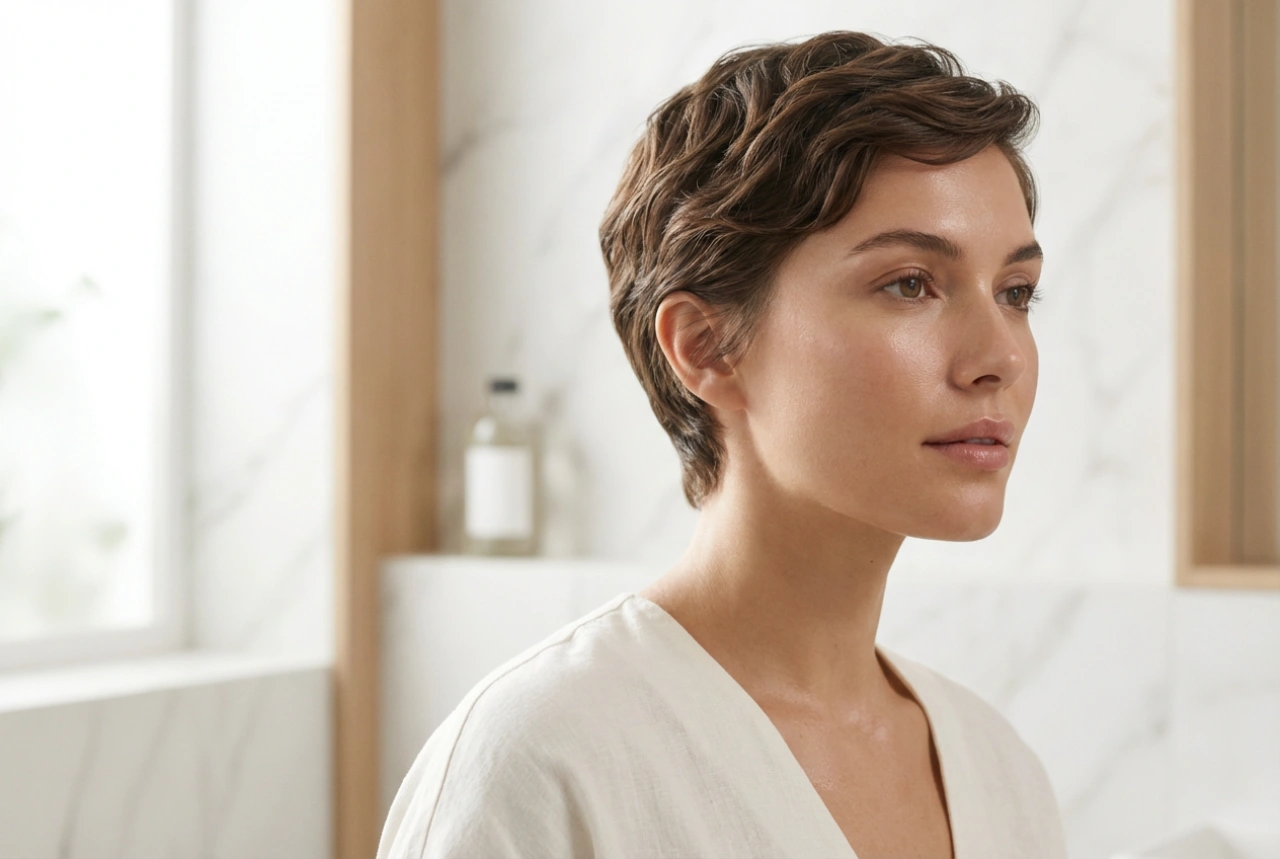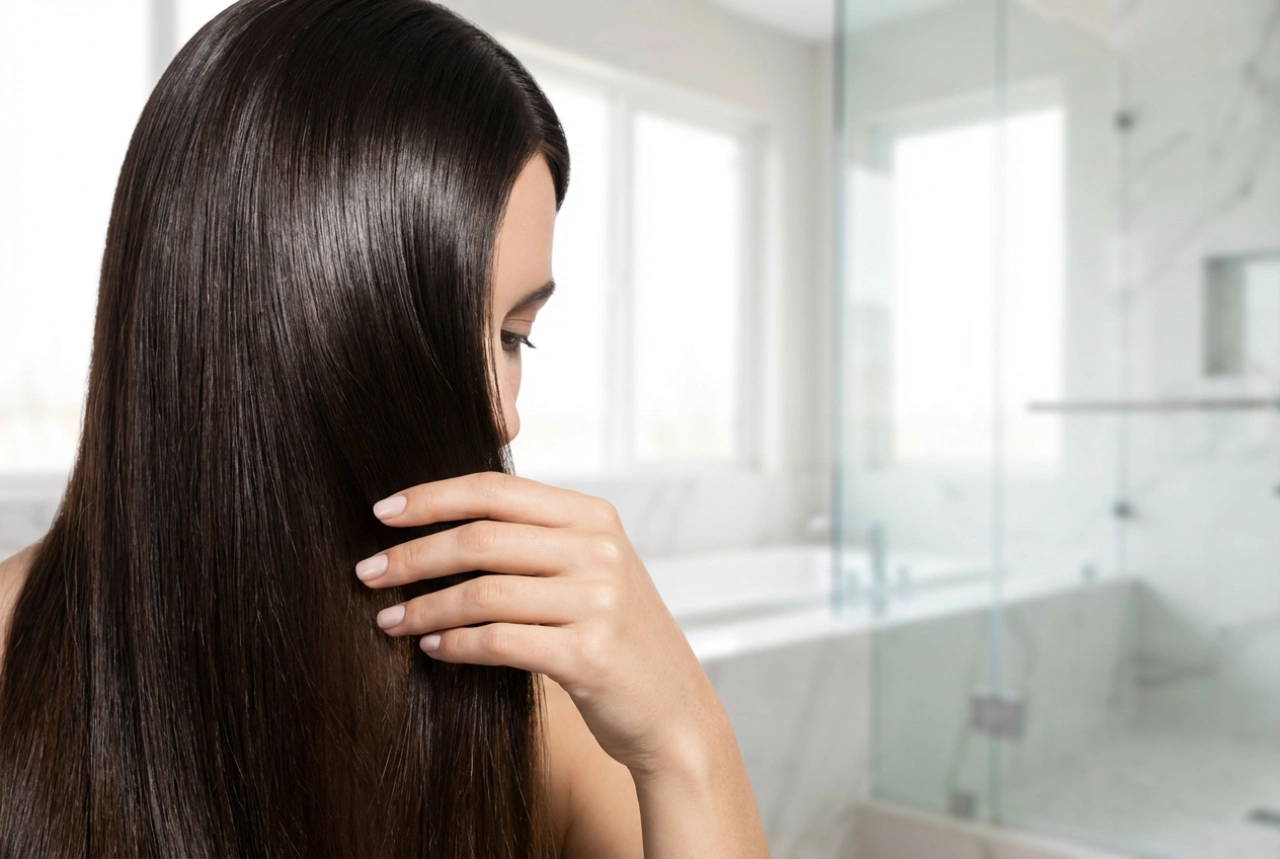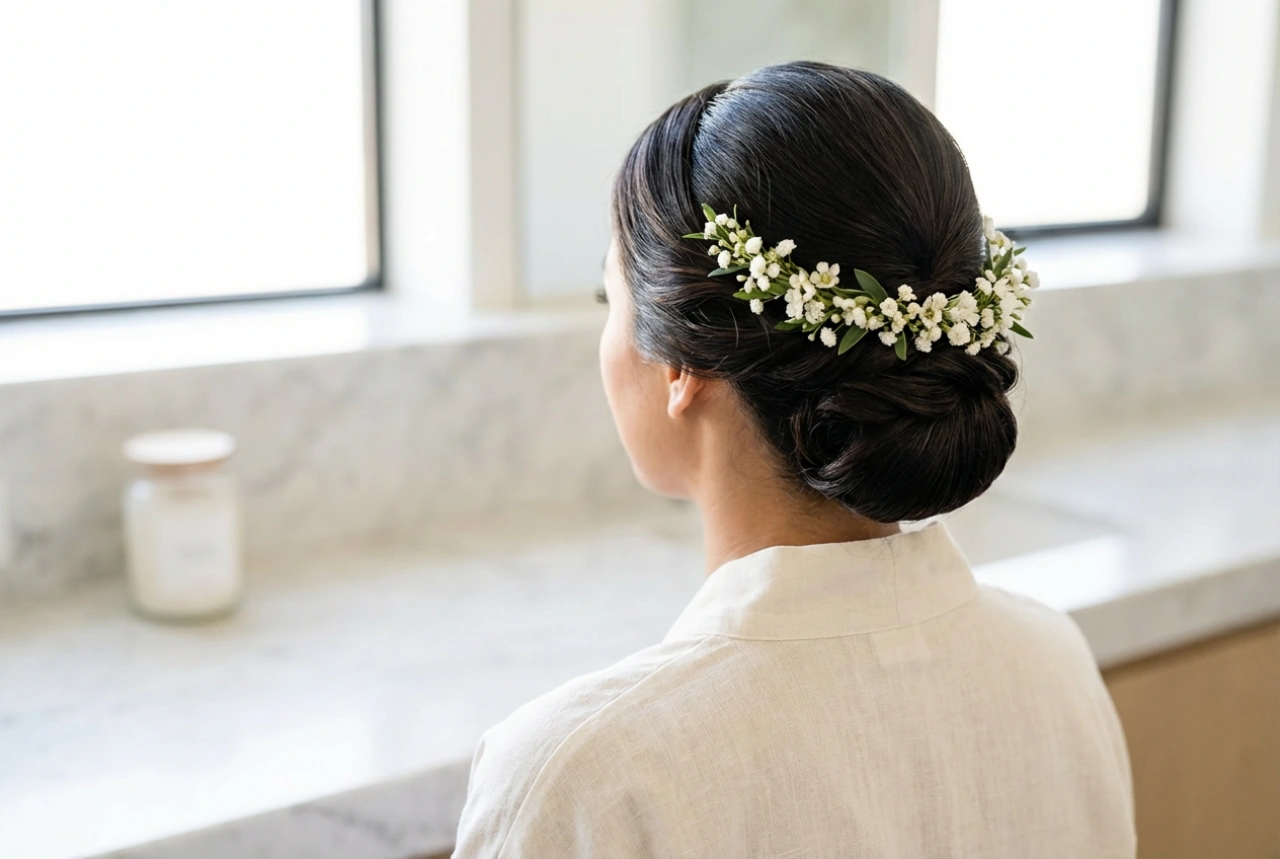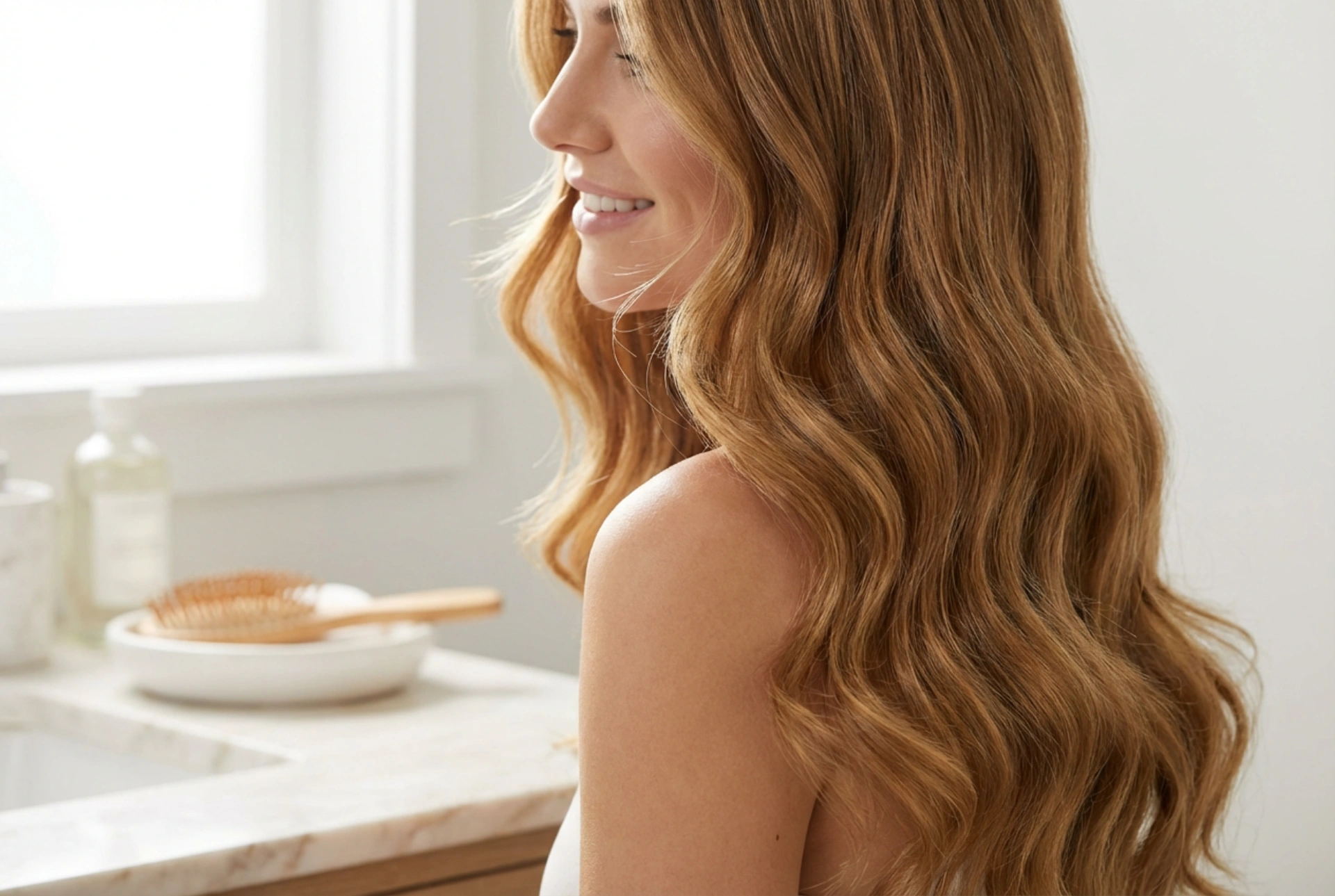


Effortlessly chic and endlessly versatile, wavy hair is a timeless look that suits almost any occasion. From soft, romantic ripples to more defined, beachy textures, waves add volume and movement to your hair. The good news is that you don't need a professional stylist to achieve this look. With the right techniques and a focus on hair health, you can create stunning waves at home. This guide will walk you through various methods, both with and without heat, to help you style your hair safely and effectively.
Preparing Your Hair for Styling
Proper preparation is the foundation of any great hairstyle, and it's especially important for ensuring your waves last and your hair stays healthy. Before you begin styling, it’s best to work with clean, well-conditioned hair. This creates a smooth canvas and helps your style hold better.
The most critical step before using any heat tool is applying a heat protectant. These products create a barrier between your hair and the high temperatures, minimising potential damage, reducing moisture loss, and preventing split ends. Spray it evenly throughout your hair, from roots to ends, and gently comb it through to ensure full coverage. For heat-free methods, you might use a light mousse or styling cream on damp hair to provide hold and definition.
Creating Waves with Heat Tools
Heat tools offer speed and control, allowing you to create a wide range of wave patterns. The key is to use them correctly and at a safe temperature.
Using a Curling Wand or Tong
A curling wand or tong is a classic tool for creating everything from tight curls to loose waves. The size of the barrel determines the size of the wave; a larger barrel will produce softer, bigger waves, while a smaller one will create a tighter pattern.
- Start with completely dry, protected hair.
- Section your hair to make it more manageable. Clip the top sections away and start with the bottom layer.
- Take a section of hair (about 1-2 inches wide) and wrap it around the barrel of the wand, holding it away from your face.
- Hold for 5-10 seconds, depending on your hair's thickness and the tool's temperature. Avoid using the highest heat setting unless absolutely necessary.
- Gently release the hair and let the curl cool completely in your hand or with a clip before touching it. This helps set the shape.
- Repeat for all sections, alternating the direction of the wrap for a more natural, less uniform look.
Using a Hair Straightener
A hair straightener is surprisingly versatile and can be used to create beautiful, modern-looking waves.
- Begin with dry, protected hair divided into manageable sections.
- Clamp a small section of hair near the root.
- As you glide the straightener down the hair shaft, rotate it 180 degrees (a half-turn) away from your face.
- Continue pulling the straightener smoothly down to the end of the section. The speed of your movement will affect the wave; slower creates a more defined wave, while faster results in a looser one.
- For an alternative 'S' wave, clamp a section of hair and bend your wrist to create a 'C' shape, then move down the hair shaft and bend your wrist in the opposite direction. Repeat this pattern down to the ends.
Gentle, Heat-Free Waving Methods
If you prefer to avoid heat or want to give your hair a break, heatless techniques are an excellent option. These methods are best done on slightly damp hair and often work overnight.
Braiding (Plaits)
This is one of the simplest ways to get heat-free waves. After washing your hair, let it air dry until it's about 80% dry. Apply a touch of styling mousse if you wish. Then, braid your hair. The type of braid will influence the result:
- A single, loose plait: Creates very soft, large-scale waves.
- Two French or Dutch plaits: Produces more defined waves that start closer to the root.
- Multiple small plaits: Results in a tighter, crimped wave effect.
Secure the ends and leave the braids in for several hours or overnight. Once your hair is completely dry, gently undo the braids and separate the waves with your fingers.
Twists and Buns
Twisting your hair into buns is another effective overnight method. On damp hair, create two or more sections. Twist each section tightly from root to tip, then coil the twist into a small bun and secure it with a soft hair tie or pins. Creating two 'space buns' on top of your head is a popular way to achieve uniform waves. In the morning, take down the dry buns and gently tousle the resulting soft, bouncy waves.
Making Your Waves Last
Once you've created your waves, a few final touches will help them last all day. First, ensure your hair has cooled down completely before you do anything else. Running your fingers through warm hair will cause the waves to fall flat. For a soft, separated look, use your fingers instead of a brush. If you want more volume, you can gently brush through with a wide-tooth comb. A light mist of a flexible-hold hairspray or a texturizing sea salt spray can provide hold without making your hair feel stiff or crunchy. By focusing on these safe techniques and proper hair care, you can enjoy beautiful waves whenever you wish, without compromising the health and shine of your hair.