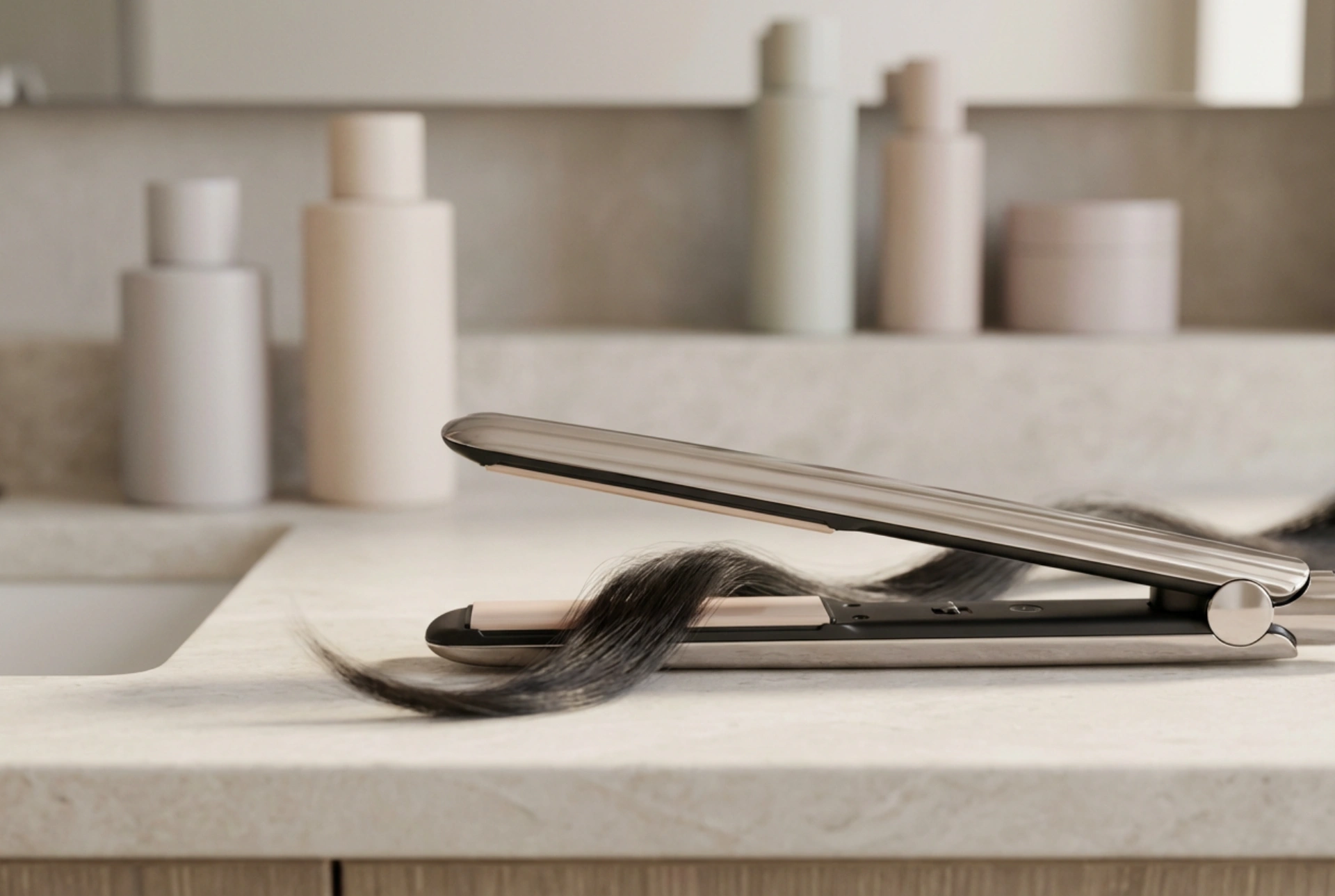


The hair straightener is one of the most versatile styling tools in any home beauty arsenal. Far from being a one-trick pony for achieving poker-straight hair, it can also create elegant waves, soft curls, and give your hairstyle a polished, frizz-free finish. However, using it correctly is key to achieving salon-quality results without compromising the health of your hair. Understanding how to choose the right model and master the proper technique will transform your styling routine.
How to Choose the Right Hair Straightener
The market is filled with options, but a few key features determine whether a straightener is right for you. Paying attention to these details will ensure you invest in a tool that works with your hair type, not against it.
Plate Material
The material of the styling plates is arguably the most important factor, as it directly affects heat distribution and how the tool interacts with your hair.
- Ceramic: A popular choice, ceramic plates provide even heat distribution, which helps prevent hot spots that can scorch hair. They glide smoothly and are ideal for fine, normal, or slightly damaged hair types.
- Tourmaline: These are often ceramic plates coated with tourmaline, a crystalline mineral. Tourmaline emits negative ions when heated, which counteract the positive ions in dry or damaged hair. This helps to seal the hair cuticle, reduce frizz, and boost shine. It's an excellent option for those with frizzy or prone-to-static hair.
- Titanium: Known for its durability and ability to heat up very quickly, titanium is a powerful conductor. It transfers heat efficiently and maintains a stable temperature. This material is best suited for very thick, coarse, or resistant hair. However, its high heat requires a careful and quick hand to avoid damage.
Plate Size and Shape
The size of the plates should be chosen based on your hair length and thickness.
- Narrow plates (around 2-3 cm): These are highly versatile. They work well on short hair and bangs, and their smaller size offers more control for creating curls and waves.
- Wide plates (4 cm and above): If you have very long or thick hair, wider plates can significantly speed up your styling time by allowing you to work with larger sections.
Adjustable Temperature Control
A non-negotiable feature is adjustable temperature control. One temperature does not fit all hair types. Using excessive heat is one of the quickest ways to cause damage. A good rule of thumb is to start at a lower setting and only increase it if necessary. For fine or colour-treated hair, a temperature below 180°C is often sufficient. Normal hair can be styled between 180°C and 200°C, while thick, coarse hair might require temperatures up to 210°C.
Preparing Your Hair for Heat Styling
Proper preparation is just as important as the styling itself. These steps will protect your hair and ensure a better, longer-lasting result.
1. Start with Dry Hair: Never use a straightener on wet or even damp hair. The sizzling sound is a sign of water boiling inside the hair cuticle, which causes extreme damage. Your hair must be 100% dry.
2. Apply a Heat Protectant: This is a crucial step. A quality heat protectant spray or cream creates a protective barrier between your hair and the hot plates, minimising moisture loss and reducing the risk of damage. Distribute it evenly from roots to ends.
3. Section Your Hair: Divide your hair into manageable sections using clips. Working with smaller sections ensures that heat is applied evenly and you won't have to go over the same piece multiple times. This method might seem slower, but it's more effective and safer for your hair.
A Step-by-Step Guide to Sleek Straightening
Once your hair is prepped, you're ready to style. Patience and a steady hand are your best friends here.
- Begin with a section of hair no wider than the plates of your straightener.
- Clamp the straightener gently near the roots, being careful not to touch your scalp.
- Glide the tool down the length of the hair shaft in one smooth, continuous motion. The speed should be moderate—not too fast to be ineffective, and not too slow to cause heat damage.
- One pass should be sufficient if your sections are small enough and the temperature is appropriate. Repassing repeatedly over the same strand is a common mistake that leads to damage.
- Allow each section to cool completely before brushing or touching it. This helps the hair cuticle to close and sets the style for a long-lasting, sleek finish.
Common Mistakes to Avoid
Steering clear of these common pitfalls will keep your hair healthy and your style looking flawless.
- Skipping Heat Protectant: We can't say it enough—this is the most important step for protecting your hair's integrity.
- Using the Highest Heat Setting: More heat doesn't mean a better style. It just means more potential for damage. Always start low and find the minimum effective temperature for your hair type.
- Styling on Unclean Hair: Using a straightener on hair with product build-up can cause the products to burn, leaving a residue on your plates and damaging your hair.
- Pressing Down Too Hard: The straightener should glide, not clamp and pull. Excessive pressure can cause breakage and create unwanted creases in the hair.
By choosing the right tool and following these simple but effective techniques, you can use your hair straightener to its full potential, creating beautiful styles while keeping your hair healthy, shiny, and strong.