

Very short hairstyles are a symbol of confidence and modern elegance. While often praised for being low-maintenance, the secret to a truly stunning short cut lies in the styling. Mastering a few key techniques can transform a simple pixie or crop into a statement look, allowing you to play with texture, shape, and finish. Whether you're aiming for a sleek, professional style or a playful, tousled effect, understanding how to use products and your hands is essential for bringing your cut to life.
Choosing the Right Styling Products for Short Hair
The foundation of great styling is selecting a product that matches your hair type and desired outcome. Unlike long hair, where products are often focused on smoothing frizz or creating waves, short hair styling is all about structure and definition. Here’s a breakdown of common options:
- Styling Creams: These are lightweight and perfect for adding soft definition and taming flyaways without heavy hold. They work well on fine to medium hair, providing a natural, touchable finish.
- Waxes and Pomades: Ideal for creating separation and a piece-y texture. Waxes offer a pliable hold and can range from matte to high-shine. Pomades, especially water-based ones, are great for sleeker styles and can be easily washed out. Use them sparingly to avoid a greasy look.
- Styling Clays: If you want a strong, matte hold with plenty of texture, clay is your best choice. It adds thickness and grit to the hair, making it perfect for messy, voluminous styles on all hair types, particularly fine hair that needs a boost.
- Gels: Modern gels offer varying levels of hold, from flexible to firm. They are excellent for creating sharp, defined looks or achieving a wet-look finish. Look for formulas that don't flake.
- Texturising Sprays: A quick spritz can add instant grit and body to your hair, creating an effortless, lived-in feel. They are a great starting point before applying other products or can be used alone for a light, airy texture.
Step-by-Step Guide to Styling Short Hair
Once you have your product, the application technique is what makes all the difference. For most textured looks, it's best to work with completely dry hair, as this allows you to see how the shape is forming.
Step 1: Preparation. Start with clean, dry hair. If you need extra volume, you can blow-dry your hair using your fingers to lift the roots. If you plan to use heat, always apply a heat protectant spray first.
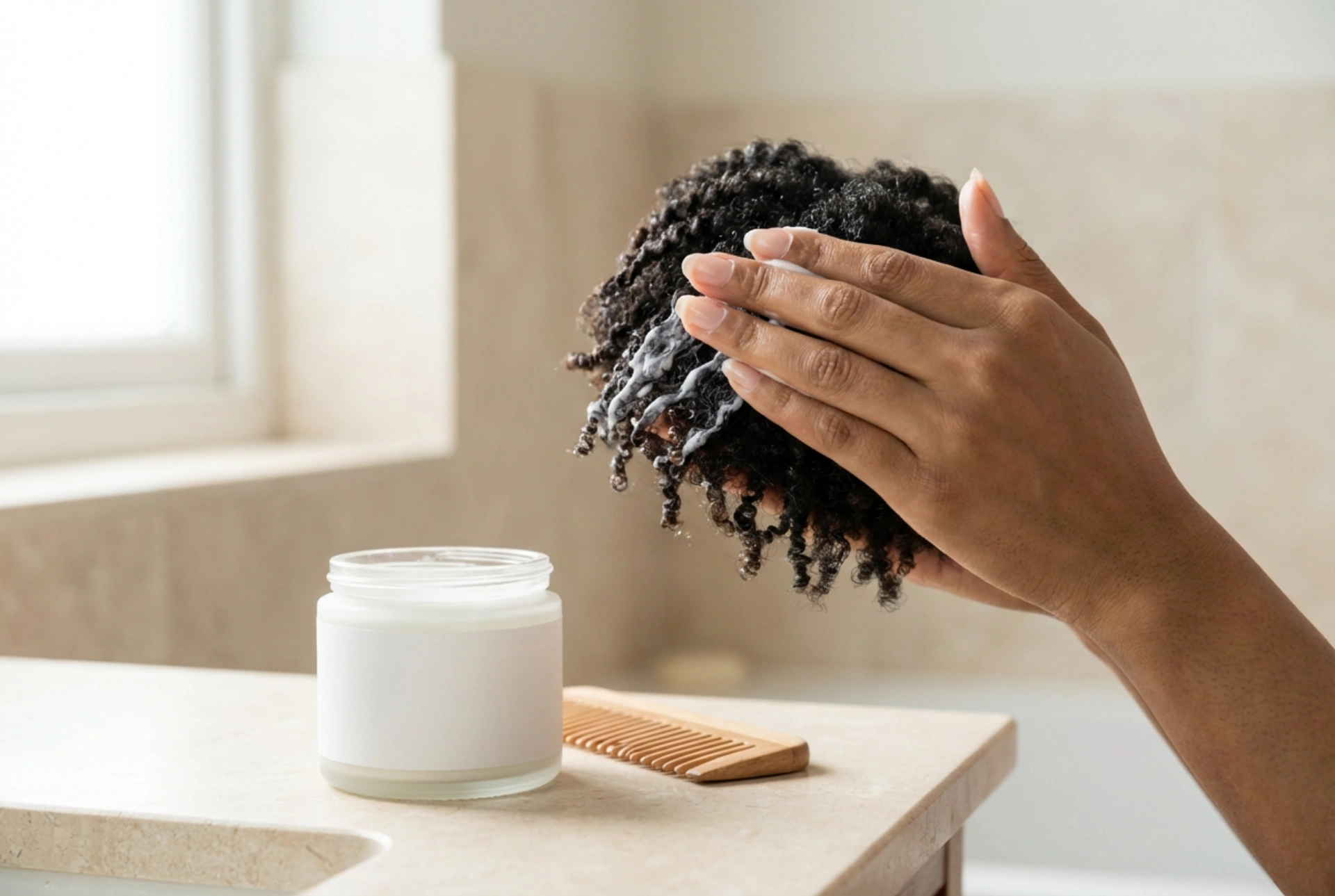
Step 2: Product Application. Take a small, pea-sized amount of your chosen product (cream, wax, clay, or pomade). Rub it vigorously between your palms and fingers until it's warm and evenly distributed. This is a crucial step to prevent clumps and ensure even coverage.
Step 3: Building Shape and Texture. Begin applying the product from the back of your head, working your way forward. Rake your fingers through your hair, starting near the roots to build volume and then focusing on the mid-lengths and ends to create texture. Twist, pinch, and separate small sections to define the style and direct the hair where you want it to go.
Step 4: Refining the Details. Pay attention to the hairline and fringe area. Use the remaining product on your fingertips to gently style these sections. You can smooth down the sides for a neater look or pull out a few pieces around your face to frame it softly. For a tousled look, use your fingers to mess up the top section slightly.
Achieving Your Desired Finish
Short hair is incredibly versatile. With the same cut, you can create multiple looks just by changing your styling technique.
The Effortlessly Textured Look
This is the classic, chic "I woke up like this" style. Use a matte-finish product like a styling clay or wax. Apply it to dry hair and use your fingers to scrunch and tousle the hair in different directions. The key is imperfection; don't try to make it too neat. Let some pieces fall naturally.
The Sleek and Polished Finish
For a more formal or professional appearance, aim for a sleek look. Apply a small amount of a smoothing cream or a light-hold pomade to slightly damp hair. Use a fine-tooth comb to style your hair into place while blow-drying with a nozzle attachment for control. A light mist of finishing spray can help tame any final flyaways.
Maximising Volume
If your short hair tends to fall flat, focus on creating lift at the root. Apply a volumising mousse or root-lift spray to damp hair before blow-drying. As you dry, use your fingers to pull the hair directly up and away from the scalp. Once dry, you can work a small amount of texturising clay into the roots for extra support and lasting body.
Common Styling Mistakes and How to Avoid Them
Getting your short hair styling just right can involve some trial and error. Here are a few common pitfalls to watch out for:
- Using Too Much Product: This is the most frequent mistake. It weighs the hair down, making it look greasy and lifeless. Always start with a very small amount and add more only if necessary.
- Applying Product Unevenly: Focusing the product on just one area (like the top) can create an unbalanced look. Remember to warm it in your hands and distribute it evenly from back to front.
- Forgetting the Roots: Styling only the ends can leave the hair flat at the scalp. For volume and a cohesive style, make sure to work some product in near the roots.
- Choosing the Wrong Product: A heavy wax on very fine hair will be disastrous, while a light cream won't do much for thick, coarse hair. Experiment with different product types to find what gives you the best results for your hair type and cut.
- Overworking the Hair: Sometimes, less is more. Once you've achieved a shape you're happy with, stop touching it. Over-styling can cause the product to break down and the style to collapse.