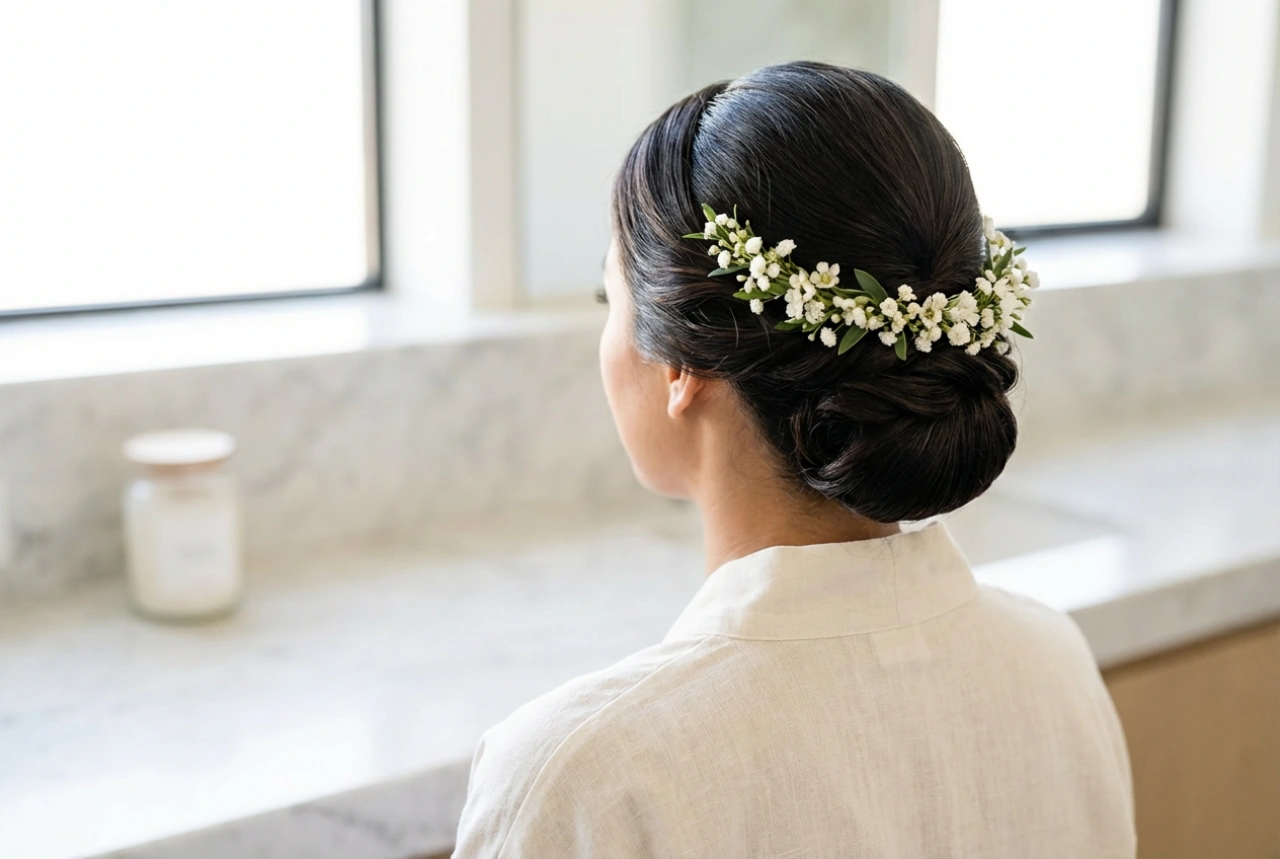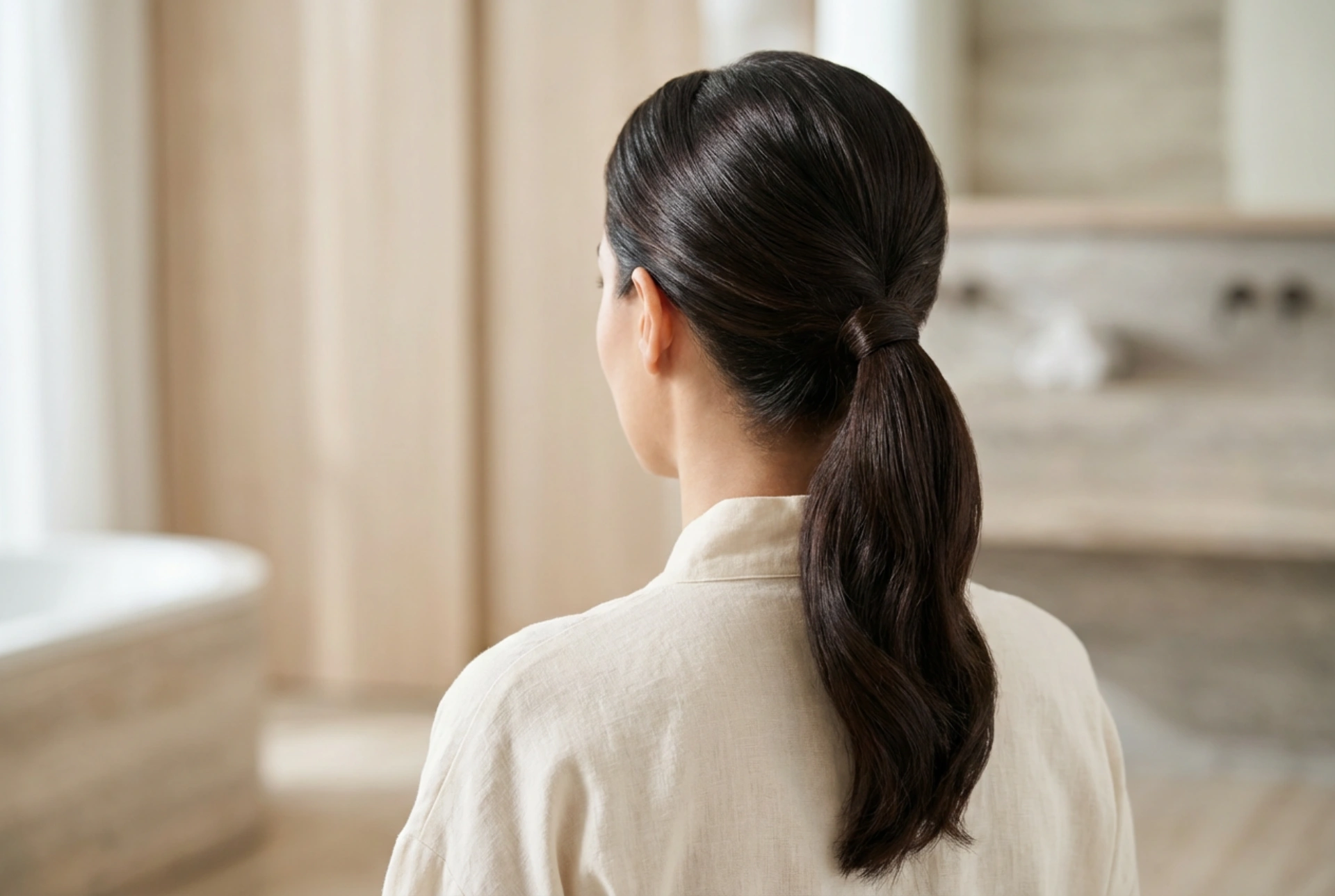


The ponytail is a timeless classic, a hairstyle that effortlessly transitions from a casual day look to an elegant evening statement. But achieving that polished, 'put-together' ponytail often seen in magazines—with perfect volume at the crown and a flawlessly smooth tail—can feel elusive. It's not about simply gathering your hair; it's about technique. This guide will walk you through the steps to master a sophisticated ponytail, whether you prefer it high and powerful or low and chic.
High vs. Low: Choosing Your Ponytail Style
The placement of your ponytail can dramatically alter your overall look. Understanding the difference between a high and low ponytail helps you choose the best style for the occasion and your features.
- The High Ponytail: Positioned at or above the crown of your head, a high ponytail is energetic and youthful. It creates a visual 'lift' for the face, drawing the eye upwards and accentuating cheekbones. This style is perfect for making a statement, whether for a night out or simply to add a touch of drama to your everyday look. It pairs well with bold makeup and striking outfits.
- The Low Ponytail: Secured at the nape of the neck, a low ponytail exudes sophistication and understated elegance. It's a chic and minimalist choice that is ideal for professional settings, formal events, or anytime you want a polished and refined appearance. A low ponytail can be centred or swept slightly to one side for a softer, more romantic feel.
While there are no strict rules, a high ponytail can help elongate a rounder face shape, while a low ponytail beautifully complements an oval or long face shape by creating balance.
A Step-by-Step Guide to the Perfect Voluminous Ponytail
Achieving a flawless ponytail requires a few key steps focusing on preparation, volume creation, and smoothing. Follow this method for a result that looks both effortless and expertly styled.
Step 1: Prepare Your Hair
Begin with completely dry hair. This style works best on second-day hair, as the natural oils provide some grip. If your hair is freshly washed and too silky, you can apply a suitable styling product designed to add texture. Brush your hair thoroughly to remove any tangles before you begin styling.
Step 2: Build Volume at the Crown
This is the secret to avoiding a flat, lifeless ponytail. Isolate a section of hair at the top of your head, from your hairline back to the crown. Lift this section and, working from the underside, gently backcomb the roots. Use a fine-tooth comb and make short, downward strokes towards the scalp. Focus on teasing only the first few inches of hair at the root, not the entire length. Repeat this on a few small sub-sections for even volume.
Step 3: Smooth the Surface
Once you've created your cushion of volume, gently release the top section of hair. Use a soft bristle brush or your fingertips to lightly smooth the very top layer of hair over the backcombed area. The goal is to hide the teased texture while maintaining the lift, creating a smooth, elegant bump.
Step 4: Gather and Secure
Tilt your head back slightly. This helps to keep the hair at the nape of your neck taut and prevents sagging. Using your brush, begin to gather all of your hair into your desired position—high or low. Brush the sides and back smoothly to eliminate any bumps. Once you are happy with the placement and smoothness, secure the ponytail firmly with a hair-friendly elastic, such as one covered in fabric or a spiral tie, to prevent breakage.
Step 5: Add the Finishing Touches
For an elevated look, conceal the hair elastic. Take a small, thin strand of hair from the underside of your ponytail. Wrap it around the base, covering the elastic completely. Tuck the end of the strand into the elastic or secure it discreetly underneath the ponytail with a bobby pin. To tame any persistent flyaways around your hairline, you can lightly mist a clean spoolie or an old toothbrush with a flexible-hold hairspray and gently brush them into place.
Common Mistakes to Avoid for a Flawless Finish
Even with the right steps, a few common pitfalls can compromise your look. Here’s what to watch out for:
- Visible Teasing: The point of backcombing is to create a hidden foundation of volume. Ensure you leave the top layer of your hair smooth and untouched by the teasing comb.
- Bumps and Lumps: Rushing the gathering process is the main cause of bumps. Use a good brush and work slowly, smoothing each section as you bring it into the ponytail.
- A Drooping High Ponytail: If your high ponytail tends to fall flat, try the double-elastic trick for extra support. Alternatively, after securing your ponytail, insert two bobby pins vertically into the underside of the elastic, pointing towards the crown. This props the ponytail up and gives it more life.
- Causing Hair Damage: Avoid elastics with metal clasps, as they can snag and break hair. Furthermore, wearing a very tight ponytail in the same spot every day can cause tension and lead to breakage. Vary your ponytail’s position and give your hair regular breaks from tight styles.