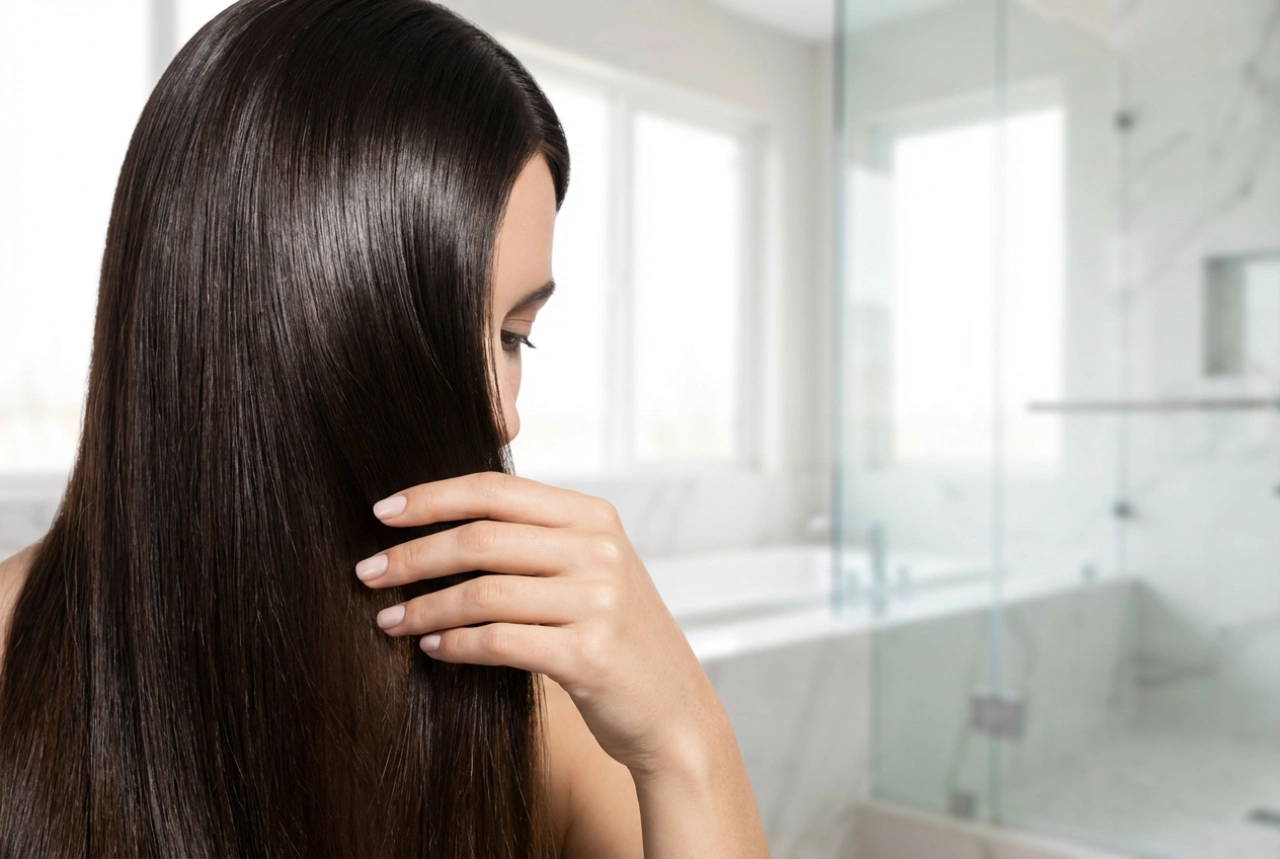


A straightening brush is a game-changer for anyone seeking smooth, polished hair without the time commitment of traditional styling tools. It combines the simplicity of a brush with the heat of a styler, offering a quick and effective way to tame frizz and add a touch of volume. It is the ideal solution for busy mornings or for achieving a more natural, 'effortlessly done' look compared to the pin-straight finish of flat irons.
Understanding the Straightening Brush and Its Benefits
Unlike a traditional flat iron that presses hair between two hot plates, a straightening brush features heated bristles. As you glide it through your hair, these bristles distribute heat evenly, smoothing the hair cuticles and reducing frizz. The design allows you to work through larger sections of hair at once, significantly cutting down on styling time. This method is generally gentler, as the hair isn't clamped under intense, direct pressure, which helps to preserve natural volume, especially at the roots. The result is not poker-straight, but rather naturally smooth and healthy-looking hair with body and movement.
How to Use a Straightening Brush for Flawless Results
To get the most out of your tool and protect your hair, follow a few simple steps. Correct preparation and technique are key to achieving a smooth, lasting style that looks polished and feels soft.
Step 1: Start with Dry, Protected Hair
This is the most important rule: never use a heated straightening brush on wet or even damp hair. Ensure your hair is 100% dry to prevent steam damage from boiling water inside the hair strand. Before styling, lightly mist your hair with a heat protectant spray from roots to ends. This creates a protective barrier against the heat. Finally, use a regular comb or paddle brush to remove any tangles, ensuring the straightening brush can glide through smoothly.
Step 2: Section Your Hair
For even heat distribution and the best results, do not just brush randomly. Divide your hair into manageable sections using clips. The number of sections will depend on your hair's thickness. Working section by section ensures that every strand gets heated evenly, giving you a consistent finish and preventing the need for multiple passes over the same area.
Step 3: Master the Technique
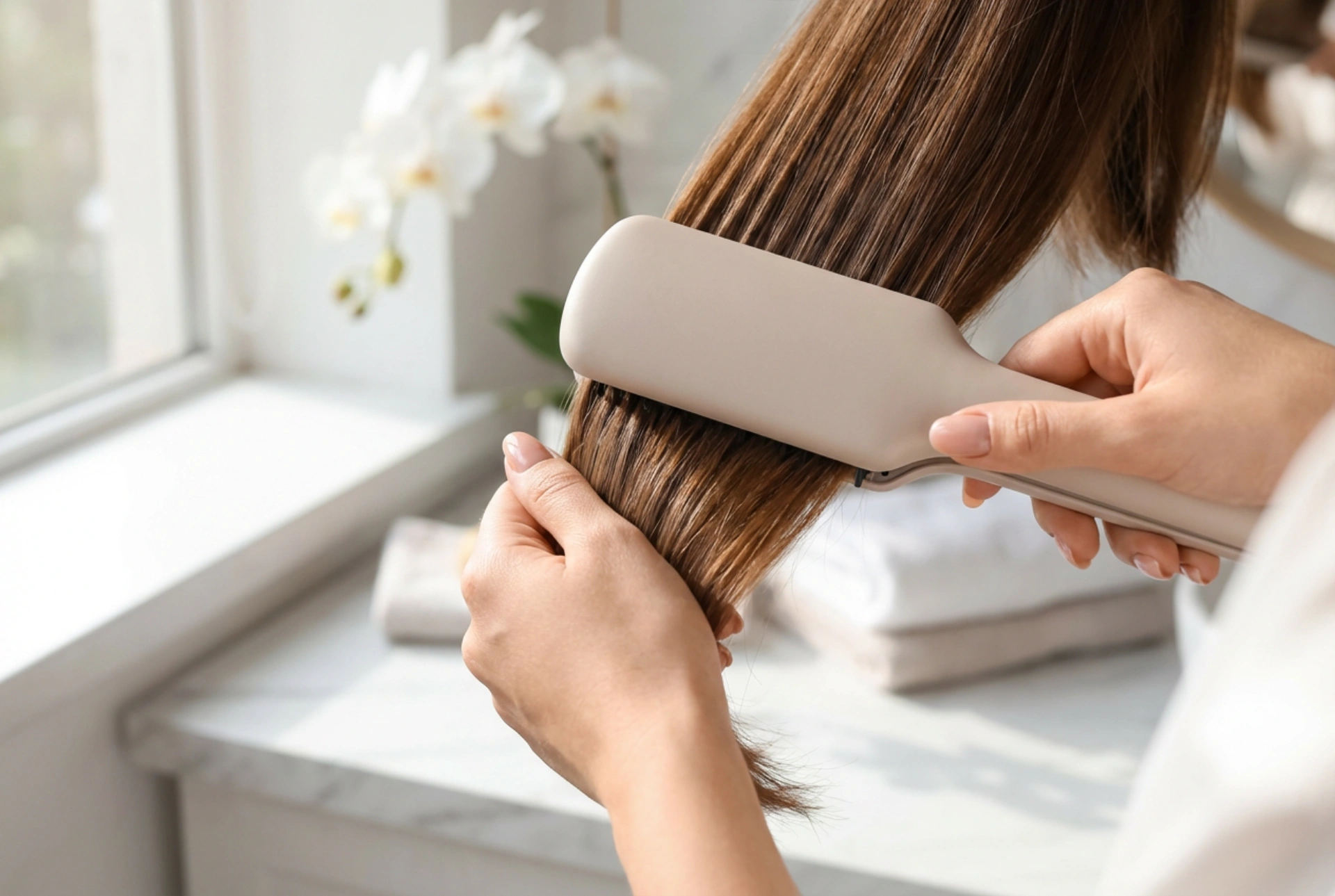
Set the brush to a temperature appropriate for your hair type—lower heat for fine or delicate hair, and medium to higher heat for thicker or coarser textures. Take one section of hair and hold it taut at the ends. Place the straightening brush close to the roots and glide it slowly down the length of the hair to the tips. For extra volume at the crown, place the brush underneath the section at the root and lift upwards as you glide downwards. To create a soft inward or outward curve at the ends, simply rotate your wrist in the desired direction as you reach the bottom of the section.
Step 4: Cool and Set Your Style
Once you have styled all sections, allow your hair to cool down completely before touching it too much. This helps to 'set' the style, making it last longer. You can use the cool shot setting on your hairdryer to speed up this process. If you wish, you can finish with a light-hold hairspray for longevity or a small amount of anti-frizz serum on the ends for extra shine.
Common Mistakes to Avoid for Healthy Hair
While a straightening brush is user-friendly, a few common errors can compromise your results and your hair's health. Avoiding them will ensure you get a beautiful finish every time.
- Using it on wet hair: This is the most damaging mistake. The intense heat on wet hair can cause irreversible damage. Always ensure your hair is bone dry.
- Skipping heat protectant: This product is non-negotiable. It is essential for creating a barrier that shields your hair from heat and prevents moisture loss.
- Setting the temperature too high: More heat does not always mean better results. Start with a lower temperature and only increase it if necessary. Excessive heat can weaken hair over time.
- Moving too quickly: Gliding the brush too fast will not give the heat enough time to work, forcing you to make multiple passes. A slow, steady motion is far more effective and gentler on your hair.
- Forgetting to clean the tool: Product buildup, dust, and hair can accumulate on the bristles. Wipe down your cooled brush regularly to ensure it performs optimally and hygienically.