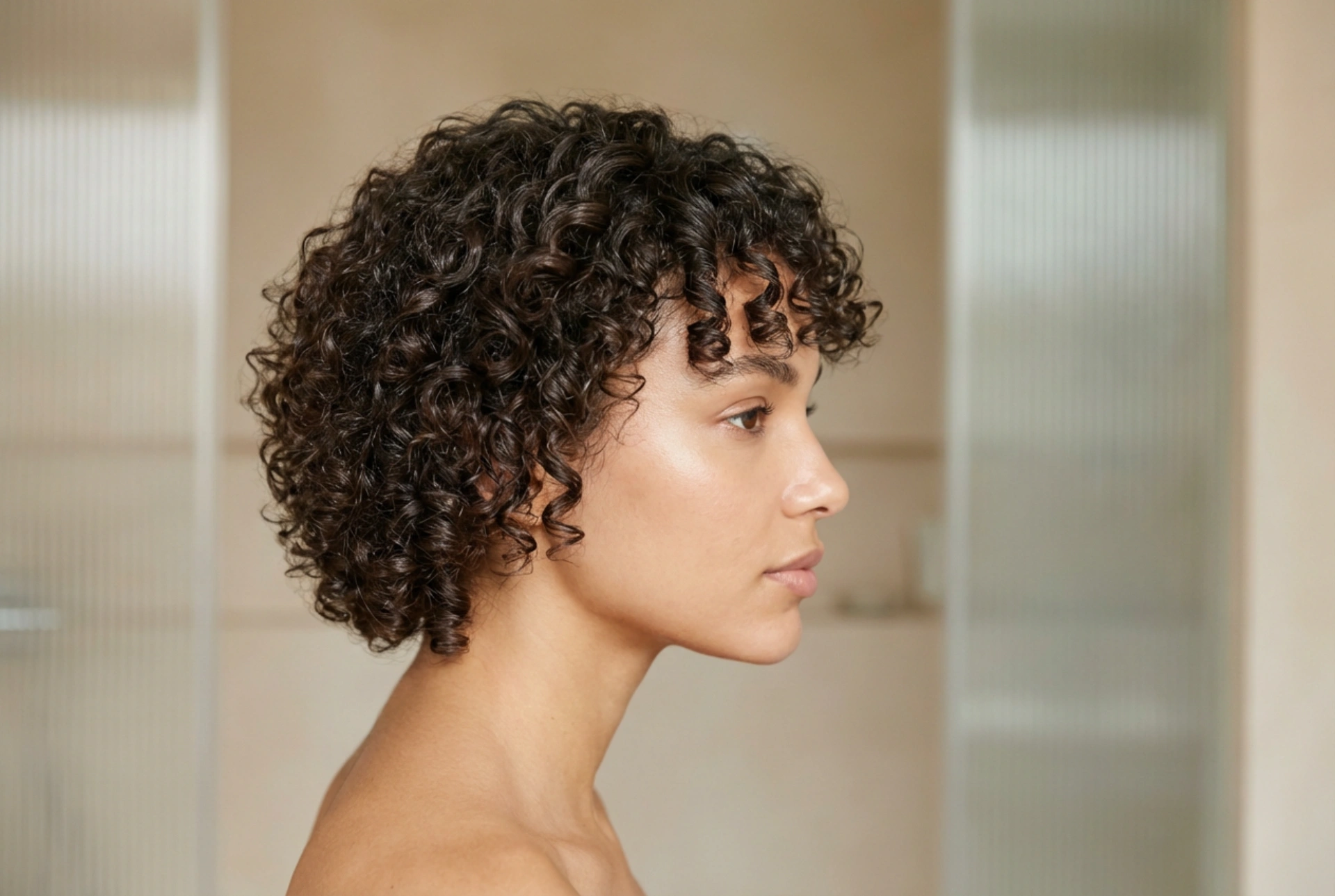


Short curly hair is wonderfully expressive and stylish, but it comes with its own unique set of challenges. One of the most common frustrations is frizz, which can obscure the beauty of your natural curl pattern. The key to achieving defined, bouncy, and frizz-free short curls isn't about fighting your hair's texture, but rather understanding its needs. With the right techniques for washing, conditioning, and styling, you can unlock your hair's full potential and enjoy consistently beautiful results.
Understanding the Causes of Frizz
Before diving into styling, it's helpful to know what causes frizz. Frizz occurs when the outer layer of the hair shaft, known as the cuticle, lifts up. This allows moisture from the air to penetrate the hair strand, causing it to swell and create that fuzzy, undefined appearance. Curly hair is naturally more prone to dryness because the natural oils from the scalp have a harder time travelling down the twists and turns of the hair shaft. This dryness leads to a raised cuticle, making frizz a constant battle. For short hair, factors like frequent touching, friction from pillows, and less weight to pull the curls down can further contribute to frizz.
The Foundation: Your Washing and Conditioning Routine
A great hairstyle starts in the shower. The goal is to infuse your hair with as much moisture as possible to keep the cuticles smooth and sealed.
Gentle Cleansing
Avoid harsh cleansers that strip your hair of its natural oils. Opt for mild, hydrating shampoos and focus the product primarily on your scalp, where oil and build-up accumulate. Let the suds run down the lengths of your hair as you rinse, which is often enough to clean them without causing dryness. Some people with very dry curls find success with 'co-washing', which means washing the hair with only conditioner.
Maximise Moisture with Conditioner
Conditioner is your best friend in the fight against frizz. Be generous with it, ensuring every strand is coated. To help your hair absorb it, you can try the 'squish to condish' method: while rinsing, cup water in your hands and gently scrunch it upwards into your hair. You'll hear a squishing sound as the hair and water mix with the conditioner, helping to form defined curl clumps. For many curl types, it's beneficial not to rinse the conditioner out completely, leaving a small amount in to provide extra softness and frizz control.
Drying with Care
A standard terrycloth towel is one of the biggest culprits for causing frizz. The rough texture disrupts your curl pattern and roughs up the cuticle. Instead, after rinsing, gently squeeze excess water out of your hair. Then, use a soft cotton t-shirt or a microfibre towel to 'plop' your hair. Lay the fabric on a flat surface, flip your hair forward onto it, then wrap the fabric around your head like a turban. Plopping absorbs excess water without friction and helps encourage curl definition from the root.
Styling Techniques for Definition and Hold
How and when you apply your styling products is crucial for a frizz-free finish. The goal is to lock in the moisture you've worked so hard to add.
Apply Products to Soaking Wet Hair
For the best results, apply your styling products—whether a cream, gel, or mousse—while your hair is still very wet, right after you've squeezed out the excess water. This helps trap the water in the hair shaft, ensuring maximum hydration and helping your products distribute evenly. Applying products to damp or semi-dry hair can often lead to a frizzy, uneven result.
Choosing an Application Method
There are several effective ways to apply products to encourage curl clumps:
- Raking: Use your fingers like a rake to distribute the product through your hair from root to tip.
- Praying Hands: Rub the product between your palms, then glide your hands down sections of your hair with your palms pressed together. This smooths the cuticle and helps form larger curl families.
- Scrunching: After applying the product, gently scrunch your hair upwards towards the scalp. This helps to encourage your natural curl pattern to form.
Drying Your Styled Hair
Once your product is in, the most important rule is: do not touch your hair while it dries! Touching it will disrupt the curl clumps as they set and create frizz. You can either air-dry or use a diffuser. If you choose to diffuse, use a low heat and low speed setting to minimise disturbance. You can start by 'hover diffusing'—holding the diffuser several inches away from your hair and moving it around your head until a cast (a slightly crispy feeling from the styling products) begins to form. Once the cast is set, you can switch to 'pixie diffusing' by gathering sections of your hair into the diffuser bowl and holding it against your scalp for a minute or two to enhance root lift and definition.
Common Mistakes to Avoid
If you're still struggling with frizz, you might be making one of these common mistakes:
- Dry Brushing or Combing: Never brush or comb curly hair when it's dry. This will break up your curl clumps and instantly create a cloud of frizz. Only detangle your hair when it's wet and saturated with conditioner.
- Using the Wrong Towel: As mentioned, stick to microfibre towels or cotton t-shirts to avoid friction.
- Not Using Enough Product: Short hair still needs an adequate amount of product to coat every strand. If your hair is frizzy when dry, you may need to use more product than you think.
- Sleeping on a Cotton Pillowcase: Cotton absorbs moisture from your hair and causes friction overnight. Switching to a satin or silk pillowcase can make a huge difference in preserving your curls and reducing morning frizz.