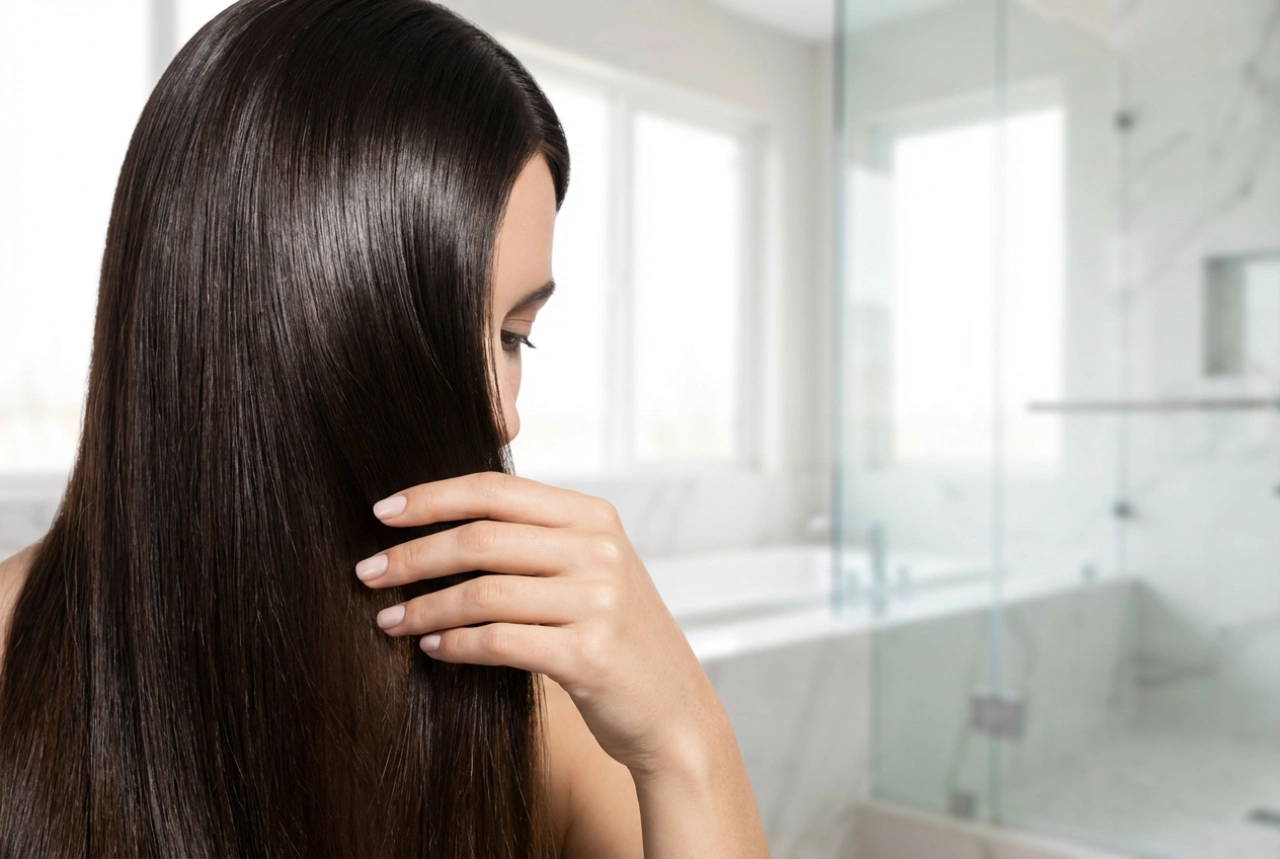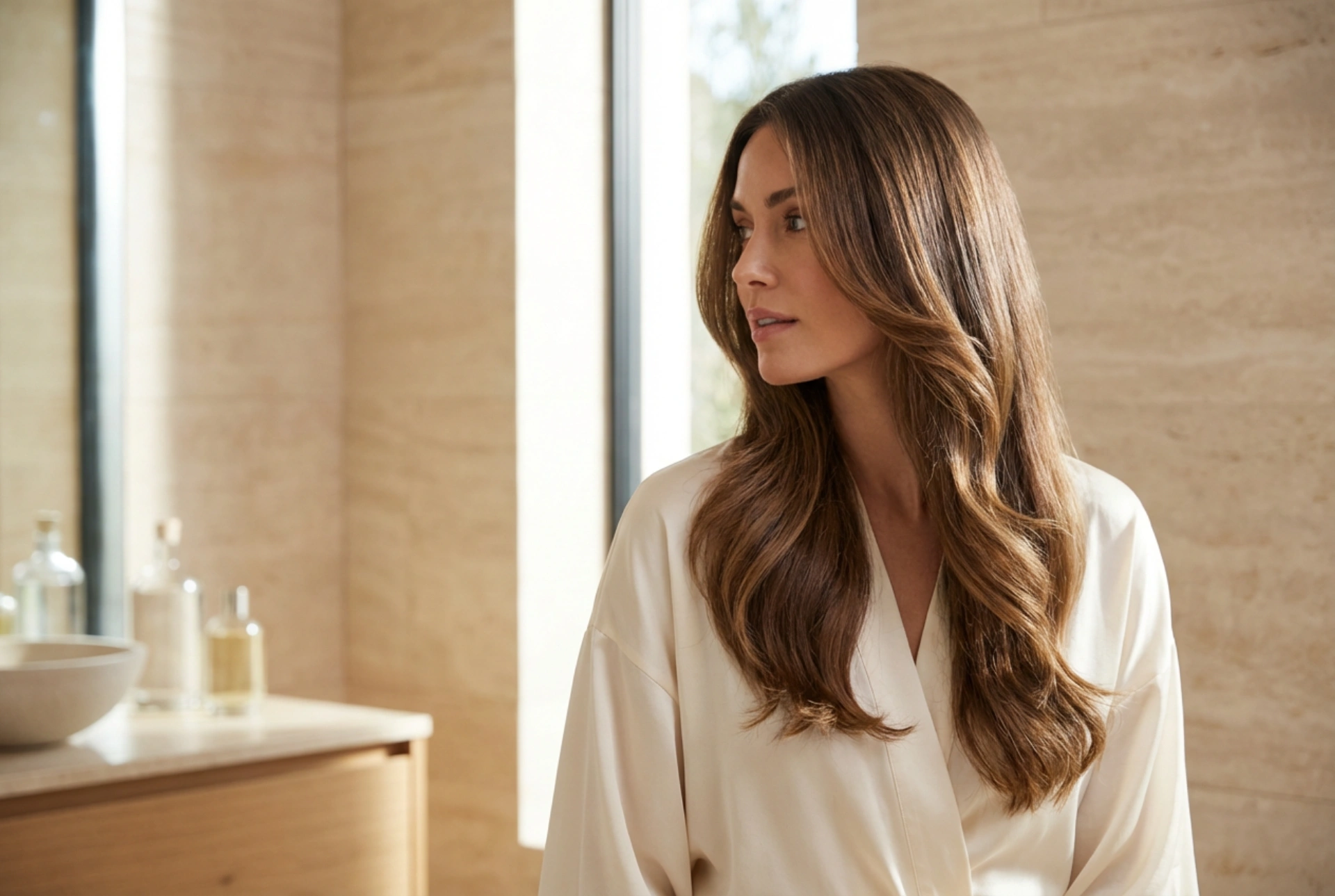


Long, layered hair is the epitome of effortless elegance. Its cascading texture creates beautiful movement, adds volume, and frames the face with a soft, flattering effect. However, the very features that make layers so desirable—the variation in length and texture—can also make them prone to frizz and flyaways. Achieving that polished, salon-fresh look at home isn't about fighting your hair's natural texture, but understanding how to care for it and style it in a way that enhances its best qualities. With the right routine, you can enjoy all the benefits of a layered cut, complete with shine, softness, and beautiful, fluid movement.
The Allure of Long, Layered Hair
Layers are a versatile cutting technique that can transform long hair from heavy and flat to light and dynamic. By strategically cutting hair into different lengths, a stylist can remove excess weight, which allows the hair to move more freely. This is especially beneficial for those with thick hair that can feel bulky, or for those with fine hair who want to create the illusion of more volume and body. The shorter pieces blend seamlessly with the longer ones, creating a fluid silhouette that looks great whether your hair is straight, wavy, or curly. The key to making layers look their best is ensuring the hair is healthy and hydrated, as this allows the cuticle of each strand to lie flat, reflecting light and preventing frizz.
A Foundation of Care: Your Routine for Smoothness
A beautiful style starts with a healthy foundation. For layered hair, the primary goal is to provide ample hydration to keep the cuticles smooth and prevent the ends from looking dry or frizzy. A consistent care routine is non-negotiable.
1. Gentle, Hydrating Cleansing: Start your routine with a moisturising shampoo and conditioner. Look for formulas designed to hydrate and smooth without weighing the hair down. When shampooing, focus the product on your scalp where oils accumulate. As you rinse, let the lather run down the lengths of your hair to gently cleanse them. Follow up immediately with conditioner, concentrating it on the mid-lengths and ends. These are the oldest and driest parts of your hair and need the most moisture. Let the conditioner sit for a few minutes before rinsing thoroughly with lukewarm water, as hot water can strip natural oils and encourage the cuticle to lift, leading to frizz.
2. The Power of a Weekly Treatment: Once a week, swap your regular conditioner for a deep-conditioning mask or treatment. This step is crucial for replenishing moisture that is lost through daily styling and environmental exposure. Apply the mask generously to clean, damp hair, focusing on the ends. You can wrap your hair in a warm towel for 10-15 minutes to help the product penetrate more deeply before rinsing.
3. Careful Drying: How you dry your hair is just as important as how you wash it. Vigorous rubbing with a coarse cotton towel is one of the biggest causes of frizz and breakage. Instead, gently squeeze excess water out of your hair and then pat it dry with a soft microfibre towel or even an old cotton T-shirt. This minimises friction and helps keep the hair cuticle smooth from the start.
Styling for Shine and Movement
With a well-hydrated base, styling becomes much easier. The goal is to enhance the shape of your layers while ensuring a sleek, polished finish.
- Always Start with Heat Protection: Before any heat tool touches your hair, applying a heat protectant is essential. It creates a barrier between your hair and the heat, preventing damage that leads to dryness, breakage, and frizz. Mist it evenly through damp hair from roots to ends.
- Master the Blow-Dry: A great blow-dry is the secret to making layers pop. Always attach the concentrator nozzle to your hairdryer; this directs the airflow, giving you more control and a smoother result. Work in sections, starting from the bottom layers and moving up. Use a round brush to grip the hair, pulling it taut as you direct the airflow down the hair shaft (from root to tip). As you reach the ends, slightly roll the brush inwards or outwards to give the layers a soft, defined shape.
- The Cool Shot is Your Best Friend: Once a section is dry, finish it with a blast of cool air from your hairdryer. This 'cool shot' helps to seal the hair cuticle, locking in shine and setting the style in place for a longer-lasting, smoother finish.
- Finishing Touches: To tame any remaining flyaways and add a final touch of gloss, use a lightweight finishing product. A couple of drops of a smoothing serum or hair oil, warmed between your palms and lightly grazed over the mid-lengths and ends, will add shine and definition without weighing the hair down. If you need hold, opt for a flexible-hold hairspray that allows for natural movement.
Common Pitfalls to Avoid with Layered Hair
Sometimes, what you don't do is as important as what you do. Avoiding these common mistakes will help keep your layered hair looking its best.
Over-washing: Washing your hair too frequently can strip it of the natural oils that keep it moisturised and protected. Try to find a schedule that works for you, whether it's every other day or a few times a week.
Aggressive Brushing When Wet: Hair is at its most fragile when it's wet. Instead of a brush, use a wide-tooth comb to gently detangle, starting from the ends and gradually working your way up to the roots to prevent breakage.
Using Too Much Product: While serums and oils are great for shine, using too much can make your hair look greasy and weigh down your layers, defeating the purpose of the lightweight cut.
Skipping Regular Trims: Layered styles require maintenance to keep their shape. Regular trims every 8-12 weeks will remove split ends and ensure your layers remain defined and healthy-looking.