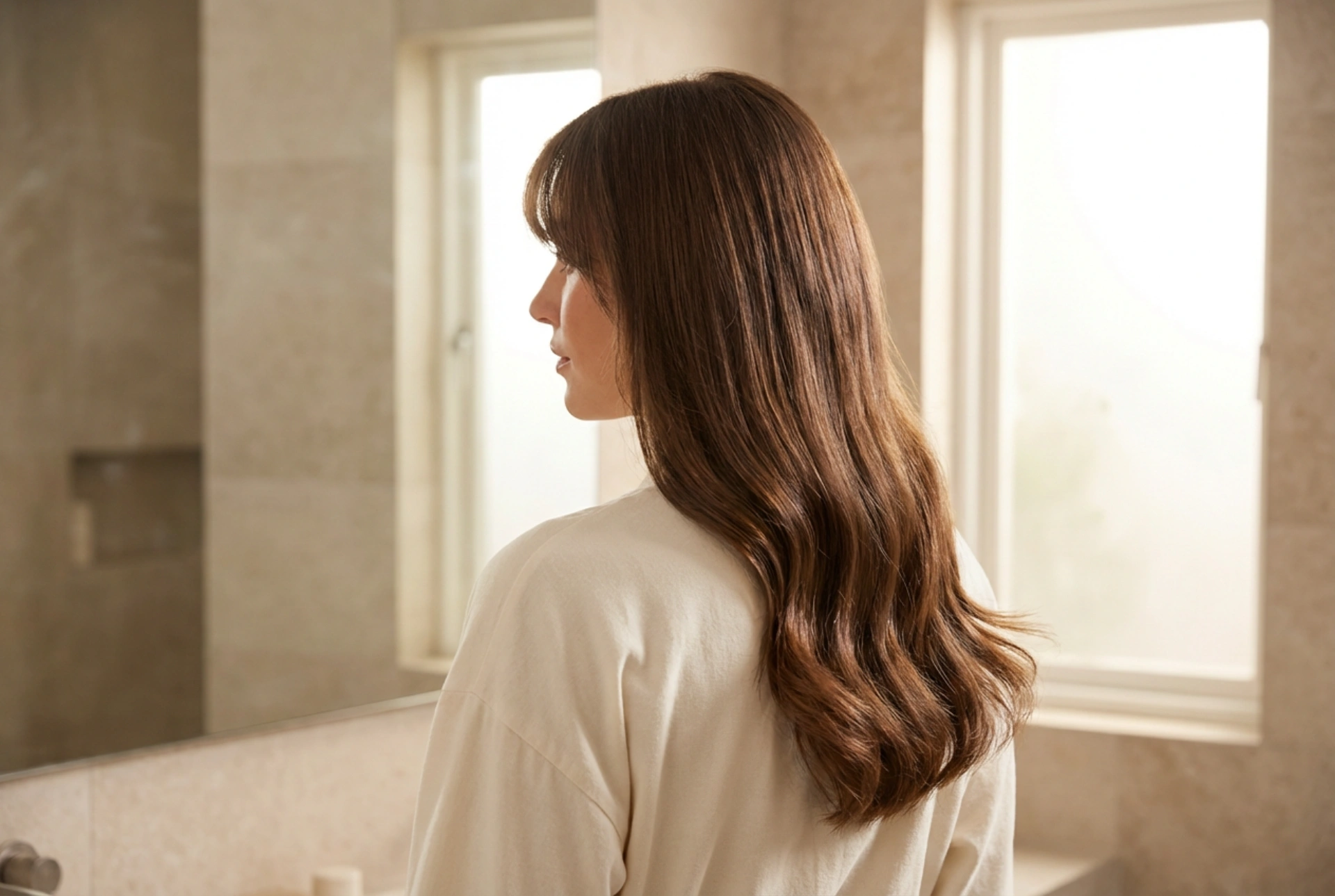


A fringe has the remarkable ability to completely redefine a hairstyle, adding personality and framing the face in a way that few other changes can. When paired with long hair, it creates a beautiful contrast between the sharp line of the fringe and the soft length of the tresses. While adding a fringe might seem like a small alteration, it's a commitment that requires a little extra daily attention. However, with the right knowledge of styles, styling techniques, and maintenance, managing a fringe can become an effortless part of your routine, rewarding you with a chic and polished look every day.
Finding Your Perfect Fringe Style
The first step to a successful fringe is choosing a cut that complements not only your face shape but also your hair type and lifestyle. While a professional stylist is your best guide, understanding the options can help you make an informed decision. Here are some of the most popular fringe styles for long hair:
- The Full, Blunt Fringe: This classic, straight-across fringe makes a bold statement. It works wonderfully to shorten the appearance of longer face shapes and draw attention to the eyes. It requires dense hair to look its best and needs regular trims to maintain its sharp line.
- The Side-Swept Fringe: A highly versatile and softer option, the side-swept fringe is cut on an angle and blended into the rest of the hair. It's particularly flattering for round or square face shapes as it creates diagonal lines that soften facial features. It’s also a great 'starter fringe' as it’s easier to grow out.
- The Curtain Fringe: Made famous in the '70s and now back in full force, the curtain fringe is parted down the middle and swept to each side. It's incredibly flattering for almost all face shapes, as it frames the face beautifully and highlights the cheekbones. It’s a lower-maintenance option that blends seamlessly into long hair as it grows.
- The Wispy Fringe: For those with finer hair or who prefer a more delicate look, a wispy, feathered fringe is an ideal choice. It's less dense than a blunt fringe, allowing some of the forehead to show through. This style is soft, subtle, and adds texture without feeling too heavy.
The Art of Daily Styling
Styling a fringe doesn't have to be a time-consuming battle. Once you master a few key techniques, you can achieve a flawless look in minutes. The secret lies in styling it while it's still wet, as a fringe tends to dry quickly and set in its own way.
Essential Tools and Preparation
You only need a few basic items: a hairdryer with a concentrator nozzle, a medium-sized round brush, and a heat protectant spray. Always start by applying a light mist of heat protectant to your damp fringe to shield it from potential damage.
Step-by-Step Styling Technique
- Control the Roots: The first and most crucial step is to tackle any cowlicks or unruly roots. Using your hairdryer on a medium heat setting, aim the airflow downwards from the roots. Use your fingers to brush the fringe from left to right, and then right to left, repeatedly. This 'wrap drying' technique neutralises the root direction and encourages the fringe to lie flat and straight.
- Create Shape with a Round Brush: Once the roots are about 80% dry and lying flat, switch to your round brush. Place the brush underneath your fringe at the roots and aim the hairdryer's nozzle down over the top of the brush. Gently pull the brush through to the ends, slightly turning it under to create a soft, bevelled curve. This prevents the fringe from looking too flat or sticking straight out. For a curtain fringe, you would pull the brush upwards and backwards on each side to create that signature flick.
- The Finishing Touch: If needed, you can do a quick pass with a hair straightener on a low heat setting for extra smoothness, but be careful not to make it too flat. A light mist of flexible-hold hairspray will keep it in place without making it stiff.
Keeping Your Fringe Fresh: Hold and Maintenance
A well-styled fringe is one thing, but keeping it looking good all day is another. Fringes are prone to getting oily faster than the rest of your hair due to their contact with the forehead. Regular maintenance is also key to preserving the shape.
Managing Oil and Adding Texture
Dry shampoo will become your fringe's best friend. A small spritz at the roots can instantly absorb excess oil, add a touch of volume, and refresh your style between washes. When applying, lift your fringe and spray from underneath, then gently work it in with your fingertips. Avoid applying heavy serums or oils directly to your fringe, as this will weigh it down and make it look greasy.
The Importance of Regular Trims
A fringe grows out quickly, and its shape can be lost in a matter of weeks. To keep it looking sharp and out of your eyes, plan for a trim every 3-6 weeks, depending on your hair's growth rate and the style of your fringe. A blunt fringe will require more frequent trims than a softer, longer style like a curtain fringe. While it can be tempting to trim it yourself, it's often best left to a professional to avoid any mishaps.
Embracing a fringe with long hair is a stylish choice that adds instant polish and character. With the right cut and a simple styling routine, you can easily maintain a beautiful fringe that perfectly complements your look and makes you feel put-together every single day.