

In the world of skincare, cleansers have evolved far beyond a simple bar of soap. Modern routines often feature an array of products, from gentle cleansing oils to classic micellar waters, each with a specific purpose. A particularly interesting hybrid that has gained popularity is two-phase micellar water. Combining the properties of both oil and water-based cleansers, it promises to tackle even the most stubborn makeup. But how does it really work, can it replace other products in your cabinet, and what is the correct way to use it for optimal skin health?
What Exactly is Two-Phase Micellar Water?
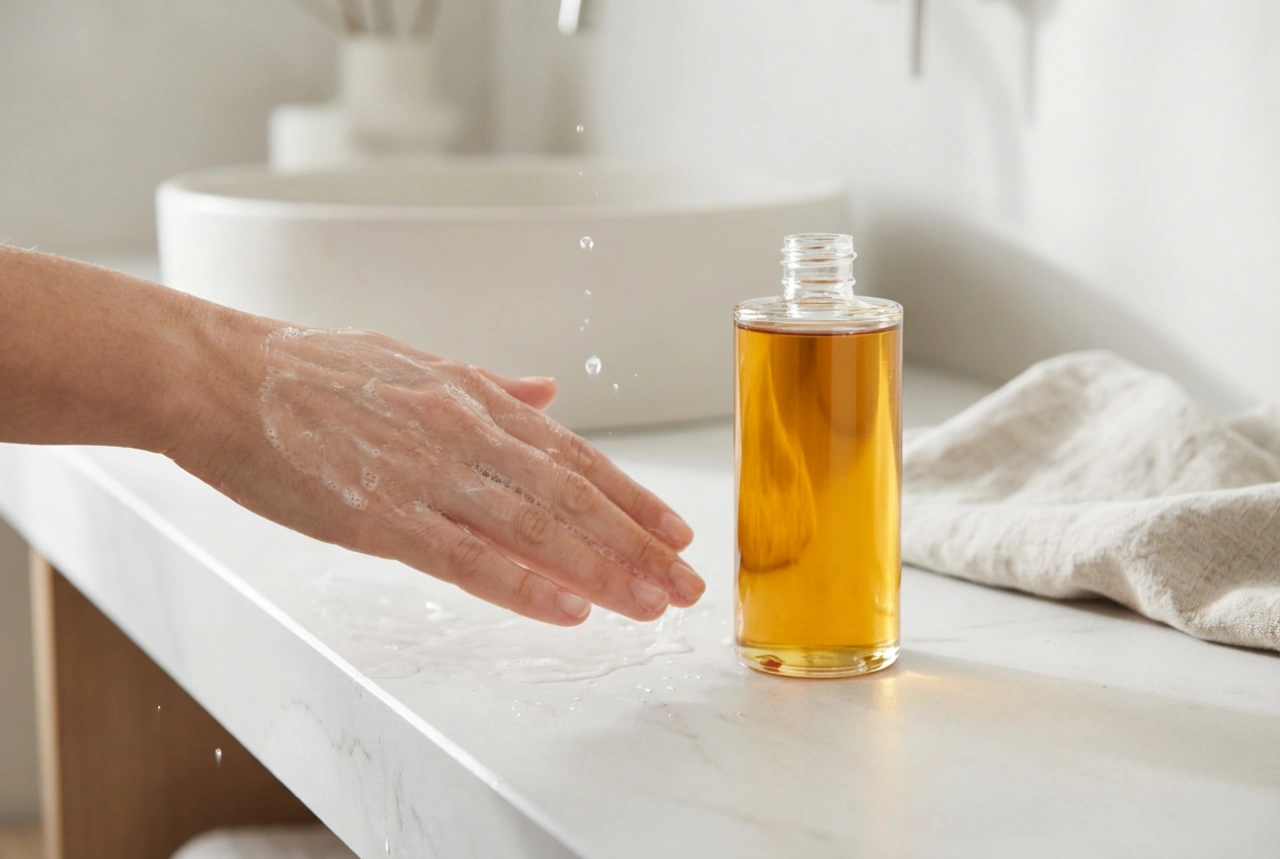
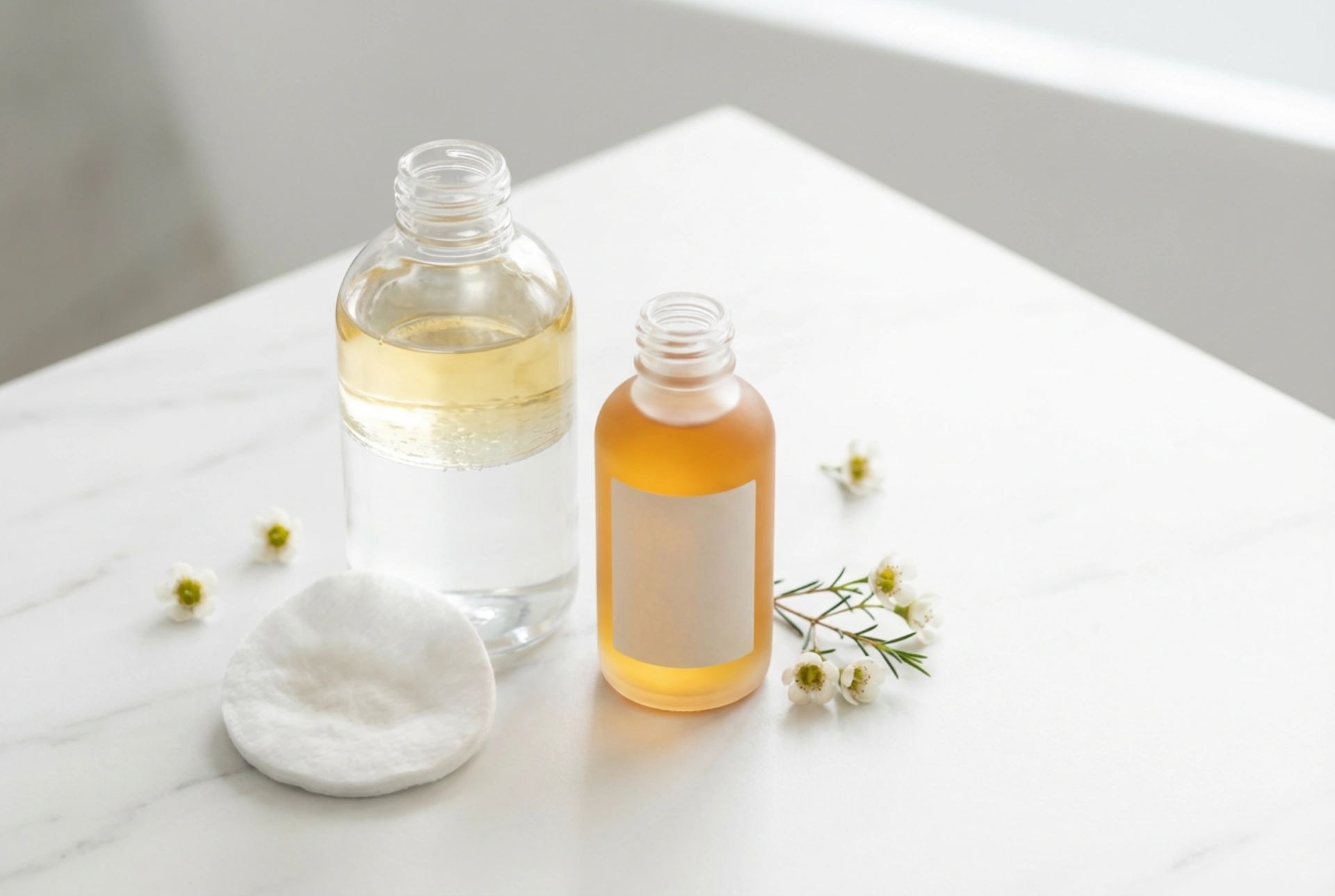
At first glance, a bottle of two-phase (or biphasic) micellar water is distinctive because of its two separate layers. Typically, you will see a clear, water-like liquid at the bottom and a coloured or cloudy layer of oil floating on top. Before use, the bottle must be shaken vigorously to temporarily mix these two phases into a uniform, milky emulsion. This simple action is what activates the product's full cleansing potential.
How the Two Phases Work Together
Each layer has a distinct role in the cleansing process. The bottom layer is the aqueous phase, which is essentially a standard micellar water. It contains micelles – tiny clusters of cleansing molecules (surfactants) suspended in soft water. These micelles have a 'head' that is attracted to water and a 'tail' that is attracted to oil and dirt. The top layer is the lipid phase, composed of various oils. When you shake the bottle, the oil phase breaks down into tiny droplets and disperses throughout the micellar water. When applied to a cotton pad, this emulsion effectively combines the power of both. The oil component excels at dissolving oil-based substances like waterproof mascara, long-wear foundation, and sun protection, while the micelles in the water phase lift away the dissolved makeup, sebum, and other impurities from the skin's surface.
Two-Phase Micellar Water vs. A Traditional Cleansing Oil
While both products use oils to break down makeup, they are not interchangeable and serve slightly different functions within a routine. Understanding their key differences can help you decide which is best for your needs.
When to Choose Two-Phase Micellar Water
This product is an excellent choice for targeted makeup removal, especially around the delicate eye and lip areas. Its powerful formula can break down waterproof and transfer-proof products without excessive rubbing, which helps to protect the sensitive skin in these areas. It is also convenient for quick, all-over makeup removal when you are short on time or travelling. Many people who find pure cleansing oils too heavy or greasy prefer the lighter feel of a two-phase formula.
When a Cleansing Oil Might Be Better
A traditional cleansing oil is often the preferred first step in a comprehensive double-cleansing routine. It is typically applied directly to dry skin with the hands and massaged all over the face. This massage action not only helps to thoroughly dissolve makeup and impurities across the entire face but also can help to loosen congestion in pores. Cleansing oils are particularly beneficial for those with dry or mature skin, as they provide an extra layer of nourishment and leave the skin feeling soft and supple. They are designed to be emulsified with water and rinsed away, creating a clean canvas for a second, water-based cleanser.
The Crucial Step: Should You Rinse It Off?
One of the most common questions about any micellar product is whether it needs to be washed off. While some single-phase micellar waters are marketed as 'no-rinse', the consensus for two-phase formulas is clear: you should always follow up with a rinse or a second cleanser.
Why Rinsing is Recommended
Two-phase micellar water is designed to be highly effective at dissolving makeup, and to do this, it leaves behind a film containing oils and surfactants. If this residue is not washed away, it can potentially cause several issues. It can create a barrier on the skin that prevents serums, essences, and moisturisers from absorbing properly, making them less effective. For those with combination, oily, or sensitive skin, this leftover film might contribute to clogged pores or mild irritation over time. Rinsing ensures your skin is completely free of any residue, leaving it truly clean and prepared for the rest of your skincare regimen.
How to Correctly Incorporate It Into Your Routine
The best way to use two-phase micellar water is as the first step in your evening cleanse. Follow these simple steps for a thorough clean:
- Shake the bottle well to combine the two layers.
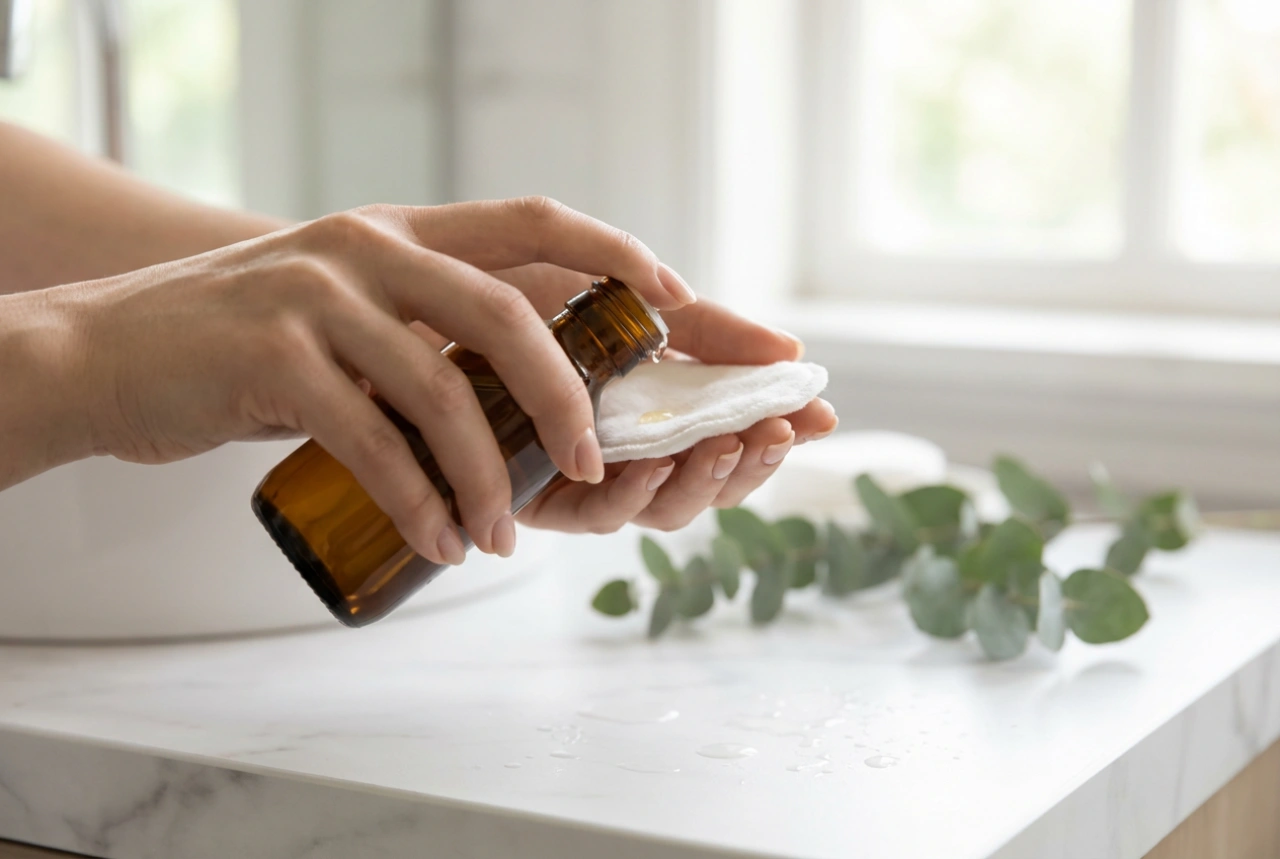
- Saturate a cotton pad with the solution.
- Gently press and hold the pad over your eyes or lips for 10-15 seconds to allow the product to dissolve the makeup.
- Wipe away gently without harsh rubbing. Use fresh pads for other areas of the face if needed.
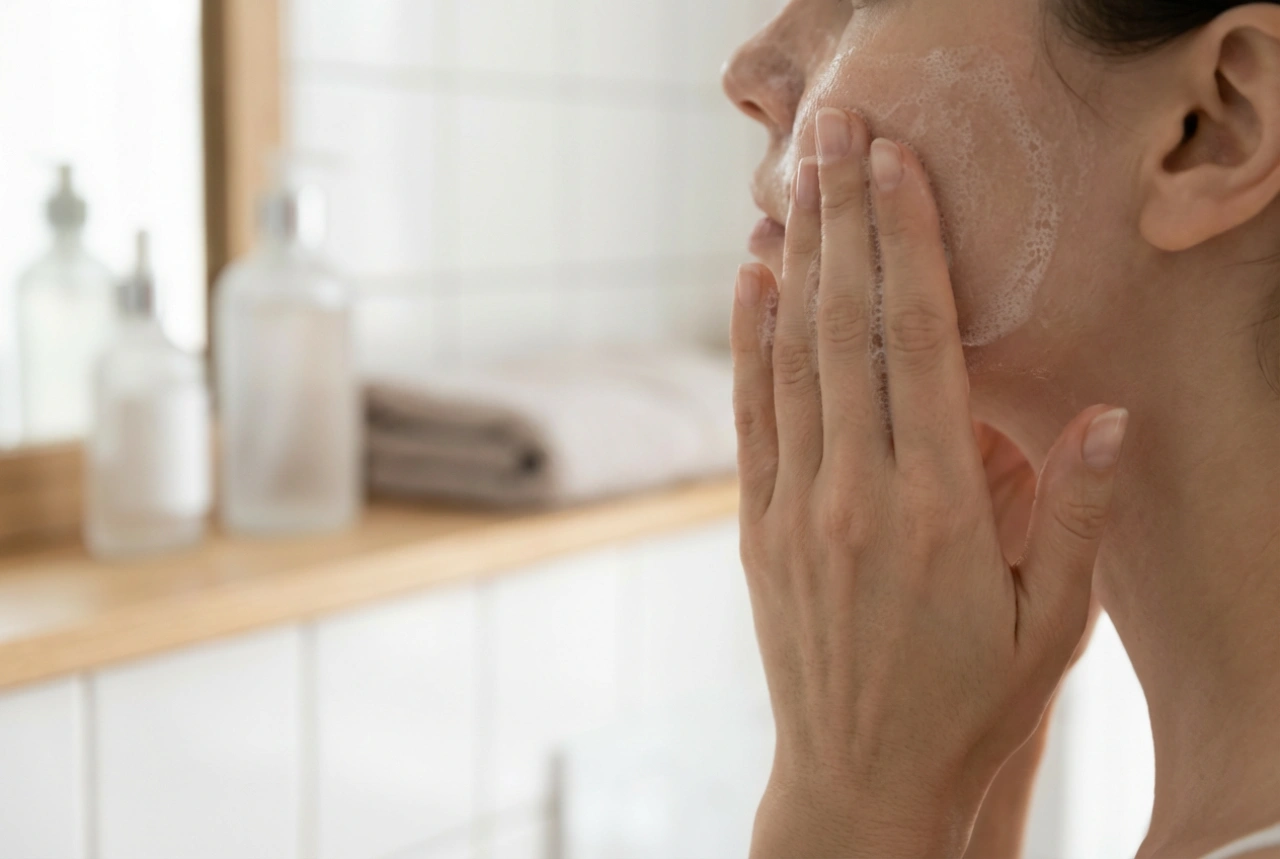
- Once all makeup is removed, follow up with a gentle, water-based cleanser (like a gel, foam, or cream cleanser) and rinse your face thoroughly with lukewarm water.
- Pat your skin dry and proceed with your regular skincare routine of toners, serums, and moisturisers.
By understanding its composition and proper usage, you can effectively leverage two-phase micellar water as a powerful tool in your skincare arsenal, ensuring a perfectly clean foundation for a healthy-looking complexion.