

Effective skin cleansing is the cornerstone of any successful skincare routine. Removing makeup, sunscreen, and the day's impurities allows the skin to breathe and better absorb subsequent products. While many methods exist, hydrophilic cleansing oils offer a uniquely gentle yet powerful approach. Their ability to transform from a rich oil into a light, milky emulsion upon contact with water makes them a fascinating and highly effective option for daily purification.
What Is a Hydrophilic Cleansing Oil?
A hydrophilic—or 'water-loving'—cleansing oil is a specially formulated product designed to dissolve oil-based impurities from the skin's surface. Unlike pure carrier oils you might find in a kitchen, these cosmetic oils contain an ingredient called an emulsifier. This key component allows the oil to mix with water, creating a milky lotion that can be rinsed away completely without leaving a greasy residue. The principle is simple: 'oil dissolves oil.' This makes it exceptionally effective at breaking down stubborn makeup, excess sebum, and layers of sunscreen that water-based cleansers might struggle with.
The Science Behind the Magic: How Does It Work?
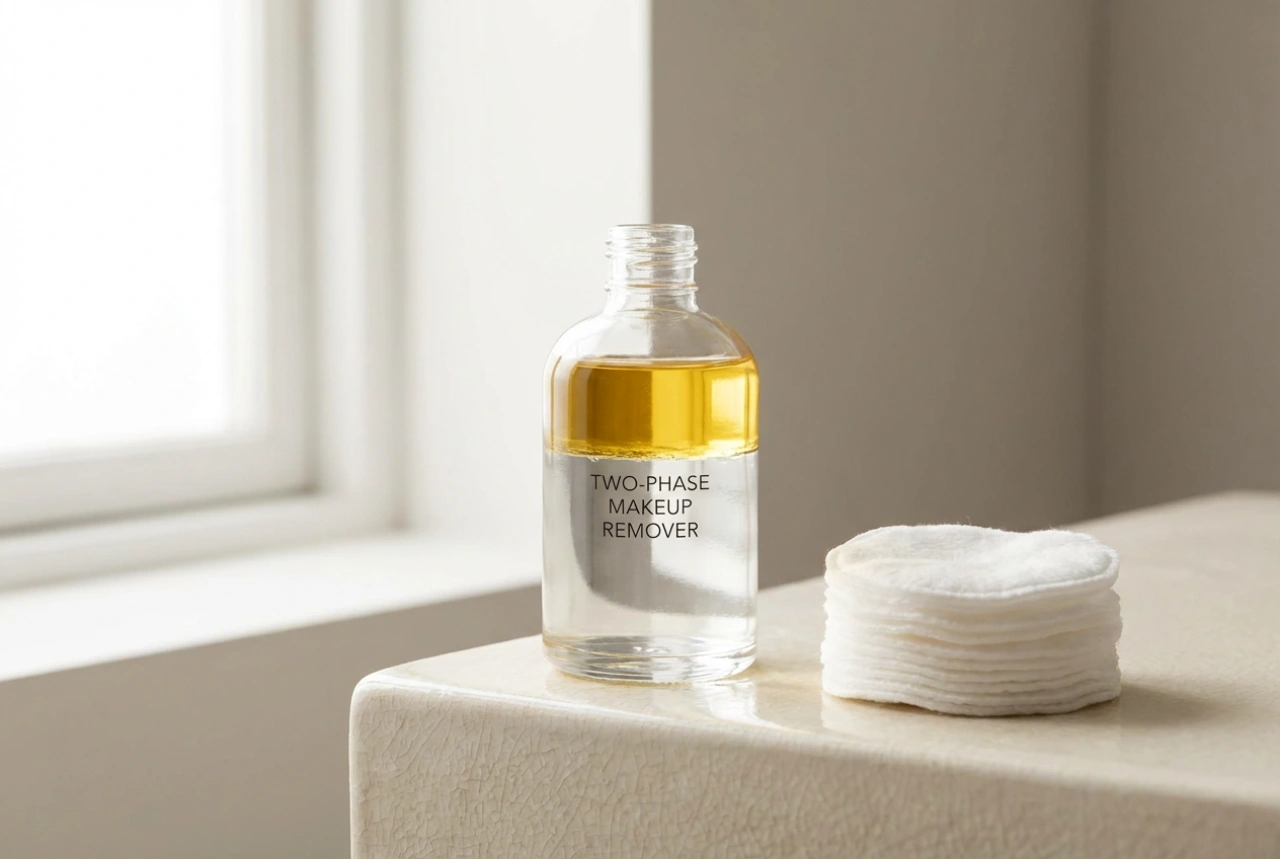
The effectiveness of a hydrophilic cleansing oil lies in a two-phase process that respects the skin's natural barrier. When you first apply the oil to your dry face, it gets to work dissolving and lifting all oil-soluble substances. This includes everything from foundation and waterproof mascara to the natural oils your skin produces throughout the day. In this phase, the oil acts as a solvent, gently breaking down impurities without stripping the skin. The second phase begins when you introduce water. The emulsifiers activate, causing the oil and the captured impurities to bind with the water. This transforms the mixture into a lightweight, milky liquid that can be easily washed away, leaving the skin clean, soft, and balanced.
How to Use a Hydrophilic Cleansing Oil Correctly
To get the most out of your cleansing oil, it's essential to use it correctly. Following the proper steps ensures maximum efficacy and a residue-free finish.
Step 1: Application on Dry Skin
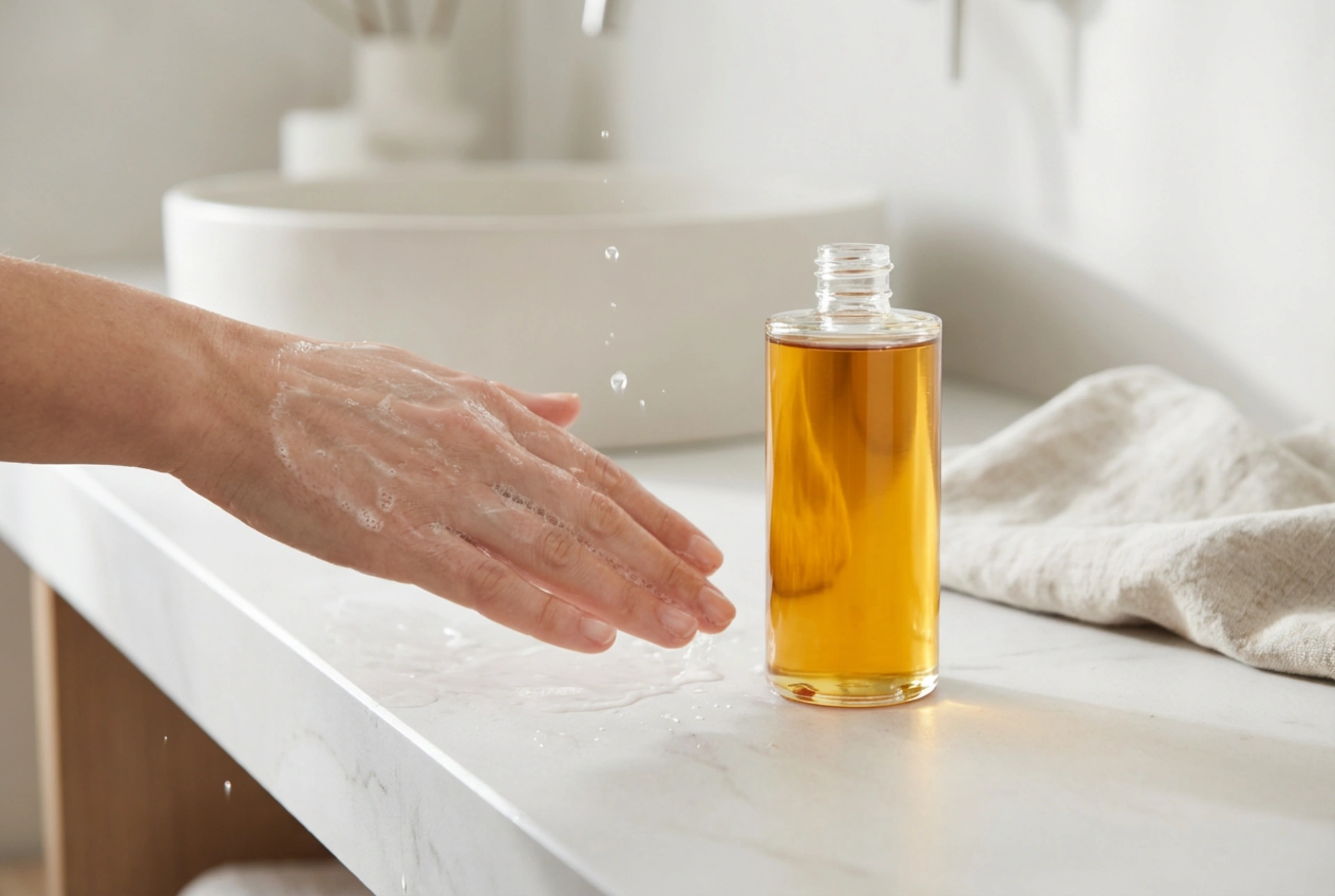
Start with a completely dry face and dry hands. This is the most crucial step. Applying the oil to wet skin will cause it to emulsify prematurely, reducing its ability to dissolve makeup and sebum effectively. Dispense one or two pumps of oil into your palm.
Step 2: Gentle Massage
Gently massage the oil all over your face using circular motions for about 30-60 seconds. Pay extra attention to areas with heavy makeup, like the eyes and lips, or areas prone to congestion, such as the nose and chin. This massage not only helps to break down impurities but also stimulates circulation.
Step 3: Emulsification
Next, wet your hands with a small amount of lukewarm water and continue to massage your face. You will notice the oil instantly turning into a milky, thin lotion. This is the emulsification process in action, where the oil is now ready to be rinsed off.
Step 4: Rinsing
Rinse your face thoroughly with lukewarm water until all the milky residue is gone. Your skin should feel clean, soft, and comfortable, not tight or greasy. You can gently pat your face dry with a clean towel.
Who Can Benefit from Using a Cleansing Oil?
One of the biggest misconceptions is that cleansing oils are only for dry skin. In reality, they are suitable for nearly all skin types. For dry or mature skin, they provide a nourishing cleanse that doesn't strip essential lipids. For combination and oily skin types, they are particularly beneficial as they help to dissolve excess sebum and can help balance oil production over time, preventing the skin from overcompensating by producing even more oil. Even sensitive skin can benefit from the gentle, non-abrasive nature of an oil cleanse.
Incorporating a Cleansing Oil into Your Routine
A hydrophilic oil is most commonly used as the first step in a 'double cleansing' routine, especially in the evening. This method involves first using an oil-based cleanser to remove makeup and sunscreen, followed by a water-based cleanser (like a gel, foam, or cream) to wash away any remaining water-based impurities like sweat and dirt. This two-step process ensures a thorough cleanse that prepares the skin perfectly for serums, moisturisers, and other treatments, allowing them to work more effectively.