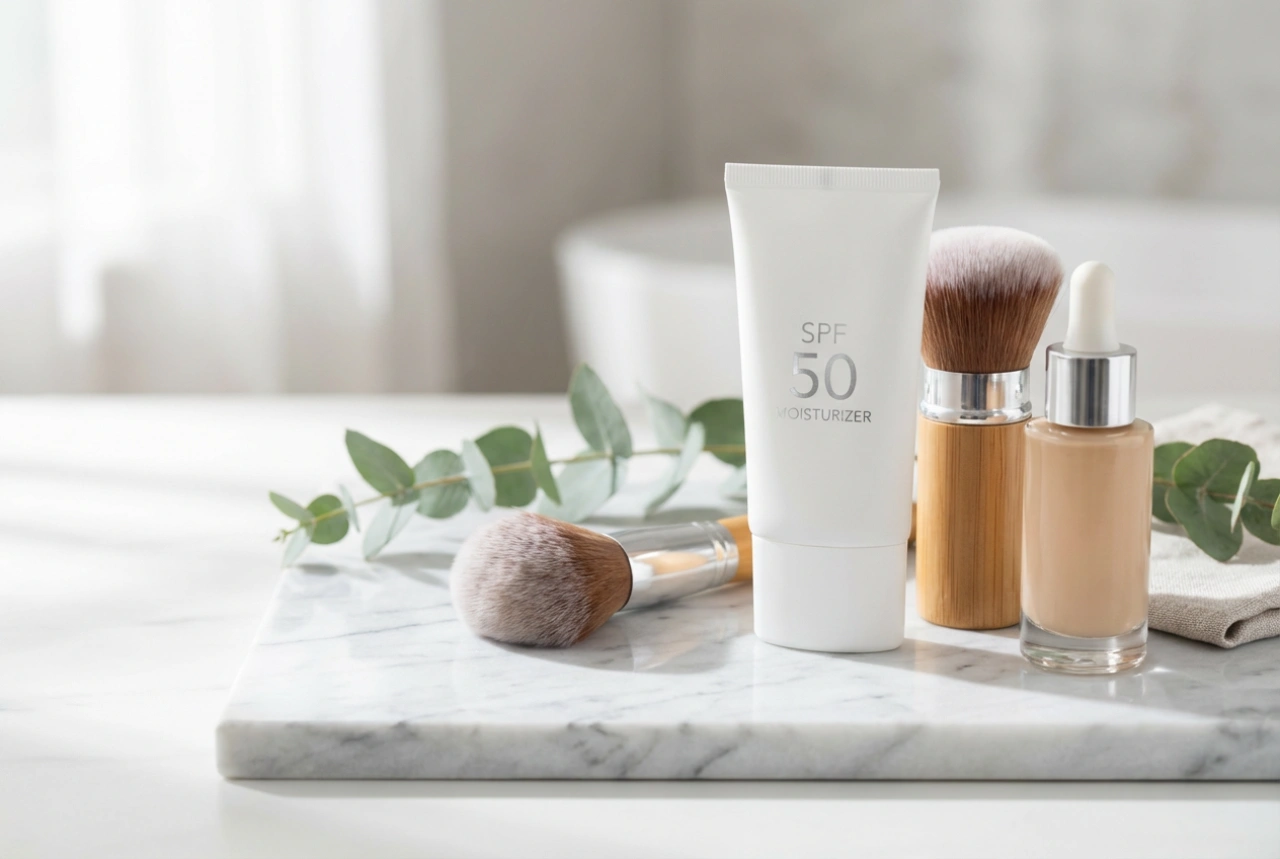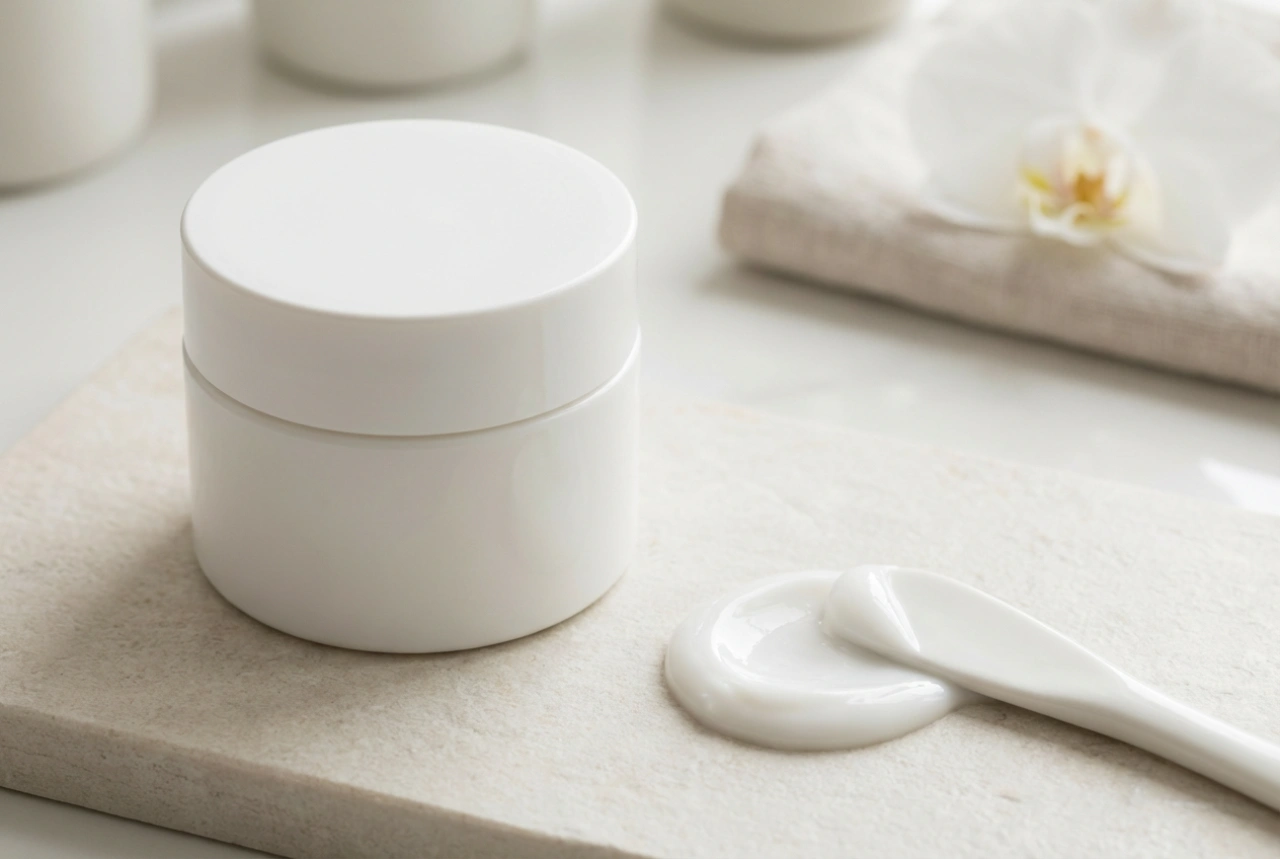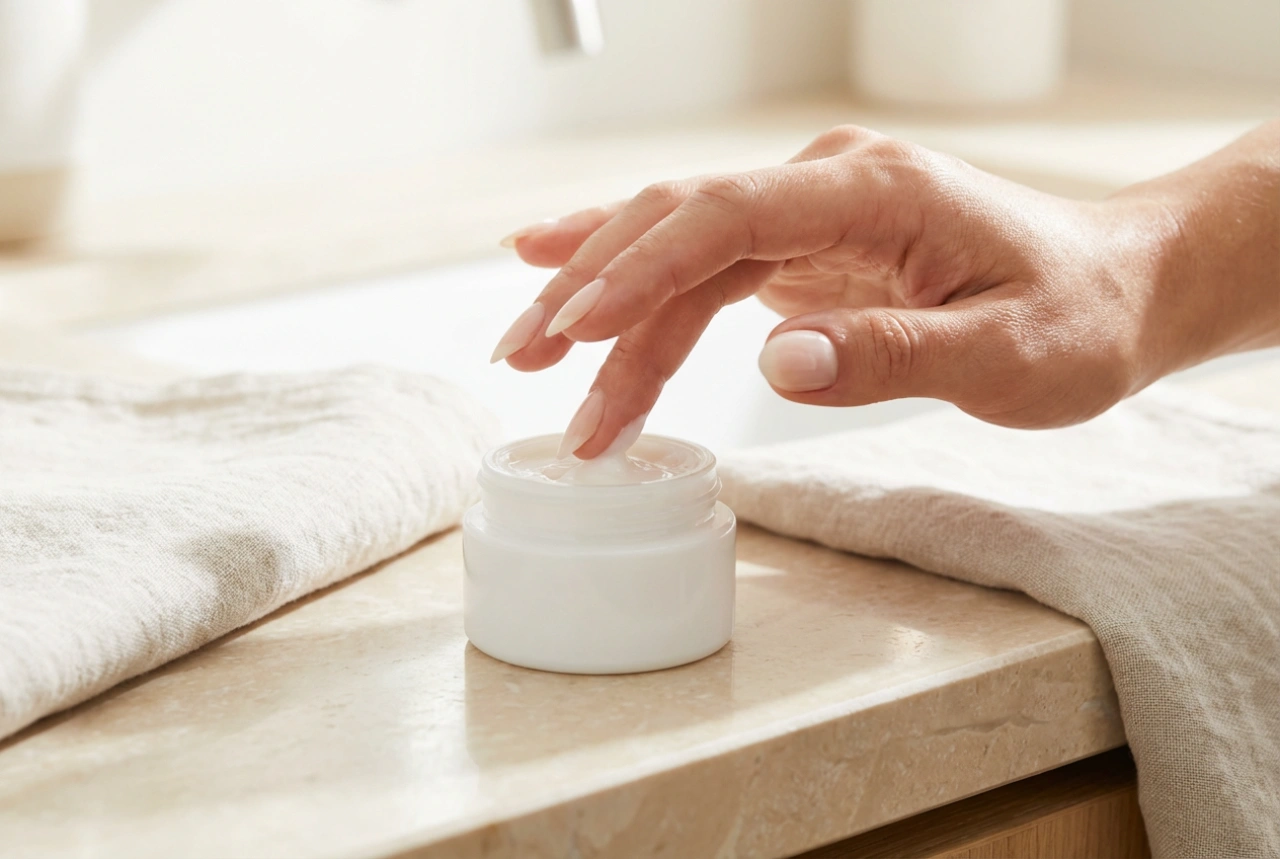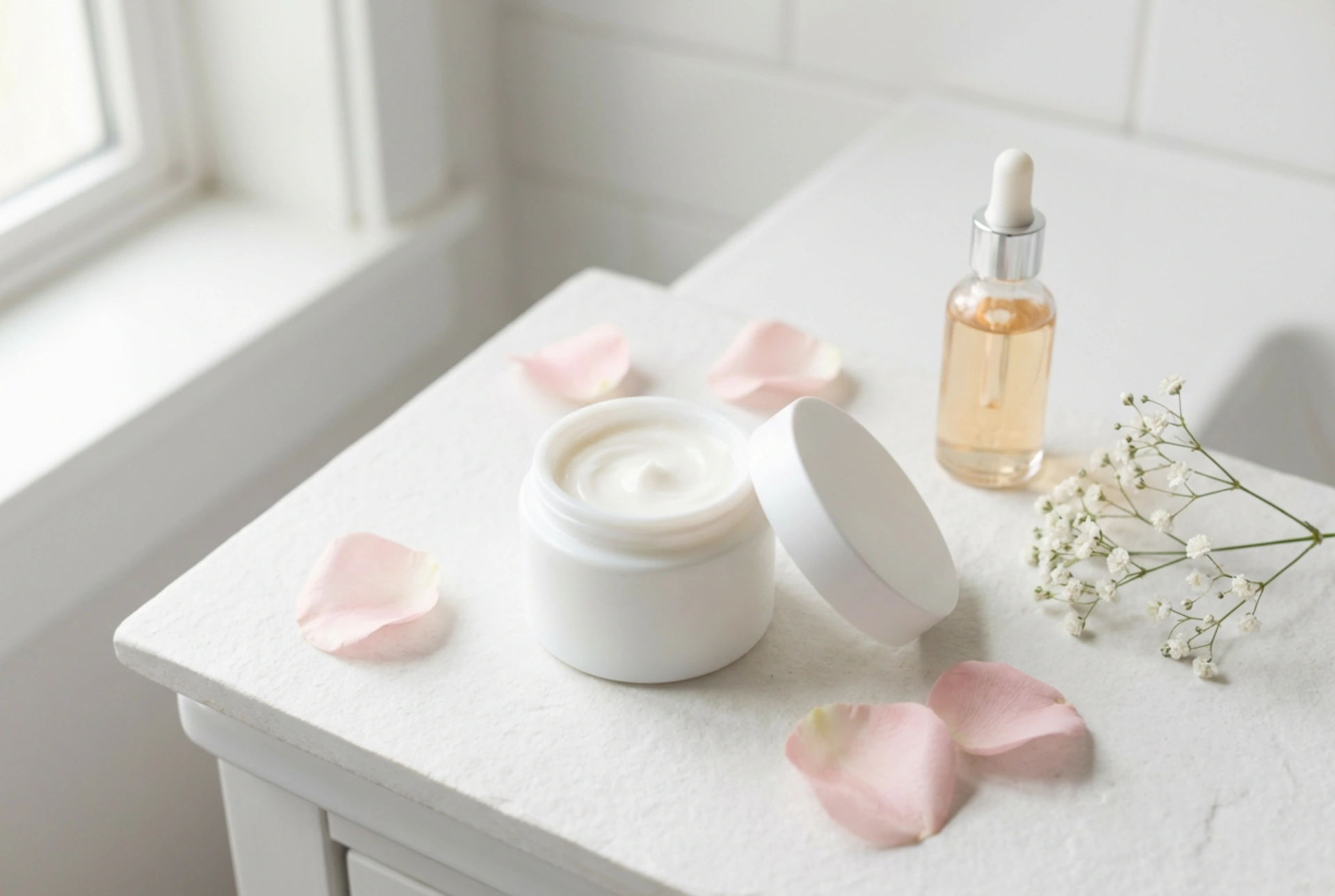


Daily skincare is a soothing ritual, often visualised by a minimalist white jar of face cream sitting alongside fresh botanical ingredients and a delicate serum dropper on a clean, serene surface. This image of pure, gentle hydration is more than just aesthetic; it represents the core foundation of a healthy, glowing complexion. Moisturising is a universal step that benefits every skin type, but finding the ideal product requires a closer look at what goes into the jar. Understanding how specific ingredients interact with your skin, choosing the appropriate consistency, and applying products in the correct sequence are all essential steps in elevating your beauty routine.
The Importance of Skin Hydration and the Barrier Function
The primary role of a moisturising cream is to support the skin’s natural outer barrier, often referred to as the stratum corneum. This barrier acts as a shield, protecting the delicate underlying layers from environmental stressors while preventing moisture from evaporating into the air. When the skin barrier is well-hydrated, the complexion appears plump, smooth, and naturally radiant. Conversely, a lack of moisture can lead to a dull appearance, fine dehydration lines, and a rough texture.
It is helpful to distinguish between dry skin and dehydrated skin. Dry skin is a skin type characterised by a natural lack of lipids or oils. Dehydrated skin, on the other hand, is a temporary condition where the skin lacks water, which can affect oily and combination skin types as well. A well-formulated moisturising face cream addresses both issues by delivering water-binding agents and protective lipids to restore balance and comfort.
Key Skincare Ingredients for Deep Hydration
When selecting a face cream, reading the ingredient list is the best way to determine how the product will perform. Effective moisturising formulations rely on a balanced combination of three main categories of ingredients: humectants, emollients, and occlusives. Each category plays a distinct and vital role in maintaining optimal moisture levels.
Humectants: Attracting Essential Water
Humectants are water-loving ingredients that act like tiny sponges. They draw moisture from the surrounding environment and from the deeper layers of the skin, binding it to the surface to keep the complexion plump. Common and highly effective humectants include:
- Hyaluronic Acid: A powerful molecule capable of holding up to a thousand times its weight in water, providing immediate surface plumpness.
- Glycerin: A classic, time-tested ingredient that deeply hydrates and helps maintain the skin’s natural moisture balance.
- Panthenol (Pro-Vitamin B5): Known for its soothing properties, it attracts water while calming the skin.
Emollients: Softening and Smoothing the Surface
While humectants bring water to the skin, emollients fill in the microscopic gaps between skin cells. They smooth out rough patches, improve elasticity, and give the skin a soft, velvety texture. Excellent emollient ingredients include:
- Squalane: A lightweight, non-comedogenic oil that mimics the skin’s natural sebum, offering superb softening benefits without feeling greasy.
- Ceramides: Natural lipids that are vital for rebuilding and strengthening the skin barrier, helping to keep moisture locked inside.
- Plant Oils: Ingredients like jojoba oil or argan oil provide essential fatty acids that nourish and protect the skin.
Occlusives: Sealing in Moisture
Occlusives form a thin, protective barrier over the skin's surface, physically preventing water from evaporating. They are particularly beneficial for very dry skin or during colder months when the air is dry. Look for natural occlusives such as shea butter, beeswax, or plant-derived waxes, which provide a comforting shield without clogging pores.
Choosing the Right Texture for Your Skin Type
The consistency of your face cream plays a major role in how comfortable it feels on your skin and how well it integrates into your daily life. Matching the texture to your skin type ensures optimal comfort and efficacy.
For those with oily, combination, or congestion-prone skin, lightweight textures are generally preferred. Gel-creams and fluid lotions absorb quickly without leaving a heavy or shiny residue. These formulations are typically high in humectants and low in heavy oils, providing a fresh, weightless feel while still delivering essential hydration.
For normal to dry skin types, richer creams and velvety emulsions are ideal. These products contain a higher concentration of emollients and occlusives, providing the nourishing lipids that dry skin naturally lacks. They wrap the skin in a protective layer, relieving tightness and leaving a healthy, satin-like finish.
The Ideal Application Order in Your Skincare Ritual
To get the most out of your moisturising cream, it is important to apply your skincare products in the correct sequence. The general rule of thumb is to apply products from the thinnest, most watery consistency to the thickest, most occlusive consistency. This ensures that lightweight active ingredients can penetrate the skin effectively without being blocked by heavier creams.
Start your ritual with a gentle cleanse to remove impurities and prepare the skin. Next, apply lightweight hydrating products such as toners, essences, or targeted serums. While the skin is still slightly damp from these steps, apply your moisturising face cream. This helps to trap the moisture on the surface, sealing in all the benefits of your previous steps. If you use a facial oil, apply a few drops after your cream to add an extra layer of nourishment. During the daytime, always finish your routine with a broad-spectrum sunscreen to protect your hydrated skin from UV rays.